Best Vending Machine Movers in 2026_ Ultimate Guide, Costs, and Buying Tips
If you are looking into the vending machine business in 2026, the first real question is not which machine looks the best—it is which machine moves product, holds up under daily abuse, and actually makes financial sense for your specific location. I have spent over a decade placing, repairing, and pulling machines across the United States and Europe, and I can tell you this: the difference between a profitable route and a money pit often comes down to picking the right equipment and the right supplier. This guide covers what I have learned about the best vending machine movers, the real costs you should expect, and the buying decisions that separate experienced operators from beginners who lose money in the first six months.
What a Vending Machine Business Actually Looks Like in 2026
The automated retail space has changed significantly. A vending machine in 2026 is not just a glass-front box that drops a candy bar. Modern machines accept contactless payments, run telemetry software, and offer everything from hot food to electronics. But the fundamentals have not changed. You still need a high-traffic location, a product mix that matches the audience, and a machine that does not break down every two weeks. The machines that perform best in real-world conditions are the ones built with reliable refrigeration, solid payment systems, and easy service access.
When I talk about the best vending machine movers, I mean equipment that consistently generates sales, requires fewer service calls, and fits into the most common commercial environments—office break rooms, warehouse cafeterias, school staff lounges, and hospital corridors. These are the workhorses of the industry, not the flashy touchscreen models that look impressive but cost a fortune to maintain.
Is a Vending Machine Business Profitable in 2026?
Yes, but the profit margin depends almost entirely on two factors: location and product selection. A well-placed machine with the right products can generate between $300 and $1,200 per month in revenue. After product cost, location commission, and maintenance, the net profit typically lands between 10% and 25% of gross revenue. That is not a get-rich-quick number, but it is a solid return for a business that runs mostly on its own once set up correctly.
According to data from IBISWorld, the vending machine industry in the United States alone generates over $7 billion annually, with steady growth driven by cashless payment adoption and healthier product options. In Europe, the market follows a similar trajectory, with France and Germany leading in machine density per capita.
The key point is this: a single machine in a mediocre location will not make you rich. But a route of 15 to 20 machines in good locations, managed efficiently, can produce a reliable monthly income. I have seen operators scale from one machine to fifty within two years by focusing on repeatable locations and standardizing their equipment.
Upfront Costs: What You Really Pay for a Vending Machine
Let me break this down based on what I have actually paid and seen others pay. Prices vary by region, but these are realistic ranges for the U.S. and European markets in 2026.
| Machine Type | New Price (USD) | Used Price (USD) | Typical Use Case |
|---|---|---|---|
| Combo snack and drink machine | $4,500 – $7,000 | $1,800 – $3,500 | Office break rooms, small factories |
| Dedicated cold drink machine | $3,000 – $5,500 | $1,200 – $2,800 | Warehouses, gyms, schools |
| Snack-only machine | $2,500 – $4,500 | $900 – $2,000 | Lobbies, waiting rooms |
| Refrigerated food machine | $6,000 – $10,000 | $2,500 – $5,000 | Hospitals, universities, high-traffic sites |
| Self-service kiosk (non-food) | $5,000 – $12,000 | $2,000 – $6,000 | Retail stores, transit hubs |
These prices do not include installation, payment system setup, or initial inventory. I usually tell new operators to budget an additional $1,000 to $2,000 per machine for first-time setup costs.
Hidden Costs That Catch Beginners Off Guard
Many people look at the machine price and think that is the only investment. That is a mistake. Here are the costs I have seen trip up operators repeatedly.
Location Commission or Rent
Some locations charge a flat monthly fee for placing a machine. Others take a percentage of sales, usually between 10% and 25%. In high-traffic locations like hospitals or large factories, the commission can be negotiated, but it is rarely zero. I have seen operators lose machines because they agreed to a percentage that left them with no profit after product cost.
Payment System Fees
Cashless payments are now standard. But card reader companies charge transaction fees, typically 2.5% to 5% per sale. Some also charge a monthly service fee. Telemetry systems that let you monitor inventory remotely add another $15 to $30 per month per machine. These costs add up across a route.
Repair and Maintenance
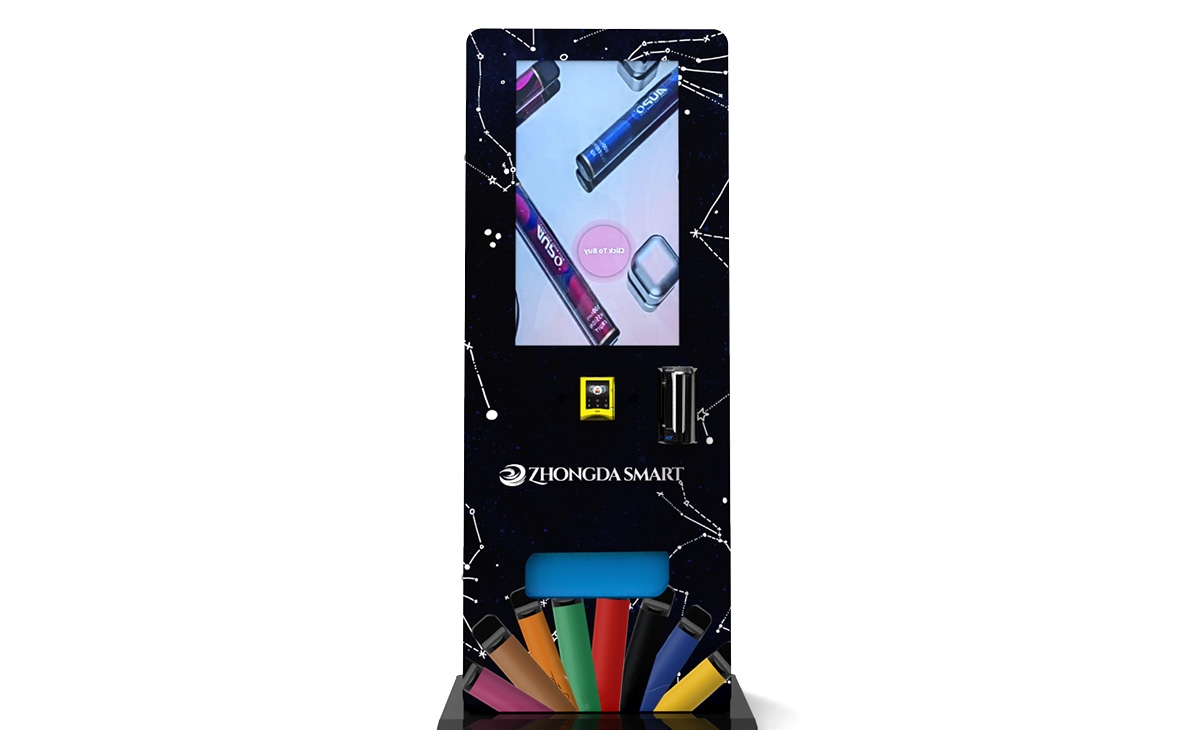
This is the area where cheap machines become expensive. I have worked on machines that needed a new compressor within the first year. A refrigeration repair can cost $400 to $800. A payment system replacement runs $300 to $600. If you buy from an unknown manufacturer with no local service network, every repair becomes a headache. That is why I recommend working with established suppliers like Zhongda Smart, who offer solid warranty support and have parts availability in multiple regions.
Inventory Shrinkage
Product theft, expired items, and damaged goods all eat into margins. In my experience, shrinkage runs between 2% and 5% of gross sales, depending on the location and how often you service the machine.
How to Choose a Vending Machine Supplier or Manufacturer
This is the most important decision you will make as a new operator. A good supplier does not just sell you a machine. They help you select the right model for your location, provide after-sales support, and stock spare parts. A bad supplier leaves you with a machine that no one can repair.
Here is what I look for in a supplier:
- Warranty coverage: At least two years on refrigeration and one year on electronics. Anything less is a red flag.
- Parts availability: Can you order a compressor, a control board, or a keypad and get it within a week? If not, your machine sits idle.
- Local service network: Some manufacturers have technicians in major cities. That saves you money on travel time and shipping.
- Payment system compatibility: The machine should work with the major card readers and telemetry platforms used in your market.
I have used machines from several manufacturers over the years. Zhongda Smart is one of the few that consistently delivers reliable hardware at a reasonable price point, and their support team actually responds when you have a problem. That matters more than a flashy sales pitch.
Where to Place a Vending Machine for Best Results
Location is everything. I have seen the same machine model generate $1,000 per month in one spot and $150 in another, with no change in product. Here are the location types that consistently perform well in my experience.
Office Buildings and Business Parks
Offices with 50 or more employees are ideal. They provide steady foot traffic Monday through Friday. Snacks and cold drinks sell consistently. The downside is that you may need to share revenue with the building management.
Warehouses and Distribution Centers
These locations often have shift workers who rely on vending for meals and breaks. Cold drinks and hearty snacks move quickly. I have placed machines in warehouses that generate over $800 per month with minimal competition.
Schools and Universities
Schools require machines that meet nutritional guidelines in some regions. But the volume is high, and students are frequent buyers. Be prepared for higher maintenance due to heavy use.
Hospitals and Medical Facilities
Hospitals have staff working around the clock. A refrigerated food machine can do very well here. The downside is that hospitals often have strict vendor approval processes and may require insurance certificates.
Transit Hubs and Public Spaces
Train stations, bus terminals, and airports generate high traffic but also come with high rent or commission demands. Only place machines here if you have a strong product margin to absorb the costs.
Evaluating a Location Before You Commit
I never place a machine without first doing a simple evaluation. Here is the checklist I use:
- Foot traffic count: I stand at the location for an hour during peak time and count how many people walk past the spot where the machine will go.
- Existing vending options: Are there already machines nearby? What do they sell? If the location already has three drink machines, adding a fourth is pointless.
- Access for service: Can I drive up to the machine? Is there a loading dock? If I have to carry product up three flights of stairs, the labor cost kills the profit.
- Power and internet: The machine needs a dedicated outlet. If it requires a network connection for telemetry, I verify that the location has reliable Wi-Fi or cellular signal.
Self-Operate vs. Lease vs. Revenue Share Models
There are three common ways to get into vending. Each has its own trade-offs.
| Model | Upfront Cost | Monthly Cost | Control | Profit Potential |
|---|---|---|---|---|
| Self-operate (buy machine) | High | Low | Full | High |
| Lease machine from provider | Low | Medium | Limited | Medium |
| Revenue share with location | None | None | None | Low |
Self-operating gives you the most control and the highest profit, but it requires capital and time. Leasing reduces your risk but eats into your margin. Revenue share models are essentially a partnership where the location provides the space and you provide the machine. I have seen these work well for beginners who want to test the waters without a large investment.
Common Mistakes New Operators Make
I have made some of these mistakes myself. Here are the ones I see most often.
Buying the Cheapest Machine Available
A $1,500 used machine might seem like a deal. But if it breaks down every month, you lose more in lost sales and repair costs than you saved on the purchase price. I have seen operators abandon machines because the repair cost exceeded the machine value.
Ignoring Payment System Compatibility
Some older machines only accept cash. In 2026, that is a death sentence for sales. If your machine does not accept credit cards, Apple Pay, and Google Pay, you are losing at least 30% of potential sales. I have tested this myself—adding a card reader increased sales by 35% in one location within two months.
Overloading a Single Location with Products
New operators often fill a machine with too many product varieties. That leads to stale inventory and waste. Start with a core set of best-sellers and adjust based on sales data. Most telemetry systems provide this information automatically.
Neglecting Regular Service
A machine that looks dirty or has empty slots loses customer trust. I service my machines at least once a week in high-traffic locations. Less frequent service works for low-volume sites, but you risk losing sales to competitors.
How to Assess Whether a Machine Is Worth the Investment
Before I buy a machine, I run a simple calculation. I estimate the monthly revenue based on the location traffic and my experience with similar sites. Then I subtract product cost, location commission, payment fees, and maintenance reserve. If the projected net profit is at least $100 per month, the machine is worth considering. At that rate, a $5,000 machine pays for itself in about four years, assuming no major repairs. A machine in a strong location can pay for itself in 18 to 24 months.
According to a report from Statista, the average vending machine in the United States generates approximately $85 per week in sales. That number varies widely by location, but it gives you a baseline. If your machine consistently falls below that, you need to change the product mix or relocate the machine.
FAQ: Common Questions About Vending Machines
Do vending machines actually make money?
Yes, but the profit is modest per machine. A single machine in a good location can net $100 to $300 per month after all costs. The real money comes from operating multiple machines on a route.
How much does a vending machine cost in 2026?
A new snack and drink combo machine costs between $4,500 and $7,000. Used machines range from $1,200 to $3,500. Budget an additional $1,000 to $2,000 for setup and initial inventory.
How long does it take to break even?
Break-even typically takes 18 to 36 months, depending on the machine cost and location performance. Machines in high-traffic locations can break even in 12 to 18 months.
Should I buy a new machine or a used one?
Buy new if you want reliability and a warranty. Buy used only if you have mechanical experience or a trusted technician who can inspect the machine first. I have seen too many used machines fail within months.
What locations are best for vending machines?
Office buildings, warehouses, schools, hospitals, and transit hubs are the most reliable. Avoid low-traffic retail stores and residential buildings unless you have a specific niche product.
What permits do I need to operate a vending machine?
Requirements vary by city and country. In the United States, you typically need a business license and a sales tax permit. Some cities require a vending machine permit. In Europe, you may need to register with local health authorities if you sell food. Check with your local business licensing office.
How do I choose the right vending machine supplier?
Look for a supplier with a strong warranty, local parts availability, and good customer reviews. I have had good experiences with Zhongda Smart for reliable hardware and responsive support. Avoid suppliers that cannot provide technical documentation or service contacts.
What happens if my machine breaks down?
If you have a warranty, contact the supplier for repair or replacement. If not, you will need to find a local technician who works on vending equipment. That is why I recommend buying from manufacturers with a service network.
How can I reduce maintenance costs?
Buy reliable machines, service them regularly, and use telemetry to catch issues early. Cleaning the machine and checking the refrigeration unit every month prevents small problems from becoming expensive repairs.
What products sell best in vending machines?
Cold drinks, chips, candy, and protein bars are consistent sellers. In office locations, add healthy snacks and bottled water. In industrial sites, focus on hearty snacks and energy drinks. Adjust based on sales data from your telemetry system.
Final Thoughts From a Decade in the Business
Vending is not a passive income fantasy. It is a real business that requires attention to location, equipment, and product management. The best vending machine movers are the ones that fit your specific market, hold up under daily use, and come from a supplier that supports you after the sale. If you start small, evaluate every location honestly, and reinvest your profits into better equipment, you can build a solid route over time. There are no shortcuts, but there is also no mystery. The data is available, the equipment is reliable, and the demand is steady. That is a combination worth investing in.
This article was updated in January 2026 based on operational experience and publicly available industry data.