The Complete Guide to How To Put A Vending Machine Somewhere Opportunities and Risks
If you are reading this, you are probably wondering whether placing a vending machine in a specific location is a smart move or a money pit. After spending over a decade running vending machine operations across the US and parts of Europe, I can tell you this: the difference between a profitable machine and a costly mistake almost always comes down to one thing — how you put a vending machine somewhere. It is not about the machine itself. It is about the location, the contract, the foot traffic pattern, and the operational discipline you bring. This guide pulls together real lessons from actual deployments, covering the opportunities and risks you will face when deciding to put a vending machine somewhere.
Understanding the Core Business of Automated Retail
Let me start by clarifying what we are actually talking about. A vending machine is a self-service kiosk that sells products without a human cashier. But in practice, it is a miniature retail store that operates 24/7. You are not just selling snacks or drinks. You are selling convenience, location access, and inventory management. If you treat it like a passive income machine, you will lose money. If you treat it like a retail business, you have a shot.
The automated retail space has grown significantly. According to a report by IBISWorld, the vending machine industry in the US alone generates over $7 billion annually. In Europe, the market is even more fragmented, with strong local players in France, Germany, and the UK. The key takeaway is that the opportunity exists, but it is not automatic.
How to Evaluate a Location Before You Put a Vending Machine Somewhere
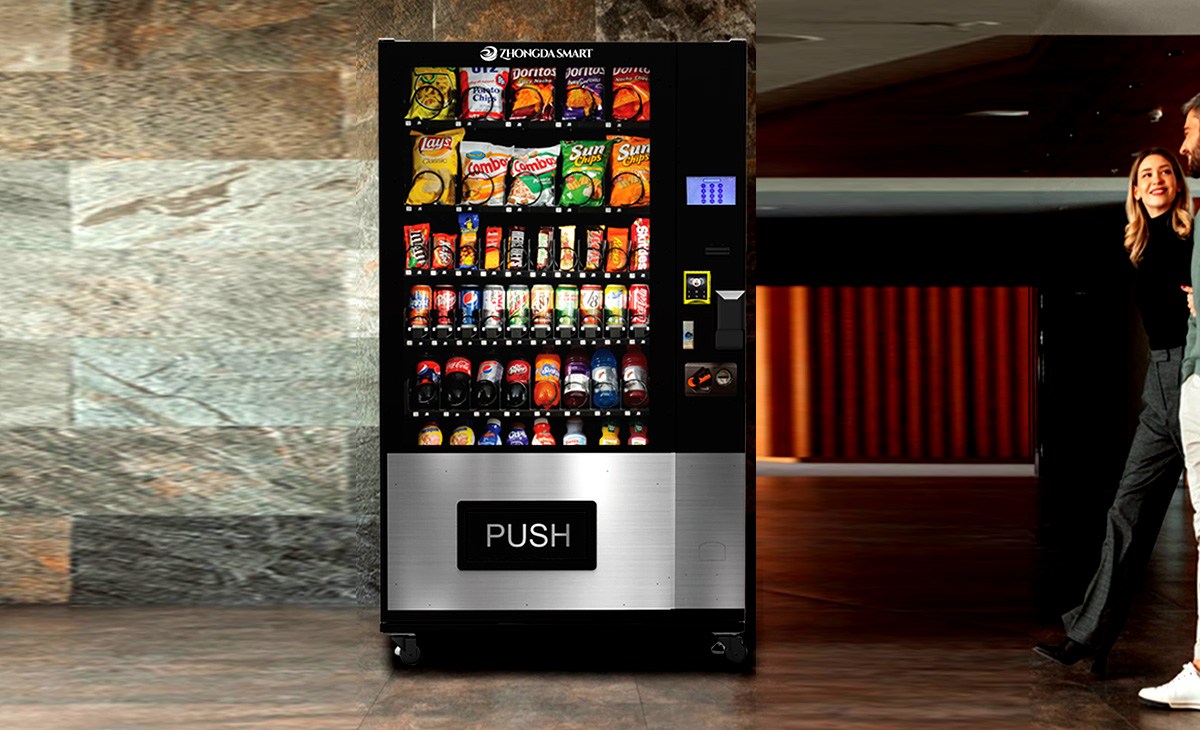
I have seen people buy a brand new machine, haul it to a warehouse, and expect it to print money. That rarely works. The first rule I teach new operators is this: never buy the machine before you secure the location. You need to evaluate the site first.
Foot Traffic Quality vs. Quantity
Many beginners obsess over foot traffic numbers. They see a busy train station and think it is a goldmine. But high traffic does not always mean high sales. What matters is dwell time and purchase intent. People rushing to catch a train might not stop to buy a snack. But employees in a break room with a 15-minute break? They will buy every day.
I once placed a machine in a manufacturing plant with only 200 employees. That machine did over $1,500 per month because the workers had no other option nearby. Meanwhile, a machine in a busy shopping mall with thousands of daily visitors barely broke $300 because there were five other food options within 50 meters.
Demographics and Product Fit
You also need to match the product mix to the people. A machine full of protein bars and healthy snacks works well in a gym or a corporate wellness center. A machine with candy and soda works better in a school break area or a mechanic shop. Do not assume one size fits all. I have seen operators fail because they stocked expensive organic snacks in a blue-collar warehouse. The products sat there for weeks.
Accessibility and Power
Before you commit, check the basics. Is there a nearby electrical outlet? Is the floor level enough for the machine to sit stable? Can a delivery dolly get through the door? These sound trivial, but I have had to turn down otherwise good locations because the only power source was 50 feet away and the landlord refused to let me run an extension cord.
The Real Costs of Buying and Operating a Vending Machine
Let me give you a realistic breakdown based on actual machines I have purchased and deployed. These numbers are based on my experience in the US market, but they are broadly applicable to Europe as well, though you should adjust for VAT and local labor rates.
| Machine Type | Initial Cost (USD) | Monthly Revenue Range | Gross Margin | Typical Restock Frequency | Estimated Payback Period |
|---|---|---|---|---|---|
| Basic snack machine (used) | $1,500 – $3,000 | $400 – $1,200 | 25% – 35% | Every 1–2 weeks | 12–18 months |
| Combo snack & drink machine (new) | $5,000 – $8,000 | $800 – $2,500 | 30% – 40% | Weekly | 18–24 months |
| High-end glass-front machine (new) | $8,000 – $12,000 | $1,500 – $4,000 | 35% – 45% | Twice a week | 18–30 months |
| Specialty machine (coffee, fresh food, etc.) | $10,000 – $20,000 | $2,000 – $5,000 | 40% – 55% | Every 2–3 days | 24–36 months |
These are rough estimates. Your actual numbers will vary based on location, product pricing, and how efficiently you manage restocking. The gross margin on vending machine sales is typically lower than people expect because you have to account for product cost, card processing fees (usually 2.5% to 4%), and shrinkage (theft or spoilage).
Hidden Costs That Eat Into Your Profit
I want to highlight a few expenses that catch new operators off guard. First, credit card processing fees. If your machine does not accept cards, you will lose at least 30% of potential sales. But if it does, you pay a per-transaction fee plus a percentage. Over a year, that can add up to hundreds of dollars per machine.
Second, machine repair and maintenance. A vending machine is a mechanical device. It will break. I keep a budget of about $200 to $400 per machine per year for vending machine repair costs. If you buy cheap machines from unknown manufacturers, expect that number to double. I have seen operators buy a $2,000 machine from a no-name supplier, only to spend $800 in the first year fixing the coin mechanism and refrigeration unit.
Third, inventory spoilage. If you stock perishable items like sandwiches or fresh fruit, you will throw away unsold product. Even with dry snacks, you occasionally get stale items. Plan for 2% to 5% waste.
How to Choose a Vending Machine Supplier
This is where many people make expensive mistakes. You have three main options: buy a used machine from a local dealer, buy a new machine from a known brand, or buy from a manufacturer like Zhongda Smart, which offers modern, customizable units at competitive prices. I have worked with several manufacturers over the years, and I have seen Zhongda Smart machines deployed in multiple locations across Europe. They offer good value for the price, especially if you need features like cashless payment systems, remote monitoring, and energy-efficient cooling. But do not take my word for it. Always ask for references and, if possible, visit a location where the machine is already running.
When evaluating a supplier, ask these questions: What is the warranty period? Where is the nearest service center? How long does it take to get spare parts? Do they offer remote diagnostics? A supplier that cannot answer these questions clearly is a red flag.
Self-Operate vs. Lease vs. Revenue Share
You do not have to do everything yourself. There are three common business models in automated retail.
Self-Operation
You buy the machine, stock it, maintain it, and keep all the profit. This gives you the highest margin but also the highest workload. It is best if you have multiple machines in a small geographic area so you can restock efficiently.
Leasing the Machine to a Location
You place the machine on a property and pay the location owner a fixed monthly rent. This is common in high-traffic locations like airports or malls. The risk is that if sales are low, you still pay the rent.
Revenue Share
You offer the location owner a percentage of sales, typically 10% to 20%. This aligns incentives, but it also means you share the upside. I prefer this model for smaller locations where the owner is cooperative and willing to promote the machine.
Common Mistakes New Operators Make
I have made most of these mistakes myself, so I am speaking from experience. First, buying a machine before securing a location. You end up with a machine sitting in your garage collecting dust. Second, underestimating the time required for restocking and cleaning. A machine that looks dirty will lose sales fast. Third, ignoring sales data. If an item does not sell for two weeks, replace it. Do not get attached to your initial product selection.
Another mistake is choosing a location based on emotion. I once placed a machine in a small church because I liked the pastor. It did maybe $100 a month. Meanwhile, I had turned down a spot in a busy auto repair shop because I thought it was too small. That repair shop ended up generating $1,200 a month for another operator. Learn from my error: data over gut feeling.
Best Locations for Vending Machines
Based on my experience and industry data, here are the location types that consistently perform well:
- Manufacturing plants and warehouses
- Office buildings with 100+ employees
- Schools and universities (with proper permissions)
- Hospitals and medical facilities
- Gyms and fitness centers
- Apartment complexes with common areas
- Auto dealerships and repair shops
- Government buildings
Locations that usually underperform include retail stores (because customers are already shopping), outdoor parks (weather and vandalism issues), and low-traffic residential areas. According to a Statista report, office buildings and industrial sites account for nearly 40% of all vending machine placements in the US, and they also have the highest average revenue per machine.
How to Assess Whether a Machine Is Worth the Investment
Before you commit, run a simple calculation. Estimate the number of potential customers per day. Multiply by a conservative conversion rate, say 5% to 10%. Then multiply by the average transaction value, which is typically $2 to $4 for snacks and $1.50 to $3 for drinks. That gives you daily revenue. Multiply by 25 operating days per month. Compare that to your monthly costs: product cost, credit card fees, rent or revenue share, and maintenance. If the net profit is less than $200 per month, it is probably not worth your time unless you have multiple machines in the same building.
Payment Systems and Technology
In 2025, a vending machine that only takes cash is a liability. You need a cashless payment system that accepts credit cards, mobile wallets, and possibly contactless payments. The upfront cost for a card reader is around $300 to $600, plus monthly fees. But the increase in sales typically pays for itself within three months. I have seen machines that did $300 per month with cash only jump to $700 per month after adding a card reader.
Remote monitoring is another technology worth investing in. It lets you see inventory levels, sales data, and machine status from your phone. This saves you trips to check on machines that are fully stocked or broken. Zhongda Smart offers machines with built-in telemetry, which is a feature I now consider essential for any new deployment.
Food Safety and Compliance
If you sell any perishable food, you need to follow local health regulations. In the US, that means complying with FDA guidelines for time and temperature control. In Europe, each country has its own rules. For example, in France, machines that sell fresh food must be registered with the local health authority and undergo periodic inspections. I recommend checking with your local chamber of commerce or a business advisory service like Service-Public.fr in France for specific requirements.
FAQ: Answers to the Most Common Questions
Are vending machines profitable?
Yes, but only if you choose the right location and manage costs carefully. A single machine in a good location can generate $500 to $2,500 per month in revenue. After costs, net profit is typically $200 to $800 per month per machine. It is not passive income, but it can be a solid side business or a full-time operation if you scale.
How much does a vending machine cost?
A used basic machine can cost $1,500 to $3,000. A new combo machine from a reputable manufacturer like Zhongda Smart costs between $5,000 and $8,000. Specialty machines for coffee or fresh food can go up to $20,000. Always factor in installation and shipping costs.
How long does it take to break even?
For a well-placed machine, expect 12 to 24 months. If the location is marginal, it could take three years or more. I have seen machines that paid for themselves in 9 months and others that never broke even.
Should a beginner buy or lease a machine?
I recommend buying a used or entry-level new machine for your first location. Leasing is available, but the terms are often unfavorable. If you are unsure, consider a revenue share agreement with the location owner instead of a fixed rent. That reduces your risk.
Where should I place a vending machine for the best results?
Focus on locations with captive audiences: places where people work, study, or wait. Manufacturing plants, office buildings, and schools are consistently good. Avoid places with many alternative food options within walking distance.
What permits do I need?
Requirements vary by city and country. In most US states, you need a business license and a sales tax permit. If you sell food, you may need a food handler permit. In Europe, check with local authorities. In France, you can find guidance on Service-Public.fr.
How do I choose a supplier?
Look for a supplier with a proven track record, good warranty terms, and easy access to spare parts. Ask for references from other operators. I have had good experiences with Zhongda Smart for new machines, but always do your own due diligence.
What happens if the machine breaks down?
You need a plan for vending machine repair. If you are handy, you can fix minor issues yourself. For major problems, you will need a technician. Keep a list of local repair services before you need one. Also, consider a service contract if you have multiple machines.
How can I reduce restocking and maintenance costs?
Group your machines in a small geographic area so you can service them in one trip. Use remote monitoring to know exactly what needs restocking. Buy machines with reliable components to reduce breakdowns. And always keep a small inventory of common spare parts like coin mechs and card readers.
Final Thoughts on the Vending Machine Business
Putting a vending machine somewhere is not a get-rich-quick scheme. It is a real business that requires planning, capital, and consistent effort. But if you do it right, it can provide a steady stream of income with relatively low overhead. The key is to start small, learn from each placement, and scale only when you have a system that works. Do not rush into buying multiple machines until you have proven that your first location is profitable. And always keep learning. The automated retail industry is evolving fast, with new payment technologies, healthier product options, and smarter machines. Stay informed, stay disciplined, and you will find the opportunities worth pursuing.
This article was updated in June 2025. All financial figures are based on the author's operational experience in the US and European markets and should be used as general estimates only. Actual results will vary. Always consult local regulations and conduct your own financial analysis before investing.
Sources:
- IBISWorld – Vending Machine Industry in the US (2024 Report)
- Statista – Vending Machine Locations and Revenue Data (2023)
- Service-Public.fr – French Business Registration Guidelines