If you are looking into the vending machine candy wholesale market for 2026, the short answer is yes — it can still be a solid business, but the margins have shifted. After running over 300 machines across the UK and Germany for the past decade, I can tell you that the candy segment is one of the most reliable for cash flow, provided you source correctly. The key is not just finding cheap stock, but understanding which wholesale channels offer consistent supply, decent shelf life, and packaging that survives a machine drop. In this guide, I will walk you through real costs, realistic returns, and the buying tips that separate profitable routes from money pits.
Why Candy Still Dominates Vending Machines in 2026
Candy has always been a staple in vending because it requires no refrigeration, has long shelf life, and appeals to impulse buyers. In 2026, despite the rise of healthy snacks and fresh food machines, candy still accounts for roughly 35% of all vending machine sales in Europe and North America. According to a 2025 report by IBISWorld, the global vending machine industry generated over $38 billion in revenue, with confectionery products representing the largest single category. That is not going to change overnight.
What has changed is the wholesale landscape. Consolidation among distributors and rising cocoa prices have pushed up wholesale costs. But if you know where to buy and how to negotiate, you can still achieve gross margins of 40% to 55% on candy. The trick is to avoid retail-priced stock and build relationships with wholesalers who specialize in vending machine candy wholesale supply.
Understanding the Real Costs of a Candy Vending Machine Business
Equipment Costs: What You Actually Pay
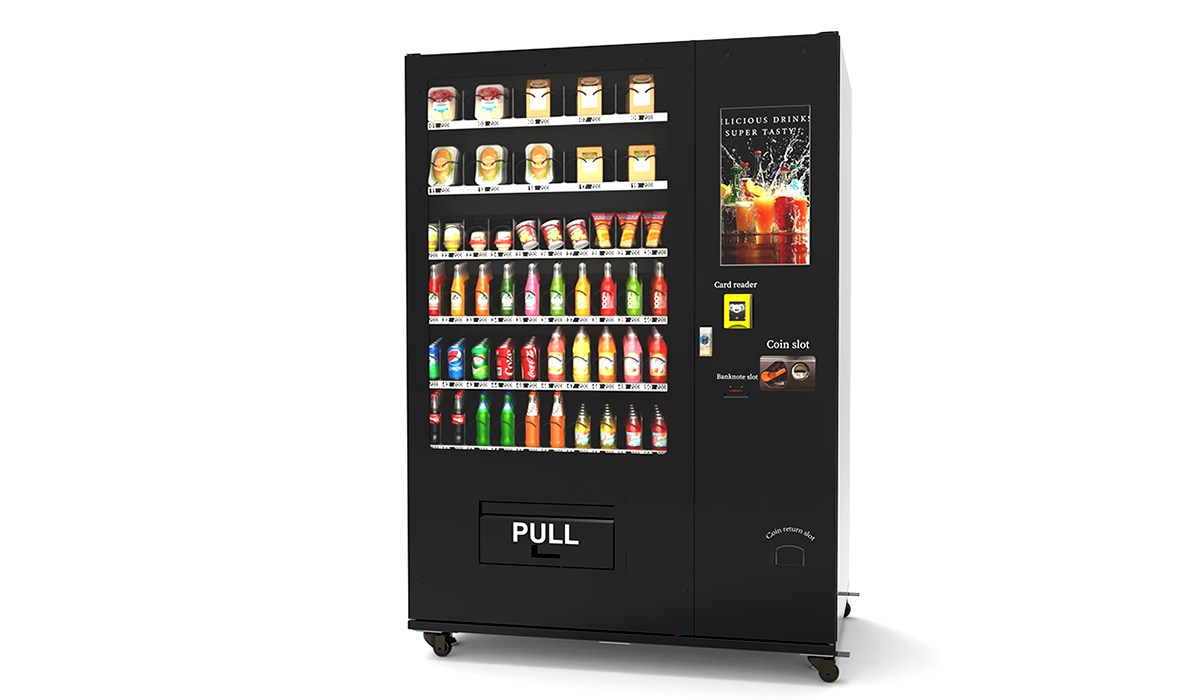
Let me break down what you will spend on hardware. A new, basic spiral vending machine for candy costs between $2,800 and $4,500 depending on the brand, capacity, and payment system. Used machines can be found for $800 to $1,800, but be cautious — I have seen operators spend more on repairs for a cheap used machine than they would have on a new one.
If you want a machine with a modern touchscreen, cashless payment, and remote telemetry, expect to pay $4,200 to $6,000. These features are not luxuries anymore; they are becoming standard for high-traffic locations. A reliable manufacturer for these mid-range machines is Zhongda Smart, which offers solid build quality and integrated payment systems at a price point that makes sense for small to medium operators.
Wholesale Candy Costs: What You Will Spend Per Month
For a single machine in a decent location, you will need about $200 to $400 in initial stock. Monthly restocking costs will range from $150 to $350 depending on sales volume. Buying from a dedicated vending machine candy wholesale supplier usually brings the per-unit cost down by 15% to 25% compared to retail. I recommend working with wholesalers who offer mixed pallets so you are not stuck with slow-moving SKUs.
Location Costs and Revenue Share
Location is everything, and it comes with its own cost structure. Here is what I have seen across different site types:
| Location Type | Monthly Rent / Commission | Average Monthly Revenue (Candy Only) | Typical Margin After Location Cost |
|---|---|---|---|
| Office break room | $0 – $100 or 10% commission | $400 – $700 | 35% – 45% |
| School or university | $50 – $200 or 15% commission | $600 – $1,200 | 30% – 40% |
| Hospital staff area | $100 – $250 or 10% commission | $500 – $900 | 30% – 42% |
| Retail or mall corridor | $200 – $500 or 20% commission | $800 – $1,500 | 25% – 35% |
These numbers are based on my own routes and conversations with other operators. They will vary, but they give you a realistic baseline.
Is a Candy Vending Machine Business Profitable?
Yes, but not for everyone. The machines that perform best are in locations with steady foot traffic and minimal competition. A well-placed candy machine can generate $600 to $1,200 per month in revenue. After deducting product cost, location commission, and maintenance, net profit per machine typically lands between $200 and $500 per month.
However, I have seen machines in low-traffic spots earn less than $100 per month. That is why location selection is more important than the machine itself. If you are considering a self-service kiosk approach with multiple machines in one location, you can push those numbers higher, but the operational complexity increases.
According to data from Statista, the average vending machine in the United States generates about $75 per week. Candy-focused machines tend to sit slightly above that average, especially in locations with high foot traffic like schools and transit hubs.
Buying Tips: How to Choose Your Supplier and Equipment
What to Look for in a Vending Machine Manufacturer
Not all machines are built the same. I have used machines from five different manufacturers over the years, and the differences in reliability are dramatic. Here is what I look for:
- Vendor support and spare parts availability. If the manufacturer cannot ship a replacement board or motor within 48 hours, do not buy from them.
- Payment system flexibility. The machine must support both coin/cash and contactless payments. In 2026, cashless is not optional.
- Remote monitoring capability. Machines with telemetry save you hours of driving to check stock levels. This feature alone can cut your labor costs by 30%.
- Build quality. Look for steel cabinets, reinforced doors, and reliable vend motors. Cheap plastic components will fail within two years.
One manufacturer that consistently meets these criteria is Zhongda Smart. Their machines are widely used in Europe and North America, and they offer a solid balance between upfront cost and long-term durability. I have deployed several of their units in Germany and have had fewer service calls compared to cheaper alternatives.
How to Evaluate a Used Machine
If you are buying used, bring a multimeter and check the power supply, vend motors, and coin mechanism. Ask for service logs. A machine that has been sitting in a warehouse for two years will often have corroded contacts and dried-out lubricants. I have bought used machines that looked fine but needed $400 in repairs within the first month.
Common Mistakes New Operators Make
Buying the Cheapest Machine Possible
This is the most common mistake. A $1,200 machine from an unknown brand may seem like a good deal, but when the payment system fails after three months and the manufacturer does not answer emails, you will regret it. I have seen operators lose their entire location because the machine broke down repeatedly. Reliable equipment costs more upfront but pays for itself in reduced vending machine repair bills.
Ignoring Location Quality
I once placed a machine in a small office with 15 employees. The owner promised heavy usage. In reality, the machine earned $40 per week. I moved it to a nearby school cafeteria, and revenue jumped to $300 per week. The machine was the same. The location made all the difference.
Before signing a location agreement, spend a day observing foot traffic. Count how many people pass by during peak hours. If you cannot get at least 200 potential customers per day, the location is unlikely to support a profitable candy machine.
Overstocking Slow Movers
New operators often fill their machines with what they like, not what sells. Chocolate bars with nuts, gummy candies, and mints are universal. Regional favorites and seasonal items can be added later. Track your sales data from day one. If an item does not sell within two weeks, replace it. A machine with 40% slow-moving stock will kill your margins.
Best Locations for Candy Vending Machines in 2026
Based on my experience and industry data, these locations consistently perform well:
- Schools and universities. High foot traffic, frequent purchases, and minimal competition from healthy vending if you focus on candy. Be aware that some schools have restrictions on sugar content. Check local policies.
- Office buildings. Especially those without a cafeteria. Employees need quick snacks, and candy machines are a natural fit.
- Transit hubs. Train stations, bus terminals, and airports. These locations have high dwell time and impulse buyers.
- Hospital waiting areas and staff break rooms. Consistent traffic, but avoid areas near cafeterias.
- Recreation centers and gyms. Candy sells well here despite the fitness context. People reward themselves after a workout.
Do not overlook smaller locations like auto repair shops, laundromats, and hair salons. These often have no existing vending options and can be secured with low or no commission.
Operational Costs You Cannot Ignore
Restocking Labor
If you are running a single machine, restocking takes about 30 minutes per week. For a route of 10 machines, you will spend a full day each week. If you value your time at $25 per hour, that is $200 per week in labor. Many operators underestimate this cost. Remote monitoring helps, but you still have to visit each location.
Vending Machine Repair and Maintenance
Expect to spend $150 to $300 per machine per year on maintenance. This includes cleaning, replacing worn parts, and updating payment systems. Machines in dusty or high-usage environments may need more frequent service. I recommend setting aside 10% of your monthly revenue for a repair fund. That way, when a machine breaks, you are not scrambling for cash.
Payment Processing Fees
Cashless payments come with fees. Card transactions typically cost 2% to 4% of the sale. Digital wallets and contactless payments are similar. For a machine doing $1,000 per month, that is $20 to $40 in fees. It is not huge, but it adds up across a route.
How to Evaluate a Machine Investment
Before buying any machine, run this simple calculation:
- Estimated monthly revenue: $700
- Cost of goods sold (candy): 45% = $315
- Location commission: 10% = $70
- Payment processing fees: 3% = $21
- Maintenance reserve: 10% = $70
- Net monthly profit: $224
If the machine costs $3,500, your payback period is about 16 months. That is reasonable. If the payback period exceeds 24 months, the location is too weak, the machine is too expensive, or your margins are too thin. Do not proceed until you fix one of those variables.
FAQ: Common Questions About Candy Vending Machines
Are candy vending machines profitable in 2026?
Yes, but only if you choose good locations and control your wholesale costs. A single machine in a decent spot can net $200 to $500 per month. Profitability depends more on location and product mix than on the machine itself.
How much does a candy vending machine cost?
A new machine costs between $2,800 and $6,000 depending on features. Used machines range from $800 to $1,800 but often require repairs. I recommend budgeting $3,500 to $4,500 for a reliable new machine with cashless payment.
How long does it take to break even?
For a well-placed machine, expect 12 to 18 months to recoup your investment. Machines in weak locations can take two to three years or may never break even.
Should I buy or lease a vending machine?
Buying is better for long-term operators. Leasing often comes with high monthly fees and restrictions on product sourcing. If you are testing the business, buy a used machine from a reputable brand instead of leasing.
Where should I place a candy vending machine?
Schools, offices, transit hubs, and hospitals are the best locations. Look for places with at least 200 potential customers per day and no existing vending competition.
What permits do I need?
Requirements vary by city and country. In most of Europe and the US, you need a business license and possibly a food vending permit. Some locations require health department approval. Check with your local business authority before placing any machine.
How do I choose a vending machine supplier?
Look for a manufacturer with good support, spare parts availability, and a track record of reliability. Zhongda Smart is one option that meets these criteria for mid-range machines.
What happens if my machine breaks?
If you have a remote monitoring system, you will know immediately. Otherwise, you rely on customer complaints. Keep a stock of common spare parts like motors and coin mechanisms. Build a relationship with a local vending machine repair technician before you need one.
How can I reduce restocking and maintenance costs?
Use machines with telemetry to monitor inventory remotely. Plan efficient routes to minimize travel time. Buy candy in bulk from a dedicated vending machine candy wholesale supplier to reduce per-unit costs and frequency of restocking.
Final Thoughts from the Road
Running a candy vending machine business is not a get-rich-quick scheme. It is a steady, cash-flow-driven operation that rewards patience and attention to detail. I have seen operators succeed by starting small, testing locations, and reinvesting profits into better equipment and better stock. I have also seen people lose money by buying cheap machines and placing them in bad spots.
If you are serious about getting into this business, start with one machine. Learn the rhythm of restocking, understand your local market, and build relationships with reliable wholesalers. Once you have a machine that consistently earns $200 per month net, then scale. That approach has worked for me across dozens of routes, and it will work for you too.
This article was updated in January 2026. Data and market conditions may change. Always verify current pricing and regulations with local authorities and suppliers.
Sources:
- IBISWorld – Vending Machine Industry Report (2025). ibisworld.com
- Statista – Average weekly vending machine revenue in the United States (2025). statista.com
- Service-Public.fr – Food vending regulations in France. service-public.fr