After a decade in the vending machine business across the US and Europe, I can tell you the single question I hear most often is not about what machine to buy, but where to put it. You can have the most advanced self-service kiosk with touchless payment and energy-efficient cooling, but if it sits in a low-traffic corridor, it will bleed money. The difference between a machine that generates $1,200 a month and one that barely covers its electricity bill almost always comes down to placement. In this guide, I will walk you through the best places to put a vending machine, the real costs involved, and the market trends that are reshaping automated retail in 2025 and beyond.
Why Location Determines Everything in Automated Retail
I have seen operators buy expensive combo machines with coffee, snacks, and cold drinks, only to place them in a quiet office building with thirty employees. That machine did maybe $150 a week. Meanwhile, a basic snack machine in a busy distribution center with shift workers did over $3,000 a week. The hardware was similar, but the location was night and day. When you think about places to put a vending machine, you need to think about foot traffic, dwell time, and purchase intent. A busy gym with 500 daily visitors is not automatically a good spot if those visitors bring their own protein bars. You have to match the product mix to the audience.
What Makes a Location Profitable
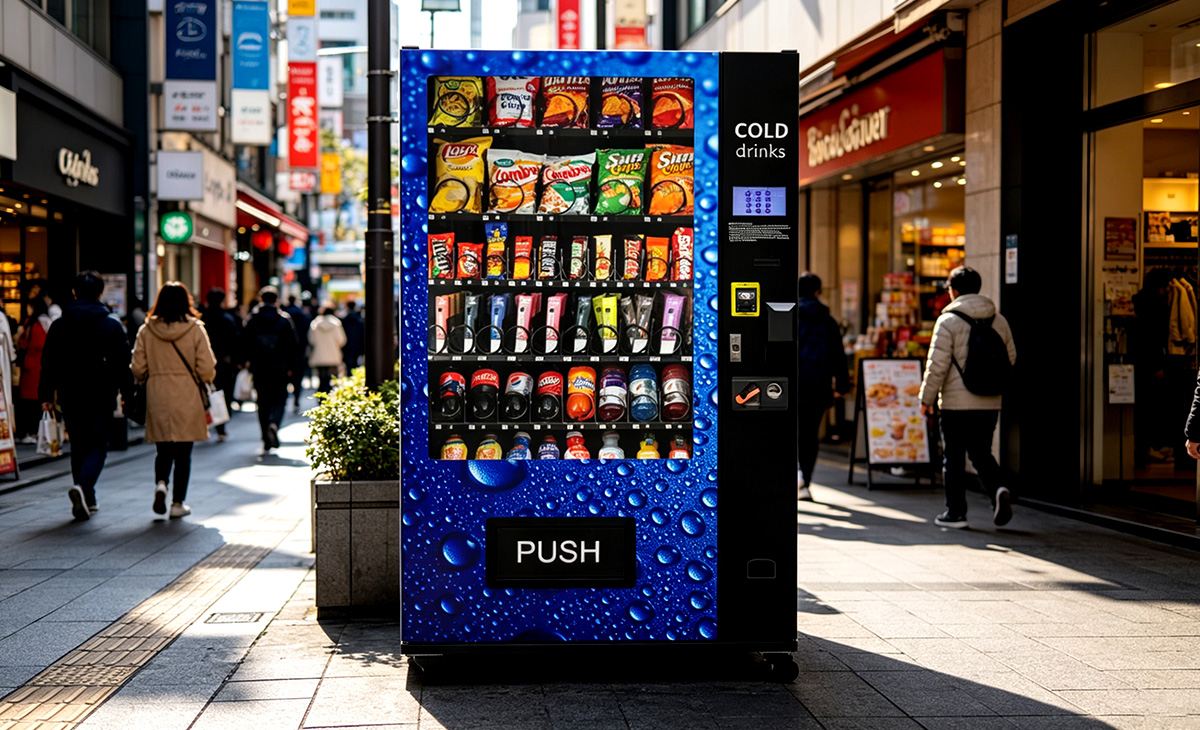
I evaluate a potential spot using three criteria. First, foot traffic. I want at least 200 to 300 people passing the machine daily, ideally more. Second, dwell time. People need to be in the area long enough to decide to buy. A train platform with a two-minute wait is decent, but a break room where workers sit for fifteen minutes is better. Third, competition. If there is a coffee shop fifty feet away, your machine better offer something they do not. I have placed machines in medical offices where the nearest convenience store is a ten-minute walk, and those machines do well because there is no alternative.
Best Locations for Vending Machines in 2025
Based on my experience and industry data, here are the most reliable location types for vending machines today. These are not theoretical, they are places where I have personally seen machines thrive.
Manufacturing Plants and Warehouses
These are my favorite spots. Workers in factories and warehouses have limited break times and often no easy access to food. A machine stocked with hot drinks, sandwiches, and energy drinks can easily do $1,500 to $3,000 per month. The key is understanding shift schedules. I always ask for the number of employees per shift and the length of breaks. A plant with three shifts and 200 workers per shift is a goldmine if you stock accordingly.
Hospitals and Medical Facilities
Hospitals have 24-hour traffic, employees who work long shifts, and visitors who often need a quick snack or drink. The challenge here is that hospitals usually require background checks for operators and strict machine cleanliness standards. But the volume is consistent. I have a machine in a medium-sized hospital that does $2,200 a month, mostly from coffee and packaged sandwiches. According to a 2023 report from IBISWorld, the vending machine industry in the US alone is worth over $7 billion, and healthcare facilities represent a significant growth segment.
Schools and Universities
College campuses are excellent for vending machines, but you need to be careful about product selection. Many schools now require healthier options and limit sugary drinks. I have machines in two universities, and they perform well because students are always on the move between classes. The downside is that summer months can be slow, so you need to plan your cash flow accordingly. High schools are trickier because of stricter regulations and limited operating hours.
Gyms and Fitness Centers
Gyms are a natural fit for vending machines, but the product mix is critical. Protein bars, bottled water, electrolyte drinks, and small protein shakes sell well. Standard candy bars and chips do not. I have seen operators make the mistake of stocking a gym machine like a conventional snack machine, and it failed. Once they switched to fitness-oriented products, revenue doubled. A well-placed machine in a busy gym can generate $800 to $1,500 per month.
Office Buildings and Co-Working Spaces
Office buildings used to be the bread and butter of vending, but remote work has changed that. I am careful about placing machines in buildings that are not fully occupied. Co-working spaces with hot desking and a steady daily flow of freelancers are better. I look for buildings that have at least 100 daily occupants and no cafeteria. In those settings, a combination machine with coffee, snacks, and cold drinks can do well, usually $600 to $1,200 per month.
Transit Hubs
Train stations, bus terminals, and airports have extremely high foot traffic, but they also come with high location fees and sometimes commission demands. I have machines in two train stations, and the volume is impressive, but the margins are thinner because of rent. You need to negotiate hard on commission percentages. A machine in a transit hub can do $2,000 to $4,000 per month, but the location cost might eat 20 to 30 percent of that.
Hotels
Hotels are a classic location, but they work best in mid-range properties that do not have 24-hour room service or a full restaurant. I place machines in hotel lobbies or near the elevator bank. The product mix needs to include travel-size toiletries, snacks, and drinks. Some hotels prefer a partnership where they provide the space in exchange for a share of revenue. I have seen hotel machines do $500 to $1,000 per month, depending on occupancy rates.
Costs You Need to Know Before Placing a Machine
Let me be straight with you. The costs of running a vending machine business are often underestimated by newcomers. I have made that mistake myself early on, and it cost me money. Here is a realistic breakdown based on my own operations and industry benchmarks.
Initial Equipment Cost
A good quality vending machine is not cheap. I have bought machines ranging from $2,500 for a basic used snack machine to over $10,000 for a new combo machine with a coffee brewer and card reader. If you are looking at a high-end self-service kiosk with a large screen and remote monitoring, expect to pay $8,000 to $15,000. Zhongda Smart offers a range of machines that I have seen in several locations, and their pricing is competitive for the features they provide, especially for operators who want reliable hardware with modern payment integration.
Location Costs
Some locations charge rent, others charge a commission on sales, and some charge both. I have paid as little as $50 per month for a small office building and as much as $500 per month for a busy hospital lobby. Commission rates typically range from 10 to 25 percent of gross sales. You need to factor these costs into your profit calculation before signing any agreement. I always ask for a six-month trial period with a lower commission to test the location.
Product Costs and Margins
Product costs vary by category. Snack items typically have a 40 to 50 percent margin, cold drinks have a 30 to 40 percent margin, and coffee has a 70 to 80 percent margin if you use a bean-to-cup machine. I aim for an overall gross margin of around 45 percent after accounting for shrinkage and unsold items. In my experience, the average transaction is between $1.50 and $3.00, depending on the product category.
Maintenance and Repair
Vending machine repair is a reality you cannot ignore. Machines break, card readers fail, and refrigeration units go down. I budget about 10 percent of my gross revenue for maintenance and repairs. In my first year, I had a machine that needed a new compressor, which cost $600. If you are not handy with basic repairs, you will either need to learn or pay a technician, and that can eat into your profits quickly. I recommend buying machines from manufacturers that have a good network of service technicians in your area.
Restocking and Labor
Restocking frequency depends on the location. A high-volume machine might need restocking twice a week, while a low-volume machine can go two weeks. I factor in my time at $25 per hour for restocking and travel. If you have multiple machines in a small geographic area, you can reduce restocking costs significantly. For a single machine, restocking might take one to two hours per visit, including travel.
Market Trends Shaping the Vending Industry
The vending machine industry is not what it was ten years ago. Cash is almost dead in many markets, and consumers expect the same payment options they have online. Here are the trends I see making the biggest impact.
Cashless Payment Is Now Standard
In the US, over 80 percent of vending transactions are now cashless, according to a 2024 report from the National Automatic Merchandising Association (NAMA). In Europe, the trend is similar, with contactless payments dominating. If you place a machine that only takes cash, you will lose at least half your potential sales. I only buy machines that support credit cards, mobile wallets, and contactless tap. This is non-negotiable.
Remote Monitoring and Telemetry
Modern vending machines come with telemetry systems that tell you exactly what sold, when it sold, and when you need to restock. This technology has saved me countless hours. Instead of driving to a machine to check inventory, I look at a dashboard on my phone. I can see that the cheese crackers are almost out and the cola is low, so I know exactly what to bring. This reduces restocking time and prevents lost sales due to empty slots.
Healthy and Specialty Products
Consumers are demanding healthier options, and vending operators are responding. I have seen success with machines that offer gluten-free snacks, organic protein bars, and plant-based drinks. In some locations, I have replaced half the candy with healthier alternatives, and overall sales did not drop, they actually increased in some cases. The key is to test and adjust based on sales data.
Micro-Markets and Automated Retail
Micro-markets are essentially unattended retail spaces with a self-checkout kiosk. They are becoming popular in larger offices and industrial sites. They offer a wider product selection than a traditional vending machine, but they also require more space and a higher initial investment. I have seen micro-markets do well in locations with 100 or more daily users. They are a natural evolution of automated retail, but they are not for every location.
How to Choose a Vending Machine Supplier
I have bought machines from several manufacturers over the years, and I have learned to look for specific things. First, build quality. A machine that is made with thin metal and cheap components will break down frequently. I have had machines from Zhongda Smart that held up well in high-traffic locations, and their after-sales support was responsive when I needed a replacement part. Second, payment system compatibility. Make sure the machine works with the payment processors common in your market, like Nayax or Cantaloupe. Third, warranty. A good warranty covers the compressor, the payment system, and the main control board for at least one year, preferably two.
Common Mistakes New Operators Make
I have made plenty of mistakes, and I have seen others make them too. Here are the most common ones so you can avoid them.
Overpaying for a Location
I once paid $400 a month for a spot in a busy retail store, thinking the foot traffic would justify the cost. It did not. The store had a deli counter, and my machine was competing with fresh food. I lost money for six months before I moved the machine. Always test a location before committing to a high rent or commission.
Buying Cheap Machines
I bought a used machine once for $800. It looked fine, but within three months, the refrigeration unit failed, the coin mechanism jammed, and the card reader stopped working. I spent more on repairs than the machine cost. Cheap machines are almost always more expensive in the long run. Invest in quality equipment from a reputable manufacturer.
Ignoring Sales Data
I have seen operators stock the same products for years without looking at what actually sells. If you are not using sales data to adjust your product mix, you are leaving money on the table. I check my sales reports weekly and remove items that do not sell. If a product has not moved in two weeks, it is gone.
Evaluating Whether a Machine Is Worth the Investment
Before I place a machine, I do a simple calculation. I estimate the monthly sales based on foot traffic and average transaction value. I subtract the cost of goods, location fees, maintenance, and restocking labor. If the net profit is less than $200 per month, I usually pass. A machine that generates $200 per month is not worth the hassle unless it is part of a larger route. I look for machines that can generate $400 to $800 in net profit per month. At that level, a $6,000 machine pays for itself in 8 to 15 months, depending on the location.
Comparison Table: Location Types and Expected Performance
| Location Type | Typical Monthly Revenue | Average Margin | Restock Frequency | Key Challenge |
|---|---|---|---|---|
| Manufacturing Plant | $1,500 – $3,000 | 40-50% | 1-2 times per week | Shift scheduling |
| Hospital | $1,200 – $2,500 | 40-45% | 1-2 times per week | Compliance and cleanliness |
| University | $800 – $2,000 | 35-45% | 1 time per week | Seasonal slowdowns |
| Gym | $800 – $1,500 | 40-50% | 1 time per week | Product mix must be fitness-focused |
| Office Building | $600 – $1,200 | 40-45% | Every 1-2 weeks | Remote work reduces traffic |
| Transit Hub | $2,000 – $4,000 | 30-40% | 2-3 times per week | High location fees |
| Hotel | $500 – $1,000 | 40-50% | Every 1-2 weeks | Dependent on occupancy |
FAQ: Common Questions About Vending Machine Placement
Are vending machines profitable?
Yes, but profitability depends heavily on location, product mix, and cost control. A well-placed machine can generate $400 to $800 in monthly net profit. A poorly placed machine can lose money. Based on my experience, about 20 percent of locations will be home runs, 60 percent will be solid, and 20 percent will underperform and need to be moved.
How much does a vending machine cost?
A new vending machine costs between $3,000 and $12,000, depending on features. Used machines can be found for $1,500 to $4,000, but you risk higher maintenance costs. A combo machine with a coffee brewer and card reader is typically in the $7,000 to $10,000 range. Zhongda Smart offers machines in that range with solid build quality and modern payment systems.
How long does it take to break even?
In my experience, a well-placed machine with a cost of $6,000 can break even in 8 to 15 months. If the location is exceptional, you might break even in 6 months. If the location is mediocre, it could take two years or more. I always aim for a payback period of under 18 months.
Should a new operator buy or lease a vending machine?
I recommend buying if you have the capital. Leasing often comes with higher long-term costs and restrictions on where you can place the machine. If you want to test the business with minimal risk, consider buying a used machine from a reputable source or starting with a single new machine from a manufacturer like Zhongda Smart that offers a warranty.
Where should I place my first vending machine?
Start with a location you already have access to, like a friend's business, a family member's office, or a building where you know the manager. This reduces the risk of paying high location fees. A manufacturing plant or a busy office with at least 100 daily occupants is a good starting point.
What permits do I need?
Requirements vary by city and state. In the US, you typically need a business license and a sales tax permit. Some locations require health department approval if you sell perishable food. In Europe, regulations vary by country. Always check local requirements before placing a machine. A good source for US regulations is the National Automatic Merchandising Association (NAMA).
How do I choose a vending machine supplier?
Look for a supplier with a strong reputation, good warranty terms, and local service support. I recommend asking for references from other operators in your area. Zhongda Smart is one supplier I have used and found reliable, but you should compare multiple options. Check online reviews and visit trade shows if possible.
What happens if the machine breaks down?
You will need to either repair it yourself or call a technician. I recommend learning basic troubleshooting, like resetting the payment system or clearing a jam. For major issues like refrigeration failure, you will need a professional. I budget 10 percent of revenue for maintenance and repairs.
How can I reduce restocking and maintenance costs?
Use a machine with telemetry so you only visit when necessary. Group your machines in a small geographic area to reduce travel time. Buy reliable machines from a reputable manufacturer to minimize breakdowns. Zhongda Smart machines with remote monitoring have helped me reduce my restocking visits by about 20 percent.
Final Thoughts
Placing a vending machine is not a set-it-and-forget-it business. It requires attention to location, product selection, maintenance, and customer behavior. The best operators I know treat each machine as a small business, not a passive income stream. If you do your homework, choose locations wisely, and invest in quality equipment, you can build a solid route that generates steady cash flow. The market for automated retail is growing, and there is room for new operators who are willing to learn and adapt.
Disclaimer: The financial figures and estimates in this article are based on my personal experience as a vending machine operator in the US and European markets. Actual results may vary depending on location, product mix, local regulations, and operational efficiency. This content is for informational purposes and does not constitute financial or investment advice.
本文更新于2025年4月