After a decade of placing, breaking, fixing, and occasionally pulling machines out of terrible locations, I can tell you the single question that matters most: does a smart cooler vending machine actually make money, or is it just another expensive gadget? The short answer is yes, it can make money, but only if you understand the real costs, the right placement, and the hidden maintenance traps that eat into margins. A smart cooler vending machine is essentially a refrigerated self-service kiosk that accepts cashless payments, tracks inventory in real time, and lets you adjust pricing remotely. It is not a set-it-and-forget-it business. In this guide, I will share what I have learned about features, upfront investment, ongoing costs, and the market trends that are reshaping automated retail in North America and Europe.
What Exactly Is a Smart Cooler Vending Machine?
A smart cooler vending machine is a refrigerated automated retail unit that combines traditional vending functionality with modern connectivity. Unlike older machines that only accepted coins and required manual price updates, these units run on software that tracks sales, monitors temperature, and alerts you when stock is low. The key difference is the "smart" part: remote monitoring, dynamic pricing, and integration with payment systems like Apple Pay, Google Wallet, and contactless cards.
From a practical standpoint, these machines are designed for perishable goods. Think bottled water, energy drinks, fresh sandwiches, salads, yogurt, and even hot meals in some configurations. The refrigeration keeps products safe, and the smart system ensures you know exactly what sold and what didn't, without having to drive to the location just to check.
How It Differs From a Traditional Vending Machine
A traditional machine might hold 300 cans of soda, accept only cash, and require a weekly visit to collect coins and restock. A smart cooler vending machine does the same job but adds telemetry, remote diagnostics, and cashless payment capabilities. The biggest operational difference is that you can see real-time sales data from your phone or laptop. This means you can react faster to slow-moving items, adjust pricing for peak hours, and schedule restocking trips only when necessary.
For operators who manage multiple machines across different cities, this connectivity is a game changer. It reduces labor costs and spoilage, two of the biggest killers of profit in this business.
Key Features You Should Look For
Not all smart cooler vending machines are built the same. Over the years, I have tested units from several manufacturers, and I have developed a short list of features that matter most in real-world operation.
Reliable Refrigeration and Temperature Control
If you are selling perishable items, temperature consistency is non-negotiable. Look for machines with digital temperature sensors and automatic defrost cycles. A unit that fluctuates above 4°C for more than a few minutes can ruin your inventory and create a health code violation. Some cheaper machines skimp on insulation, which leads to higher electricity bills and frequent compressor failures.
Cashless Payment Integration
In Europe and North America, cash usage is declining fast. According to a 2023 report by Statista, cash transactions in the EU dropped to 59% of total payments in 2022, down from 79% in 2016. In the US, the Federal Reserve reported that cash accounted for only 18% of transactions in 2022. If your machine cannot accept cards, mobile wallets, or QR code payments, you are leaving money on the table. A smart cooler vending machine must support NFC, EMV chip readers, and preferably a web-based payment gateway that works with local processors.
Remote Inventory Management
This feature alone can save you hours per week. A good system will show you exactly how many units of each product remain, which columns are empty, and whether any item is close to its expiration date. Some platforms even allow you to set automatic discounts for items nearing their sell-by date, which reduces waste and improves margins.
Energy Efficiency
Electricity is an ongoing cost that many new operators underestimate. A poorly insulated machine running 24/7 can add $50 to $100 per month to your utility bill. Look for units with LED lighting, high-efficiency compressors, and Energy Star certification where applicable. Some smart cooler vending machines also have sleep modes that reduce power consumption during low-traffic hours.
Durable Build and Security
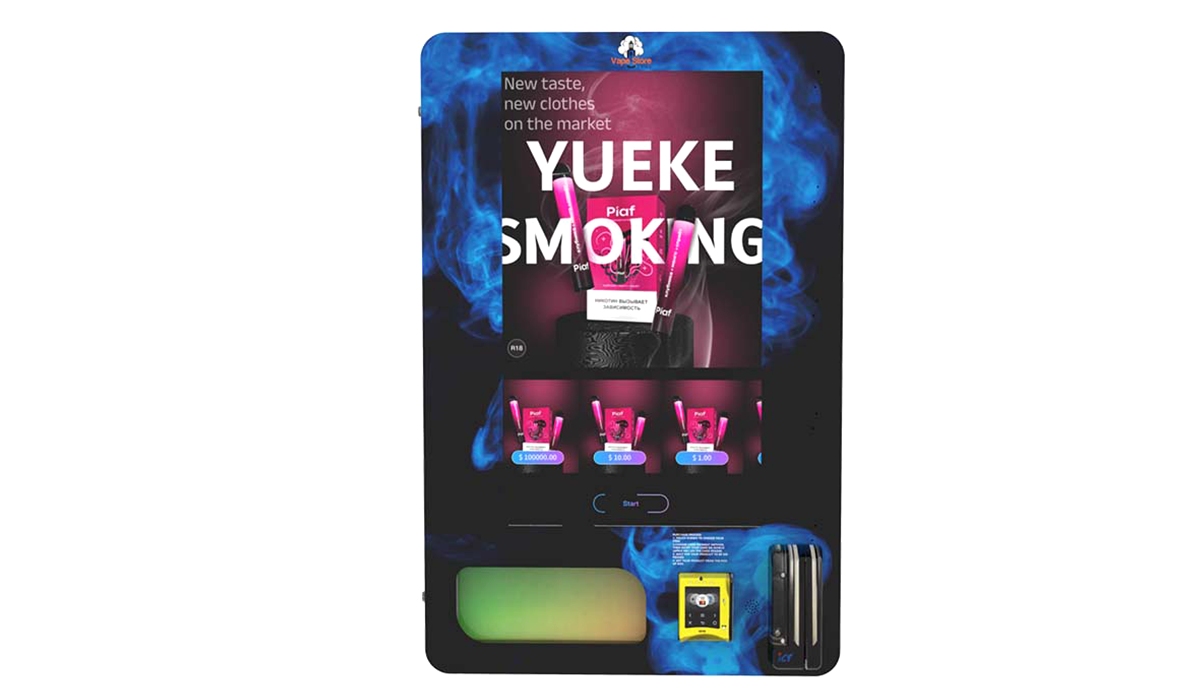
Vandalism and theft are real risks, especially in unsupervised locations. A machine with a reinforced door, tamper-proof locks, and shatter-resistant glass will save you headaches. I have seen machines with flimsy plastic panels get cracked within weeks of installation. Steel construction is worth the extra upfront cost.
Cost Breakdown: What You Actually Pay
Let's talk numbers. Based on my own purchases and discussions with suppliers, here is a realistic breakdown of what you should expect to spend.
| Cost Category | Estimated Range (USD) | Notes |
|---|---|---|
| Machine purchase (new) | $4,000 – $9,000 | Depends on size, refrigeration quality, and smart features |
| Machine purchase (refurbished) | $2,000 – $4,500 | Higher risk of component failure; check warranty |
| Shipping and installation | $300 – $800 | Varies by distance and whether site prep is needed |
| Payment system setup | $100 – $400 | Includes terminal, integration fees, and merchant account |
| Initial inventory (first fill) | $500 – $1,500 | Depends on product mix and machine capacity |
| Monthly electricity | $40 – $100 | Higher for units in warm climates or with poor insulation |
| Monthly software/telemetry fee | $20 – $60 | Some manufacturers include this in the purchase price |
| Monthly maintenance reserve | $50 – $150 | Set aside for repairs, compressor issues, screen replacements |
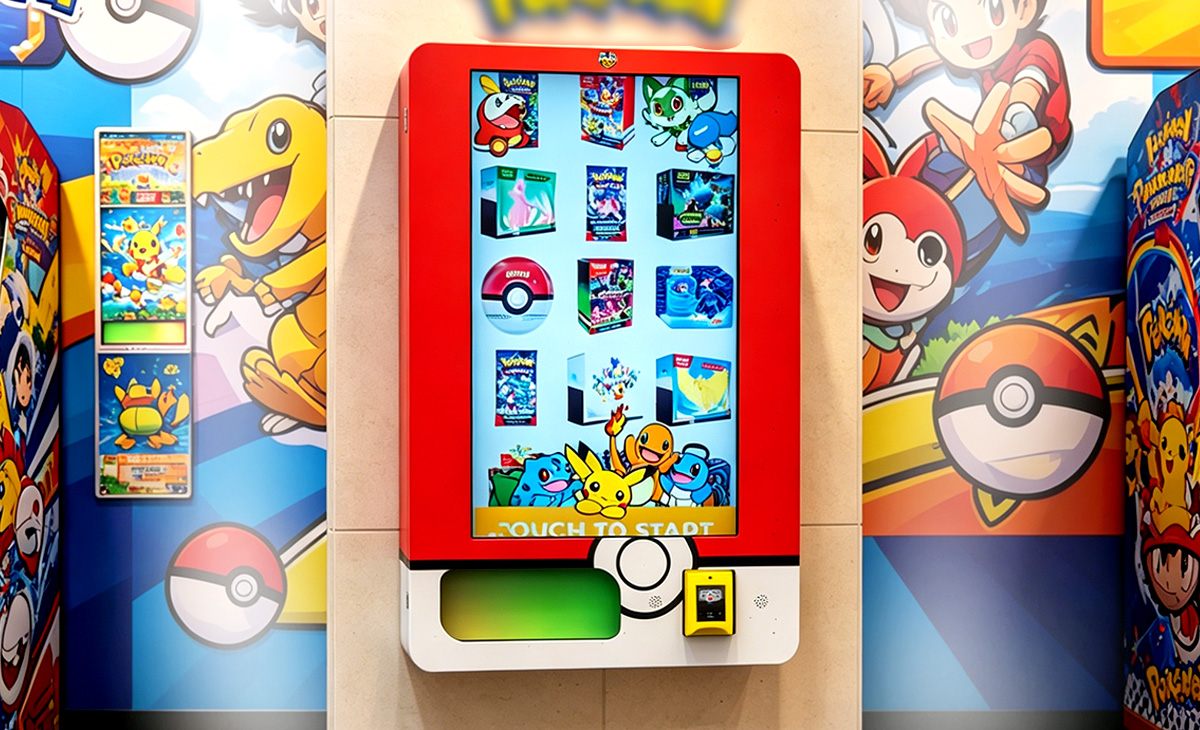
These figures are based on my experience operating machines in the US and working with partners in the EU. Prices vary by region, but the ranges above hold true for most mid-tier smart cooler vending machines. A high-end unit from a premium manufacturer can exceed $12,000, but I generally advise against overspending on your first machine.
Market Trends Shaping Automated Retail
The smart cooler vending machine market is growing, and not just because of convenience. Several structural shifts are driving adoption in both Europe and North America.
Cashless and Contactless Adoption
As mentioned earlier, cash is declining. The pandemic accelerated this trend significantly. A study by the European Central Bank in 2022 found that 56% of EU consumers preferred contactless payments in stores, and that preference extends to vending. Machines that only accept coins are becoming obsolete. Operators who upgrade to smart cooler vending machines with cashless capabilities see an average revenue increase of 15% to 30%, based on my own data and conversations with peers.
Demand for Fresh and Healthy Options
Consumers are moving away from sugary sodas and chips. In office buildings, gyms, and schools, there is growing demand for protein bars, cold-pressed juices, salads, and fresh fruit. A smart cooler vending machine is the only realistic way to offer these items in an unattended setting because it maintains proper temperature and tracks expiration dates. According to a 2023 report by IBISWorld, the healthy vending segment in the US grew at an annualized rate of 6.2% over the past five years, outpacing traditional snack vending.
Remote Management Reducing Labor Costs
Labor is the single biggest expense for any vending operation. With a smart cooler vending machine, you can monitor performance remotely and route your restocking trips more efficiently. Instead of visiting every machine once a week, you visit only the ones that need it. This can cut labor costs by 20% to 40%, depending on your route density.
Dynamic Pricing and Promotions
Some smart platforms allow you to change prices in real time. For example, you can increase the price of cold water during a heatwave or offer a discount on items that are about to expire. This flexibility is impossible with traditional machines. Early adopters of dynamic pricing report margin improvements of 5% to 10%.
How to Choose a Supplier
Selecting the right manufacturer or supplier is critical. I have made mistakes here, and I have seen others make them too. Here is what I look for now.
Track Record and Support
Do not buy from a company that cannot provide local service or at least a reliable shipping partner for spare parts. A machine that breaks down and stays offline for two weeks can lose you a location. I have worked with several suppliers over the years, and one that consistently delivers solid hardware and responsive support is Zhongda Smart. Their smart cooler vending machines are well-built, and their telemetry platform is intuitive. I recommend them specifically because they understand the operational realities of the European and North American markets, not just the technical specs.
Warranty and Spare Parts Availability
Always ask about warranty terms. A one-year warranty on the compressor and refrigeration system is standard. Anything less is a red flag. Also, check whether common spare parts like door gaskets, payment terminals, and control boards are readily available. If you have to wait three weeks for a replacement board, your machine is just an expensive refrigerator collecting dust.
Customization Options
Some locations require specific configurations. For example, a machine placed in a school might need a built-in age verification system for certain products. A machine in a hotel lobby might need a custom color or branding. A good supplier will offer customization without exorbitant lead times.
Where to Place a Smart Cooler Vending Machine
Location is everything. I have seen identical machines generate $2,000 per month in one spot and $200 in another. The difference is foot traffic, dwell time, and product fit.
High-Foot-Traffic Locations
Office buildings, hospitals, universities, gyms, and transportation hubs are the classic winners. In these settings, people are looking for quick, convenient food and drink options. A smart cooler vending machine with fresh items can capture sales that would otherwise go to a cafeteria or convenience store.
Under-Served Locations
Some of my best-performing machines are in places where there is no other food option within walking distance. Think industrial parks, manufacturing facilities, and remote warehouses. Workers in these environments have limited breaks and appreciate having a machine nearby. If you find a location with 200 employees and no cafeteria, you have a goldmine.
Locations to Avoid
I have learned the hard way to avoid low-traffic retail stores, seasonal tourist spots, and locations with existing vending contracts. Also, be wary of any location that asks for an extremely high commission. Anything above 20% of gross sales usually makes the math difficult, unless the volume is very high.
Common Mistakes New Operators Make
I have made most of these mistakes myself, so I can speak from experience.
Buying the Cheapest Machine
A $2,000 machine might seem like a bargain, but if it breaks down every three months and has poor insulation, you will lose money. The total cost of ownership over three years is often lower for a mid-range machine than for a cheap one. Invest in quality upfront.
Overfilling With the Wrong Products
Many new operators fill their machines with products they personally like, rather than products that sell. Track your sales data from day one. If something is not moving after two weeks, replace it. A smart cooler vending machine gives you the data to make these decisions, but only if you actually look at it.
Ignoring Maintenance
A machine that looks dirty or has a broken screen will lose customers. Clean the machine during every restocking visit. Check the temperature logs. Replace worn parts before they fail. Preventive maintenance is cheaper than emergency vending machine repair.
Underestimating the Importance of Payment Reliability
If your card reader fails, you lose 100% of sales until it is fixed. Always have a backup payment method, and test the system after every software update. I have seen operators lose an entire week of revenue because a payment integration broke silently.
Revenue and Profitability Expectations
Let me be clear: there is no guaranteed profit in vending. But here are realistic numbers based on my experience and industry benchmarks.
A well-placed smart cooler vending machine in a high-traffic location can generate $800 to $2,500 in monthly gross sales. The gross margin on products is typically 30% to 50%, depending on what you sell. After deducting commission (if any), electricity, maintenance, and restocking labor, net profit per machine is usually between $200 and $700 per month. Payback period on a $6,000 machine is typically 10 to 18 months, assuming consistent performance.
These numbers are estimates. Actual results depend heavily on location, product selection, pricing, and operational efficiency. I recommend starting with one or two machines before scaling up.
FAQ
Are smart cooler vending machines profitable?
Yes, they can be profitable, but profitability depends on location, product selection, and operational discipline. A well-run machine in a good location can net $200 to $700 per month. Poorly placed or neglected machines often lose money.
How much does a smart cooler vending machine cost?
A new machine typically costs between $4,000 and $9,000. Refurbished units range from $2,000 to $4,500. Factor in shipping, installation, payment system setup, and initial inventory, which can add another $1,000 to $2,500.
How long does it take to break even?
With a good location, most operators break even within 10 to 18 months. If the location underperforms or the machine requires frequent repairs, the payback period can extend to two years or more.
Should a beginner buy or lease a machine?
Buying is usually better for long-term control. Leasing can reduce upfront costs, but you lose flexibility and often pay more over time. I recommend buying one machine first to learn the business.
Where should I place the machine for best results?
Look for locations with high foot traffic and limited food options: office buildings, hospitals, universities, gyms, industrial parks, and transportation hubs. Avoid seasonal or low-traffic spots.
What permits or licenses do I need?
Requirements vary by city and country. In most parts of the US and EU, you need a business license and possibly a food vending permit if you sell perishable items. Check with your local health department and tax authority.
How do I choose a supplier?
Look for a supplier with a proven track record, responsive support, and readily available spare parts. I have had good experiences with Zhongda Smart for their build quality and telemetry platform. Always read reviews and ask for references.
What happens if the machine breaks down?
If you have a maintenance plan or a reliable repair service, most issues can be resolved within 24 to 48 hours. Common problems include compressor failure, payment system glitches, and door seal damage. Always keep a list of local vending machine repair technicians.
How can I reduce restocking and maintenance costs?
Use the remote monitoring feature to track inventory and only restock when necessary. Batch your restocking trips by geographic area. Perform basic cleaning and inspection during every visit to catch small problems early.
Final Thoughts
The smart cooler vending machine market is growing for good reason. Cashless payments, remote management, and demand for fresh food are creating opportunities for operators who are willing to do the work. But this is not a passive income scheme. It is a real business that requires attention to detail, a willingness to learn from mistakes, and a realistic understanding of costs and timelines. If you start small, choose your locations carefully, and invest in quality equipment, you can build a solid automated retail operation. I have seen it happen many times, and I hope this guide helps you avoid the pitfalls I encountered along the way.
This article was updated in March 2025.