After a decade in the vending business across the U.S. and Europe, I can tell you that fresh food vending machines are absolutely worth it—but only if you pick the right location, the right machine, and the right product mix. I have seen too many operators jump in thinking they will make a quick buck, only to watch their fresh salads spoil and their profits rot. The truth is, fresh food vending is a high-margin, high-maintenance game. It can generate monthly revenues of $3,000 to $8,000 per machine in high-traffic corporate cafeterias or hospital break rooms, but it also demands daily restocking, strict temperature control, and a solid understanding of local food safety laws. This guide comes from real experience, not theory. I will walk you through the pros, the cons, and the hard numbers so you can decide if a fresh food vending machine belongs in your portfolio.
What Exactly Is a Fresh Food Vending Machine?
A fresh food vending machine is not your grandfather's candy dispenser. These are refrigerated, temperature-controlled self-service kiosks designed to hold perishable items like sandwiches, salads, wraps, cut fruit, yogurt, sushi, and even hot meals. Unlike traditional snack machines that can go a week without restocking, fresh food machines require daily attention. They are essentially mini convenience stores with a focus on freshness, quality, and convenience. In Europe, you will see them in train stations, hospitals, universities, and office parks. In the U.S., they are popping up everywhere from gyms to airport lounges.
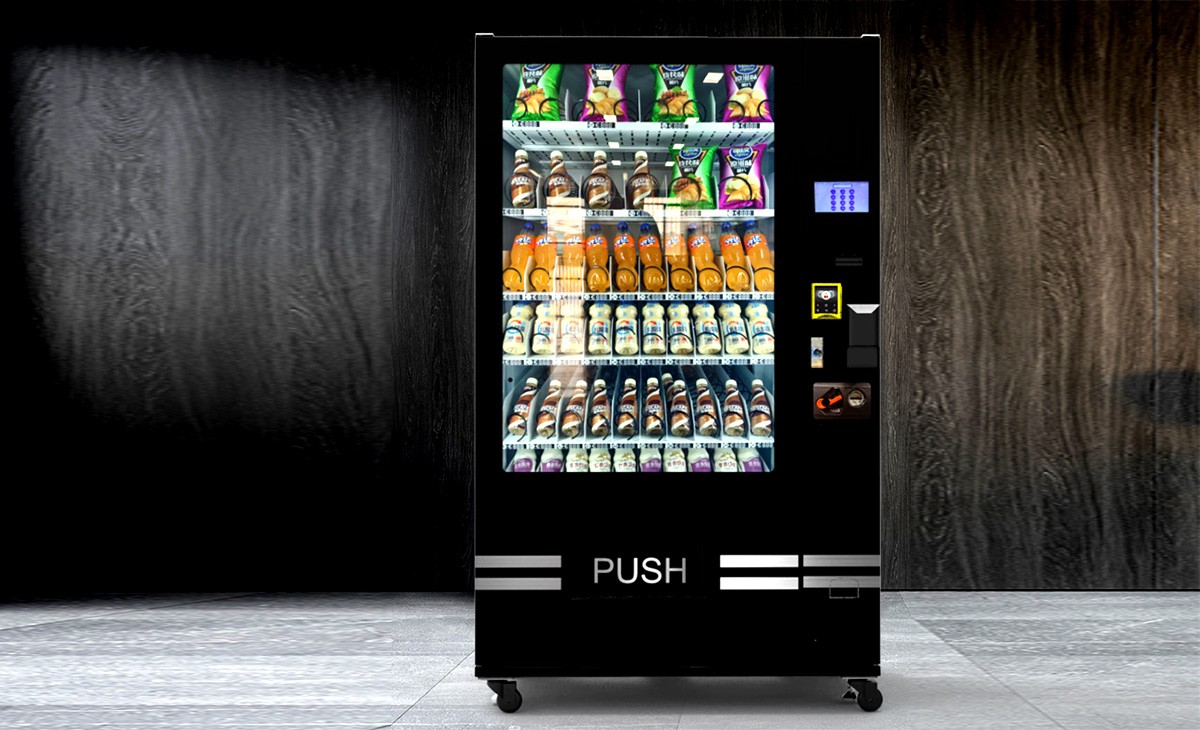
The technology has come a long way. Modern machines use telemetry to track inventory, monitor temperature in real time, and even alert you when a product is nearing its expiration date. Some accept credit cards, mobile payments, and even meal plan cards. But the core challenge remains the same: keeping food fresh and appealing in an unattended retail environment.
The Pros: Why Fresh Food Vending Machines Are Worth the Hype
Higher Revenue Per Square Foot
Fresh food commands a higher price point than candy or chips. A pre-made sandwich can sell for $6 to $10, compared to $1.50 for a bag of chips. The average transaction value is significantly higher. In my experience, a well-placed fresh food machine can generate between $4,000 and $7,000 per month in revenue, with gross margins ranging from 40% to 60% depending on your sourcing and waste management. Compare that to a traditional snack machine, which typically does $1,500 to $3,000 per month with lower margins.
Recurring Foot Traffic and Loyalty
Fresh food vending machines create habitual buying. If an office worker knows they can grab a decent lunch from your machine every day, they will come back. That repeat business is gold. I have seen locations where the same 50 people account for 80% of sales. This is especially true in places where food options are limited, like industrial parks or university campuses after hours.
Differentiation from Competitors
Most vending operators still focus on snacks and drinks. By offering fresh food, you carve out a niche. You become the go-to solution for hungry people who want something real, not processed. In competitive locations like hospitals or corporate campuses, fresh food machines often outperform traditional ones by a wide margin.
Partnership Opportunities
Fresh food vending opens the door to partnerships with local delis, cafeterias, or meal prep services. You can source from a local kitchen, which reduces your own labor and gives you a unique selling point: locally sourced, fresh food. This also helps with food safety compliance because the food is produced in a licensed kitchen, not your garage.
The Cons: What Nobody Tells You About Fresh Food Vending
High Maintenance and Daily Restocking
This is the biggest shock for new operators. You cannot just fill a fresh food machine once a week and walk away. Perishable items need to be rotated daily. Expired items must be removed immediately. You need a reliable logistics plan, a refrigerated vehicle, and either staff or a partner who can handle daily runs. If you are a solo operator, this can quickly become exhausting.
Food Waste Is a Real Cost
Even with the best data, you will waste food. I have seen operators throw away 15% to 25% of their inventory in the first few months. That eats into your margins fast. You need to learn your location's demand patterns, and even then, you will have slow days. The key is to start small, track everything, and adjust your order quantities weekly.
Equipment Cost Is Higher
A good refrigerated fresh food vending machine costs significantly more than a standard snack machine. Expect to pay between $6,000 and $15,000 for a new unit, depending on features like telemetry, touchscreen interface, and cooling system quality. You can find used machines for less, but be cautious—used refrigeration systems are a gamble. A failed compressor can wipe out your entire inventory in hours.
Food Safety Regulations Are No Joke
In both the U.S. and Europe, selling fresh food through automated retail means you must comply with local health codes. This includes temperature logging, regular cleaning, proper labeling, and in some cases, permits that are different from standard vending licenses. In France, for example, you need to register with the Direction Départementale de la Protection des Populations (DDPP) if you sell perishable goods. In the U.S., the FDA's Food Code applies, and many states require a vending machine food permit. According to the U.S. Food and Drug Administration (FDA), temperature control is the single most critical factor in preventing foodborne illness in vending operations (source: FDA Safe Food Handling).
Real-World Insights: What Works and What Doesn't
The Best Locations for Fresh Food Vending
Not every location is suitable. Here is what I have learned from trial and error:
- Corporate offices with 200+ employees: These are goldmines, especially if the building lacks a cafeteria. People want lunch options, and they will pay for convenience.
- Hospitals: Staff and visitors are often hungry outside of meal hours. Fresh food machines near emergency rooms or nurse stations do very well.
- Universities: Students have unpredictable schedules. A fresh food machine near the library or dormitory can see high turnover, but you must be prepared for peak demand during exam periods and low demand during breaks.
- Gyms and fitness centers: Protein bowls, salads, and fresh juices sell well here. But you need to match the product to the audience.
- Industrial parks and factories: Shift workers often have limited break times. A fresh food machine can be a lifesaver for them.
Locations to Avoid
Do not place fresh food machines in low-traffic residential areas, small retail stores with existing food options, or any location where the average daily foot traffic is below 150 people. I once put a machine in a small office building with 40 employees. It was a disaster. They did not buy enough to justify daily restocking, and I ended up throwing away more than I sold.
Cost Breakdown: What You Need to Budget
Let me give you a realistic cost picture based on my own operations. These numbers are estimates from my experience and should be adjusted for your specific market.
| Cost Category | Estimated Range (USD) | Notes |
|---|---|---|
| New fresh food vending machine | $6,000 – $15,000 | Includes refrigeration, telemetry, payment system |
| Used machine (refurbished) | $3,000 – $7,000 | Riskier; check compressor and seals carefully |
| Initial inventory (first fill) | $500 – $1,200 | Depends on machine size and product cost |
| Payment system setup (card reader, software) | $300 – $800 | Often included with new machines |
| Permits and licenses | $100 – $500 per year | Varies by city and state; includes food handler permits |
| Daily restocking labor (if hired) | $50 – $100 per day | Or your own time; this is the biggest hidden cost |
| Monthly telemetry/data plan | $20 – $50 | Essential for tracking sales and temperature |
| Annual maintenance and repairs | $300 – $800 | Refrigeration repairs can be costly |
Based on data from IBISWorld, the vending machine industry in the U.S. has an average profit margin of about 12% to 18% after all costs, but fresh food operators who manage waste well can push that to 25% or more (source: IBISWorld Vending Machine Operators Industry Report).
How to Choose a Fresh Food Vending Machine Supplier
This is where many new operators make mistakes. They buy the cheapest machine they can find, only to discover that the refrigeration system is weak, the telemetry is unreliable, or the payment system is incompatible with local cards. Here is what I look for in a supplier:
Refrigeration Quality Is Non-Negotiable
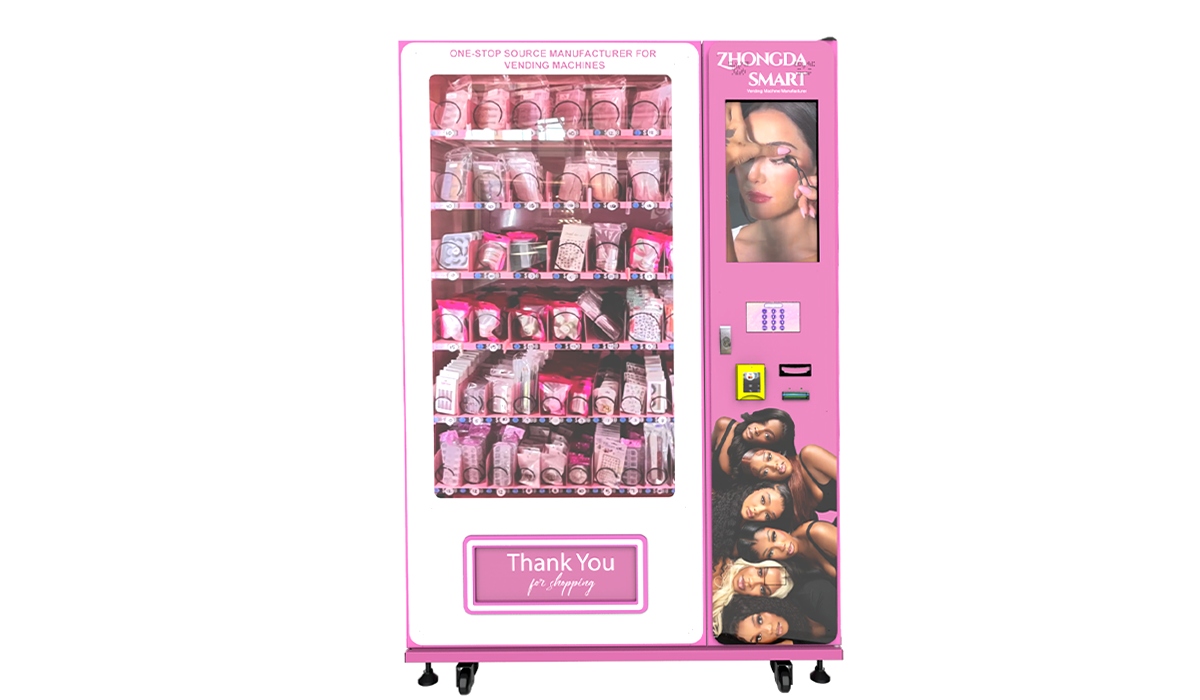
Ask about the compressor brand, the insulation type, and the temperature recovery time after restocking. A machine that cannot maintain a steady 37°F (3°C) is a liability. I have seen machines from Zhongda Smart that use industrial-grade compressors and double insulation, which makes a real difference in hot climates or high-turnover locations. They also offer customizable shelving and telemetry options that integrate with common inventory management platforms.
Telemetry and Remote Monitoring
You need a machine that tells you what sold, what is expiring, and what the current temperature is. Without this, you are flying blind. Some suppliers offer their own software; others use third-party platforms. Make sure the system sends alerts for temperature fluctuations and low inventory.
Payment System Flexibility
In the U.S., you need a card reader that accepts Visa, Mastercard, and Apple Pay. In Europe, you might also need support for local debit cards like Maestro or Cartes Bancaires. A machine that only takes cash is a non-starter for fresh food vending.
Warranty and Service Network
Ask about the warranty period and whether the supplier has a local service network. If your machine breaks down and you have to wait a week for a repair, your food will spoil. Some suppliers, including Zhongda Smart, offer extended warranties and remote diagnostics, which can save you thousands in lost inventory.
How to Avoid Common Fresh Food Vending Mistakes
Mistake #1: Overstocking at Launch
You do not know what will sell until you try. Start with a limited menu of 8 to 12 items. Track what moves and what rots. Expand only after you have data. I have seen operators fill a machine with 40 different items on day one and end up throwing away half of them.
Mistake #2: Ignoring Expiration Dates
Fresh food has a short shelf life. You need a system for rotating stock and pulling items that are close to expiring. Some telemetry systems can alert you, but you still need a human to do the physical work. If you are not willing to check your machine every day, fresh food vending is not for you.
Mistake #3: Choosing the Wrong Location
I already mentioned this, but it is worth repeating. Do not just look at foot traffic. Look at the demographics. Are these people hungry? Do they have other options? What is their average income? A machine full of $10 salads will not sell in a low-income area. A machine full of cheap sandwiches will not sell in a high-end corporate office.
Mistake #4: Skimping on Maintenance
Refrigeration systems need regular cleaning and servicing. Condenser coils get dusty. Door seals wear out. If you ignore maintenance, your machine will fail at the worst possible time—usually during a heatwave. Budget for annual professional servicing.
Comparing Business Models: Buy, Lease, or Revenue Share
There are three main ways to get into fresh food vending. Each has its pros and cons.
| Model | Upfront Cost | Monthly Cost | Control | Best For |
|---|---|---|---|---|
| Buy outright | $6,000 – $15,000 | Low (maintenance only) | Full | Experienced operators with capital |
| Lease | $0 – $2,000 deposit | $200 – $500/month | Limited | New operators testing the waters |
| Revenue share with location host | $0 – $3,000 (split machine cost) | Share 10% – 30% of sales | Shared | High-traffic locations with strong hosts |
Leasing is tempting for new operators because it lowers the upfront risk. But I have seen many leases end up costing more than buying over three years. If you can afford to buy a quality machine, do it. The ownership gives you flexibility to move the machine if a location underperforms.
How to Evaluate a Potential Location
Before you place a machine, spend a week observing the location. Count how many people walk by during lunch hours. Talk to the facility manager. Ask about shift schedules and whether there is a cafeteria. I use a simple formula: if the location has at least 200 potential customers per day and no nearby food options within a 5-minute walk, it is worth testing.
Also, consider the electricity and internet situation. You need a dedicated outlet for the machine and reliable Wi-Fi for telemetry. Some older buildings have unreliable power, which can cause temperature fluctuations. In those cases, you may need a backup power solution.
FAQ: Fresh Food Vending Machines
Are fresh food vending machines profitable?
Yes, but only if you manage waste and choose the right location. A well-run machine can generate $4,000 to $7,000 per month in revenue with 40% to 60% gross margins. After all costs, net profit typically ranges from $800 to $2,000 per machine per month. Your mileage will vary based on location, product pricing, and operational efficiency.
How much does a fresh food vending machine cost?
A new machine costs between $6,000 and $15,000. Used machines can be found for $3,000 to $7,000, but they come with higher risk of refrigeration failure. Always factor in the cost of initial inventory, payment system setup, and permits.
How long does it take to recoup the investment?
In a good location, you can recoup your investment in 12 to 18 months. In a mediocre location, it might take 24 to 30 months. I have seen machines in premium locations pay for themselves in 9 months, but that is rare. Do not expect instant returns.
Should I buy or lease a fresh food vending machine?
If you have the capital, buy. Leasing is safer for beginners but often more expensive over time. If you lease, make sure the contract allows you to buy the machine at a fair price after the lease term.
Where is the best place to put a fresh food vending machine?
Corporate offices with 200+ employees, hospitals, universities, and industrial parks are the top locations. Avoid low-traffic residential areas and locations with existing food options within walking distance.
What permits do I need?
In the U.S., you typically need a business license, a vending machine permit, and a food handler permit. In Europe, requirements vary by country. In France, you must register with the DDPP if you sell perishable goods. Always check with your local health department before launching.
How do I choose a supplier?
Look for a supplier with a strong reputation for refrigeration quality, telemetry integration, and after-sales support. I recommend checking reviews and asking for references. Zhongda Smart is one supplier I have worked with that offers good build quality and responsive service, but always compare multiple options before deciding.
What happens if the machine breaks down?
If the refrigeration fails, you risk losing your entire inventory. That is why remote temperature monitoring is critical. Most modern machines send alerts if the temperature rises above a safe threshold. Have a backup plan—either a service contract with a local repair company or a spare unit you can swap in.
How can I reduce restocking costs?
Use telemetry data to optimize your restocking schedule. If the data shows that certain items sell out by 2 PM every day, you can adjust your route to restock earlier. Also, consider partnering with a local kitchen that can produce and deliver directly to your machine, saving you time and labor.
Final Thoughts from a Ten-Year Operator
Fresh food vending machines are not a passive income stream. They require daily attention, good logistics, and a willingness to learn from mistakes. But if you get the location right, choose a reliable machine, and manage your inventory carefully, they can be one of the most profitable segments in the automated retail industry. I have seen operators build small fleets of 10 to 20 machines and turn them into solid businesses that run on a schedule rather than luck. The key is to start small, track everything, and never stop optimizing. The market for fresh, convenient food is only growing, and those who learn the ropes early will have a real advantage.
This article was updated in October 2023. The information is based on my personal experience in the vending industry and publicly available data from sources including the U.S. Food and Drug Administration (FDA Safe Food Handling), IBISWorld (Vending Machine Operators Industry Report), and the French Directorate for the Protection of Populations (DDPP). Always verify local regulations and consult a professional before making significant investments.