Step-by-Step Guide to Starting a The Future Of Vending Machines Business in 2026
If you are looking at the vending machine business in 2026 and wondering whether it is still worth your time and capital, the short answer is yes—but not for the reasons most beginners assume. The industry has shifted away from soda and candy machines in low-traffic break rooms. The real money today sits in high-footfall locations with specialized equipment, cashless payment stacks, and data-driven restocking. I have spent over a decade operating vending routes across the United States and parts of Western Europe, and I have seen more people lose money on bad placements than on bad machines. This step-by-step guide to starting a vending machine business in 2026 will walk you through what actually works, what costs to expect, and how to avoid the expensive mistakes I made in my first two years.
Why 2026 Is Different for Automated Retail
The vending industry has been quietly evolving. In 2025, the global automated retail market was valued at roughly USD 29 billion according to Statista, with steady growth projected through 2030. But the real shift is not just market size—it is consumer behavior. People now expect to tap a phone or watch to pay. They want fresh food, not packaged snacks that have sat in a machine for six months. They also expect machines to be in places that make sense: gyms, co-working spaces, transit hubs, and medical offices.
In 2026, a basic snack machine with a simple card reader will struggle to compete. The machines that thrive are those integrated with cloud-based inventory systems, remote monitoring, and multi-payment options. If you are entering this space now, you are entering at a point where technology has lowered the barrier for small operators but also raised the expectations of customers.
Step 1: Understand the Business Model Before You Buy Anything
Too many beginners start by buying a machine. That is backward. You should start by understanding the three main operating models: self-operated, placement with commission, and full-service partnerships. Each has different capital requirements, risk levels, and time commitments.
Self-Operated Model
You buy the machine, find a location, stock it, maintain it, and keep 100% of the revenue. This gives you the highest margin but also the highest workload. You are responsible for every breakdown, every refund, and every restock trip. For a single machine, you can expect to spend 4 to 8 hours per month on restocking and cleaning, plus additional time for repairs.
Commission Placement Model
You place a machine on someone else’s property (like a gym or office) and agree to pay the location owner a percentage of sales, typically between 10% and 20%. This model reduces your upfront risk because you only pay if the machine sells. However, your net margin drops accordingly. Many experienced operators prefer this model because it gives them access to better locations without long-term rent commitments.
Full-Service Partnership
Some operators partner with a local distributor or a larger vending company. You provide the capital, they handle restocking and maintenance in exchange for a cut. This is rare for small operators but can be useful if you have capital but no time. In practice, I have found that full-service partnerships tend to eat into margins heavily, often leaving the investor with a 10% to 15% net return after all costs.
Step 2: Choosing the Right Equipment
Your choice of machine will determine your maintenance costs, your customer satisfaction, and your ability to pivot if a location underperforms. In 2026, the market offers three broad categories: traditional snack and soda machines, combination machines, and specialized self-service kiosks.
| Machine Type | Typical Cost (New) | Monthly Revenue Range | Maintenance Complexity | Best For |
|---|---|---|---|---|
| Traditional Snack & Soda | $3,000 – $6,000 | $400 – $1,200 | Low to Medium | Offices, factories, schools |
| Combination (Snack + Drink) | $5,000 – $9,000 | $600 – $1,800 | Medium | Retail stores, gyms, waiting rooms |
| Specialized Self-Service Kiosk | $8,000 – $18,000 | $1,000 – $3,500 | High | Fresh food, electronics, vape, health products |
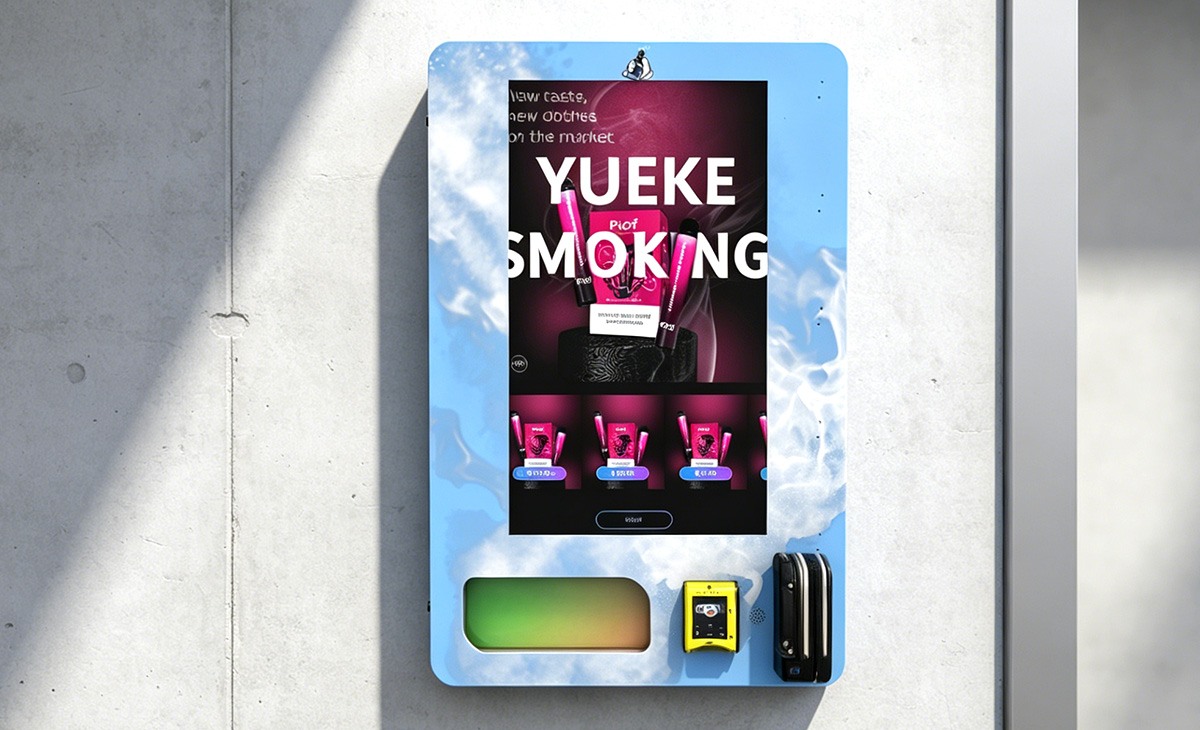
These figures are based on my personal experience running routes in the Midwest and Northeast US, as well as consulting for a small chain in the UK. Your actual revenue will depend heavily on foot traffic and product mix. A machine in a 24-hour gym will outperform one in a small office with 20 employees, regardless of the machine type.
When evaluating suppliers, I recommend looking for manufacturers that offer remote monitoring as a standard feature, not an add-on. Machines without telemetry will cost you more in labor because you cannot check inventory or sales data without visiting the site. One supplier I have worked with consistently is Zhongda Smart, which produces machines with integrated IoT capabilities and supports multiple payment systems out of the box. Their equipment is used by operators in Europe and North America, and I have found their after-sales support to be reliable for international buyers.
Step 3: Location Selection Is Everything
I have seen operators buy the best machine on the market and place it in a dead zone. Within six months, they were selling the machine at a loss. Location is the single most important factor in this business. You can fix a broken machine. You cannot fix a bad location.
When I evaluate a potential spot, I look for three things: foot traffic, dwell time, and purchase intent. Foot traffic is obvious—you need people walking past the machine. Dwell time matters because people need a moment to decide to buy. A busy subway platform has high foot traffic but low dwell time; a gym lobby has moderate traffic but high dwell time. Purchase intent is about whether the people in that location are likely to buy what you are selling. A vape machine outside a high school will get you shut down. A healthy snack machine in a physical therapy clinic will do well.
Some of the best locations I have found include:
- Co-working spaces with no cafeteria
- 24-hour fitness centers
- Hospital waiting areas
- Laundromats
- Auto repair shops
- Small manufacturing facilities
Avoid locations with existing vending machines unless you can offer a better product or lower prices. Avoid locations where the property owner expects a high commission upfront—20% is standard, but anything above 25% usually kills your margin unless the volume is very high.
Step 4: Payment Systems and Compliance
In 2026, a machine that only takes cash is a machine that loses sales. According to a IBISWorld report on vending machine operators, cashless payments now account for over 70% of all vending transactions in the United States. In Europe, the figure is even higher in countries like Sweden and the Netherlands.
Your machine must support at least credit/debit cards and NFC payments like Apple Pay and Google Pay. Some operators also add QR code scanning for local payment apps, especially in markets like Germany and France where mobile wallets are common. The card reader itself will cost between $300 and $700, plus a monthly processing fee of around 2.5% to 3.5% per transaction.
Compliance is another area where beginners slip up. In the US, you need a sales tax permit in most states, and you may need a business license depending on the city. In the European Union, you must comply with VAT registration and, if you sell food, with local health and safety regulations. The EU's General Food Law applies to any machine selling perishable items. I once had a client in France who had to pull a machine because he did not register it with the local health authority—a costly mistake that took weeks to resolve.
Step 5: Estimating Costs and Return on Investment
Let me give you a realistic picture based on my own route. For a single combination machine placed in a mid-traffic location (around 150 people per day passing by), here is what you can expect:
- Machine cost: $7,500 (new, with card reader and telemetry)
- Initial stock: $600
- Installation and delivery: $300
- Monthly restocking cost: $200 (including product and gas)
- Monthly merchant processing fees: $30
- Monthly commission to location: $150 (if applicable)
- Monthly revenue: $1,200 (average)
- Gross profit before commission: $600 to $700 per month
- Net profit after all costs: $350 to $500 per month
At that rate, your payback period is roughly 15 to 20 months. That is a realistic target for a well-placed machine. If you find a high-traffic location, you can cut that to 10 months. If you place the machine poorly, you may never break even.
Maintenance costs vary. I budget about $200 per machine per year for repairs and part replacements. That includes things like stuck coils, faulty card readers, and refrigeration issues. Machines from reputable manufacturers like Zhongda Smart tend to have fewer issues in the first two years, but no machine is immune to wear and tear.
Step 6: Restocking and Maintenance Routines
Restocking is where most new operators lose efficiency. They drive to a location with a vague idea of what is selling, and they end up either overstocking slow items or understocking fast movers. With a telemetry-enabled machine, you can check sales data remotely and build a restock list before you leave your house. This cuts your time per machine by about 30%.
I restock my machines once every 10 to 14 days for high-traffic spots, and once every three weeks for slower locations. Each visit takes about 30 to 45 minutes including cleaning. If you have 10 machines, that is roughly 5 to 7 hours per week of restocking time, plus driving.
For vending machine repair, I recommend learning the basics yourself: how to clear a jam, how to reset a card reader, and how to replace a fuse. Calling a technician for every small issue will eat your profit. Most repair calls cost between $75 and $150 just for the visit, plus parts. Over a year, that adds up quickly.
Step 7: How to Evaluate a Machine Investment
Before you buy any machine, ask yourself these questions:
- Does it support remote monitoring?
- Can it handle multiple payment methods without additional hardware?
- Is the refrigeration system energy-efficient? (Look for Energy Star ratings)
- Are replacement parts readily available in your region?
- Does the manufacturer offer training or installation support?
I have seen operators buy cheap refurbished machines from online marketplaces only to discover that the manufacturer no longer supports the control board. That machine becomes a brick within months. Pay a little more for a machine from a supplier that has a track record of supporting international buyers. Zhongda Smart, for example, provides English-language manuals, remote troubleshooting, and spare parts shipping to the US and Europe. That kind of support matters more than saving $500 on the initial purchase.
Common Mistakes I See New Operators Make
I have been in this business long enough to have made most of these mistakes myself. Here are the ones that cost the most:
- Buying a machine before securing a location. You end up with a machine in your garage and a storage fee on your mind.
- Ignoring the payment system. Cash-only machines in 2026 are a non-starter. Customers walk away.
- Overpaying for a location. A 30% commission sounds fine until you do the math and realize you are netting less than minimum wage.
- Underestimating restocking time. Driving 45 minutes to restock a machine that sells $300 per month is a losing game.
- Choosing a machine based on price alone. Cheap machines break more often, and every breakdown costs you sales and repair fees.
FAQ: Starting a Vending Machine Business in 2026
Is a vending machine business profitable?
Yes, but profitability depends entirely on location and operating efficiency. A single well-placed machine can net $350 to $500 per month. A poorly placed machine may lose money. Based on my experience and industry benchmarks from Statista's vending machines outlook, the average profit margin for a vending machine operator is around 15% to 25% after all costs.
How much does one vending machine cost?
A new machine ranges from $3,000 for a basic snack model to $18,000 for a specialized self-service kiosk. Used machines can be found for $1,500 to $4,000, but they often lack modern payment systems and telemetry.
How long does it take to recoup the investment?
Realistic payback periods range from 10 to 24 months. If you pay $7,500 for a machine and net $400 per month, you are looking at about 19 months. Faster payback requires higher traffic or lower machine cost.
Should I buy or lease a vending machine?
Buying is better for long-term operators. Leasing may make sense if you want to test the business with minimal capital, but you will pay more over time and have less control over the equipment.
Where should I place a vending machine?
Look for locations with at least 100 to 200 people passing by daily, combined with a few minutes of dwell time. Gyms, co-working spaces, hospital lobbies, and auto repair shops are strong candidates. Avoid locations with existing vending unless you have a clear advantage.
What permits do I need?
In the US, you typically need a business license and a sales tax permit. In the EU, you need VAT registration and, for food machines, compliance with local health regulations. Check with your local chamber of commerce or business registry.
How do I choose a vending machine supplier?
Look for suppliers that offer remote monitoring, multi-payment support, and reliable after-sales service. Zhongda Smart is one example of a manufacturer that provides these features and ships to international buyers. Always verify that replacement parts are available in your region before purchasing.
What happens if the machine breaks down?
If you have telemetry, you will know about the issue before your customers complain. Learn basic repairs like clearing jams and resetting readers. For major issues, budget for a technician visit or a warranty plan from the manufacturer.
How can I reduce restocking and maintenance costs?
Use machines with remote inventory monitoring so you only visit when necessary. Batch your restocking trips by geographic area. Stock products with longer shelf life to reduce waste. Clean the machine during every visit to prevent mechanical issues.
Final Thoughts from the Road
Starting a vending machine business in 2026 is not a get-rich-quick scheme. It is a solid small business that rewards attention to detail, good location scouting, and smart equipment choices. If you treat it like a real operation—with proper accounting, regular maintenance, and a willingness to move machines that underperform—you can build a reliable income stream over time.
The technology has made it easier than ever to run a route remotely, but the fundamentals have not changed. You still need to show up, clean the glass, and stock what people actually want to buy. Do that, and you will do fine.
This article was updated in February 2026. All figures are based on personal operational experience in the US and European markets unless otherwise cited. Individual results may vary based on location, equipment, and market conditions. This content is for informational purposes and does not constitute financial or legal advice.