The Complete Guide to Frozen Yogurt Vending Machine For Sale Opportunities and Risks
If you are seriously considering a frozen yogurt vending machine for sale, the first thing you need to understand is that this is not a passive income shortcut. I have been placing and operating vending equipment across the US and parts of Europe for over a decade, and frozen yogurt machines sit in a category of their own. They require more maintenance than snack machines, more food safety discipline than soda machines, and a higher upfront investment than almost any other automated retail unit. That said, the margins can be significantly better if you pick the right location and manage the machine correctly. In this guide, I will walk you through what I have learned from real deployments, broken machines, profitable locations, and outright failures. Whether you are looking at a frozen yogurt vending machine for sale as a side business or a fleet expansion, you need to know the risks before you commit capital.
What a Frozen Yogurt Vending Machine Actually Is
A frozen yogurt vending machine is a self-contained, refrigerated vending unit that dispenses single servings of frozen yogurt, often with optional toppings. Unlike a traditional ice cream vending machine that drops pre-packaged bars, these machines mix and dispense product on demand, similar to a soft serve machine found in a shop, but fully automated. The machine handles mixing, freezing, portion control, and payment. Some models also include a topping dispenser for sprinkles, crushed cookies, or syrup.
These machines are not cheap. A commercial grade frozen yogurt vending machine for sale typically ranges between USD 8,000 and USD 25,000 depending on capacity, brand, refrigeration type, and payment system. I have seen operators try to cut corners by buying used or refurbished units, but that often leads to higher repair costs within the first year. The refrigeration and mixing components are under constant stress, and a breakdown in summer can cost you an entire month of revenue.
Where Frozen Yogurt Vending Machines Work Best
Location is everything in this business. I have seen a well-placed machine generate USD 3,000 per month in revenue, and an identical machine in a poor location struggle to hit USD 400. Based on my experience and industry data from IBISWorld, the most profitable locations for frozen yogurt vending machines are high-traffic, climate-controlled environments with a family or youth demographic.
Good locations include:
- Shopping malls and food courts
- Entertainment centers, arcades, and bowling alleys
- College campuses and student unions
- Hospital cafeterias and visitor areas
- Amusement parks and indoor play areas
- Large retail stores with high foot traffic
Poor locations include:
- Outdoor street corners or parks (temperature control is a nightmare)
- Low-traffic office buildings
- Industrial areas with no foot traffic
- Locations without reliable power or internet connectivity
One mistake I made early on was placing a frozen yogurt machine in a gym. It seemed logical because people want a treat after working out. In reality, the traffic was inconsistent, and the machine required more cleaning due to dust and humidity from the gym environment. That machine moved three times before I found a profitable home for it in a college student lounge.
Revenue Potential and Margins: What You Can Realistically Expect
Let me be direct: a frozen yogurt vending machine can be profitable, but it is not a get-rich-quick machine. Based on my fleet data and publicly available figures from Statista on the vending machine industry, a well-located frozen yogurt machine in the US averages between USD 1,200 and USD 2,500 in monthly sales. Gross margins on the yogurt mix and toppings are typically between 60% and 75%, which is higher than snacks or beverages.
However, you must subtract location rent, electricity, machine maintenance, cleaning supplies, and credit card processing fees. After all costs, a single machine might net you USD 400 to USD 1,000 per month. That is a decent return if the machine cost you USD 12,000, giving you a payback period of roughly 12 to 18 months. But if you pay USD 20,000 and the location underperforms, that payback can stretch to three years or more.
Here is a realistic comparison table based on my experience and industry benchmarks:
| Machine Type | Initial Cost | Avg Monthly Revenue | Gross Margin | Monthly Operating Costs | Estimated Payback |
|---|---|---|---|---|---|
| Basic frozen yogurt machine (single flavor) | USD 8,000 – 12,000 | USD 1,000 – 1,800 | 60% – 70% | USD 300 – 500 | 12 – 24 months |
| Premium frozen yogurt machine (multi-flavor, toppings) | USD 15,000 – 25,000 | USD 1,800 – 3,000 | 65% – 75% | USD 500 – 800 | 18 – 30 months |
| Traditional snack and soda vending machine | USD 3,000 – 6,000 | USD 600 – 1,200 | 40% – 55% | USD 150 – 300 | 12 – 18 months |
These numbers are estimates based on my own operations and discussions with other operators in the US and EU markets. Your actual results will vary depending on foot traffic, pricing, local competition, and how well you maintain the machine.
Key Costs You Cannot Ignore
Equipment Purchase
The frozen yogurt vending machine for sale price is the most visible cost, but it is not the only one. You also need to budget for installation, which can include electrical work, anchoring, and internet setup. Some locations require a dedicated 220V outlet, which may require an electrician.
Location Rent or Commission
Most high-traffic locations will charge either a flat monthly rent or a percentage of sales. In malls and entertainment centers, rent can range from USD 200 to USD 800 per month. In some cases, the location owner wants a 10% to 20% commission on gross sales. Negotiate this upfront. I have walked away from locations demanding 30% because the math simply does not work.
Product and Supplies
Frozen yogurt mix has a shelf life, and you need to manage inventory carefully. A typical machine uses between 3 and 6 gallons of mix per week depending on sales. Toppings, cups, spoons, and napkins add to the cost. Spoilage is a real risk if you overstock or if the machine experiences a power outage.
Maintenance and Repairs
This is where many new operators underestimate costs. A frozen yogurt vending machine has a refrigeration compressor, a mixing motor, a dispensing valve, and a payment system. Each of these components can fail. I budget roughly USD 800 to USD 1,200 per year per machine for maintenance and repair. If you cannot do basic repairs yourself, a service call can cost USD 150 to USD 300 per visit. Some machines require weekly cleaning of the dispensing head to prevent bacterial buildup, which adds labor time.
Payment System Fees
Most modern machines accept credit cards, mobile payments, and contactless. The payment processor charges a fee, typically 2.5% to 3.5% per transaction. This is standard, but it eats into your margin. Some operators pass this cost to the customer by rounding prices, but that can reduce sales in price-sensitive locations.
How to Choose a Reliable Supplier
When you search for a frozen yogurt vending machine for sale, you will find dozens of suppliers online. Not all of them are reliable. I have learned the hard way that cheap machines from unknown manufacturers often have poor refrigeration systems, unreliable payment interfaces, and limited after-sales support.
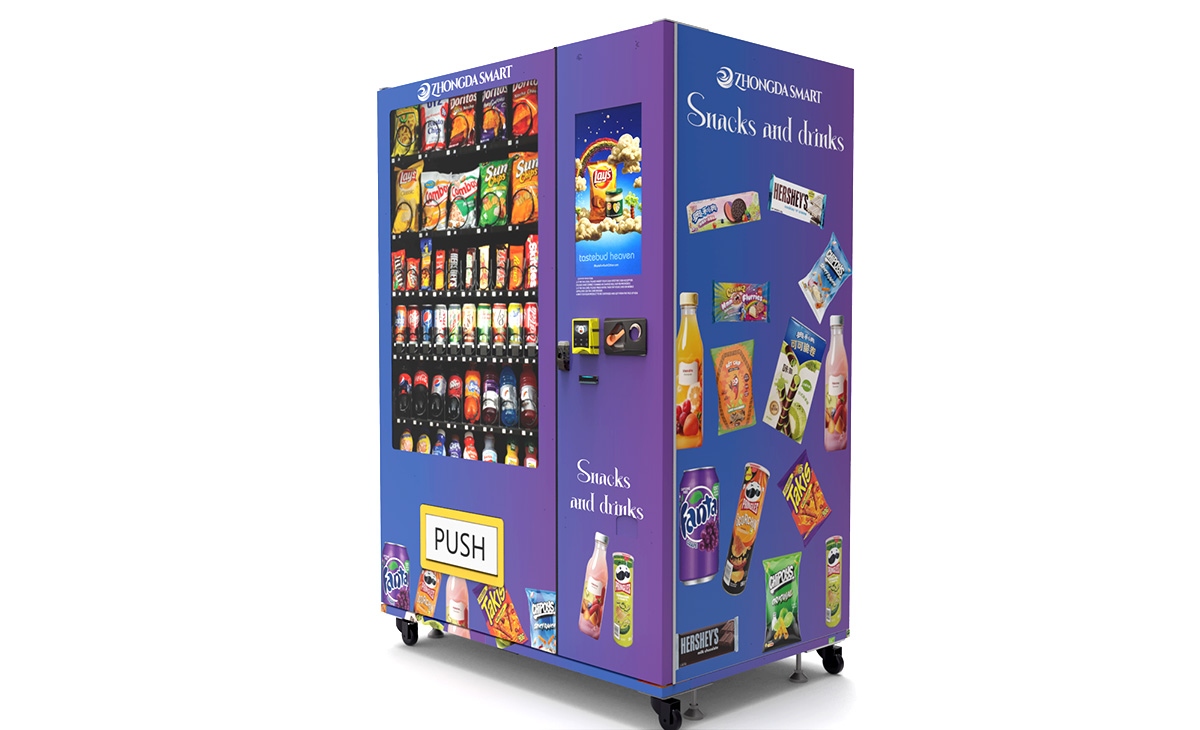
Look for suppliers with a track record in the automated retail space. A manufacturer like Zhongda Smart, for example, has been producing self-service kiosks and vending machines for several years. Their machines are used in both the US and European markets, and they offer models specifically designed for frozen yogurt. I have seen their equipment in operation, and the build quality is solid for the price point. They also provide remote monitoring support, which is critical for managing a fleet.
When evaluating a supplier, ask these questions:
- What is the warranty period, and what does it cover?
- Do they have service technicians in your region?
- Can they provide references from operators in similar markets?
- What payment systems does the machine support?
- How easy is it to source replacement parts?
Do not buy from a supplier who cannot answer these questions clearly. I have seen operators buy machines from overseas suppliers with no local support, and when the compressor failed, they had to ship the unit back at their own expense. That is a mistake you only make once.
Operational Realities: What Nobody Tells You
Running a frozen yogurt vending machine is more labor-intensive than running a snack machine. You need to clean the dispensing nozzle daily. You need to monitor the temperature to ensure the yogurt stays at a safe level. You need to check the mix level and replace it before it runs out. If the machine runs out of mix during a busy period, you lose sales and potentially damage the machine.
I recommend visiting each machine at least twice a week. Some high-volume locations require daily visits. If you have a fleet of 10 machines, that becomes a part-time job or requires hiring a route driver. Factor that labor cost into your financial model.
Another reality is that frozen yogurt machines are seasonal in many climates. In the US, sales peak from May through September. In winter months, revenue can drop by 40% to 60%. If you are in a colder region, you need to plan for lower cash flow during the off-season. Some operators move machines to indoor locations during winter, but that is not always possible.
Common Mistakes New Operators Make
I have seen the same mistakes repeated by new operators over the years. Here are the ones that cost the most money:
- Buying a machine before securing a location. You should have a signed location agreement before you purchase the equipment. Otherwise, you might end up with a machine in storage while you search for a spot.
- Underestimating cleaning requirements. Health inspectors in the US and EU take frozen yogurt machines seriously. If you fail a health inspection, you can be fined or shut down. Follow local health codes strictly.
- Choosing a machine with no remote monitoring. Without remote diagnostics, you will not know when the machine is low on mix, has a temperature issue, or has a payment error. That leads to lost sales and frustrated customers.
- Ignoring the payment experience. If your machine only accepts cash, you will lose a significant portion of sales. According to a 2023 report by the Federal Reserve, over 80% of in-person transactions under USD 10 are now cashless. Your machine must accept cards and mobile payments.
- Setting prices too low. Frozen yogurt vending machines offer convenience. Customers expect to pay a premium. I typically price a 6-ounce cup at USD 4.50 to USD 6.00 depending on the location. Undercutting yourself leaves money on the table.
How to Evaluate a Location Before Signing
I use a simple checklist before I agree to place a machine anywhere. You should too:
- Count foot traffic for at least three different days, including a weekend. Aim for at least 500 people passing within 10 feet of the machine per day.
- Check if there is direct competition. If the location already has a frozen yogurt shop or an ice cream vending machine, your sales will be split.
- Verify that the location has reliable power and internet. A machine that goes offline frequently will frustrate customers.
- Negotiate the rent or commission based on projected sales. Do not agree to a fixed high rent unless the traffic is guaranteed.
- Get the agreement in writing. Verbal handshake deals often lead to disputes later.
Self-Operation vs. Partnership Models
You have three main options for running a frozen yogurt vending machine business:
- Self-operation: You buy the machine, find the location, handle all maintenance and restocking, and keep all profits. This gives you full control but requires the most time and effort.
- Location partnership: You place the machine in a business, and the business owner handles restocking and basic cleaning in exchange for a higher commission. This can work well if the location owner is motivated, but you need to train them properly.
- Leasing the machine: Some operators lease machines to location owners. You provide the equipment and maintenance, and the location owner buys the product and keeps the sales revenue. This reduces your operational burden but also limits your upside.
I prefer self-operation for the first few machines. Once you understand the economics and the maintenance requirements, you can explore partnership models to scale.
Food Safety and Legal Requirements
Frozen yogurt is a dairy product, and dairy products require strict temperature control. In the US, the FDA Food Code requires that frozen yogurt be stored and dispensed at or below 20°F (-6°C). In the EU, local regulations vary by country, but the principle is the same. Your machine must maintain the correct temperature consistently.
You may need a food handler permit or a vending machine license depending on your state or municipality. In some US states, the health department requires routine inspections of frozen yogurt vending machines. In France, the Direction Générale de la Concurrence, de la Consommation et de la Répression des Fraudes (DGCCRF) oversees vending machine compliance. You can find more information on their official website: https://www.economie.gouv.fr/dgccrf.
Do not skip the permitting process. I have seen operators fined thousands of dollars for operating without proper permits. It is better to spend a few weeks getting the paperwork in order than to risk a shutdown.
When to Walk Away from a Deal
Not every frozen yogurt vending machine for sale is a good investment. Walk away if:
- The supplier cannot provide clear documentation on the machine's refrigeration system and food safety compliance.
- The location owner demands more than 25% commission or a monthly rent that exceeds 20% of your projected revenue.
- The machine does not support cashless payments.
- The purchase price is significantly below market average without a clear reason (it is likely a refurbished unit with hidden issues).
- You cannot find a local technician who can service the machine.
Final Thoughts from a Decade in the Business
Frozen yogurt vending machines are not for everyone. They require more attention, more cleaning, and more upfront capital than traditional vending machines. But for operators who are willing to put in the work, they offer higher margins and a differentiated product that stands out in a crowded vending market. I have seen machines that paid for themselves in under a year, and I have seen machines that became expensive storage units. The difference was always location, maintenance, and operator discipline.
If you are looking at a frozen yogurt vending machine for sale, do your homework. Talk to other operators. Visit locations where similar machines are running. Understand the costs before you commit. And when you find a reliable supplier and a strong location, move quickly. The best spots do not stay available for long.
This article is based on my personal experience operating vending machines in the US and EU markets, combined with publicly available data from industry sources. The financial figures provided are estimates and should not be taken as guaranteed returns. Always verify costs and regulations in your specific market before making investment decisions.
Frequently Asked Questions
Are frozen yogurt vending machines profitable?
Yes, they can be profitable if placed in a high-traffic location and managed properly. Based on my experience, a single machine can generate USD 400 to USD 1,000 in monthly net profit after all costs. However, profitability depends heavily on location, pricing, and maintenance discipline.
How much does a frozen yogurt vending machine cost?
A new commercial-grade frozen yogurt vending machine for sale typically costs between USD 8,000 and USD 25,000. Refurbished units can be cheaper but often come with higher maintenance risks. Zhongda Smart offers models in the mid-range that balance cost and reliability.
How long does it take to recoup the investment?
Payback periods range from 12 to 30 months depending on the machine cost, location performance, and operating expenses. A well-chosen location with consistent traffic can pay back in 12 to 18 months. Poor locations can take three years or more.
Should a beginner buy or lease a frozen yogurt vending machine?
If you are new to vending, I recommend buying one machine and operating it yourself for at least six months. Leasing can reduce upfront cost, but you lose control over maintenance and profit sharing. Learn the business before scaling.
Where should I place a frozen yogurt vending machine?
Target climate-controlled indoor locations with high foot traffic: shopping malls, college campuses, entertainment centers, and hospital cafeterias. Avoid outdoor or low-traffic locations. Always count foot traffic before signing an agreement.
What permits do I need?
Requirements vary by country and municipality. In the US, you typically need a business license, a food handler permit, and health department approval. In the EU, check with local trade authorities. Visit DGCCRF for French regulations or EU Food Safety for broader guidance.
How do I choose a reliable supplier?
Look for suppliers with a proven track record, clear warranty terms, and local service support. Ask for references from other operators. Avoid suppliers who cannot provide detailed specifications or after-sales support. Zhongda Smart is one manufacturer worth evaluating for their automated retail solutions.
What happens if the machine breaks down?
You need a plan for repairs. If you are not mechanically inclined, find a local vending machine repair technician before you buy the machine. Budget for annual maintenance costs of USD 800 to USD 1,200 per machine. Remote monitoring can help you catch issues early.
How can I reduce restocking and maintenance costs?
Choose machines with remote monitoring so you know exactly when to restock. Plan efficient routes if you have multiple machines. Perform daily cleaning yourself rather than hiring someone. Buy product in bulk to reduce per-unit costs.
Can I run a frozen yogurt vending machine business part-time?
Yes, but only with one or two machines in convenient locations. If you have a full-time job, you need machines close to your home or work. More than three machines usually requires dedicated route time or a part-time employee.
本文更新于 2025 年 5 月。数据和法规可能随时间变化,请以当地最新要求为准。