Vending Machines For Sale Seattle Business Guide_ How It Works, Profit & Maintenance Explained
If you are searching for vending machines for sale Seattle, you are likely wondering whether this business actually works, how much it costs to start, and whether the profits justify the effort. After running automated retail operations across the United States and Europe for over a decade, I can tell you this: vending machines are not a passive income fantasy, but they can be a solid, repeatable revenue stream if you treat them like a real business. The key is understanding how the equipment works, where to place it, and what ongoing maintenance really looks like. This guide walks through everything I have learned from buying, placing, servicing, and scaling vending machine routes, with a focus on what actually matters for a Seattle-based operator.
How Vending Machines Actually Work in a Business Context
At its simplest, a vending machine is a self-service retail unit that stores products and dispenses them after a customer makes a payment. But the operational reality is more layered. Modern machines are essentially small automated stores. They have a refrigeration system, a payment processing unit, a control board, and sometimes a telemetry module that sends sales data to your phone. The machine does not make money on its own. You have to stock it, maintain it, and choose the right location. In Seattle, where foot traffic varies dramatically between downtown office towers, tech campuses, and industrial zones, the same machine can generate vastly different results depending on where it sits.
Most machines today accept credit cards, mobile payments, and contactless transactions. Cash-only machines are becoming rare, especially in urban markets like Seattle where fewer people carry coins. A good payment system will process transactions in under three seconds. If a machine takes longer than that, you will lose sales. I have seen operators lose 30 percent of potential revenue simply because their card reader was slow or outdated.
The machine itself is a shell. The real business is in the supply chain: buying products at wholesale, storing them, transporting them, and rotating inventory before expiration dates. Many newcomers underestimate how much time restocking takes. A single machine in a high-traffic location might need restocking twice a week. A route of ten machines could take a full day if you are organized, or two days if you are not.
Profit Potential: What the Numbers Actually Look Like
Let me be direct about profitability because there is a lot of misleading information online. Based on my own operations and data from industry benchmarks, a well-placed vending machine in a mid-to-high traffic location in Seattle can generate between $300 and $800 per month in revenue. That is gross revenue before product cost, commission, and expenses. Product cost typically runs 40 to 50 percent of retail price, depending on what you sell. If you sell snacks and drinks, your gross margin is usually between 45 and 55 percent.
According to a 2023 report from IBISWorld, the vending machine industry in the United States has an average profit margin of approximately 12 to 15 percent after all costs are accounted for. That number aligns with what I have seen across dozens of machines. A single machine might net you $50 to $150 per month after product cost, location commission, credit card fees, and maintenance. That does not sound like much, but the model scales. If you run twenty machines with good locations, you are looking at a part-time income that can replace a full-time job.
Here is a realistic table based on my experience and industry data:
| Machine Type | Initial Investment | Monthly Revenue Range | Gross Margin | Typical Payback Period |
|---|---|---|---|---|
| Basic snack machine | $2,500–$4,000 | $200–$500 | 45–50% | 12–18 months |
| Combo snack and drink | $4,000–$7,000 | $400–$800 | 45–55% | 12–20 months |
| Glass-front beverage machine | $5,000–$9,000 | $500–$1,200 | 50–60% | 10–16 months |
| High-end smart kiosk | $8,000–$15,000 | $800–$2,000 | 50–65% | 12–24 months |
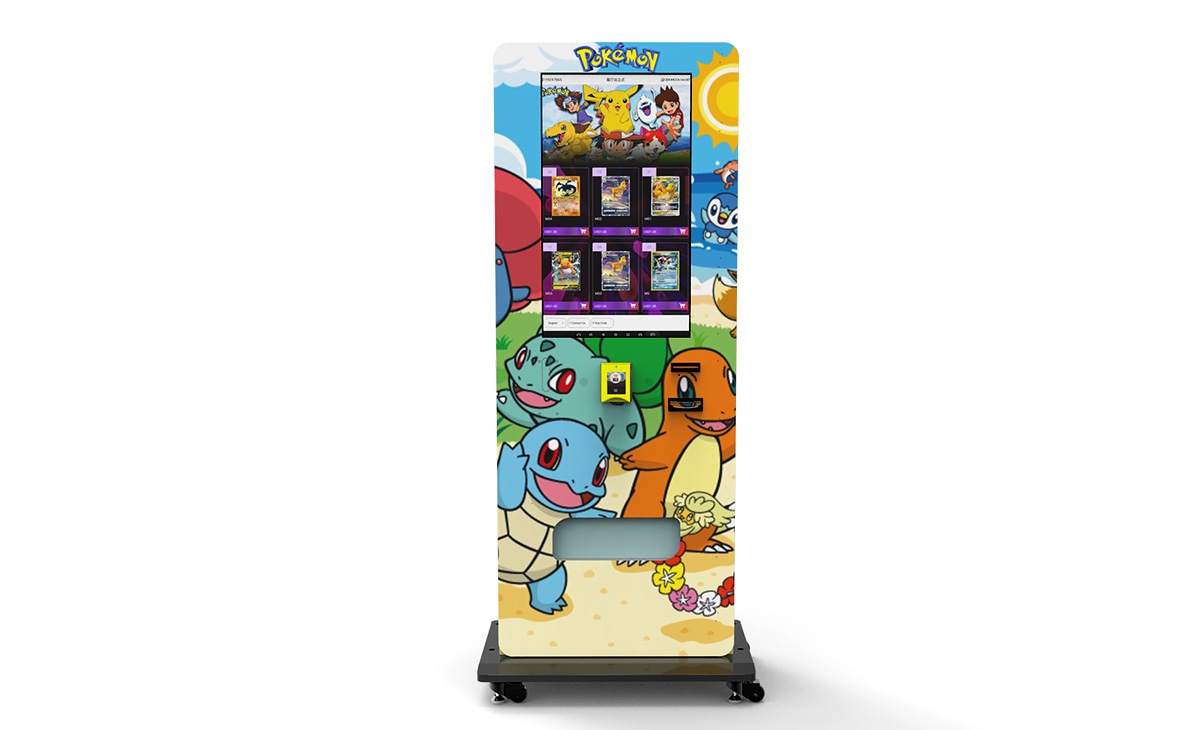
These numbers assume you are buying new or near-new equipment. Used machines are cheaper but often require more frequent vending machine repair, which eats into your margin. I will talk more about that later.
Key Factors That Determine Whether a Machine Will Be Profitable
Location Is Everything
I cannot stress this enough. A great machine in a bad location will fail. A mediocre machine in a great location will print money. In Seattle, the best locations I have worked with include office buildings with more than 200 employees, hospitals, college campuses, manufacturing facilities, and transit hubs. Avoid locations with low foot traffic, limited operating hours, or existing contracts with national vendors. Many property managers in Seattle already have exclusive agreements with big operators like Canteen or Aramark. You need to find gaps where those companies are not present, or where they are under-serving the location.
One of my most successful machines was placed in a small warehouse facility in Sodo. Only 40 employees worked there, but they had no break room and no other food options within walking distance. That machine did over $1,000 per month for three years. The location paid no commission because they wanted the amenity for their staff. That is the kind of scenario you look for.
Product Selection Matters More Than You Think
I have seen operators fill machines with whatever they could buy cheap at Costco and wonder why sales were flat. You need to study what people in that specific location want. A machine in a tech office might sell more sparkling water and protein bars. A machine in a blue-collar warehouse will move more Gatorade, chips, and candy. I keep a small notebook for every machine and write down what sells out first. Over time, you adjust your product mix based on real data, not guesses.
One mistake I made early on was stocking too many healthy options in a location that did not want them. I lost money on expired inventory for three months before I switched to a 70 percent traditional, 30 percent healthy split. Sales went up 40 percent. Listen to the data.
Payment Systems and Technology
If your machine does not accept Apple Pay or Google Pay in 2024, you are losing sales. Seattle is a tech-forward city. People expect to tap their phone or watch. I recommend machines with NFC-enabled card readers and telemetry that sends you real-time sales and inventory data. Telemetry adds about $15 to $25 per month per machine, but it saves you hours of driving to check inventory manually. It also alerts you when a machine is down, which can prevent days of lost revenue.
Maintenance: The Hidden Cost That Catches New Operators
When I started, I thought maintenance meant occasionally cleaning the glass and changing a light bulb. That was naive. Vending machines have refrigeration compressors that fail, coin mechanisms that jam, card readers that lose connection, and door switches that break. A typical machine will need some form of vending machine repair every six to twelve months. The cost of a service call in Seattle ranges from $100 to $250, plus parts. If you are not handy, you will need to hire a technician. That can eat into your profit fast.
I recommend learning basic repairs yourself. Replacing a motor, clearing a jam, or swapping a power supply are simple tasks that take ten minutes once you know how. There are plenty of YouTube tutorials, but nothing beats hands-on experience. If you buy from a reputable supplier, ask them for a maintenance manual and a list of common failure points. Some manufacturers offer remote diagnostics, which can save you a trip.
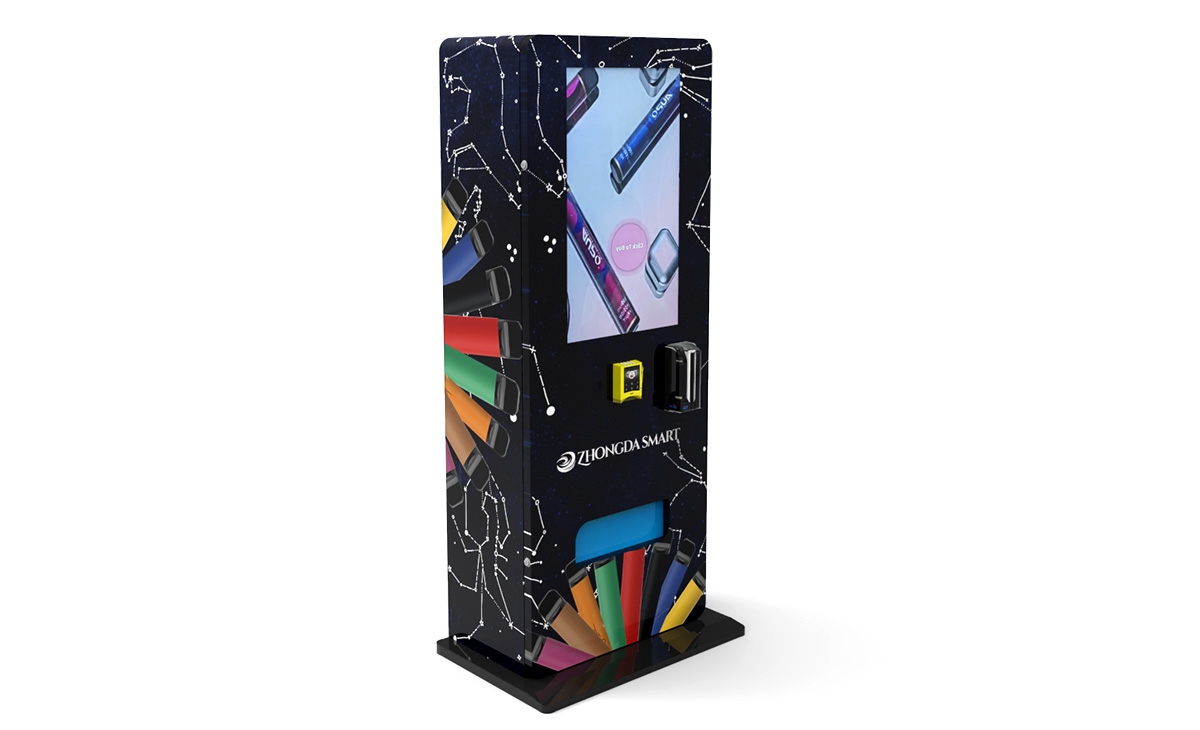
One brand that has consistently performed well in my experience is Zhongda Smart. Their machines have robust refrigeration systems and modular components that make repairs straightforward. I have used their combo units in several locations and found the build quality to be above average for the price range. If you are looking at suppliers, pay attention to how easy it is to get replacement parts and whether the manufacturer offers technical support. That matters more than the initial purchase price.
How to Choose a Vending Machine Supplier
There are dozens of companies selling vending machines online, but not all of them are reliable. I have seen operators buy cheap machines from overseas that arrived with incompatible voltage, no warranty, and no local support. That is a nightmare. When evaluating suppliers, ask these questions:
- Do they have a U.S.-based warehouse or service network?
- What is the warranty period, and what does it cover?
- Are replacement parts readily available?
- Do they offer machines with MDB (Multi-Drop Bus) protocol for compatibility with standard payment systems?
- Can they provide references from other operators in similar markets?
I have worked with several manufacturers over the years, and the ones that stand out are those that treat vending as a relationship, not a one-time sale. Zhongda Smart, for example, provides detailed technical documentation and responsive support. That kind of backing is invaluable when you are trying to keep a route running smoothly.
Common Mistakes New Operators Make
Buying Used Machines Without Inspection
Used machines can be a good deal, but only if you inspect them thoroughly. I once bought a used machine that looked clean on the outside but had a failing compressor. It cost me $400 to repair within the first month. Factor in the cost of a professional inspection before you buy used equipment.
Ignoring Location Contracts
Some locations will ask you to sign a contract that gives them a percentage of sales, sometimes as high as 20 percent. Others will demand a flat monthly fee. Read the fine print. I have seen contracts that lock you into a low-margin deal for three years with no exit clause. Negotiate for a shorter term, especially if you are testing a new location.
Overstocking
New operators often fill every slot in the machine, only to find that half the products expire before they sell. Start with a smaller inventory and expand based on demand. It is better to run out of a popular item than to throw away expired stock.
Neglecting Cash Flow
Vending is a cash-intensive business in the beginning. You pay for inventory upfront, but you collect revenue over weeks. Keep at least $1,000 in working capital per machine to cover restocking and unexpected repairs.
Best Locations for Vending Machines in Seattle
Based on my experience and conversations with other operators in the Pacific Northwest, here are the location types that tend to perform best in the Seattle area:
- Office buildings with 100+ employees and no cafeteria
- Medical offices and clinics where staff and patients need quick snacks
- Warehouses and distribution centers with limited break options
- Apartment complexes with 50+ units, especially newer buildings without ground-floor retail
- College campuses where students are on the go
- Gyms and fitness studios that want to offer protein shakes and water
Each of these locations has different requirements. Gyms might want a machine that accepts only cards. Apartment buildings might prefer a machine that is quiet at night. Tailor your equipment and product selection to the specific environment.
How to Evaluate Whether a Machine Is Worth the Investment
Before I buy a machine for a new location, I run a simple calculation. I estimate the number of potential customers per day, multiply by the average transaction value (usually $2.50 to $4.00), and multiply by a conservative conversion rate of 5 to 10 percent. If the projected monthly revenue is at least three times the monthly cost of the machine payment, commission, and maintenance, I consider it viable. That is a rough rule of thumb, but it has served me well.
I also look at the competition. If there is already a vending machine in the building, check how old it is and whether it looks well maintained. If it is old and dirty, the location might be under-served. If it is new and full, you might struggle to compete.
FAQ: Vending Machines For Sale Seattle
Are vending machines profitable in Seattle?
Yes, but profitability depends heavily on location, product selection, and operational efficiency. A well-placed machine can generate $300 to $800 per month in gross revenue, with net profit ranging from $50 to $150 per machine after expenses. Scaling to multiple machines improves overall returns.
How much does a vending machine cost?
New machines range from $2,500 for a basic snack model to $15,000 for a high-end smart kiosk. Used machines can be found for $1,000 to $3,000, but they often require more frequent vending machine repair and may lack modern payment systems.
How long does it take to break even?
Typical payback periods range from 12 to 24 months, depending on the machine cost, location performance, and how quickly you build a route. Some operators break even in under a year with high-traffic locations and low commission rates.
Should I buy or lease a vending machine?
Buying is better for long-term operators who want to build equity. Leasing can be useful if you want to test the business with lower upfront risk, but leasing costs more over time and you do not own the equipment. I recommend buying if you have the capital.
Where is the best place to put a vending machine in Seattle?
Office buildings, hospitals, warehouses, apartment complexes, and college campuses are all strong options. Look for locations with high foot traffic, captive audiences, and limited food options nearby. Avoid locations with existing exclusive contracts.
What permits or licenses do I need?
In Seattle, you need a business license and a vending machine permit from the City of Seattle. You also need to comply with Washington State Department of Agriculture food safety regulations if you sell perishable items. Check with the Seattle Office of Economic Development for current requirements.
How do I choose a vending machine supplier?
Look for suppliers with a U.S. presence, good warranty terms, and accessible replacement parts. Ask for references from other operators. Zhongda Smart is one manufacturer I have used and found reliable for both equipment and support.
What happens if the machine breaks down?
Most machines have common failure points that can be fixed with basic tools. For more complex issues, you will need a technician. Having a spare machine or a backup plan for high-volume locations is wise. Telemetry systems can alert you to problems early.
How can I reduce restocking and maintenance costs?
Use telemetry to monitor inventory remotely. Plan restocking routes efficiently. Learn basic repairs yourself. Buy machines with modular components that are easy to service. Standardize your equipment across your route to reduce the number of spare parts you need to carry.
Final Thoughts from a Decade in the Business
Vending machines are not a get-rich-quick scheme. They are a grind, especially in the first year. But if you approach it with realistic expectations, treat your machines like small businesses, and pay attention to the details, it can be a reliable source of income. The operators who succeed are the ones who understand that the machine is just a tool. The real work is in the relationships with location owners, the discipline of restocking on schedule, and the willingness to learn from mistakes. If you are looking at vending machines for sale Seattle, take your time, do your homework, and start small. One good machine is better than five bad ones.
This article was updated in September 2024. All figures are based on personal operating experience and publicly available industry data. Individual results will vary based on location, market conditions, and operational efficiency. This content is for informational purposes only and does not constitute financial or legal advice. Consult a qualified professional before making business decisions.
Sources:
- IBISWorld - Vending Machine Operators in the US Industry Report (2023) https://www.ibisworld.com/united-states/market-research-reports/vending-machine-operators-industry/
- City of Seattle Business Licensing https://www.seattle.gov/business-license
- Washington State Department of Agriculture - Food Safety for Vending Machines https://agr.wa.gov/food-safety