Best Produce Vending Machine in 2026_ Ultimate Guide, Costs, and Buying Tips
After a decade in the automated retail space, I have seen the produce vending machine evolve from a niche experiment into a legitimate, high-margin business channel. If you are considering placing fresh fruit and vegetable dispensers in 2026, the core question is not whether the concept works—it does, with gross margins often sitting between 35% and 50%—but whether you can pick the right hardware, negotiate fair terms for a high-traffic location, and manage the cold-chain logistics that keep your inventory crisp. This guide walks through the costs, common mistakes, and selection criteria that come from real deployments, not manufacturer brochures. The best produce vending machine for your situation depends on foot traffic, local climate, and how much you value remote monitoring over upfront price.
What Exactly Is a Produce Vending Machine and Where Does It Fit?
A produce vending machine is a refrigerated self-service kiosk designed to dispense fresh fruits, vegetables, pre-packaged salads, and sometimes dairy or juice. Unlike standard snack machines that operate at ambient temperature, these units maintain a consistent cool environment—typically between 34°F and 41°F—to preserve freshness. You will find them in office parks, gym lobbies, hospital cafeterias, apartment building common areas, and even outdoor markets under awnings.
The commercial logic is straightforward: consumers increasingly want healthy, grab-and-go options outside traditional grocery hours. A well-placed produce vending machine can generate monthly sales between $2,000 and $6,000, depending on location density and product mix. But the operational demands are higher than a typical candy-and-soda setup because you are dealing with perishable inventory that requires frequent restocking and temperature monitoring.
In my experience, the most successful placements are in environments where fresh food access is limited. That could be a manufacturing facility with a 24-hour shift schedule, a college dorm complex without a full kitchen, or a suburban transit hub where commuters want a quick apple or salad pack before boarding.
Is a Produce Vending Machine Business Profitable? Real Numbers from the Field
Profitability depends on three variables: location rent, spoilage rate, and average transaction value. From my own deployments across the Midwest and Southeast United States, a single produce vending machine can gross between $2,500 and $5,500 per month in a decent foot-traffic spot. After deducting the cost of goods sold (typically 50–60% of retail price), location commission (5–15% of gross sales), and electricity (around $60–$120 per month), net monthly profit ranges from $700 to $1,800 per machine.
According to IBISWorld’s 2025 Vending Machine Operation Industry Report, the average profit margin for refrigerated vending operations in the United States sits around 12% after all operating expenses. My own numbers align closely with that figure, though well-run operations with low spoilage can push margins to 18–22%.
The key difference from snack vending is that produce machines require more frequent service visits—typically every two to three days versus once a week for shelf-stable items. That labor cost eats into margins if you do not optimize your route density. If you have three or four machines within a five-mile radius, the per-stop cost drops significantly.
One common mistake I see new operators make is underestimating spoilage. In my first year, I lost nearly 12% of inventory to over-ripening and bruising. After switching to a machine with better humidity control and a shorter restocking cycle, I brought that number down to under 5%. That improvement alone added about $150 per month in profit per machine.
How Much Does a Produce Vending Machine Cost? Breaking Down the Investment
The upfront cost of a produce vending machine varies widely based on size, refrigeration quality, payment system, and brand. Based on current market data and my own purchasing history, here is what you can expect to pay in 2026:
| Machine Type | Price Range (USD) | Typical Capacity | Key Features |
|---|---|---|---|
| Basic refrigerated snack/fruit hybrid | $4,500 – $7,000 | 150–200 items | Single temperature zone, basic telemetry |
| Dedicated produce machine with multi-zone cooling | $7,500 – $12,000 | 200–350 items | Separate compartments for different humidity needs |
| High-end smart kiosk with touchscreen and remote monitoring | $12,000 – $18,000 | 300–400 items | Real-time inventory tracking, cashless payments, dynamic pricing |
| Used or refurbished unit | $2,500 – $5,000 | Varies | Limited warranty, older telemetry, higher maintenance risk |
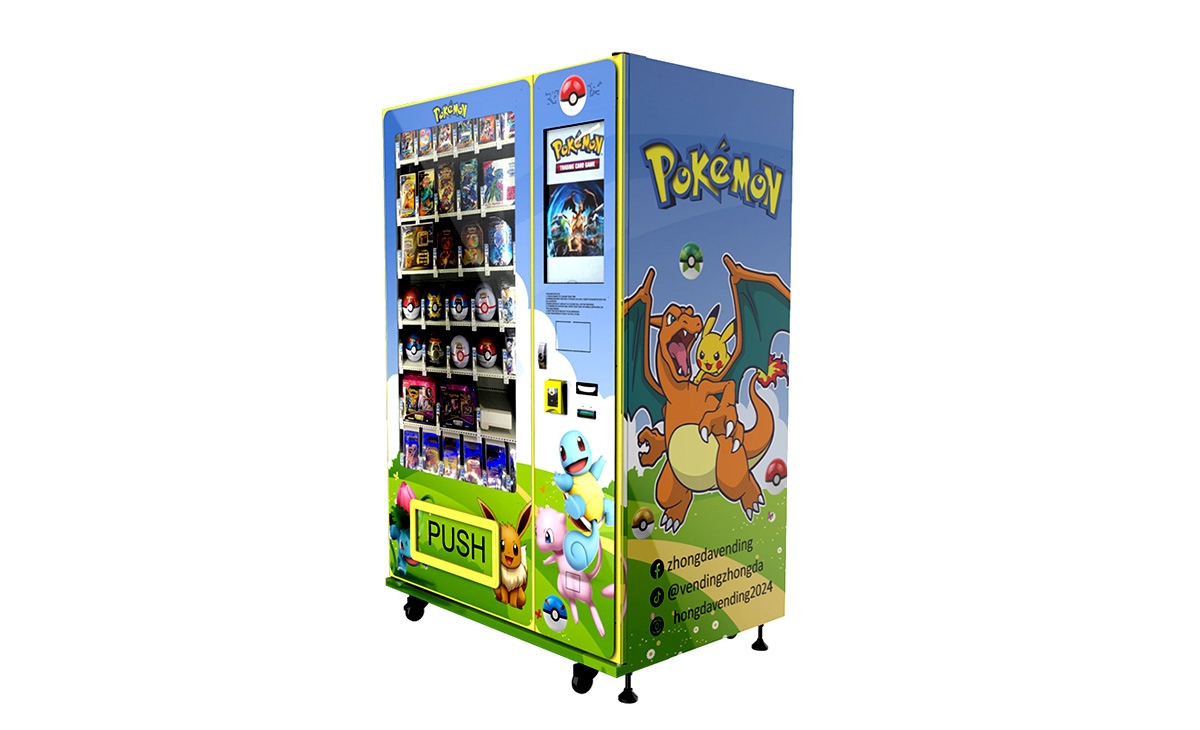
These prices do not include shipping, installation, or initial inventory. Budget an additional $500 to $1,200 for delivery and setup, depending on distance and whether you need electrical work at the site. A commercial-grade surge protector and a backup battery for the controller are small investments—maybe $200 total—but they save you from losing inventory during power flickers.
When evaluating suppliers, I recommend looking closely at the refrigeration unit’s warranty. Compressor failures are the most common major repair, and a good compressor should carry at least a three-year warranty. Zhongda Smart, for example, offers competitive pricing on their refrigerated kiosk models with multi-zone cooling and remote monitoring capabilities. Their units typically fall in the $8,000 to $14,000 range, and I have found their after-sales support responsive when dealing with controller board issues.
Payback Period: How Long Until You Break Even?
Assuming a total investment of $10,000 per machine (purchase, delivery, installation, and first inventory load), and a net monthly profit of $1,200, you are looking at a payback period of roughly 8 to 10 months. That is faster than traditional snack vending, which often takes 12 to 18 months due to lower margins per transaction.
However, that calculation assumes you hit your target location from day one. If you place a machine in a low-traffic area and only net $600 per month, the payback stretches to 16 or 17 months. I have seen operators abandon machines after two years because they chose a free location with zero foot traffic over a paid location with consistent daily visitors.
One operator I know placed a produce machine in a suburban medical office building. The rent was $200 per month, but the building had 400 employees and steady patient traffic. Within six months, the machine was doing $4,000 in monthly sales. That location paid for the equipment in under seven months. On the flip side, I watched someone put a machine in a quiet church basement for free—it did $400 a month and never broke even.
Key Factors in Choosing the Best Produce Vending Machine
Refrigeration Quality and Zoning
Not all refrigerated machines are built for produce. Many snack machines have a single evaporator that keeps everything at one temperature, which is fine for candy bars but terrible for leafy greens. Look for a machine with at least two temperature zones—one for items that need high humidity (lettuce, spinach, herbs) and one for lower humidity items (apples, oranges, peppers). Multi-zone cooling adds cost but cuts spoilage dramatically.
Payment Systems and Connectivity
In 2026, cash-only is not an option if you want volume. A modern produce vending machine should accept credit cards, Apple Pay, Google Pay, and ideally tap-to-pay. Remote telemetry is not a luxury—it is a necessity. You need to know when the machine is running warm, when inventory is low, and when a jam has occurred. Without that data, you are driving blind and wasting time on unnecessary service calls.
The telemetry systems from manufacturers like Zhongda Smart provide real-time alerts and sales data through a cloud dashboard. I have used their platform on three machines, and the ability to adjust pricing remotely based on inventory age has saved me thousands in write-offs.
Durability and Serviceability
Produce machines live in demanding environments. A machine placed outdoors in Florida needs corrosion-resistant components and a robust condenser. Indoor machines in dusty warehouses need good air filter systems. Before buying, ask about the availability of replacement parts. Some cheaper import machines have unique parts that require weeks of lead time. Stick with brands that have a distributor network in your region.
I once bought a budget machine from an unknown manufacturer. When the door gasket failed, it took six weeks to get a replacement. In that time, the machine consumed three times its normal electricity and could not hold temperature. I lost over $800 in spoiled inventory. That experience taught me to pay more upfront for a machine with local parts support.
Where Should You Place a Produce Vending Machine?
Location selection is the single biggest factor in success or failure. Based on data from the National Automatic Merchandising Association (NAMA) and my own trial-and-error, here are the best and worst location types:
High-potential locations:
- Corporate office campuses with 500+ employees (especially if the cafeteria closes early)
- 24-hour manufacturing plants and warehouses
- Hospital staff break rooms and visitor areas
- Apartment complexes with 200+ units and no nearby grocery store
- University student unions and dormitory lobbies
- Gym and fitness center entryways
Low-potential locations:
- Spaces with fewer than 100 daily passersby
- Sites with a grocery store or convenience store within a two-minute walk
- Locations without reliable electrical access or Wi-Fi
- Outdoor spots in extreme climates without shade or shelter
I test a potential location by spending two hours counting foot traffic during peak and off-peak periods. If I see fewer than 150 people walk past the proposed spot in an hour, I move on. You need volume to move perishable inventory quickly.
Common Mistakes New Operators Make
Over the years, I have made most of these mistakes myself or watched colleagues make them. Here are the ones that cost the most money:
1. Buying the cheapest machine available. A $3,000 produce machine from an unknown supplier will break down more often, have higher energy costs, and lack the telemetry you need to manage inventory. The total cost of ownership over three years is usually higher than a mid-range machine.
2. Ignoring humidity control. Many first-time buyers assume any refrigerated vending machine will keep produce fresh. That is false. Without separate humidity zones, leafy greens wilt within 24 hours. I learned this the hard way with a machine that turned a full restock of spinach into slime in two days.
3. Overstocking at launch. When you start, you do not know which items will sell. Fill the machine with 60–70% capacity and track what moves. After two weeks, adjust your product mix. I have seen operators fill a machine with 300 items, only to throw away half of them in the first week.
4. Neglecting the payment experience. If your card reader is slow or fails frequently, customers walk away. According to a 2024 report by Statista, 84% of vending machine transactions in the U.S. are cashless. If your machine cannot process contactless payments reliably, you are losing a huge share of potential sales.
5. Setting prices too low. Fresh produce commands a premium. Do not try to compete with Walmart prices. Your customers are paying for convenience. A pre-packaged apple slice with peanut butter can sell for $3.50. A salad kit can go for $6.99. Price for the convenience, not the commodity.
How to Choose a Supplier or Manufacturer
When evaluating a vending machine manufacturer, I look at three things: refrigeration reputation, telemetry capability, and local service network. A company that has been building refrigeration units for at least a decade understands the specific challenges of keeping produce cold in varying climates.
Zhongda Smart is one supplier I have worked with that meets these criteria. Their produce vending machines come with multi-zone cooling, a user-friendly remote management system, and a network of service partners in North America and Europe. I have deployed two of their units in the past year, and the only issue I encountered was a faulty door sensor, which was replaced under warranty within a week.
I also recommend asking any potential supplier for references from operators who run produce machines, not just snack machines. The cooling requirements are different, and a supplier who only builds ambient machines may not understand the nuances of fresh food vending.
Maintenance, Repair, and Ongoing Costs
Owning a produce vending machine means committing to regular maintenance. Here is what you should budget for annually:
- Condenser coil cleaning (every 3 months): $50 per visit or DIY
- Door gasket inspection and replacement (as needed): $30–$100
- Refrigeration system check (annual): $150–$300
- Payment system firmware updates (as needed): often free from provider
- Unexpected repairs (compressor, controller board, sensors): $200–$800 per incident
I set aside $800 per machine per year for repairs and maintenance. In practice, I spend closer to $500 in a good year and $1,200 in a bad one. The key is having a reliable vending machine repair technician in your area who understands refrigeration. General handymen often misdiagnose cooling issues, leading to wasted time and spoiled product.
If you are not comfortable doing basic repairs yourself, factor in a service contract. Some suppliers offer extended warranties for an additional 5–8% of the machine cost per year. That can be worthwhile for the first two years while you learn the machine’s quirks.
Operating Models: Self-Operate, Lease, or Revenue Share
There are three common ways to run a vending machine operation. Each has trade-offs:
| Model | Upfront Cost | Monthly Cost | Profit Potential | Control |
|---|---|---|---|---|
| Self-operate (buy machine outright) | $5,000–$18,000 | Electricity + restocking labor | High (keep all profit after costs) | Full control over pricing, product, placement |
| Lease machine from supplier | $0–$2,000 deposit | $200–$500 per month | Moderate (share profit with lessor) | Limited; supplier may dictate product categories |
| Revenue share with location owner | $0 (location provides space) | Commission to location (10–20% of sales) | Moderate to low (split profit with host) | Low; host may ask you to remove machine if sales disappoint |
For someone with capital and a willingness to learn, self-operating offers the best long-term return. Leasing is a good test for beginners who want to validate the concept without a large upfront commitment. Revenue share models work well when you have a prime location but cannot justify the full purchase cost.
I have done all three. My first machine was leased, which gave me confidence. After six months, I bought two machines outright. The lease gave me a safety net, but buying was more profitable in the long run.
FAQ: Answers to Common Questions About Produce Vending Machines
Are produce vending machines profitable?
Yes, when placed correctly and managed well. Net monthly profit per machine typically ranges from $700 to $1,800. Profitability depends on location, spoilage control, and restocking efficiency. Expect a payback period of 8 to 16 months.
How much does a produce vending machine cost in 2026?
A new unit costs between $4,500 and $18,000 depending on size, refrigeration zones, and smart features. Used machines can be found for $2,500 to $5,000 but may have higher maintenance costs.
How long does it take to recoup the investment?
In a good location, 8 to 10 months. In an average location, 12 to 16 months. Poor locations may never pay back the investment.
Should a beginner buy or lease a machine?
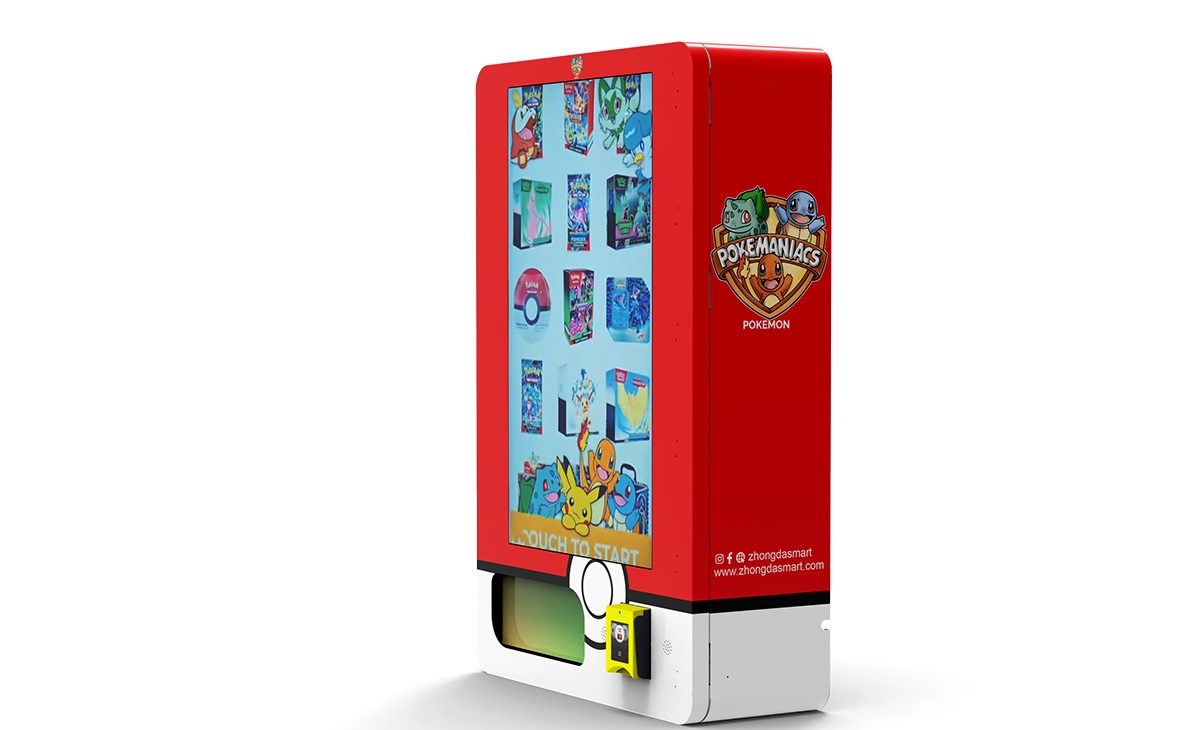
Leasing is a lower-risk way to start. Monthly payments of $200–$500 let you test the business without a large capital outlay. Once you prove the concept, buying is more profitable.
Where is the best place to put a produce vending machine?
High-traffic locations with limited fresh food access: corporate offices, hospitals, universities, apartment complexes, and 24-hour industrial facilities. Avoid locations with fewer than 150 daily passersby.
What permits or licenses are needed?
Requirements vary by city and state. Most locations require a business license, a sales tax permit, and possibly a food handling permit if you are selling fresh produce. Check with your local health department. In some European countries, you may need to register as a food business operator under local regulations.
How do I choose a supplier?
Look for a manufacturer with strong refrigeration expertise, good telemetry, and a local service network. Ask for references from other produce machine operators. Zhongda Smart is a reliable option with multi-zone cooling and responsive support.
What happens when the machine breaks down?
If you have a service contract, call your provider. If not, find a vending machine repair technician who handles refrigeration. Keep spare parts like door gaskets and sensors on hand. Remote monitoring helps you catch issues before they spoil inventory.
How can I reduce spoilage and maintenance costs?
Restock every two to three days. Use a machine with separate humidity zones. Monitor temperature remotely. Clean condenser coils quarterly. Price items to move quickly—consider dynamic pricing for items nearing their sell-by date.
Final Thoughts on Investing in a Produce Vending Machine
A produce vending machine can be a solid business if you treat it like a real operation, not a passive income stream. The margins are good, the demand is growing, and the technology has matured enough to make remote management practical. But success comes from choosing the right equipment, placing it in a location with consistent foot traffic, and staying disciplined about restocking and spoilage.
I have seen too many people buy a machine, put it in a low-traffic spot, and then wonder why it is not making money. Do not be that person. Do your homework on the location, invest in a machine with proper refrigeration and telemetry, and plan for the labor cost of frequent restocking. If you do those things, the numbers work.
This article reflects my experience and publicly available data as of early 2026. Market conditions, equipment prices, and consumer behavior will evolve, so always verify current figures before making a purchase decision.
本文更新于2026年2月