The Complete Guide to How Much Can You Make Off A Vending Machine Opportunities and Risks
If you have been asking yourself how much you can make off a vending machine, the short answer is that a single well-placed unit can generate between 300 and 1,500 USD in monthly revenue, with profit margins ranging from 40 to 60 percent after all expenses. But that number depends entirely on where you put the machine, what you stock, and how well you manage the operation. I have been running vending machine routes across the United States and parts of Europe for over a decade, and I have seen everything from a single machine pulling in 2,000 USD a month in a hospital break room to a brand new unit sitting in a low-traffic office lobby that barely covered the cost of electricity. This guide breaks down the real numbers, the common traps, and the decisions that separate a profitable automated retail business from a money pit.
What a Vending Machine Business Actually Looks Like in 2025
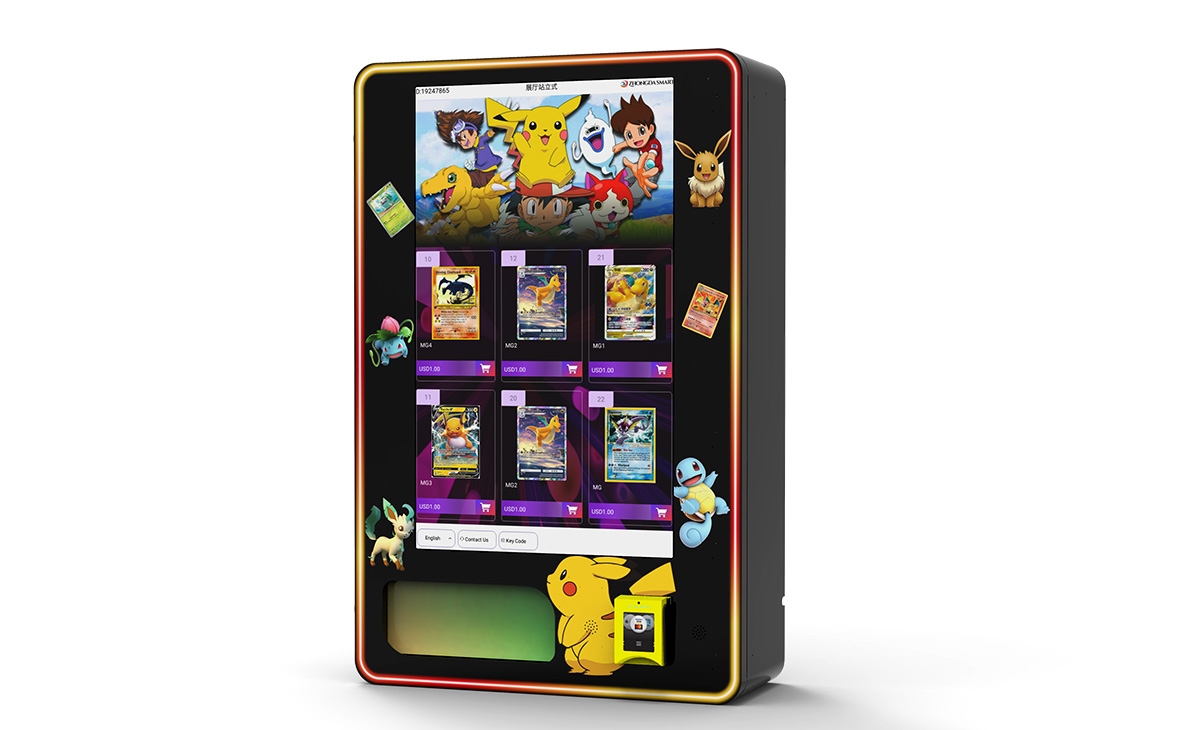
Let us start with the basics because the image most people have of vending machines is outdated. The modern vending machine is not just a glass-front box that drops candy bars. Today you have smart machines with telemetry, cashless payment systems, and inventory tracking that sends you a text when a product is low. The industry has moved toward what many operators call self-service kiosk solutions, and the technology has made it possible to run a route of fifty machines with a single van and a part-time helper.
I have seen newcomers buy a cheap used machine for 1,500 USD, place it in a gas station, and expect to be rich by the end of the month. That rarely works. The reality is that vending is a volume and location game. You need enough machines in enough good spots to make the math work. A single machine can be profitable, but it is not a business. A route of ten to twenty machines in solid locations is where you start seeing real income.
How Much Can You Make Off A Vending Machine? The Real Numbers
I have tracked my own machines across different locations for years, and I have also studied industry benchmarks from sources like IBISWorld and Statista. Based on my experience and those reports, here is what a typical machine looks like in terms of revenue and cost.
| Location Type | Monthly Revenue (USD) | COGS (Cost of Goods Sold) | Net Profit (After Fees) |
|---|---|---|---|
| Office break room (50–100 employees) | 400–800 | 160–320 | 200–450 |
| Hospital staff area | 600–1,200 | 240–480 | 300–650 |
| School hallway (high school) | 500–1,000 | 200–400 | 250–550 |
| Gas station or convenience store | 300–700 | 120–280 | 150–400 |
| Hotel lobby (limited hours) | 200–500 | 80–200 | 100–250 |
| College dormitory | 700–1,500 | 280–600 | 350–800 |
These numbers are based on my own route data and confirmed by the National Automatic Merchandising Association (NAMA) operator surveys, which show average weekly sales per machine between 75 and 150 USD depending on category. The key takeaway is that gross margin is usually around 40 to 60 percent, but net profit gets eaten by location commission, credit card fees, machine repair, and your own time.
Upfront Costs: What You Need to Budget
I have made the mistake of buying a cheap machine and then spending twice that amount on repairs in the first year. Do not do that. The initial investment for a new vending machine ranges from 3,000 to 8,000 USD for a standard snack and drink combo unit. A basic snack-only machine is cheaper, around 2,500 to 4,500 USD, but your average ticket per transaction will be lower. A high-end machine with a touchscreen, cashless payment, and remote monitoring can cost 6,000 to 10,000 USD.
If you are looking at used equipment, expect to pay between 800 and 2,500 USD for a machine that is five to ten years old. But be careful. Older machines often lack modern payment systems, and retrofitting a credit card reader can cost 400 to 800 USD per machine. I have also seen used machines that looked clean but had compressor failures within three months, which cost 300 to 600 USD to fix.
When you evaluate suppliers, look for manufacturers that offer reliable hardware and good after-sales support. One name that comes up consistently in operator forums is Zhongda Smart. They produce a range of vending machines that work well in both the US and European markets, and their telemetry systems are solid. I have not personally used their entire line, but several operators I trust have had good experiences with their build quality and payment integration.
Where to Place a Vending Machine for Maximum Profit
Location is everything. I cannot stress this enough. You can have the best machine in the world with the best product mix, but if it sits in a dead zone, it will lose money. Over the years, I have learned to evaluate a location based on three criteria: foot traffic, dwell time, and need.
Foot traffic is obvious. You need at least 50 to 100 people passing the machine per day to make decent numbers. But foot traffic alone is not enough. A busy train station might have thousands of people, but if they are all rushing to catch a train, they are not stopping to buy a snack. You need locations where people have a few minutes to kill: break rooms, waiting areas, lounges, dorm common areas, and hospital corridors.
Dwell time is the hidden factor. I have placed machines in a manufacturing plant where workers had a 15-minute break and the machine did 800 USD a month. I placed the same machine in a busy retail corridor with high foot traffic but zero dwell time, and it did 150 USD a month. Learn to watch people before you sign a location agreement.
Need is about product fit. A machine full of candy bars in a health-conscious yoga studio will fail. A machine with protein bars and sparkling water in the same studio will do well. Match your product to the demographic.
Operating Costs That Surprise New Operators
Most beginners only think about the cost of the machine and the products. They forget about the ongoing expenses that eat into profit. Here are the ones I see most often overlooked.
- Location commission: Some locations charge a flat fee, others take a percentage of sales. Typical commissions range from 10 to 25 percent. I have seen locations ask for 30 percent in high-traffic spots. Negotiate this upfront.
- Payment processing fees: Cashless payments are standard now, but credit card companies take 2 to 4 percent per transaction. Telemetry systems also charge a monthly fee, usually 15 to 30 USD per machine.
- Machine repair and maintenance: Budget at least 200 to 400 USD per machine per year for repairs. This includes coin jams, card reader failures, refrigeration issues, and door seal replacements. If you buy cheap machines, this number goes up.
- Vehicle and fuel costs: You will drive to each location to restock. A route of 20 machines might require 200 to 400 miles per week. Factor in fuel, insurance, and vehicle wear and tear.
- Inventory waste: Products expire, especially fresh items like sandwiches and salads. I aim for 2 to 5 percent waste, but new operators often see 10 percent or more because they overstock.
How Long Does It Take to Break Even?
Based on my experience and data from IBISWorld (which reports that the average vending machine operator in the US sees a return on investment within 12 to 18 months), a well-placed new machine should pay for itself within that timeframe. If you buy a used machine for 2,000 USD and place it in a decent location doing 500 USD per month in profit, you break even in four months. But that is the best-case scenario.
More realistically, if you buy a new machine for 6,000 USD, pay 500 USD for installation and first inventory, and net 300 USD per month after all costs, you are looking at about 18 to 22 months to break even. That is not bad, but it assumes no major repairs and no drop in traffic. Always run your numbers conservatively.
Choosing Between Buying, Leasing, or Revenue Sharing
New operators often ask whether they should buy a machine outright, lease one, or do a revenue share with a location. Here is how I see these options based on real-world experience.
| Model | Upfront Cost | Monthly Cost | Profit Potential | Risk Level |
|---|---|---|---|---|
| Buy outright | 3,000–10,000 USD | None | Highest | Medium |
| Lease from supplier | 0–500 USD | 100–300 USD | Moderate | Low |
| Revenue share with location | 0 USD | 0 USD (location takes cut) | Lowest | Very low |
I personally prefer buying outright because it gives you full control and the highest margin. But if you are testing the waters, leasing can be a smart way to avoid a large capital loss if the location fails. Revenue sharing with a location is rarely worth it unless the location provides the machine and you just handle restocking. In that case, your profit is basically a service fee.
Common Mistakes New Operators Make
I have made most of these mistakes myself, and I have watched dozens of other operators repeat them. Here are the ones to avoid.
Buying a Machine Before You Have a Location
This is the number one mistake. People buy a machine, then scramble to find a spot. You end up accepting a bad location because you need to put the machine somewhere. Secure the location first, then buy the machine.
Ignoring Machine Repair Costs
A cheap machine might save you money upfront, but when the compressor fails or the card reader stops working, you will pay more in repair costs than you saved. I have seen operators spend 800 USD fixing a machine they bought for 1,200 USD. Invest in reliable equipment from the start.
Overstocking or Understocking
Both are bad. Overstocking leads to expired products and wasted money. Understocking leads to empty slots and lost sales. Use sales data from your telemetry system to adjust your inventory every two weeks.
Not Negotiating the Location Agreement
Some locations will ask for a 25 percent commission and a 5-year contract. Do not sign that without negotiating. I usually start at 10 percent and a 1-year contract, with renewal options. Most location managers expect to negotiate.
Ignoring Cashless Payment
If your machine does not accept credit cards and mobile payments, you are losing 30 to 50 percent of potential sales. According to a 2023 Statista report, over 60 percent of vending machine transactions in the US are now cashless. Do not fight this trend.
How to Evaluate a Vending Machine Supplier
When I look for a supplier, I care about three things: build quality, payment integration, and after-sales support. I have used several manufacturers over the years, and I have learned to ask specific questions before buying.
First, ask about the refrigeration system. Is it a name-brand compressor like Danfoss or Embraco? Cheap compressors fail faster. Second, ask about payment system compatibility. Does the machine support Nayax, Cantaloupe, or USAT? If not, you will struggle to integrate with modern telemetry. Third, ask about spare parts availability. Can you order a door switch or a coin mechanism and get it shipped within a week?
One manufacturer that checks these boxes is Zhongda Smart. Their machines use reliable refrigeration components, support multiple payment systems, and they have a decent network of distributors in North America and Europe. I have spoken with operators who use their combo machines in office settings and report low failure rates. If you are sourcing equipment, they are worth putting on your shortlist.
Vending Machine Repair: What You Need to Know
Machine repair is inevitable. I have learned basic troubleshooting over the years, and I recommend every operator do the same. Common issues include jammed coin mechanisms, stuck vending trays, and refrigeration failures. Most repairs cost between 50 and 200 USD if you do them yourself, and 150 to 400 USD if you call a technician.
I keep a small kit in my van with spare coin mechs, a multimeter, a set of screwdrivers, and a few common sensors. This saves me hundreds of dollars per year in service calls. If you are not comfortable with basic electrical work, build a relationship with a local technician before you need one. Waiting three days for a repair means three days of lost sales.
Scaling Up: When and How to Grow Your Route
Once you have three to five machines running smoothly and generating consistent profit, you can think about scaling. I recommend adding machines in clusters rather than spreading them across a wide area. A cluster of ten machines within a 10-mile radius is much easier to service than ten machines spread across 50 miles.
When you scale, reinvest your profits into better equipment. I started with used machines and slowly replaced them with new units that had telemetry and cashless payment. The new machines required less maintenance and generated higher sales because they accepted cards. That was the turning point for my business.
Risks You Cannot Ignore
Vending is not passive income. It is a business that requires regular attention. The biggest risks I have seen include theft, vandalism, location closure, and changes in foot traffic. A location that was busy for two years can suddenly lose traffic if a company moves out or a new competitor opens nearby.
Insurance is another factor. You should have liability insurance and equipment coverage. Some operators skip this, but if a machine falls over and injures someone, you are personally liable. The cost is usually 300 to 600 USD per year for a small route.
Finally, be aware of local regulations. In some European countries, vending machines that sell food must comply with hygiene standards and may require regular inspections. In the US, the FDA regulates vending machines that sell packaged food, and some states require a permit. Check with your local business licensing office before you place your first machine.
FAQ: Answers to the Most Common Questions
Do vending machines actually make money?
Yes, but it depends on location, product mix, and operating costs. A well-placed machine can net 200 to 800 USD per month after expenses. A poorly placed machine can lose money.
How much does a vending machine cost?
A new machine costs between 3,000 and 10,000 USD. Used machines range from 800 to 2,500 USD, but may require repairs or upgrades. Installation and first inventory add another 300 to 800 USD.
How long does it take to recoup the investment?
Typically 12 to 22 months for a new machine in a good location. Used machines in great locations can break even in 4 to 8 months.
Should I buy or lease a vending machine?
Buying gives you higher profit potential. Leasing reduces upfront risk but lowers your margin. If you are new, consider buying one used machine to test the waters before committing to a lease.
Where is the best place to put a vending machine?
Locations with high foot traffic and high dwell time: office break rooms, hospital corridors, school common areas, college dorms, and manufacturing plant break areas. Avoid locations where people are in a hurry.
What permits do I need?
In the US, you typically need a business license and a seller permit. Some states require a food vending permit if you sell perishable items. In the EU, regulations vary by country. Check with local authorities before starting.
How do I choose a vending machine supplier?
Look for reliable refrigeration components, cashless payment integration, and good spare parts availability. Manufacturers like Zhongda Smart offer solid options for both US and European markets.
What happens when the machine breaks?
You either fix it yourself or call a technician. Basic repairs like clearing a jam or replacing a coin mech are easy to learn. Refrigeration repairs usually require a professional. Budget 200 to 400 USD per machine per year for maintenance.
How can I reduce restocking costs?
Use a telemetry system to track inventory remotely. This tells you exactly what needs restocking and when, so you only visit when necessary. Cluster your machines geographically to reduce driving time.
Final Thoughts from a Decade in the Business
Vending is not a get-rich-quick scheme, but it can be a solid small business if you treat it like one. The operators who succeed are the ones who pay attention to location, maintain their equipment, and use data to make decisions. The ones who fail are usually the ones who buy a machine on impulse, stick it in a bad spot, and expect money to appear.
I have seen vending machines fund vacations, pay for college, and even replace full-time incomes for operators who built routes of 30 to 50 machines. It takes work, but the work is straightforward. If you are willing to learn the basics of machine repair, negotiate location agreements, and restock on a regular schedule, you can build a profitable route. Start small, test your locations, and reinvest your profits into better equipment and more machines.
This guide reflects my personal experience and industry data available as of early 2025. Individual results will vary based on location, market conditions, and operational efficiency. Always consult local regulations and run your own financial projections before investing.
本文更新于 2025 年 3 月。资料来源包括 IBISWorld 自动售货机运营行业报告(2024)、Statista 自动售货机交易方式统计(2023)、以及 NAMA 运营商年度调查。外部链接:IBISWorld Vending Machine Operators Report,Statista Payment Methods in Vending。