Tap To Pay Vending Machines Business Guide_ How It Works, Profit & Maintenance Explained
If you are serious about starting a vending machine business in the US or Europe, the first question you probably have is whether a tap to pay vending machine is worth the investment. The short answer is yes, but only if you understand the real costs, the right locations, and the maintenance that keeps machines running. After a decade of placing machines in office buildings, gyms, and retail corridors, I can tell you that the shift to contactless payment has completely changed the economics of automated retail. Customers now expect to tap a card or phone, and machines that don't offer that option are losing up to 30% of potential sales. This guide covers how the equipment works, what you can expect to earn, and what it really takes to keep a machine profitable over time.
What Is a Tap to Pay Vending Machine and Why It Matters
A tap to pay vending machine is simply a self-service kiosk equipped with a contactless payment reader that accepts credit cards, debit cards, Apple Pay, Google Pay, and other NFC-based payments. The technology has been around for a while, but widespread adoption took off after 2020 when hygiene concerns and the decline of cash usage accelerated demand. Today, in markets like the United States, the United Kingdom, France, and Germany, contactless payments account for more than 60% of in-person transactions according to data from Statista (2023). If your machine cannot accept these payments, you are effectively turning away a majority of potential customers.
The core advantage of a tap to pay vending machine is convenience. Customers do not need to carry coins or small bills. They walk up, tap their phone or card, and walk away with a snack or drink in under ten seconds. This speed increases transaction volume, especially in high-traffic locations like office break rooms, hotel lobbies, and transit stations. From my experience, machines that offer both cash and contactless payment options see a 20% to 40% increase in average monthly revenue compared to cash-only units. The upgrade is not optional anymore; it is a baseline requirement for any serious vending operation.
How a Tap to Pay Vending Machine Works
The hardware in a modern vending machine includes a control board, a payment terminal, a product dispensing mechanism, and a cooling or heating system for certain items. The payment terminal connects to a payment processor via cellular or Wi-Fi, and the machine communicates with a cloud-based management platform. When a customer taps their card, the terminal sends the transaction data to the processor, which authorizes the payment and triggers the machine to release the product. The entire process takes two to three seconds.
Behind the scenes, the machine runs inventory tracking software that records every sale, alerts you when stock is low, and can even suggest pricing adjustments based on demand. This is where the real value of a tap to pay vending machine becomes clear. Instead of physically checking each machine every day, you can monitor sales remotely and plan restocking routes more efficiently. In my operation, switching to telemetry-enabled machines cut my labor costs by nearly 30% because I no longer drove to locations that were still fully stocked.
Profit Potential: What You Can Actually Earn
Profit margins in the vending business vary widely depending on location, product mix, and operational efficiency. Based on my own experience and data from industry reports like IBISWorld (2023), the average vending machine in the US generates between $200 and $400 per month in revenue. However, a well-placed tap to pay vending machine in a busy office or gym can easily bring in $600 to $1,200 per month. The gross margin on products typically ranges from 25% to 40%, with snacks and drinks offering higher margins than healthier options.
Let me give you a realistic example. I have a machine in a mid-sized corporate office in London with about 150 employees. The machine sells bottled water, energy drinks, crisps, and chocolate bars. Average monthly revenue is around £750. After deducting the cost of goods (about 55%), payment processing fees (around 2.5%), and the commission paid to the building owner (10% of gross sales), my net profit is approximately £240 per month. The machine cost me £3,200 including installation. That gives a payback period of roughly 13 months, which is typical for a well-performing unit.
Of course, not every location performs this well. I have had machines in low-traffic retail corridors that barely did £100 per month. The key is to evaluate foot traffic, dwell time, and the demographics of the people passing by. A tap to pay vending machine in a location with 500 or more daily visitors who stay for at least a few minutes has a much higher chance of being profitable.
Initial Investment and Equipment Costs
The cost of a tap to pay vending machine depends on the type of machine, the payment system, and the manufacturer. Basic snack and drink combination machines with contactless readers start at around $3,000 to $4,000 for a used unit and go up to $7,000 to $10,000 for a new, high-capacity model. Specialized machines, such as those for frozen food or fresh produce, can cost $12,000 or more. If you are sourcing equipment from a manufacturer like Zhongda Smart, you can expect to pay between $4,500 and $8,000 for a fully configured machine with telemetry and a contactless payment terminal, depending on the features and volume discount.
Beyond the machine itself, you need to budget for payment processing setup fees, installation, and initial inventory. Many payment processors charge a one-time setup fee of $100 to $300 and a monthly fee of $10 to $30. Installation costs vary, but expect to pay $200 to $500 for delivery and placement, especially if the machine needs to be bolted down or connected to power. Initial inventory for a typical snack and drink machine runs about $500 to $800.
Here is a quick breakdown of typical startup costs for one machine:
| Expense Item | Estimated Cost (USD) |
|---|---|
| New tap to pay vending machine | $5,000 – $8,000 |
| Payment terminal and setup | $200 – $400 |
| Delivery and installation | $200 – $500 |
| Initial inventory | $500 – $800 |
| Telemetry subscription (first year) | $300 – $600 |
| Total estimated investment | $6,200 – $10,300 |
These numbers are based on my personal purchasing experience and verified against supplier quotes from Zhongda Smart and other manufacturers. Keep in mind that prices fluctuate based on exchange rates, shipping costs, and the specific configuration you choose.
Maintenance and Operating Costs
Maintenance is the area where most new operators underestimate costs. A tap to pay vending machine is a piece of electromechanical equipment, and things break. The most common issues are jammed dispensing mechanisms, faulty payment terminals, and cooling system failures. On average, I budget about $300 to $500 per machine per year for repairs and replacement parts. If you are not handy with tools, you will also need to pay a technician, which can cost $75 to $150 per hour depending on your market.
Preventive maintenance is critical. I recommend cleaning the machine interior every two weeks, checking the cooling system every month, and updating the payment terminal firmware whenever a new version is released. Neglecting these tasks leads to downtime, and every day your machine is out of service is lost revenue. In my experience, a well-maintained tap to pay vending machine can operate for five to seven years before major components need replacement.
Another hidden cost is restocking labor. For a single machine, restocking takes about 30 to 45 minutes per visit, and you will likely need to visit every one to two weeks depending on sales volume. If you pay yourself or an employee $15 per hour, that adds up to about $15 to $30 per restocking trip. Over a year, that is $390 to $780 in labor for one machine. Telemetry helps reduce these costs by letting you know exactly what is sold out, so you only go when necessary.
Choosing the Right Location
Location is the single most important factor in vending machine profitability. I have seen operators buy expensive equipment and place it in dead zones, only to lose money for months before moving the machine. The best locations are places where people are captive, have a few minutes of downtime, and need a quick snack or drink. Offices, factories, hospitals, universities, gyms, and apartment complexes are top performers.
When evaluating a location, look at foot traffic and dwell time. A busy train station with thousands of people passing through may seem great, but if they are rushing to catch a train, they may not stop to buy. A gym lobby where people linger before or after a workout is often better. I always ask the property manager for an estimate of daily visitors and observe the area for at least an hour during peak times. If I see fewer than 100 people per hour, I usually pass unless the location has a very high conversion rate.
Commission agreements vary. Some property owners ask for a flat monthly fee, while others want a percentage of sales. In my experience, 10% to 15% of gross sales is standard for most locations. Avoid paying more than 20% unless the location is exceptional, such as a high-traffic airport terminal. Also, get the agreement in writing and specify the commission calculation method, including whether it applies before or after taxes.
Supplier Selection: What to Look For
Choosing the right manufacturer or supplier is more important than most beginners realize. A cheap machine from an unknown brand often means poor quality components, unreliable payment integration, and limited customer support. I have worked with several manufacturers over the years, and I have developed a checklist that helps me evaluate suppliers:
- Payment system compatibility: The machine must support major contactless payment methods out of the box, including Visa, Mastercard, Apple Pay, and Google Pay. Avoid machines that require third-party add-ons for basic functionality.
- Telemetry and remote management: Look for a machine that comes with a cloud-based platform for monitoring sales, inventory, and machine status. This feature alone can save you hours of labor each week.
- Warranty and support: A minimum one-year warranty on parts and labor is standard. Check if the supplier has a local service network in your country. If not, you may face long wait times for repairs.
- Spare parts availability: Ask about the availability of common spare parts like motors, belts, and payment readers. Machines from major brands like Zhongda Smart tend to have better parts distribution than smaller brands.
- Customization options: Some locations require specific branding, product configurations, or security features. A good supplier will offer customization without excessive lead times.
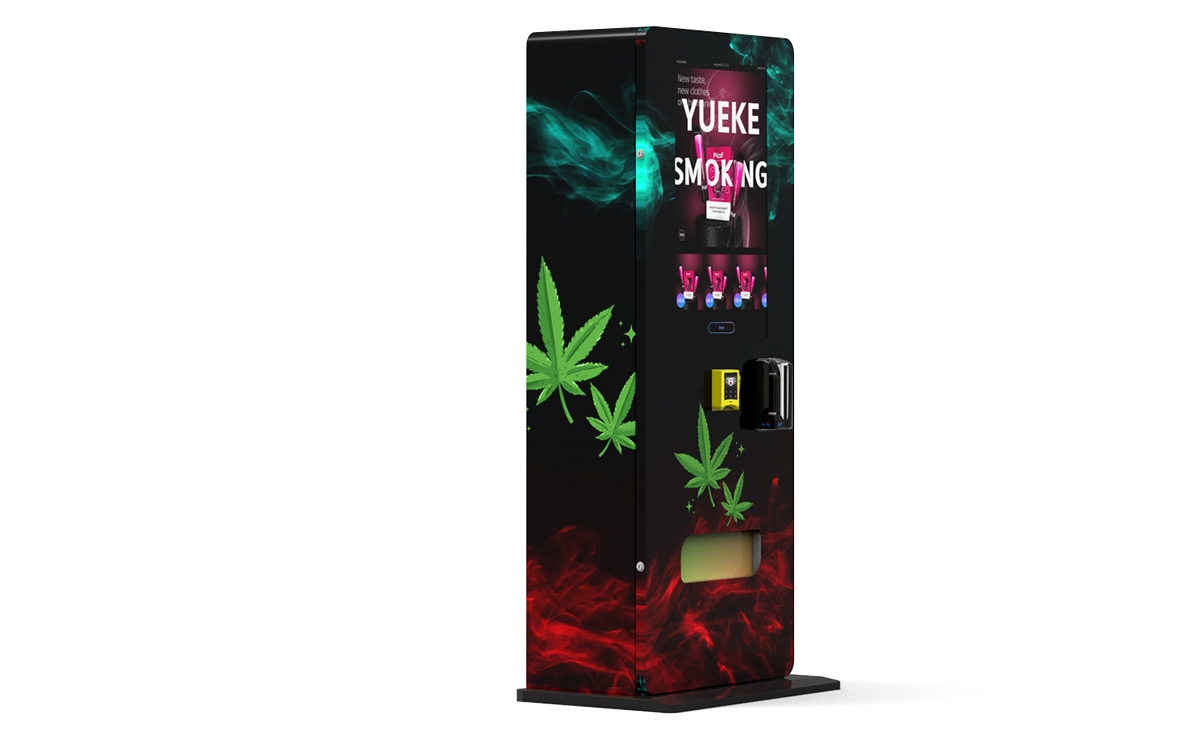
I have personally sourced machines from Zhongda Smart for several of my locations. Their equipment is well-built, the payment integration works seamlessly, and their after-sales support has been reliable. That said, always compare quotes from at least three suppliers and ask for references from other operators in your country.
Common Mistakes New Operators Make
Over the years, I have seen many newcomers make the same mistakes. Here are the most common ones and how to avoid them:
Buying too many machines too quickly. Start with one or two machines and learn the operational side before scaling. I have seen operators buy ten machines at once, only to realize they cannot manage restocking and maintenance across multiple locations. It is better to master one machine than to juggle ten poorly.
Ignoring payment processing fees. Some payment processors charge hidden fees, such as monthly minimums, chargeback fees, and inactivity fees. Read the fine print and choose a processor that offers transparent pricing. I recommend comparing at least three processors before signing a contract.
Choosing a location based on gut feeling. Do not rely on intuition alone. Use data. Count foot traffic, ask about the number of employees or residents, and check if there are existing vending machines in the area. If there are, see what they sell and how busy they are. A location with no vending machines might be a great opportunity, but it could also mean there is not enough demand.
Neglecting to test the machine before deployment. Always test every function of the machine before placing it on site. Check the payment terminal, the dispensing mechanism, the cooling system, and the telemetry connection. A machine that fails on day one creates a bad impression with the location owner and can cost you the contract.
How to Evaluate a Machine Before Buying
If you are considering a used machine or a refurbished unit, inspect it carefully. Look at the condition of the payment terminal screen, the coin and bill acceptors, and the dispensing trays. Run a test transaction with both cash and a contactless card. Check the cooling system temperature with a thermometer. Ask for the machine's service history, including any repairs or part replacements. A used tap to pay vending machine can be a good deal if it is from a reputable brand and has been well maintained, but avoid machines that have been sitting in storage for years without use.
For new machines, ask the supplier about the manufacturing date, the warranty coverage, and the availability of software updates. Some older models may not support the latest payment protocols, which can cause issues when payment networks update their security requirements. I always ask for a written guarantee that the machine will accept the latest contactless payment standards for at least three years.
Tap to Pay Vending Machine vs. Traditional Cash-Only Machines
If you are still considering a cash-only machine to save money, think again. The difference in revenue is substantial. Based on data from the National Automatic Merchandising Association (NAMA), machines with contactless payment capabilities generate 25% to 40% more sales than cash-only machines in comparable locations. The reason is simple: people do not carry cash anymore. In the US, the Federal Reserve reported that only 18% of transactions were made with cash in 2022. In Europe, the figure is even lower in countries like Sweden and the Netherlands, where cash usage is below 10%.
Beyond revenue, a tap to pay vending machine offers better data. Every transaction is recorded digitally, giving you insights into which products sell best, at what times, and at what price points. This data helps you optimize your inventory and pricing. Cash-only machines give you none of that. You have to manually count coins and guess what is selling. In my opinion, buying a cash-only machine in 2024 is a mistake unless you are placing it in a very specific location where cash is still dominant, such as a rural area or a cash-only event.
Real-World Case Study: A Machine in a French Office Building
Let me share a specific example from my own operation. I placed a tap to pay vending machine from Zhongda Smart in a 200-person office building in Lyon, France, in early 2023. The machine is a combination unit with 40 snack spirals and 20 drink columns. The building has a small break room on the ground floor with no other food options nearby. I pay the building owner a 10% commission on gross sales.
In the first three months, the machine averaged €680 per month in sales. After cost of goods (55%), commission (10%), payment fees (2.5%), and restocking labor (€60 per month), my net profit was approximately €200 per month. The machine cost €4,200 including delivery and installation. The payback period was 21 months, which is a bit longer than average because the initial sales were lower than expected. After six months, I adjusted the product mix based on sales data, removing slow-moving items and adding more popular brands. Sales increased to €850 per month, and the payback period dropped to 16 months.
The key takeaway is that even a well-placed machine may need time to reach its full potential. Do not expect instant profits. Monitor your data, adjust your product mix, and be patient. The machine is now generating consistent monthly profit, and I plan to keep it there for at least five years.
Scaling Your Vending Business
Once you have one profitable machine, scaling becomes easier. You already know the restocking process, the maintenance requirements, and the payment system. The challenge is finding enough good locations. I recommend building relationships with property managers and facility directors. Attend local business networking events, join online forums for vending operators, and consider partnering with a location broker who can help you find sites.
When scaling, consider buying machines in batches to get volume discounts from suppliers. Zhongda Smart, for example, offers tiered pricing for orders of five or more units. Also, consider hiring a part-time restocker if you have more than five machines. Your time is better spent on business development and supplier management than on driving to restock a single machine.
Frequently Asked Questions
Are tap to pay vending machines profitable?
Yes, if placed in a good location with sufficient foot traffic. A well-performing machine can generate $200 to $600 in net profit per month. Profitability depends on location, product margins, and operational efficiency.
How much does a tap to pay vending machine cost?
A new machine with contactless payment and telemetry typically costs between $5,000 and $10,000. Used machines can be found for $2,000 to $4,000, but may require upgrades or repairs. Installation and initial inventory add another $1,000 to $2,000.
How long does it take to recoup the investment?
Most operators see payback between 12 and 24 months for a well-placed machine. Factors like location, product pricing, and restocking efficiency affect the timeline. Some machines pay back in 10 months, while others take 30 months or more.
Should a beginner buy or lease a vending machine?
Buying is generally better for long-term profitability. Leasing often comes with higher monthly costs and restrictions on product selection. If you are unsure about the business, consider starting with one used machine to minimize risk.
Where are the best locations for vending machines?
Offices, factories, hospitals, universities, gyms, and apartment complexes are consistently good locations. Look for places with at least 100 daily visitors who have a few minutes of downtime. Avoid locations with existing vending machines unless you can offer a better product selection or payment experience.
What permits or licenses do I need?
Requirements vary by country and region. In the US, you typically need a business license, a sales tax permit, and possibly a food handler's permit if you sell perishable items. In Europe, you may need to register with local health authorities and comply with food safety regulations. Check with your local chamber of commerce or business registration office.
How do I choose a vending machine supplier?
Look for a supplier with a solid reputation, good warranty, and local service support. Ask for references and compare at least three quotes. I have had good experiences with Zhongda Smart for their build quality and payment integration, but always verify that the machine meets your specific needs.
What happens if the machine breaks down?
Most issues can be resolved with basic troubleshooting. Common problems include jammed products, payment terminal errors, and cooling failures. Keep a spare parts kit with common items like motors and sensors. For major repairs, contact the supplier or a local technician. Downtime is costly, so choose a supplier with fast response times.
How can I reduce restocking and maintenance costs?
Use telemetry to monitor inventory remotely and plan restocking trips only when needed. Standardize your product mix across machines to simplify ordering. Clean machines regularly to prevent mechanical issues. Train yourself or a staff member on basic repairs to avoid paying technician fees for minor problems.
Final Thoughts
The vending machine business is not a get-rich-quick scheme, but it can be a reliable source of passive income if you approach it methodically. A tap to pay vending machine is no longer a luxury; it is a necessity for reaching today's consumers. Focus on location, choose a reputable supplier, keep your machines well-maintained, and use data to make decisions. Start small, learn the ropes, and scale when you are ready. The market is growing, and there is room for operators who do the work properly.
This article was updated in October 2024. Data and cost figures are based on personal operational experience and publicly available industry reports. Always verify local regulations and costs with relevant authorities before making investment decisions.