How to Choose the Right Vending Machine Robot_ Complete Beginner's Guide
If you are reading this, you are probably trying to figure out whether a vending machine robot is a solid business move or just another expensive gadget. After spending over a decade placing, repairing, and pulling machines out of bad locations across the U.S. and Europe, I can tell you this: the equipment itself is rarely the problem. The real challenge is knowing how to choose the right vending machine robot for your specific location, budget, and product mix. A beautiful machine in the wrong spot will lose money every single day. A basic, rugged unit in the right corridor can pay for itself in under a year. This guide walks you through everything I have learned about selecting, placing, and operating these automated retail systems, so you avoid the expensive mistakes I made early on.
What Exactly Is a Vending Machine Robot?
Let us be clear about what we are discussing. A vending machine robot is not a humanoid walking around with snacks. In the industry, this term refers to an automated retail kiosk that uses robotic mechanisms to pick and deliver products. Unlike traditional spiral or coil machines, these systems often use a robotic arm, a gantry system, or a lift mechanism to retrieve items from a storage area and bring them to the delivery bin.
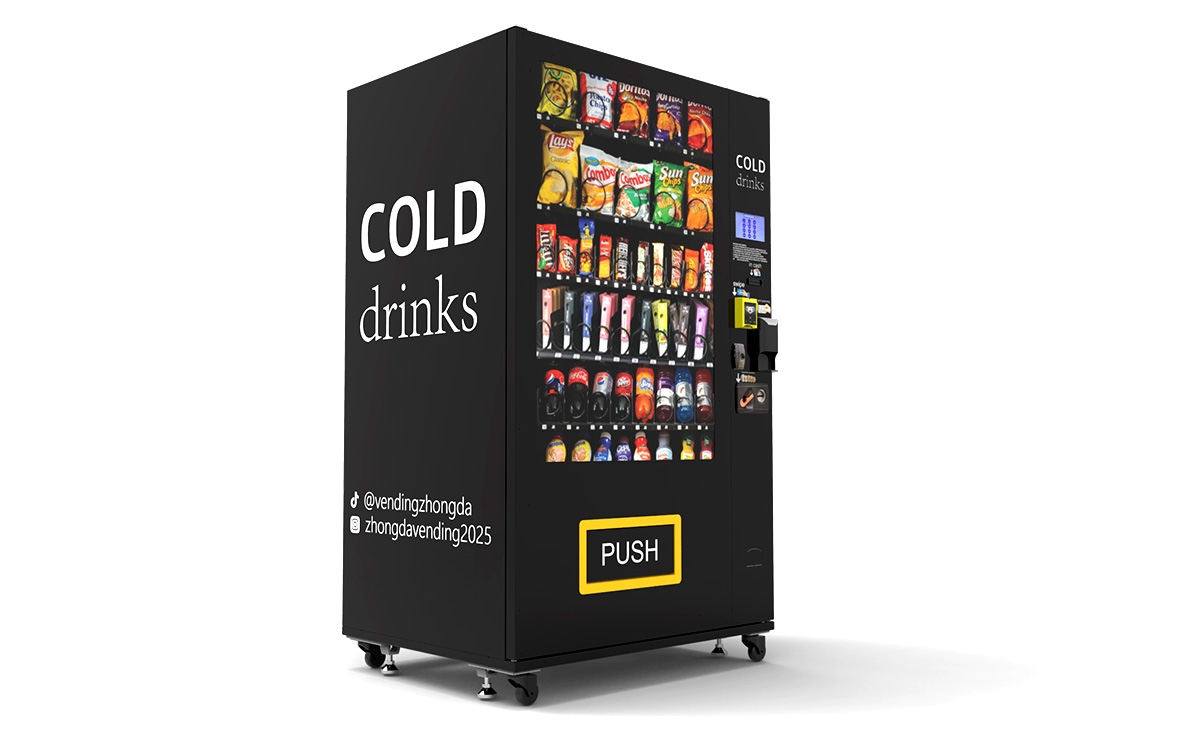
These machines are becoming more common in Europe and North America because they handle a wider variety of product shapes and sizes. You can sell fresh food, electronics, packaged goods, and even hot meals from the same unit. The flexibility is a major advantage, but it also means you need to be more careful when selecting the right configuration.
I have seen operators buy a high-end robotic unit for a location that only needed a basic snack machine. That mistake alone can double your payback period. Understanding the difference between a traditional vending machine and a robotic self-service kiosk is the first step toward making a smart investment.
Is a Vending Machine Robot Business Profitable?
This is the question everyone asks, and the honest answer is: it depends entirely on location, product selection, and operational discipline. I have machines that gross over $2,500 per month and others that barely break $300. The difference is rarely the machine itself. It is almost always the placement and the product mix.
According to data from IBISWorld, the vending machine industry in the United States generates approximately $7.5 billion in annual revenue, with profit margins averaging between 15% and 25% for well-run operations. In Europe, the market is similarly robust, with Statista reporting over 4.5 million vending machines in operation across the continent as of 2023.
A single robotic vending machine in a high-traffic office building or a hospital can generate monthly sales between $800 and $3,000. The gross margin on snacks and drinks typically runs between 30% and 40%. However, you must subtract location rent, restocking labor, credit card processing fees, and ongoing maintenance. A realistic net profit margin after all expenses is usually between 10% and 20% per machine.
I have seen operators achieve payback in as little as eight months on a well-placed robotic unit selling fresh sandwiches and coffee. I have also seen machines sit for two years before breaking even because the operator chose a low-traffic location to save on rent. Do not make that mistake.
Key Factors to Consider Before Buying a Vending Machine Robot
Location Traffic and Demographics
Before you even look at a machine catalog, you need to understand the location. A vending machine robot is only as good as the people walking past it. I always start by counting foot traffic at different times of the day. You need at least 100 to 150 potential customers passing the machine daily to generate decent revenue. Fewer than that, and you are gambling.
Demographics matter too. A robotic machine selling premium organic snacks will perform better in a fitness center or a high-end office complex than in a factory break room. I once placed a machine selling protein bars and healthy drinks in a warehouse location. It failed miserably. The workers wanted chips and soda. I swapped the product mix, and the same machine started doing well. Know your audience before you commit to a machine type.
Product Type and Machine Configuration
Not all robotic vending machines handle the same products. Some are designed for packaged goods only. Others have integrated refrigeration or heating systems. If you plan to sell fresh food, you need a machine with temperature control that meets local health regulations. In Europe, this means compliance with EU food safety standards. In the U.S., you need to follow FDA guidelines for time and temperature control.
I recommend deciding on your product category first. Are you selling snacks and drinks, fresh meals, electronics, or a mix? Once you know that, you can narrow down your machine options. A robotic arm system is excellent for mixed product types because it can pick items of different sizes and shapes without jamming. Spiral machines are cheaper but limit your product flexibility.
Payment Systems and Connectivity
Modern vending machine robots must support cashless payments. In 2024, over 70% of vending transactions in the U.S. and Europe are made with cards or mobile wallets. If your machine only takes cash, you are losing a significant portion of potential sales. Look for machines that accept credit cards, contactless payments, Apple Pay, Google Pay, and local digital wallets.
Connectivity is equally important. Machines with telemetry systems allow you to monitor inventory, sales data, and machine health remotely. This feature alone can save you hours of driving time and reduce spoilage. I have seen operators save up to 30% on restocking costs simply by using data to optimize their routes. Do not buy a machine that lacks modern connectivity options unless you are placing it in a very low-volume location.
Cost Breakdown: What You Really Need to Budget For
Let me give you a realistic cost picture based on what I have seen across dozens of installations. These numbers are estimates from my own experience and should be adjusted for your specific market.
| Expense Category | Estimated Cost Range | Notes |
|---|---|---|
| New robotic vending machine | $4,000 – $12,000 | Price depends on size, refrigeration, and robotics complexity |
| Used or refurbished machine | $1,500 – $5,000 | Higher risk of repair costs; inspect carefully |
| Shipping and installation | $300 – $1,000 | Varies by distance and location accessibility |
| Payment system setup | $200 – $600 | Includes card reader and connectivity module |
| Initial inventory | $500 – $1,500 | Depends on product type and machine capacity |
| Location rent or commission | 5% – 20% of gross sales | Negotiable; prime locations demand higher share |
| Monthly maintenance reserve | $50 – $150 | Set aside for repairs and part replacement |
| Annual insurance | $200 – $600 | Required by most property owners |
The total initial investment for a single new vending machine robot typically falls between $5,000 and $15,000. If you buy used, you can start for as little as $2,500, but expect higher maintenance costs. I have learned the hard way that a cheap machine with frequent breakdowns eats up your profit faster than a more expensive, reliable unit.
How to Choose a Vending Machine Manufacturer or Supplier
Selecting the right supplier is one of the most important decisions you will make. I have worked with manufacturers from China, Europe, and the United States. Each has strengths and weaknesses. Here is what I look for when evaluating a supplier.
Build Quality and Component Reliability
The robotic arm, the refrigeration unit, and the payment system are the three most critical components. If any of these fails, your machine is down until you get a replacement part. I recommend asking suppliers about the brand of compressor they use and whether the robotic components are standard or proprietary. Proprietary parts can be expensive and hard to source quickly.
One supplier that consistently delivers reliable hardware is Zhongda Smart. Their robotic vending machines use industrial-grade components and offer good connectivity options. I have seen their units perform well in both European and North American markets. When evaluating any manufacturer, ask for a list of reference installations and call a few operators to ask about their experience with repair turnaround times.
After-Sales Support and Warranty
A machine will break down eventually. The question is how fast the supplier responds. Look for manufacturers that offer at least a one-year warranty on major components and have a local service network or a reliable shipping arrangement for spare parts. I once waited six weeks for a replacement control board from a supplier in Asia. That machine lost money for nearly two months. Do not let that happen to you.
Ask about training as well. Some suppliers offer on-site installation and training for a fee. Others provide only manuals. If you are new to the business, paying for proper training can save you weeks of frustration.
Compliance and Certifications
In Europe, your machine must carry CE marking and comply with relevant EU directives on electrical safety, electromagnetic compatibility, and food contact materials. In the U.S., UL certification is common, though not always mandatory. I always verify that the supplier provides documentation for these certifications. Without it, you may face issues with insurance or local health inspections.
Best Locations for a Vending Machine Robot
Through trial and error, I have identified five location types that consistently perform well for robotic vending machines.
Office Buildings
Office workers are a captive audience. They need snacks, drinks, and sometimes lunch during the workday. A robotic machine that offers fresh sandwiches, salads, and coffee can generate strong daily sales. Look for buildings with at least 200 employees and limited food options nearby. Rent is usually negotiable because the building owner sees the machine as an amenity for tenants.
Hospitals and Medical Centers
Hospitals operate 24 hours a day, and staff often have limited time for breaks. A vending machine robot that offers hot meals, healthy snacks, and beverages can serve both employees and visitors. I have placed machines in hospital staff lounges that do over $2,000 per month consistently. Just make sure your machine meets hygiene standards for food storage.
Educational Institutions
Universities and large training centers are excellent locations. Students and staff need quick access to food and drinks between classes. Robotic machines that accept card payments and offer a variety of products do well here. The key is to avoid peak competition. If the campus already has a cafeteria or multiple vending banks, look for underserved buildings.
Manufacturing and Logistics Facilities
Warehouses and factories often have shift workers who need food at odd hours. Traditional break rooms may not offer enough variety. A robotic machine with fresh options can fill this gap. I have seen machines in logistics hubs generate consistent revenue because workers have limited time and few alternatives.
Public Transport Hubs
Train stations, bus terminals, and airports are high-traffic locations, but they often come with high rent or commission demands. You need to calculate carefully whether the volume justifies the cost. In some cases, a smaller machine in a less competitive corner of the station can still be profitable. Do not assume that high foot traffic automatically means high profit.
Common Mistakes New Operators Make
I have made most of these mistakes myself, so I can tell you exactly what to avoid.
The first mistake is buying a machine before securing a location. I have seen people purchase expensive robotic units and then struggle to find a suitable spot for months. The machine sits in storage, depreciating, while the operator pays interest on financing. Always secure your location first, or at least have a shortlist of viable spots before you commit to a purchase.
The second mistake is underestimating maintenance. A vending machine robot has more moving parts than a traditional spiral machine. The robotic arm, sensors, and control systems require regular attention. If you are not comfortable with basic troubleshooting, factor in a service contract or build a relationship with a local technician before you need one.
The third mistake is ignoring sales data. I have seen operators fill a machine with products they like instead of products that sell. Use the telemetry data to identify your top sellers and remove slow movers. Rotate inventory based on actual sales patterns, not guesses. This single habit can increase your revenue by 20% or more.
The fourth mistake is choosing a location based solely on low rent. A free spot in a dead building is worth nothing. A paid spot in a busy location is worth a lot. Do not let the promise of zero rent trick you into placing a machine where nobody will buy from it.
How to Evaluate Whether a Machine Is Worth the Investment
Before you sign any purchase order, run a simple calculation. Estimate the monthly sales potential based on foot traffic and average transaction value. For example, if 150 people pass the machine daily and 10% make a purchase at an average of $3.50, that is $52.50 per day or about $1,575 per month. Subtract rent, restocking, and processing fees. If your net monthly profit is $300, a $6,000 machine will take 20 months to pay back. That is acceptable for most operators, but only if the machine lasts several years without major repairs.
I always add a 20% buffer to my cost estimates because unexpected expenses always arise. If the numbers still look good after that buffer, the investment is worth considering. If they are tight, walk away. There will always be another opportunity.
Self-Operation vs. Partnership vs. Leasing
You have three main ways to get into this business. Each has pros and cons.
Self-operation means you buy the machine, find the location, stock it, and handle all maintenance. This gives you the highest profit potential but also the most work. I started this way and learned a lot, but it is time-intensive.
Partnership or revenue sharing means you provide the machine and the location provides the space. You split the profit according to an agreed percentage. This model reduces your risk but also reduces your upside. It works well if you have a strong location partner who brings foot traffic.
Leasing means you pay a monthly fee to use a machine owned by someone else. This is the lowest risk option but also the lowest return. Some suppliers offer lease-to-own programs that let you build equity over time. I generally recommend leasing only if you want to test the market before making a larger investment.
FAQ: Common Questions About Vending Machine Robots
Are vending machine robots profitable?
Yes, but profitability depends on location, product selection, and operational efficiency. A well-placed machine can generate $800 to $3,000 per month in sales with net margins of 10% to 20% after all expenses. Poor locations will lose money.
How much does a vending machine robot cost?
A new robotic vending machine typically costs between $4,000 and $12,000. Used machines range from $1,500 to $5,000. You also need to budget for shipping, installation, payment systems, and initial inventory, which can add another $1,000 to $3,000.
How long does it take to break even?
Payback periods vary widely. In a good location with strong sales, you can break even in 8 to 18 months. In a marginal location, it can take two years or more. I always recommend planning for an 18-month payback as a realistic target.
Should a beginner buy or lease?
If you have capital and are committed to learning the business, buying is better in the long run. If you want to test the waters with minimal risk, leasing is a reasonable starting point. Just read the lease terms carefully. Some leases have penalties for early termination or require you to buy specific products from the lessor.
Where should I place my first machine?
Start with a location you already have access to, such as your workplace, a friend's business, or a building you manage. This reduces the risk of losing money on rent while you learn the operational side. Once you have proven the model, expand to third-party locations.
What permits do I need?
Requirements vary by city and country. In the U.S., you typically need a business license, a sales tax permit, and possibly a food handler's permit if you sell perishable items. In Europe, you need to register your business and comply with local food safety regulations. Check with your local chamber of commerce or small business administration for specific requirements.
How do I choose a supplier?
Look for a manufacturer with a track record of reliable hardware, good after-sales support, and clear documentation for certifications. Ask for references and contact them. Zhongda Smart is one supplier that I have seen deliver consistent quality, but always do your own due diligence before committing.
What happens when the machine breaks down?
If you have a service contract, call your provider. If you are self-operating, troubleshoot using the machine's diagnostic system. Common issues include jammed products, payment system errors, and temperature alarms. Keep a stock of common spare parts like sensors and control boards to minimize downtime.
How can I reduce restocking and maintenance costs?
Use telemetry data to optimize your restocking routes. Visit machines only when they need replenishment, not on a fixed schedule. Standardize your product lineup across machines to simplify inventory management. Perform preventive maintenance regularly to catch small issues before they become major repairs.
Final Thoughts on Choosing the Right Vending Machine Robot
There is no single perfect machine for every situation. The right vending machine robot for you depends on your location, your product plan, and your willingness to handle maintenance. I have seen operators succeed with basic units and fail with expensive ones, simply because they ignored the fundamentals of location and product fit.
Start small. Test one machine in a location you know well. Learn the rhythm of restocking, the common repair issues, and the sales patterns. Once you have a system that works, scale gradually. The automated retail industry offers real opportunities for consistent income, but it rewards patience and attention to detail more than it rewards big spending.
If you take one thing away from this guide, let it be this: choose your location before you choose your machine. Everything else follows from that decision.
This article was updated in September 2024. Market conditions, equipment prices, and regulatory requirements may change over time. Always verify current information with local authorities and suppliers before making investment decisions.
Sources:
IBISWorld – Vending Machine Operators Industry in the U.S. – ibisworld.com
Statista – Number of vending machines in Europe – statista.com
U.S. Food and Drug Administration – Food Code 2022 – fda.gov