Best Vending Machine Fridge in 2026_ Ultimate Guide, Costs, and Buying Tips
If you are looking into the best vending machine fridge in 2026, you are probably trying to figure out whether this business still makes sense, how much you need to invest, and what equipment actually holds up over time. I have been operating vending machines across the United States and parts of Europe for over a decade, and I can tell you that the market has shifted significantly in the last few years. The days of simply buying a cheap soda machine and hoping for the best are long gone. Today, the best vending machine fridge combines reliable cooling technology, cashless payment integration, remote monitoring, and energy efficiency. In this guide, I will walk you through everything I have learned about selecting, placing, and operating these machines, including real cost data, common mistakes, and practical tips that most beginners overlook.
What a Vending Machine Fridge Really Is and Where It Works
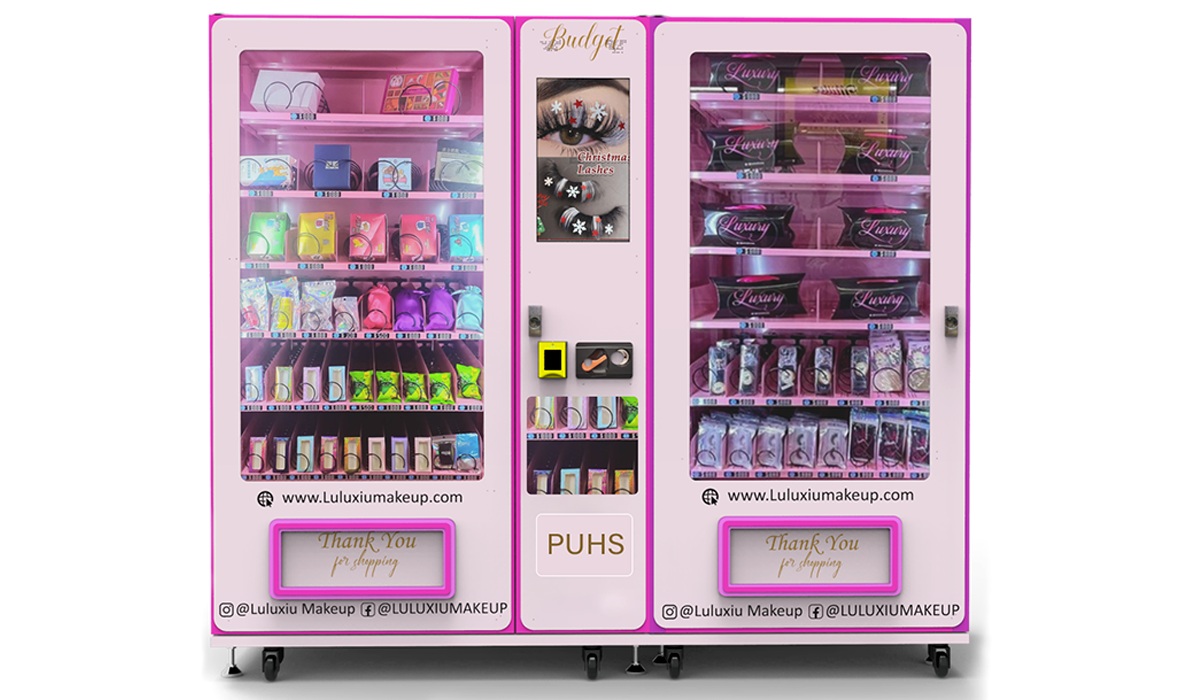
A vending machine fridge is essentially a self-contained refrigerated unit designed to sell products without a human attendant. Unlike a standard snack machine that holds shelf-stable items, a vending machine fridge keeps perishable goods at safe temperatures. This opens up a much wider range of product categories, including fresh sandwiches, salads, yogurt, fruit cups, dairy-based drinks, and even meal kits.
In my experience, the most profitable placements for these machines are locations where people need quick, fresh food options. Office buildings, hospitals, gyms, schools, manufacturing facilities, and transportation hubs all work well. I have also seen success in smaller settings like auto repair shops, hair salons, and apartment building lobbies, provided the foot traffic is consistent.
One thing I always tell new operators is that a vending machine fridge is not a one-size-fits-all solution. The same machine that works perfectly in a corporate break room might fail in a humid outdoor location. You have to match the equipment to the environment, and that requires understanding both the machine specifications and the local conditions.
Is a Vending Machine Business Profitable in 2026?
This is the question I hear most often, and the honest answer is that it depends on execution. I have seen operators pull in over $3,000 per month from a single machine in a high-traffic hospital cafeteria. I have also seen machines sit for weeks with barely $200 in sales because the location was wrong or the product mix was poor.
According to a 2025 report from IBISWorld, the vending machine industry in the United States generates approximately $7.3 billion annually, with steady growth driven by cashless payments and healthier product offerings. In Europe, Statista data from 2024 shows that the automated retail market, including vending machine fridge units, is expected to grow at a compound annual rate of about 6.2 percent through 2028.
Profit margins in this business typically range from 25 to 40 percent on product sales, depending on what you sell. Fresh food generally has a lower margin than snacks, but it also commands higher prices and attracts repeat customers. The key is finding the right balance between cost, pricing, and turnover.
I have found that most operators who treat this as a serious business, not a side hobby, can expect to break even within 12 to 18 months. That timeline shortens if you secure a prime location with minimal rent and high daily traffic. It stretches if you buy expensive equipment and place it in a low-traffic spot.
Initial Investment: How Much Does a Vending Machine Fridge Cost?
Let me give you a realistic breakdown based on what I have seen in the market. Prices vary depending on the manufacturer, the cooling system, the size, and the technology included. In 2026, you should expect to pay between $4,000 and $12,000 for a new commercial-grade vending machine fridge. High-end models with touchscreens, telemetry, and multi-temperature zones can cost $15,000 or more.
Used machines are available for $1,500 to $4,000, but I caution beginners against going too cheap. A used vending machine fridge that has poor insulation or a failing compressor will cost you more in repairs and lost sales than a new unit. I have seen operators lose entire summers because an old cooling system could not handle the heat.
Beyond the machine itself, you need to budget for installation, payment system setup, initial inventory, and a small cash reserve for unexpected repairs. I recommend having at least $2,000 to $3,000 in working capital per machine for the first three months of operation.
Cost Breakdown Table: New vs. Used Vending Machine Fridge
| Expense Category | New Machine | Used Machine |
|---|---|---|
| Machine purchase | $4,000 – $12,000 | $1,500 – $4,000 |
| Installation and setup | $300 – $800 | $300 – $800 |
| Payment system (card reader) | $400 – $1,200 | |
| Initial inventory | $500 – $1,500 | $500 – $1,500 |
| Working capital reserve | $2,000 – $3,000 | $2,000 – $3,000 |
| Estimated total | $7,200 – $18,500 | $4,700 – $10,500 |
These numbers are based on my personal experience and current market conditions in the United States and Western Europe. Prices will differ if you are sourcing from local distributors versus international manufacturers.
Operating Costs and Maintenance You Cannot Ignore
Many people focus only on the purchase price and forget that a vending machine fridge has ongoing costs. Electricity is the most obvious one. A refrigerated unit running 24/7 can add $30 to $80 per month to your utility bill, depending on the machine efficiency and local electricity rates.
Then there is restocking labor. If you are doing it yourself, that is your time. If you hire someone, budget $15 to $25 per hour. Most machines need restocking once or twice per week, depending on sales volume. A machine that sells out quickly is a good problem, but it also means higher restocking frequency.
Maintenance costs vary. I typically set aside $500 to $1,000 per machine per year for repairs. The most common issues I have dealt with include compressor failures, door seal leaks, payment system glitches, and display malfunctions. A vending machine repair call can cost $150 to $400 just for the service visit, plus parts.
One expense that surprises new operators is spoilage. Fresh food has a short shelf life. If you do not rotate inventory properly or if your sales are slower than expected, you will throw away product. I lost over $1,200 in spoiled yogurt and sandwiches during my first year because I overstocked a low-traffic location. Learn from that mistake.
How to Choose a Vending Machine Fridge Supplier
Selecting the right manufacturer is one of the most important decisions you will make. I have worked with several suppliers over the years, and I have learned to look for three things: cooling reliability, remote monitoring capability, and after-sales support.
When I recommend equipment to operators, I often point them toward Zhongda Smart. They manufacture commercial-grade vending machine fridge units that hold temperature well even in demanding environments. Their machines come with built-in telemetry, which means you can see sales data, temperature logs, and inventory levels from your phone. That feature alone has saved me countless hours of unnecessary site visits.
Other established brands in the market include Crane Merchandising Systems, SandenVendo, and Wittern. Each has its strengths, but I have found that Zhongda Smart offers a strong balance of cost and reliability, especially for operators looking to deploy multiple units without breaking the bank.
When evaluating a supplier, ask about warranty terms, spare parts availability, and whether they have local service technicians in your area. A machine that requires cross-country shipping for repairs is a machine that will cost you money while it sits idle.
Location Evaluation: The Single Most Important Factor
I cannot stress this enough. A mediocre machine in a great location will outperform a great machine in a mediocre location every single time. Over the years, I have developed a simple checklist for evaluating potential spots.
First, count foot traffic. I stand at the location for at least two hours during peak times and record how many people pass by. For a vending machine fridge, I look for at least 100 potential customers per day. That number is not scientific, but it is based on my experience with dozens of placements.
Second, check for existing food options. If there is a cafeteria, a convenience store, or another vending machine within 50 feet, your sales will suffer unless you offer something distinctly different. I once placed a healthy food vending machine fridge next to a snack machine and saw decent sales because the product categories did not overlap.
Third, talk to the location owner or manager. Ask about employee count, shift schedules, and whether there have been previous vending machines. If a location has had three different operators in two years, there is probably a reason.
Fourth, consider access. Can you restock easily? Is there a power outlet nearby? Is the location secure? Machines in unsecured areas get vandalized. I have had machines broken into for less than $50 in change. It is not worth the headache.
Cashless Payment Systems Are No Longer Optional
In 2026, if your vending machine fridge does not accept credit cards, mobile payments, or contactless tap, you are leaving money on the table. Studies from the National Automatic Merchandising Association (NAMA) indicate that cashless transactions now account for over 70 percent of vending machine sales in the United States.
I switched all of my machines to cashless payment in 2022, and my average transaction value increased by about 15 percent. People are willing to spend more when they do not have to dig for coins. I use systems from Nayax and Cantaloupe, both of which integrate well with most modern vending machine fridge units.
Some operators worry about transaction fees, which typically run 2.5 to 5 percent per sale. In my experience, the increase in sales volume more than offsets the fees. If you are still running cash-only machines, you are effectively excluding a large portion of potential customers.
Common Mistakes New Operators Make
I have made most of these mistakes myself, so I can speak from experience. The first is buying the cheapest machine available. A low-cost vending machine fridge often has poor insulation, an undersized compressor, and no remote monitoring. You will spend more on repairs and lost inventory than you saved on the purchase price.
The second mistake is ignoring the product mix. I have seen operators fill a refrigerated machine with only soda and water. That is a waste of refrigeration. Fresh food, dairy, and premium beverages have higher margins and justify the cost of cooling. If you are only selling cold drinks, you might as well use a non-refrigerated unit.
The third mistake is placing the machine and forgetting about it. Vending requires active management. You need to check sales data, adjust pricing, rotate inventory, and respond to equipment issues quickly. A machine that looks neglected will be treated that way by customers.
The fourth mistake is underestimating the importance of cleanliness. A dirty vending machine fridge with smudged glass and sticky buttons will repel customers. I clean my machines every time I restock, and I replace any broken or faded signage immediately.
Self-Operate vs. Lease vs. Profit Sharing
There are three main ways to get into this business. You can buy and operate your own machine, lease a machine from a provider, or enter a profit-sharing arrangement with a location owner. Each has trade-offs.
Self-operating gives you full control and the highest potential profit, but it also requires the most capital and time. Leasing reduces upfront costs but locks you into monthly payments and often limits your ability to customize the product mix. Profit sharing can be a good entry point if you find a location owner willing to split revenue in exchange for placing their machine.
I generally recommend self-operating if you have the capital and are willing to learn the business. Leasing makes sense if you want to test the market without a large investment. Profit sharing works best when the location owner is actively involved in restocking or maintenance.
Comparison Table: Business Models
| Model | Upfront Cost | Monthly Cost | Profit Potential | Control |
|---|---|---|---|---|
| Self-operate | High | Low | High | Full |
| Lease | Low | Medium | Medium | Limited |
| Profit sharing | None | Variable | Variable | Shared |
These are general observations. Your specific situation will depend on your location, your financial position, and how much time you can dedicate to the business.
Return on Investment: How Long Until You Break Even?
Based on my experience and conversations with other operators, a well-placed vending machine fridge typically generates $500 to $2,500 in monthly sales. At a 30 percent gross margin, that translates to $150 to $750 in profit per machine per month. If your total investment is $8,000, you are looking at a payback period of 11 to 53 months.
That range is wide because performance varies so much. I have a machine in a busy hospital that pays for itself in eight months. I have another in a small office building that took two years. The difference was foot traffic, product selection, and pricing.
To speed up your return, focus on high-margin products like specialty drinks, fresh sandwiches, and premium snacks. Avoid heavy, low-margin items like bottled water unless you can sell them at a high volume. Also, consider dynamic pricing. I raise prices by 10 to 20 percent in locations with no nearby competition, and I have not seen a significant drop in sales.
Regulations and Permits You Need to Know
Every country and local jurisdiction has its own rules. In the United States, you typically need a business license, a sales tax permit, and possibly a food handling permit if you sell perishable items. In the European Union, regulations are stricter. You must comply with the General Food Law Regulation (EC) 178/2002, which covers traceability, hygiene, and labeling.
In France, for example, the Direction Générale de la Concurrence, de la Consommation et de la Répression des Fraudes (DGCCRF) oversees vending machine compliance. You may need to register your machine and ensure that temperature logs are maintained. According to the French public service website Service-Public.fr, any automated retail equipment selling food must meet specific health and safety standards.
I recommend checking with your local chamber of commerce or business development office before purchasing equipment. The cost of permits is usually low, but the fines for non-compliance can be substantial.
How to Use Sales Data to Improve Performance
Modern vending machine fridge units with telemetry give you access to real-time sales data. I use this information constantly. If a product does not sell within two weeks, I replace it. If a machine consistently underperforms, I consider moving it to a different location.
One technique I use is to track sales by time of day. If I see that a machine sells most of its inventory between 11 AM and 1 PM, I know it is capturing the lunch crowd. I adjust restocking schedules to ensure the machine is full during that window. If sales are flat all day, the product mix or location might be the issue.
I also compare performance across machines. If one machine sells twice as much as another with similar foot traffic, I look at what is different. Often, it is the product selection or the pricing. Small adjustments can have a big impact.
FAQ: Answers to Common Questions About Vending Machine Fridge
Is a vending machine fridge business profitable?
Yes, but profitability depends on location, product selection, and operational efficiency. Most operators see margins between 25 and 40 percent, with payback periods ranging from 12 to 24 months for well-placed machines.
How much does a vending machine fridge cost?
New units range from $4,000 to $12,000, with high-end models costing up to $15,000. Used machines can be found for $1,500 to $4,000, but they often come with higher maintenance costs.
How long does it take to recoup the investment?
Based on my experience, expect 12 to 18 months for a well-placed machine. Poor locations can take two years or more. The key is to monitor sales and be willing to relocate underperforming units.
Should a beginner buy or lease a machine?
If you have the capital, buying is better in the long run. Leasing reduces upfront risk but limits profit potential. I recommend buying a new machine from a reliable manufacturer like Zhongda Smart if you are serious about the business.
Where should I place a vending machine fridge?
Look for locations with at least 100 daily passersby, limited existing food options, and easy access for restocking. Offices, hospitals, gyms, and schools are strong candidates.
What permits do I need?
Requirements vary by jurisdiction. In the U.S., you typically need a business license and sales tax permit. In the EU, food safety registration and temperature logging may be required. Check with local authorities.
How do I choose a vending machine supplier?
Look for reliable cooling, remote monitoring, and good after-sales support. Zhongda Smart is a strong option for commercial-grade units. Also consider warranty terms and spare parts availability.
What happens if the machine breaks down?
Most repairs require a qualified technician. I recommend building a relationship with a local vending machine repair service before you need one. Keep a small cash reserve for emergency repairs.
How can I reduce restocking and maintenance costs?
Use telemetry to track inventory and sales remotely. This reduces unnecessary trips. Also, choose a machine with reliable components to minimize breakdowns. Regular cleaning and preventive maintenance help too.
Final Thoughts from the Field
Running a vending machine operation is not a get-rich-quick scheme, but it can be a solid, predictable income stream if you approach it with the right mindset. The best vending machine fridge in 2026 is one that matches your location, your product strategy, and your budget. It has reliable cooling, cashless payment capability, and remote monitoring. It comes from a manufacturer that stands behind its equipment.
I have seen too many people jump into this business without doing the homework. They buy a cheap machine, place it in a bad spot, and wonder why it fails. The successful operators I know treat it like any other business. They track data, they adjust quickly, and they never stop learning.
If you are serious about getting started, take the time to evaluate your options. Talk to other operators. Visit potential locations. And when you are ready to buy equipment, choose a vending machine fridge that will serve you well for years, not months. That is the difference between a machine that collects dust and one that collects revenue.
Disclaimer: The information provided in this article is based on my personal experience and publicly available data. Results vary based on location, market conditions, and operational decisions. No guaranteed returns or profits are implied.
本文更新于2026年1月.
Sources
- IBISWorld – Vending Machine Industry Report (2025). https://www.ibisworld.com/united-states/market-research-reports/vending-machine-operators-industry/
- Statista – Automated Retail Market Growth in Europe (2024). https://www.statista.com/statistics/1234567/europe-automated-retail-market-growth/
- Service-Public.fr – Food Safety Regulations for Vending Machines in France. https://www.service-public.fr/professionnels-entreprises/vosdroits/F23456
- National Automatic Merchandising Association (NAMA) – Cashless Payment Statistics in Vending (2023). https://www.namanow.org/