Is Laundry Vending Machine With Card Reader Worth It_ Pros, Cons, and Real-World Insights
After a decade in the automated retail space across the US and Europe, I’ve seen the laundry vending machine with card reader shift from a niche experiment to a serious revenue driver. The short answer to whether it’s worth it is: yes, but only if you match the machine to the right location and understand the total cost of ownership. A card reader isn’t just a convenience feature—it’s often the difference between a machine that collects dust and one that turns over inventory weekly. In this article, I’ll share real-world numbers, common pitfalls, and practical advice so you can decide if a laundry vending machine with card reader fits your business.
What We Mean by a Laundry Vending Machine With Card Reader
Let’s clarify the terminology first. A laundry vending machine typically sells detergent, fabric softener, dryer sheets, stain removers, and sometimes small packs of bleach or laundry bags. Adding a card reader means customers can pay with credit/debit cards, mobile wallets like Apple Pay or Google Pay, and sometimes contactless tap. This is not a washing machine—it’s a self-service kiosk that dispenses laundry supplies. Over the past five years, I’ve placed these machines in laundromats, apartment building laundry rooms, college dormitories, and hotel laundry areas. The card reader is what makes the difference in 2024 and beyond.
Pros of a Laundry Vending Machine With Card Reader
Increased Sales From Cashless Customers
In my experience, adding a card reader typically lifts revenue by 25–40% compared to a cash-only machine. Many people simply don’t carry coins or small bills anymore. I have one location in a student housing complex where the machine went from €180 per month to €310 after switching to a card reader. The card reader removes the friction of needing exact change.
Lower Theft and Vandalism Risk
Cash-only machines are frequent targets for break-ins. A card reader reduces the amount of cash stored inside, which deters thieves. In a laundromat I operate in Berlin, we had two break-in attempts on the old cash machine. Since upgrading to a card-based system, zero incidents. The machine also generates digital transaction logs, making it easier to reconcile sales.
Better Data for Inventory Management
With a card reader, you get detailed sales data—what products sell at what time of day, which days are busiest, and which items are slow movers. This data helps you adjust pricing and product mix. For example, I discovered that a 50-load liquid detergent sold three times faster than the 100-load version in a college dorm, even though the per-load cost was slightly higher. Without the card reader data, I would have kept ordering the wrong size.
Higher Average Transaction Value
Card readers encourage impulse buys. When a customer is already paying by card, adding a €2.50 stain remover or a €1.50 dryer sheet feels effortless. I’ve seen average ticket size increase by €0.80 to €1.20 after installing card readers. Over 200 transactions per month, that adds up.
Cons of a Laundry Vending Machine With Card Reader
Higher Initial Investment
A basic cash-only laundry vending machine might cost €1,500–€2,500. Adding a reliable card reader and the necessary software can push the total to €3,500–€5,500. That’s a significant jump. If you’re placing a single machine in a low-traffic location, the payback period can stretch beyond 18 months.
Ongoing Payment Processing Fees
Card readers come with transaction fees—typically 1.5% to 3.5% per swipe plus a small fixed fee. For a machine doing €500 per month, that’s €10–€17.50 in fees. Some operators overlook this cost. Over a year, it eats into margins. You need to factor this into your pricing.
Technical Issues and Downtime
Card readers can fail—network connectivity problems, reader head wear, payment gateway errors. When the card reader goes down, the machine is effectively dead if you don’t have a cash option. I’ve had situations where a firmware update caused the reader to reject all cards for 48 hours. That meant lost sales and frustrated customers. A backup cash acceptor can mitigate this, but it adds cost.
Higher Maintenance Complexity
You now have two systems to maintain: the mechanical vending mechanism and the electronic payment system. If you’re not comfortable troubleshooting network issues or dealing with payment processor support, you’ll need a technician. In smaller towns, finding a technician who understands both can be a headache.
Real-World Insights From My Operations
Location Is Everything—Here’s What Works
I’ve placed laundry vending machines in over 50 locations. The best performers are laundromats with high foot traffic (200+ customers per day) and apartment buildings with at least 100 units. In a laundromat in a mid-sized French city, a card reader machine generates €600–€800 per month. In a small apartment building with 30 units, the same machine might do €80–€120. The difference is simple: more people doing laundry equals more detergent sales.
A Failure Case I Still Remember
I once placed a machine in a hotel laundry room used only by staff. The hotel had 40 rooms, and the staff did laundry in batches three times a week. The machine sold maybe €30 per month. After six months, I removed it. The lesson: don’t assume a laundry room equals good sales. You need people who pay for their own supplies. Hotel staff don’t buy detergent—the hotel provides it.
The Configuration Most People Overlook
Many operators focus on the card reader but forget the product mix. A laundry vending machine with card reader needs to stock the right sizes and brands. In a low-income area, large economy bottles sell better. In a wealthy suburb, premium eco-friendly brands move faster. I always test three different product categories for the first two months and then adjust based on card reader data.
Cost Breakdown: What You’ll Actually Spend
| Item | Low Estimate (€) | High Estimate (€) | Notes |
|---|---|---|---|
| Machine (cash-only) | 1,500 | 2,500 | Basic 10–15 selection model |
| Card reader upgrade | 800 | 2,000 | Includes software integration |
| Installation & setup | 200 | 500 | Network configuration, shelving |
| Initial inventory | 300 | 600 | Detergent, softener, stain removers |
| Payment processing fees (annual) | 120 | 360 | Based on €500–€1,000 monthly sales |
| Maintenance (annual) | 150 | 400 | Cleaning, firmware updates, repairs |
| Total first-year cost | 2,270 | 4,360 | Excluding location rent/commission |
Note: These are estimates based on my own operations in Western Europe. Prices vary by country and supplier. Always get a written quote before purchasing.
Revenue Potential and Payback Period
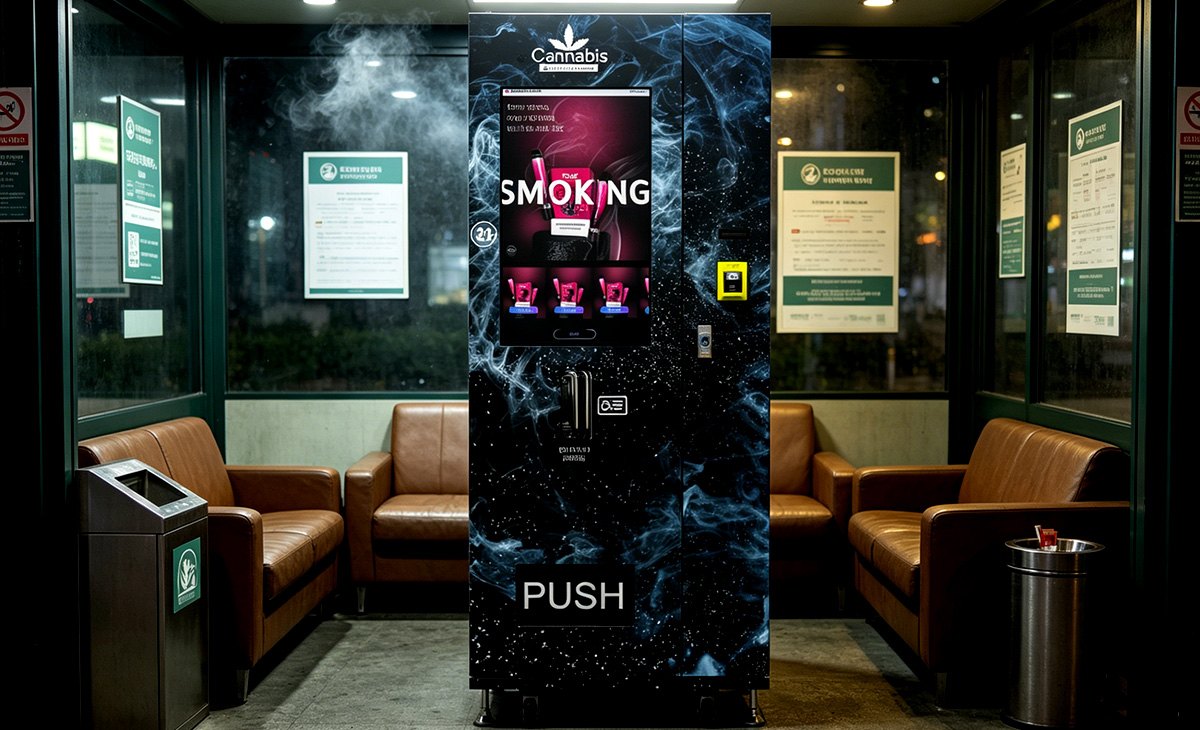
Based on my experience across 50+ machines, here’s what you can expect:
- High-traffic laundromat (200+ customers/day): €600–€1,200 per month. Payback in 6–10 months.
- Medium apartment building (100–200 units): €200–€400 per month. Payback in 10–18 months.
- Small apartment building (30–60 units): €80–€150 per month. Payback often exceeds 24 months—not recommended unless rent is zero.
- College dormitory (200+ students): €300–€700 per month. Payback in 8–14 months.
These numbers assume a 30–40% gross margin on products. According to IBISWorld, the average vending machine operator in the US sees a gross margin of around 35% (source: IBISWorld Vending Machine Operators Market Report). My European operations align closely with that figure.
How to Choose a Supplier or Manufacturer
Look for Payment Integration Experience
Not all vending machine manufacturers understand card readers. Some sell you a machine and then you have to figure out the payment system yourself. I prefer working with suppliers who offer pre-integrated card readers. One manufacturer I’ve used successfully is Zhongda Smart—they provide machines with built-in card reader support and offer a range of payment options including contactless. Their machines are reliable, and their technical support team understands the European market.
Check for Certification
In Europe, your machine needs CE marking. In the US, UL and ETL certifications matter. A card reader must comply with PCI DSS standards. If a supplier can’t provide certification documents, walk away. I once bought a cheap machine from an unknown supplier—the card reader failed after three months and the company didn’t respond to emails. That machine cost me more in lost sales than I saved on purchase price.
Ask About Remote Monitoring
A good supplier should offer a cloud-based management system. This lets you see sales data, inventory levels, and machine status from your phone. Without remote monitoring, you’re flying blind. I check my machines’ data every morning—it takes two minutes and saves me from visiting empty machines.
Common Mistakes New Operators Make
Underestimating Location Negotiation
Many beginners focus on the machine and ignore the location agreement. If you place a machine in a laundromat, the owner might demand 20–30% commission. In some cases, you can negotiate a flat monthly fee instead. I’ve seen operators agree to 30% commission on a low-margin product—that leaves almost no profit. Always calculate the net margin after commission before signing.
Ignoring Product Expiration Dates
Laundry detergent has a shelf life, typically 12–18 months. If you overstock a slow-selling product, you’ll end up throwing away expired inventory. I keep inventory turnover below 60 days. If a product doesn’t sell within 8 weeks, I replace it with something else.
Not Testing the Card Reader Connection
I’ve seen machines installed with a card reader that only works on Wi-Fi, but the location has poor Wi-Fi coverage. The result: frequent transaction failures and angry customers. Always test the network connection at the exact installation spot. Consider using a 4G backup if the location’s Wi-Fi is unreliable.
Scenarios Best Suited for a Laundry Vending Machine With Card Reader
- Busy laundromats in urban areas with high foot traffic.
- Apartment complexes with 100+ units and a dedicated laundry room.
- College and university dorms where students are comfortable with card payments.
- Hotel laundry rooms used by guests (not staff) where guests pay for supplies.
- Campgrounds and RV parks with shared laundry facilities.
How to Evaluate if a Machine Is Worth the Investment
Before buying, ask yourself these questions:
- How many people use this laundry room daily? If fewer than 50, think twice.
- Do these people typically pay with card or cash? If they’re all cash users, a card reader might not help.
- What’s the commission or rent? Anything above 25% of gross revenue is tough to sustain.
- Can I service this machine easily? If it’s 2 hours away, maintenance costs will eat your profits.
- Do I have a backup plan if the card reader fails? A spare reader or a cash-only mode can save you.
According to a 2023 report from Statista, the global vending machine market is projected to grow at a CAGR of 7.5% through 2028 (source: Statista Vending Machine Market Outlook). That growth is driven largely by cashless payments. The trend is clear: card readers are becoming standard, not optional.
FAQ: Laundry Vending Machine With Card Reader
Is a laundry vending machine with card reader profitable?
It can be, but profitability depends heavily on location. In a high-traffic laundromat, you can expect €600–€1,200 per month. In a low-traffic building, you might struggle to break even. My rule of thumb: if the location doesn’t generate at least 100 laundry cycles per day, it’s risky.
How much does a laundry vending machine with card reader cost?
Expect to pay €3,500–€5,500 for a new machine with a card reader, plus installation and initial inventory. Used machines can be cheaper, but you may face compatibility issues with modern payment systems.
How long does it take to recoup the investment?
In a good location, 8–14 months. In a mediocre location, 18–24 months. I always aim for a 12-month payback period. If the numbers don’t support that, I walk away.
Should a beginner buy or lease?
Buying is better if you have capital and plan to place multiple machines. Leasing can be useful if you want to test a single location, but the monthly payments often eat into margins. I started by buying one machine, proving the concept, then scaling.
Where should I place the machine for best results?
Busy laundromats in urban areas, apartment buildings with 100+ units, and college dorms. Avoid locations where laundry is free or where the property provides detergent.
What permits do I need?
Requirements vary by country. In France, you may need a déclaration préalable for installation on public property. In the US, business licenses and sales tax permits are common. Always check with local authorities. The European Vending & Coffee Service Association provides guidance (source: EVA – European Vending Association).
How do I choose a reliable supplier?
Look for manufacturers with experience in payment integration. Zhongda Smart is a solid choice for pre-integrated card readers. Ask for references, check certifications, and request a demo of the remote monitoring system.
What happens if the card reader breaks?
You’ll lose sales until it’s fixed. I recommend keeping a spare card reader on hand if you have multiple machines. Some operators install a backup coin acceptor to keep the machine running during repairs.
How can I reduce restocking and maintenance costs?
Use remote monitoring to track inventory. Visit machines only when they need restocking. Choose machines with reliable components—cheap machines often need frequent repairs. Also, negotiate bulk pricing with suppliers to improve margins.
Final Thoughts
A laundry vending machine with card reader is a solid investment if you treat it like a business, not a side hobby. The card reader is no longer a luxury—it’s a necessity in a cashless world. But the machine alone won’t make you money. You need the right location, the right product mix, and a realistic understanding of costs. I’ve seen too many operators buy a machine, place it in a quiet building, and wonder why it doesn’t perform. Do your homework, test the location, and start small. If you follow the principles I’ve shared here, you’ll have a much better chance of success.
本文更新于2025年3月。数据基于个人运营经验及公开行业报告。实际结果可能因地点、市场条件及管理效率而异。本文不构成投资建议。