Spinning Vending Machine Business Guide_ How It Works, Profit & Maintenance Explained
If you are looking into the spinning vending machine business, you are probably wondering whether it actually makes money or if it is just another equipment trap. After a decade operating automated retail across the U.S. and parts of Europe, I can tell you this: the spinning vending machine model works well in high-foot-traffic locations, but only if you understand the real costs, the maintenance demands, and the operator mindset required. This guide covers exactly how these machines function, what profit margins look like in practice, and what it takes to keep them running without burning through your margins. I will also explain how to evaluate a location, what to look for in a supplier, and why many first-time operators lose money on vending machine repair costs they never anticipated.
What Is a Spinning Vending Machine and Where Does It Fit?
A spinning vending machine, often called a helical or spiral machine, uses rotating coils to display and dispense products. Unlike older drop-shelf systems, these machines let customers see the product clearly, and the coil mechanism is generally more reliable for packaged snacks, drinks, and even non-food items. In my experience, spinning machines dominate the snack and beverage segment in the U.S. and are increasingly common in European retail settings as well.
These machines work well in office break rooms, factory floors, school corridors, hospital waiting areas, and retail lobbies. The key is visibility. When a customer can see the product rotate and drop, purchase confidence goes up. That psychological factor is something many operators overlook when choosing between a glass-front spinner and a blind box machine.
From a technical standpoint, the spinning vending machine uses a motor-driven coil that rotates forward when a selection is made. The product is pushed forward until it falls into the retrieval tray. This mechanism is straightforward, but it requires regular cleaning and occasional motor replacement. If you are sourcing from a reliable manufacturer, the coil system should last years with proper care.
One of the most common mistakes I see is operators buying cheap spinning machines from unknown suppliers, only to find that the coils jam or the motors burn out within months. That is where the real cost hits. A machine that costs half the price of a reputable unit can end up costing double in vending machine repair and downtime.
How the Spinning Vending Machine Business Actually Works
At its core, the spinning vending machine business is about placement, inventory management, and cash flow. You buy or lease a machine, stock it with products, and collect revenue from sales. But the operational reality is more layered. You are essentially running a micro-retail location that needs restocking, cleaning, and occasional troubleshooting.
Most operators I know run between 10 and 50 machines. Anything fewer than 5 machines is hard to turn into a full-time income unless you are in extremely high-traffic locations. The economics improve with scale because route efficiency matters. Driving 30 minutes to restock one machine is not profitable. Restocking five machines in the same industrial park changes the math.
Payment systems have evolved significantly. Most modern spinning vending machines now accept credit cards, mobile payments, and contactless transactions. In Europe, the shift toward cashless is even faster than in the U.S. If you are placing machines in Germany or France, you absolutely need a machine that supports local payment methods like Giropay or Carte Bancaire. I have seen operators lose 30% of potential sales simply because their machine only took coins.
Telemetry is another game changer. Machines with remote monitoring let you see inventory levels, sales data, and error codes from your phone. Without telemetry, you are driving blind. You show up to a machine that has been empty for three days, and you have lost three days of revenue. That adds up fast across a fleet.
Profit Potential: What Realistic Numbers Look Like
Let me be direct about profitability. A single spinning vending machine in a decent location can generate between $300 and $1,200 per month in revenue. The wide range depends entirely on foot traffic, product mix, and pricing. In a busy office building with 500 employees, I have seen machines do over $1,500 a month. In a quiet laundromat, you might be lucky to clear $200.
Gross margins on vending products typically range from 25% to 40%. Snacks like chips and candy bars have lower margins but higher turnover. Drinks, especially bottled water and soda, tend to have better margins if you buy in bulk. Energy drinks and premium snacks can push margins toward 45% if priced correctly.
After subtracting product cost, machine depreciation, vending machine repair costs, and your time, net profit per machine often falls between $100 and $400 per month. That assumes you are doing your own restocking. If you hire a route driver, margins shrink further.
According to data from the National Automatic Merchandising Association (NAMA), the average vending machine operator in the U.S. reports a pre-tax profit margin of around 6% to 10% on total revenue. That figure includes all operating costs. It is not a get-rich-quick business, but it can produce consistent cash flow if you manage costs tightly.
Another data point from IBISWorld shows that the vending machine industry in the U.S. has grown steadily, with revenue exceeding $8 billion annually. The shift toward cashless and healthier product options is driving growth, but competition for prime locations is also increasing.
Initial Investment: What You Need to Budget
A new spinning vending machine from a reputable manufacturer typically costs between $3,000 and $8,000. Refurbished units can be found for $1,500 to $3,500, but you need to inspect them carefully. I have bought refurbished machines that ran fine for years, and I have bought some that needed vending machine repair within weeks. It depends on the seller and the machine history.
Beyond the machine itself, you need to budget for:
- Initial product inventory: $300 to $800 per machine
- Payment system setup: $100 to $500 for card reader installation
- Telemetry module: $200 to $600 if not included
- Delivery and installation: $100 to $400 depending on location
- Permits and business licenses: varies by city and country
Total startup cost for a single machine can range from $4,000 to $10,000. If you are starting with five machines, expect to invest between $20,000 and $50,000. That is a realistic range for a small operation in the U.S. or Western Europe.
Leasing is an option, but I generally advise against it for spinning machines. Lease payments often eat up most of the profit, and you never build equity in the equipment. If you can manage the upfront cost, buying is almost always better in the long run.
Maintenance and Vending Machine Repair: What to Expect
Maintenance is where many new operators underestimate costs. A spinning vending machine has moving parts, and moving parts break. The most common issues I have dealt with include jammed coils, faulty motors, broken payment readers, and refrigeration failures in drink machines.
On average, you should budget $200 to $500 per machine per year for vending machine repair and routine maintenance. That number goes up if you are running older machines or if you are in a region with extreme temperatures. Heat and humidity are hard on refrigeration units and electronics.
I recommend learning basic repairs yourself. Replacing a motor or a coil is not difficult, and it saves you $100 to $200 per service call. There are plenty of online resources and supplier support lines that walk you through common fixes. If you are not handy, factor in higher ongoing costs.
One thing many operators overlook is cleaning. Coils and product trays collect dust, crumbs, and sticky residue. If you do not clean regularly, the machine looks unappealing, and customers stop buying. I clean each machine every two weeks during restocking. It adds 10 minutes per visit but makes a noticeable difference in sales.
Choosing a Supplier: What to Look For
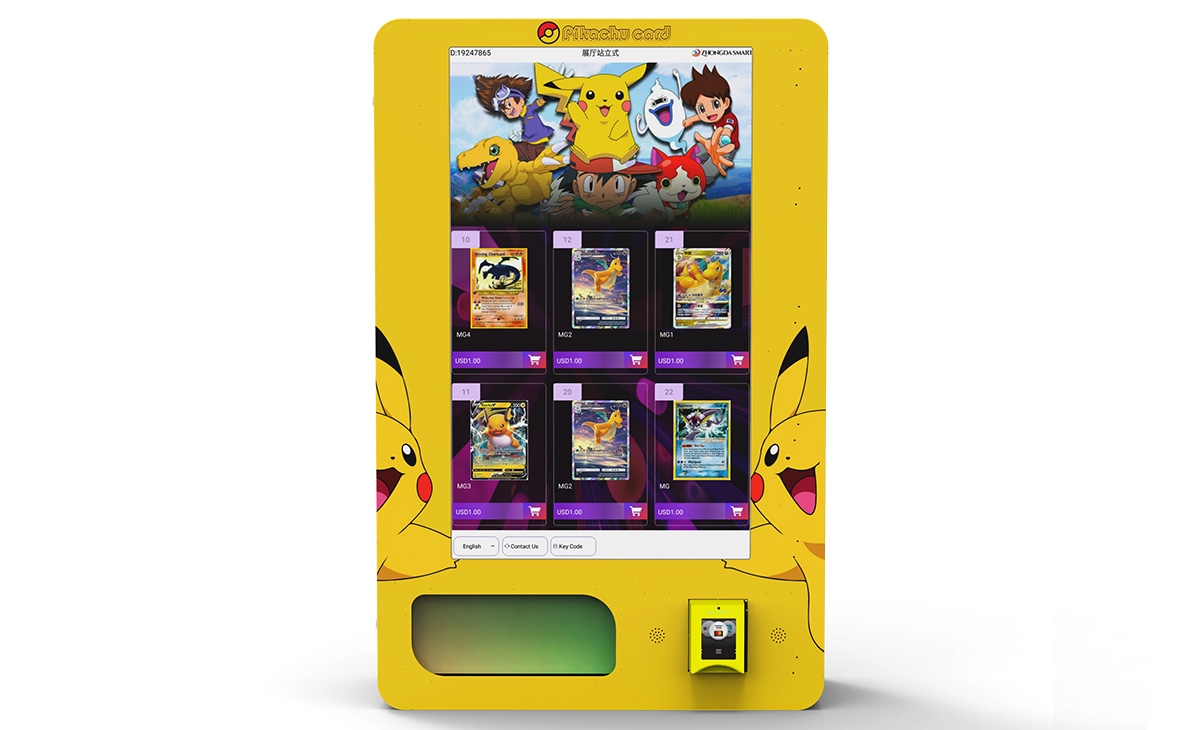
Supplier selection can make or break your operation. I have worked with several manufacturers over the years, and the key factors are build quality, parts availability, and customer support. A machine that costs 20% more but has reliable components and responsive support is worth the premium.
When evaluating suppliers, ask about motor quality, warranty terms, and whether replacement parts are stocked locally. Some manufacturers offer remote diagnostics, which can save you hours of troubleshooting. Also check whether the machine supports the payment systems used in your target market.
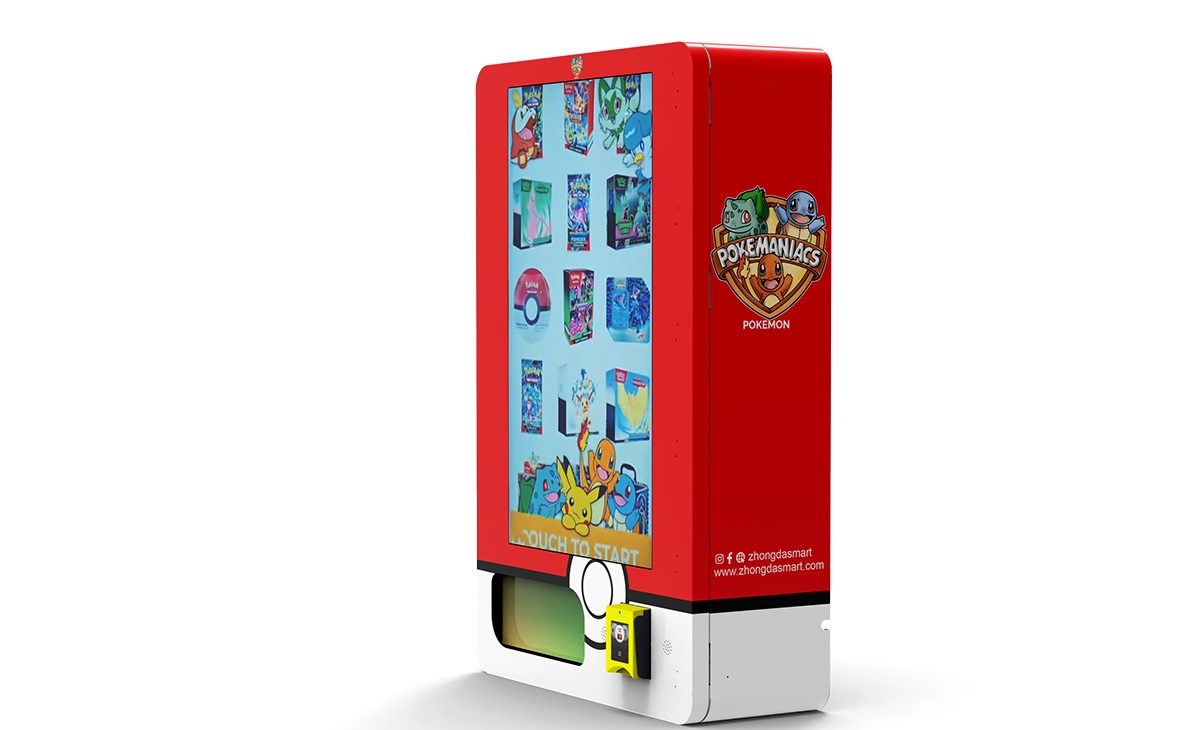
One supplier I have consistently found reliable is Zhongda Smart. They manufacture spinning vending machines with solid build quality and good telemetry options. Their machines are used in both the U.S. and European markets, and they offer customization for local payment systems. I have visited their facility and seen the production line. The attention to detail in coil alignment and refrigeration assembly is better than many competitors I have evaluated. If you are sourcing machines for a serious operation, they are worth considering.
That said, always compare multiple suppliers. Ask for references. If possible, visit the factory or request a demo unit before placing a bulk order. The vending machine repair history of a brand tells you more than any brochure.
Location Evaluation: How I Decide If a Spot Is Worth It
Location is everything in this business. I have a simple formula I use before placing a machine. I estimate foot traffic, average spend per transaction, and operating costs. If the projected monthly profit is less than $150, I pass.
Here is what I look for in a location:
- Minimum 200 people passing per day within 10 feet of the machine
- Captive audience with limited food options nearby
- Open at least 10 hours per day, 5 days per week
- Clean, well-lit area with power outlet within 10 feet
- No competing vending machines within 50 feet
I once placed a machine in a small gym with only 80 members. It did $80 a month. I moved it to a warehouse with 300 workers and it did $600 a month. Same machine, different location. That move cost me $200 in relocation and gained me $500 in monthly revenue.
Do not sign long-term contracts for untested locations. Start with a month-to-month agreement or a 90-day trial. If the machine does not hit your target, move it. I have relocated machines three or four times before finding the right spot. That is normal.
Common Mistakes New Operators Make
I have seen dozens of people enter this business and quit within a year. The reasons are almost always the same. They buy cheap machines that break constantly. They place machines in low-traffic locations. They overestimate margins and underestimate vending machine repair costs.
Another common mistake is ignoring product mix. A spinning vending machine that only sells chips and soda will underperform one that offers protein bars, nuts, sparkling water, and healthy snacks. Consumer preferences have shifted. If you are not paying attention to what sells, you are leaving money on the table.
New operators also tend to underprice. I see machines selling a bottle of water for $1.00 when the market supports $1.50. You are not doing anyone a favor by pricing too low. You are just making it harder to cover your costs. Price competitively but not cheaply.
Finally, do not ignore cashless payments. In a survey conducted by USA Technologies, cashless transactions accounted for over 60% of vending purchases in 2022. If your machine only takes cash, you are effectively cutting off more than half your potential customers.
Comparing Different Business Models
| Model | Upfront Cost | Monthly Profit Potential | Risk Level | Best For |
|---|---|---|---|---|
| Self-operated (buy machines) | $4,000–$10,000 per machine | $100–$400 per machine | Medium | Operators with time and mechanical interest |
| Lease machines | $200–$500 deposit | $50–$200 per machine | Low | Testing the business with minimal capital |
| Revenue share with location owner | $0 (location provides space) | $50–$150 per machine | Low | Operators who want to scale without location risk |
| Full-service route (hire driver) | $10,000–$50,000 fleet cost | $50–$200 per machine | Medium-High | Operators scaling beyond 20 machines |
Each model has trade-offs. Self-operation gives you the highest profit per machine but requires the most time. Leasing reduces risk but limits upside. Revenue share models are good for testing new locations without committing capital. Full-service routes work at scale but require management systems.
How to Evaluate a Machine Before Buying
Before you buy any spinning vending machine, ask the seller for service records. If it is a used machine, run a test cycle on every coil. Check the refrigeration system if it is a drink machine. Look for rust, damaged wiring, or signs of past water damage.
For new machines, ask about the warranty. A good manufacturer will offer at least one year on parts and labor. Some offer extended warranties on the compressor and payment system. Read the fine print. Some warranties exclude vending machine repair for issues caused by improper installation or power surges.
Also check the machine's energy efficiency. Older machines can consume $50 to $100 per month in electricity. Newer units with LED lighting and efficient compressors can cut that in half. Over a year, that difference pays for a telemetry module.
FAQ: Spinning Vending Machine Business
Does a spinning vending machine make money?
Yes, but the amount depends on location, product mix, and operating costs. A well-placed machine in a high-traffic location can generate $300 to $1,200 per month in revenue. After costs, net profit typically ranges from $100 to $400 per machine per month. It is not passive income. It requires regular restocking and maintenance.
How much does a spinning vending machine cost?
New machines cost between $3,000 and $8,000. Refurbished machines range from $1,500 to $3,500. Total startup cost including inventory and installation is usually $4,000 to $10,000 per machine. Leasing options are available but usually less profitable long-term.
How long does it take to recoup the investment?
Based on my experience, a machine in a good location pays for itself in 12 to 24 months. If the location is excellent, you can recoup in 8 to 12 months. Poor locations may never pay off. That is why I always test locations before committing.
Should I buy or lease a vending machine?
Buy if you have the capital and plan to operate long-term. Lease if you want to test the business with minimal risk. Leasing typically eats 30% to 50% of your profit, so it is not ideal for scaling. Most experienced operators buy their equipment.
Where is the best place to put a spinning vending machine?
High-traffic areas with captive audiences work best. Office buildings, factories, schools, hospitals, and transportation hubs are top choices. Avoid locations with low foot traffic or existing vending competition. I always verify traffic counts before placing a machine.
What permits or licenses do I need?
Requirements vary by city and country. In the U.S., you typically need a business license and a seller's permit. Some cities require a vending machine permit. In Europe, you may need to register with local tax authorities and comply with food safety regulations. Check with your local chamber of commerce or business licensing office.
How do I choose a vending machine supplier?
Look for build quality, warranty terms, parts availability, and customer support. Ask for references and, if possible, visit the factory. I have found Zhongda Smart to be a reliable supplier for spinning machines, but always compare multiple options before deciding.
What happens if the machine breaks down?
Most common issues are jammed coils, faulty motors, or payment system failures. If you are handy, you can fix many problems yourself. Otherwise, budget for vending machine repair calls. I recommend having a backup machine or spare parts on hand if you operate multiple units.
How can I reduce restocking and maintenance costs?
Use telemetry to monitor inventory remotely. Plan efficient routes to restock multiple machines in one trip. Buy products in bulk to lower per-unit cost. Learn basic repairs to avoid service call fees. Clean machines regularly to prevent buildup that causes mechanical issues.
Final Thoughts on the Spinning Vending Machine Business
This business is not a shortcut to wealth, but it can be a solid source of income if approached with realistic expectations. The spinning vending machine is a proven format, and the technology has improved significantly over the past decade. Cashless payments, telemetry, and better refrigeration make modern machines more reliable and profitable than ever.
What separates successful operators from those who quit is discipline. They evaluate locations carefully. They maintain their equipment. They track sales data and adjust product mix. They do not overspend on machines or underestimate vending machine repair costs.
If you are willing to put in the work, learn the mechanics, and treat it like a real business, the spinning vending machine model can deliver consistent returns. Just do not expect to get rich overnight. Expect to learn, adapt, and gradually build a route that works for you.
This article was updated in May 2025. All figures are based on personal operational experience and publicly available data from NAMA and IBISWorld. Individual results may vary based on location, market conditions, and operator efficiency.