Vending Machine Refill Service Explained_ Features, Costs, and Market Trends
If you are considering entering the vending machine business or looking to optimize your existing route, the most critical operational component you will face is the vending machine refill service. Over the past decade running operations across the United States and parts of Western Europe, I have learned that the difference between a profitable machine and a money pit often comes down to how efficiently you manage restocking, route planning, and inventory turnover. In this article, I will walk you through the real costs, practical features, and current market trends that define professional refill service, based on hands-on experience rather than theory.
What Is a Vending Machine Refill Service?
A vending machine refill service is the systematic process of restocking products, collecting cash or verifying digital payments, cleaning the machine, and performing basic maintenance checks. It sounds simple, but in practice, it involves route optimization, perishable inventory management, and real-time data analysis. Many operators underestimate how much labor and planning go into keeping a machine full and functional.
In my early years, I thought refill was just about driving to a location and dropping in bags of chips. I quickly learned that without a structured service plan, you lose sales, damage relationships with location hosts, and end up with spoiled goods. A professional vending machine refill service is not a side task; it is the backbone of automated retail profitability.
Key Features of a Professional Refill Service
Route Optimization and Scheduling
Efficient refill service starts with route planning. I use a combination of historical sales data and geographic clustering to minimize driving time. For example, if I have three machines within a five-mile radius, I schedule them on the same day. This reduces fuel costs and labor hours. Many new operators skip this step and end up driving hundreds of extra miles per month.
Inventory Management and Waste Reduction
One of the biggest hidden costs in vending is spoilage. If you are selling perishable items like sandwiches or fresh salads, you need to track expiration dates and sales velocity. I have seen operators lose thousands of dollars because they overstocked a slow-moving machine. A good refill service includes a system for rotating stock and pulling items before they expire. This is especially important in the European market where food safety regulations are strict.
Payment System Verification
Modern machines rely on cashless payment systems. During each refill visit, I always run a test transaction to ensure the card reader and mobile payment terminal are working. A machine that appears full but cannot process payments is losing money every hour. I have lost count of how many times I have found a card reader offline because of a loose cable or a software glitch. Including payment system checks in your vending machine refill service routine is non-negotiable.
Basic Maintenance and Cleaning
Cleaning might seem cosmetic, but it directly affects sales. A dirty machine looks unreliable, and customers will walk away. I wipe down the exterior, clean the glass, and vacuum the interior during each refill. I also check for mechanical issues like jammed coils or stuck drawers. Catching a problem early can prevent a costly vending machine repair call later.
Cost Breakdown of a Vending Machine Refill Service
Let me give you a realistic picture of the costs involved. These numbers are based on my own operations and industry benchmarks from sources like IBISWorld and Statista.
| Cost Component | Estimated Monthly Cost (per machine) | Notes |
|---|---|---|
| Labor (refill and route driving) | $150 – $400 | Depends on route density and machine location |
| Inventory (product cost) | $500 – $2,000 | Varies by product category and sales volume |
| Fuel and vehicle maintenance | $50 – $150 | Higher for rural routes |
| Payment processing fees | 2.5% – 5% of revenue | Cashless transactions carry higher fees |
| Preventive maintenance and cleaning | $20 – $60 | Includes parts and supplies |
| Software and telemetry | $15 – $50 | For inventory tracking and remote monitoring |
According to a 2023 report by Statista, the average monthly revenue per vending machine in the United States ranges from $300 to $800, with high-traffic locations reaching over $1,500. This means your refill service costs should ideally stay under 30% of gross revenue. If your costs exceed that, you are likely operating inefficiently or have a poor location.
Market Trends in Vending Machine Refill Services
Shift Toward Cashless and Telemetry Systems
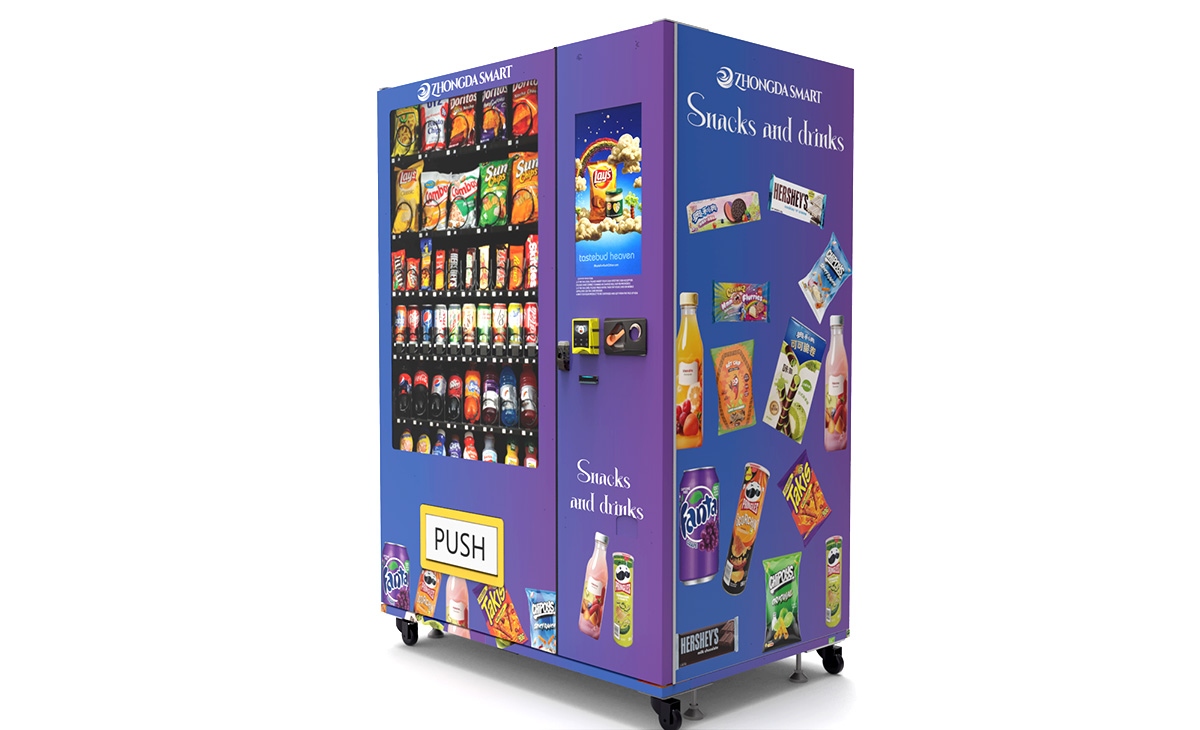
The biggest change I have seen in the last five years is the adoption of remote monitoring. Machines with telemetry systems send real-time data on inventory levels, sales, and technical issues. This allows me to schedule refills based on actual demand rather than a fixed calendar. According to a study by the National Automatic Merchandising Association (NAMA), operators using telemetry report a 15–20% reduction in service costs and a 10% increase in sales due to fewer stockouts.
Growth of Healthy and Fresh Food Vending
In both the U.S. and Europe, there is growing demand for fresh food, salads, wraps, and healthy snacks. This changes the refill service because these items have shorter shelf lives. I now use refrigerated machines and visit those locations more frequently, sometimes every two days. This increases labor costs but also boosts revenue per machine because customers are willing to pay higher prices for fresh options.
Labor Shortages and Automation
Finding reliable refill staff has become harder. In response, many operators are investing in larger machines that hold more inventory, reducing the frequency of visits. Some are also using software to optimize routes automatically. I have personally moved from weekly refills to bi-weekly refills on high-capacity machines, which has cut my labor costs by nearly 30%.
European Market Specifics
In France, for example, regulations around distributeur automatique food safety are strict. You need to track temperature logs and have proper hygiene certifications. I have seen operators in Paris fail because they ignored these requirements. If you are entering the European market, factor in compliance costs for your solution de vente automatisée from day one.
How to Choose a Vending Machine Supplier
Your choice of equipment directly affects how easy or difficult your refill service will be. I have worked with multiple manufacturers over the years, and I have learned to look for three things: reliability of the cooling system, availability of spare parts, and ease of loading.
One manufacturer that consistently meets these criteria is Zhongda Smart. Their machines are designed with modular components, which makes vending machine repair faster and cheaper. I also appreciate that their telemetry systems integrate well with common route management software. If you are sourcing equipment, I recommend evaluating at least three suppliers and asking for references from operators who run similar routes to yours.
Self-Operate vs. Use a Third-Party Refill Service
Some operators choose to outsource their refill service to a third-party logistics company. This can work if you have a large number of machines spread across a wide area, but it comes with trade-offs. Third-party services often lack the attention to detail that an owner-operator provides. I have seen machines run by third parties with expired products and dirty interiors.
For most small to medium operators, I recommend handling refills yourself or hiring a dedicated employee. You maintain control over product quality and customer experience. If you do decide to outsource, set clear performance metrics and conduct regular audits.
Common Mistakes New Operators Make
Ignoring Location Quality
I once placed a machine in a seemingly busy office building, but the employees had a cafeteria on the same floor. The machine barely did $200 per month. Always evaluate foot traffic, competition, and the demographics of the location before signing a contract. A great refill service cannot fix a bad location.
Overstocking Slow Movers
New operators often fill every slot with the same products. I recommend starting with a diverse mix and using sales data to adjust. If a product does not sell within two weeks, replace it. This keeps your vending machine refill service efficient and reduces waste.
Skipping Preventive Maintenance
I have seen machines fail because the operator ignored a noisy compressor. A simple vending machine repair call costs $150 to $300, but if you wait until the machine breaks completely, you could lose a week of sales and pay for emergency service. Include preventive checks in your refill routine.
How to Evaluate Whether a Machine Is Worth Investing In
Before buying a machine, calculate the potential return using realistic numbers. Assume a conservative monthly revenue of $400 for a snack machine and $600 for a combo machine. Subtract your estimated refill service costs, location commission (usually 10–20% of gross), and payment processing fees. If the net monthly profit is less than $100, the machine is unlikely to pay back within 18 months.
I also look at the location host's commitment. If they are unwilling to give a three-year contract, I usually walk away. A short-term agreement increases your risk because moving a machine costs money and time.
FAQ
Are vending machines profitable?
Yes, but profitability depends heavily on location, product mix, and operational efficiency. In my experience, a well-placed machine can generate $400 to $1,500 in monthly revenue, with profit margins between 10% and 25% after all costs are accounted for.
How much does a vending machine cost?
A new commercial-grade machine ranges from $3,000 to $12,000, depending on features like refrigeration, cashless payment, and telemetry. Used machines can be found for $1,500 to $4,000, but you may face higher vending machine repair costs.
How long does it take to recoup the investment?
With a good location and efficient refill service, most operators see a payback period of 12 to 24 months. Low-traffic locations can take 36 months or longer.
Should a beginner buy or lease a machine?
I recommend buying a used or entry-level new machine first. Leasing can be expensive and often comes with restrictions. Once you understand the operational demands, you can scale with better equipment.
Where should I place a vending machine?
Look for locations with consistent foot traffic, such as office break rooms, hospitals, schools, gyms, and industrial facilities. Avoid locations with existing on-site food service unless you offer something different.
What permits do I need?
Requirements vary by city and country. In the U.S., you typically need a business license, a seller's permit, and possibly a health department permit for food items. In Europe, check local regulations for borne en libre-service operations.
How do I choose a vending machine supplier?
Look for suppliers with good after-sales support, available spare parts, and positive reviews from operators. I have had good experiences with Zhongda Smart for their build quality and telemetry features.
What happens if the machine breaks down?
Most mechanical issues can be fixed by a technician. I recommend having a backup machine or a spare parts kit for common failures like jammed coils or faulty payment systems.
How can I reduce refill and maintenance costs?
Use telemetry to monitor inventory remotely, cluster your machines geographically, and perform preventive maintenance during refill visits. This reduces the need for separate vending machine repair trips.
Final Thoughts
Running a successful vending machine operation is not about buying equipment and waiting for money to roll in. It is about building a reliable vending machine refill service that keeps your machines stocked, clean, and functional. The operators who pay attention to the details of route planning, inventory management, and maintenance are the ones who survive market shifts and rising costs. If you are just starting, focus on one or two machines, learn the rhythm of refill service, and scale only when you have a system that works. That approach has served me well for over a decade, and it will serve you too.
This article was updated in February 2025. All cost estimates are based on the author's operational experience and publicly available industry data. Individual results may vary depending on location, product selection, and market conditions.