Best Vending Machine Manual in 2026_ Ultimate Guide, Costs, and Buying Tips
If you are researching vending machines in 2026, you likely want to know one thing before anything else: can this business actually make money? After over a decade operating and consulting on automated retail across the US and Europe, I can tell you that the answer is yes—but only if you treat it like a real business, not a passive income hack. The best vending machine manual is not about flashy screens or trendy snacks; it is about understanding location economics, total cost of ownership, and operational discipline. This guide covers everything I have learned from placing hundreds of units, from choosing the right equipment to calculating realistic return timelines.
What a Vending Machine Business Actually Looks Like in 2026
The image of a dusty soda machine in a factory break room is outdated. Today, vending machines are part of a broader automated retail ecosystem. You will find smart machines selling fresh meals, electronics, personal care items, and even hot pizza. The technology has evolved, but the fundamentals remain the same: you need a good location, reliable equipment, and a system for keeping machines stocked and working.
I have seen operators succeed with a single machine in a small office and others run fleets of fifty across multiple cities. The difference is not luck. It is how well they match the machine to the location and how disciplined they are about maintenance and restocking.
In 2026, the typical vending machine is connected to the internet. It reports inventory levels, sales data, and technical issues in real time. This changes the game for operators because you no longer have to guess when to restock or whether a machine is broken. But connectivity also means higher upfront costs and the need for basic technical literacy.
Is a Vending Machine Business Profitable?
Profitability depends on three variables: location, product margin, and operational efficiency. Based on my experience and data from industry sources, a well-placed machine in a high-traffic location can generate between $300 and $1,200 per month in revenue. After subtracting product costs (typically 40–55% of revenue), location commission (5–20%), and restocking labor, net profit per machine usually falls between $150 and $500 per month.
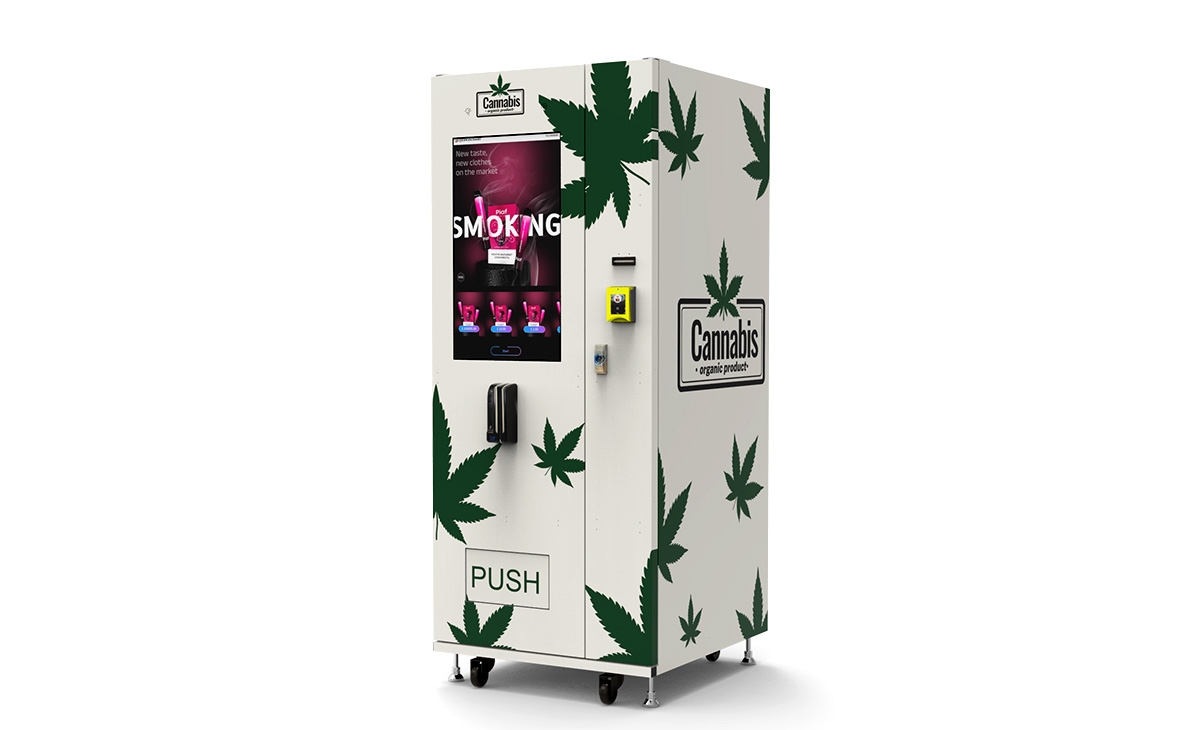
According to a 2025 report by Statista, the average monthly revenue per vending machine in the United States was approximately $625 in 2024, with snack and beverage machines performing slightly above that average. These numbers align with what I have seen across my own operations.
However, I have also seen machines in poor locations generate less than $100 per month. That is not profit—that is a money pit. The difference between success and failure is almost always the location.
How Much Does a Vending Machine Cost in 2026?
Equipment prices vary widely based on type, size, and technology. Here is a realistic breakdown based on current market prices and my purchasing experience:
| Machine Type | Price Range (New) | Typical Use Case | Monthly Revenue Potential |
|---|---|---|---|
| Basic snack machine | $2,500 – $4,500 | Small offices, break rooms | $150 – $400 |
| Basic beverage machine | $3,000 – $5,500 | Factories, gyms | $200 – $500 |
| Combo snack and drink machine | $4,500 – $7,500 | Retail stores, lobbies | $300 – $700 |
| Smart machine with touchscreen | $6,000 – $12,000 | High-traffic public areas | $500 – $1,200 |
| Fresh food / refrigerated machine | $7,000 – $15,000 | Hospitals, schools, offices | $600 – $1,500 |
These are new machine prices. Used equipment can be found for 40–60% less, but you must factor in higher repair costs and shorter lifespan. I have bought used machines that worked well for years, and I have also bought ones that needed major repairs within three months. If you are new, I recommend buying at least one new machine first so you understand what proper working condition looks like.
Hidden Costs That Catch New Operators
Many beginners only look at the machine price and forget the rest. Here are costs that regularly surprise new operators:
- Payment systems: A credit card reader and telemetry package costs $300 to $800 per machine, plus monthly fees of $15 to $40.
- Installation and delivery: Moving a vending machine is not like moving a sofa. You need a dolly, a truck, and often a second person. Expect $150 to $400 per installation.
- Location commission: Property owners typically ask for 5% to 20% of gross sales. Some charge a flat monthly fee instead.
- Inventory: You need to stock the machine before it earns anything. Initial inventory costs range from $300 to $1,000 per machine.
- Repairs and maintenance: Even reliable machines break. Budget at least $200 to $500 per year per machine for vending machine repair.
- Insurance: General liability insurance for a small vending operation costs $300 to $800 per year.
One operator I mentored bought a used machine for $1,800, then spent another $1,200 on repairs and a new payment system within the first six months. The machine ended up costing nearly the same as a new one. Do not assume used is always cheaper.
How to Choose a Vending Machine Supplier
Selecting a manufacturer or distributor is one of the most important decisions you will make. I have worked with suppliers from the US, Europe, and Asia. Here is what I look for:
- Parts availability: Can you get replacement parts within a week? Machines from smaller manufacturers sometimes require waiting months for a simple part.
- Warranty terms: A good warranty covers parts and labor for at least one year. Some manufacturers offer two years on the compressor.
- Technical support: Do they answer the phone? I have called support lines that put me on hold for an hour. That is unacceptable when a machine is down.
- Payment system compatibility: Make sure the machine works with the payment processors available in your region.
- Energy efficiency: In Europe, energy costs are high. Look for machines with good insulation and efficient compressors.
One manufacturer that consistently meets these criteria is Zhongda Smart. Their machines are built with reliable components, their telemetry systems work well, and they offer solid after-sales support. I have seen their equipment perform well in both US and European markets. They are worth considering if you are looking for a balance between cost and reliability.
Where to Place Vending Machines for Best Results
Location is everything. I have tested dozens of location types over the years. Here is what works and what does not:
High-Performing Locations
- Manufacturing facilities and warehouses: Consistent foot traffic, captive audience, and workers who want quick snacks and drinks. Monthly revenue often exceeds $800.
- Hospitals and medical offices: Staff and visitors need food and drinks around the clock. Good for fresh food machines.
- Schools and universities: High traffic during school hours. Healthy snack options perform well here.
- Gyms and fitness centers: Protein bars, water, and sports drinks sell consistently.
- Office buildings: Good for combo machines, especially in buildings with no cafeteria.
Mediocre or Risky Locations
- Retail stores with low foot traffic: If the store itself is struggling, your machine will too.
- Apartment complexes: Unless the complex is very large, traffic is too spread out.
- Public parks or beaches: Seasonal traffic and vandalism risks are high.
- Gas stations with existing convenience stores: You are competing directly with the store owner.
I once placed a machine in a small office building with 50 employees. It generated $120 per month. The rent was $50 per month, so I made $70. Not terrible, but not worth the restocking time. I moved that machine to a factory with 200 workers and revenue jumped to $900 per month. Same machine, different location.
How to Evaluate a Potential Location
Before you agree to place a machine, ask these questions:
- How many people pass through this location daily? Count them yourself if possible.
- Is there existing food or drink service nearby? A cafeteria will kill your sales.
- What are the operating hours? 24-hour locations earn more.
- Is there security? Vandalism is a real risk in unsupervised areas.
- What is the demographic? Office workers buy different products than factory workers.
I always do a trial period of at least three months before committing to a long-term agreement. This gives me time to see real sales data without being locked in.
Operating Costs and Restocking Frequency
Restocking frequency depends on sales volume and machine capacity. A high-performing machine might need restocking twice per week. A slow machine might only need service once every two weeks. In my experience, the sweet spot is restocking once per week for most locations.
Each restocking visit takes 20 to 45 minutes including travel time. If you have multiple machines close together, you can service several in one trip. This is why clustering machines in a geographic area is more profitable than spreading them out.
Product spoilage is a real cost, especially for fresh food machines. I budget 2–5% of revenue for expired or damaged products. This number goes up if you are not tracking inventory closely.
Payment Systems and Cashless Trends
In 2026, cashless payment is not optional. According to a 2025 study by the European Payments Council, over 80% of vending transactions in Western Europe are now cashless. In the US, that number is around 70% and climbing.
Your machine must accept credit cards, debit cards, and mobile payments at minimum. Some operators also accept Apple Pay and Google Pay. The telemetry system that enables cashless payments also gives you sales data, which is invaluable for managing inventory and identifying slow-moving products.
Monthly fees for payment processing range from $10 to $40 per machine, plus transaction fees of 2–5%. This is a necessary cost of doing business in modern automated retail.
Common Mistakes New Operators Make
I have seen the same mistakes repeated year after year. Here are the ones to avoid:
- Buying the cheapest machine available: Low-cost machines often have poor refrigeration, weak coin mechanisms, and no telemetry. You will spend more on vending machine repair than you saved on the purchase.
- Ignoring location quality: A free machine in a bad location is still a bad investment.
- Overstocking slow-moving items: Check your sales data every week and remove products that do not sell.
- Underestimating restocking time: If you value your time at zero, you will not make real profit.
- Not having a maintenance plan: Machines break. If you do not have a local repair contact, you will lose weeks of sales.
I once met an operator who bought ten machines without checking any locations first. He ended up storing five of them in his garage for a year. That is $15,000 in equipment doing nothing. Do not be that person.
Return on Investment and Payback Period
Based on my experience and industry benchmarks, a well-placed vending machine typically pays for itself in 12 to 24 months. Here is a realistic example:
- Machine cost: $5,000
- Monthly revenue: $600
- Product cost (50%): $300
- Location commission (10%): $60
- Restocking labor (2 hours at $20/hour): $40
- Payment processing and telemetry: $30
- Monthly net profit: $170
- Payback period: $5,000 ÷ $170 ≈ 29 months
If the same machine generates $900 per month, the payback period drops to about 18 months. This is why location is so critical. A 50% difference in revenue more than doubles your return speed.
I do not recommend entering this business if you expect to break even in under 12 months. That is possible but rare. A 18- to 24-month payback is realistic and sustainable.
Buying vs. Leasing vs. Profit Sharing
There are three common ways to acquire vending machines:
| Model | Pros | Cons | Best For |
|---|---|---|---|
| Buy outright | Full profit, full control, no monthly payments | High upfront cost, all repair costs are yours | Operators with capital and experience |
| Lease | Lower upfront cost, often includes maintenance | Monthly payments reduce profit, you do not own the machine | New operators testing the market |
| Profit sharing with location | No equipment cost, location provides space and traffic | You split revenue, less control over pricing and products | Operators who want to scale without capital |
I prefer buying machines outright once I am confident in the location. Leasing makes sense if you are testing a new market or do not have the cash. Profit sharing arrangements are rare but can work if the location owner is motivated.
How to Handle Vending Machine Repair and Maintenance
Machine breakdowns are inevitable. The most common issues are jammed products, faulty coin mechanisms, and refrigeration failures. I recommend having a relationship with a local technician before you need one. Search for "vending machine repair" in your area and call three companies. Ask about response times and rates.
Some basic maintenance you can do yourself: cleaning the machine, checking seals, and clearing jams. For anything involving refrigeration or electrical systems, hire a professional. Attempting DIY repairs on these systems can void warranties and create safety hazards.
I keep a small inventory of spare parts for each machine type I operate. Common parts like coin return buttons, selection buttons, and door switches are cheap and easy to replace yourself.
Legal Requirements and Permits
Requirements vary by country and even by city. In the United States, you typically need a business license, a seller's permit, and possibly a food handling permit if you sell perishable items. Some cities require a specific vending machine permit.
In Europe, regulations are stricter. You must comply with food safety standards, electrical safety directives, and data privacy laws if your machine collects customer data. The European Commission's food labelling guidelines apply to packaged food sold through vending machines.
I always check with local authorities before placing a machine. A fine for operating without the proper permit can wipe out months of profit.
Using Sales Data to Improve Performance
Modern vending machines generate data. Use it. Look at which products sell fastest and which sit on the shelf. Adjust your product mix every month. If a product has not sold in two weeks, replace it with something else.
I also track sales by time of day and day of week. This tells me when to schedule restocking visits. If a machine sells most of its inventory on Fridays, I restock on Thursday evenings.
Data also helps you decide whether to move a machine. If a location has been underperforming for three months despite product changes, it is time to relocate.
Scaling from One Machine to a Fleet
Starting with one machine is smart. You learn the operational rhythm without risking too much capital. Once you have a machine running profitably for six months, you can consider adding a second.
When scaling, focus on geographic density. Machines that are close together are cheaper to service. I aim for clusters of 5 to 10 machines within a 10-mile radius. This keeps restocking efficient and reduces travel costs.
Scaling also means hiring help. I started doing everything myself, but once I had 15 machines, I hired a part-time restocker. This freed me to focus on finding new locations and negotiating deals.
Final Thoughts from a Decade in the Business
Vending machines are not a get-rich-quick scheme. They are a legitimate small business that requires attention to detail, willingness to learn, and realistic expectations. The best vending machine manual is the one you write yourself through experience, but I hope this guide saves you some of the mistakes I made along the way.
If you choose good locations, buy reliable equipment, and stay on top of maintenance and inventory, you can build a profitable operation. If you rush, skip steps, or buy cheap machines hoping for easy money, you will likely lose your investment.
This business rewards patience and discipline. Keep your standards high, and the results will follow.
Frequently Asked Questions
Are vending machines profitable in 2026?
Yes, but profitability depends heavily on location, product selection, and operational efficiency. A well-placed machine can generate $300 to $1,200 per month in revenue, with net profit typically between $150 and $500 per month.
How much does a vending machine cost?
New machines range from $2,500 for a basic snack machine to $15,000 for a fresh food machine with smart features. Used machines cost 40–60% less but may require more repairs.
How long does it take to break even on a vending machine?
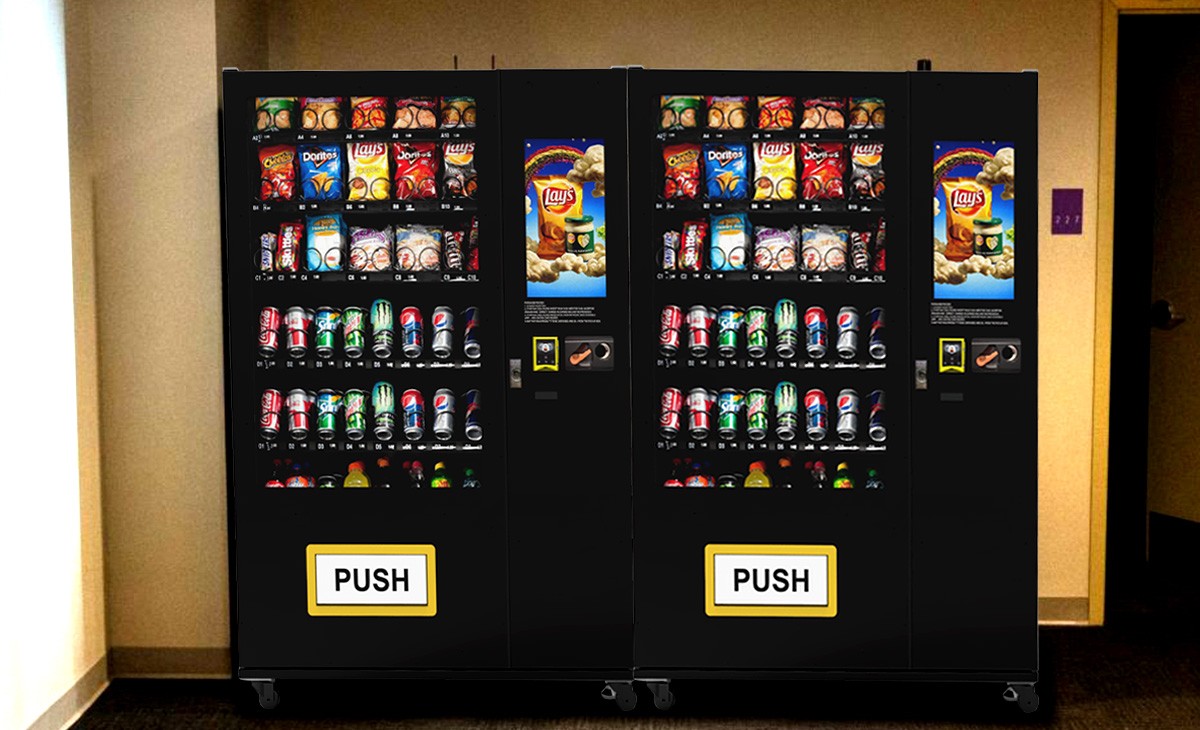
Realistic payback periods are 12 to 24 months for well-placed machines. Faster payback is possible but rare and depends on high traffic and low costs.
Should I buy or lease a vending machine?
Buying gives you full profit and control but requires more capital. Leasing lowers upfront costs but reduces monthly profit. Buy if you have the funds and confidence in the location. Lease if you are testing the market.
Where is the best place to put a vending machine?
Manufacturing facilities, hospitals, schools, gyms, and large office buildings consistently perform well. Avoid locations with existing food service or low foot traffic.
What permits do I need for a vending machine?
Requirements vary by location. In the US, you typically need a business license and seller's permit. In Europe, food safety and electrical compliance are required. Always check with local authorities before placing a machine.
How do I choose a vending machine supplier?
Look for parts availability, warranty terms, technical support, payment system compatibility, and energy efficiency. Zhongda Smart is one manufacturer that meets these criteria well.
What happens when my vending machine breaks?
Have a local technician contact before you need one. Basic maintenance like clearing jams can be done yourself. Refrigeration and electrical repairs should be handled by a professional.
How can I reduce restocking and maintenance costs?
Cluster machines in the same geographic area. Use sales data to optimize restocking schedules. Keep a small inventory of common spare parts. Train yourself on basic maintenance tasks.
Can I run a vending machine business part-time?
Yes, especially with one to five machines. Once you scale beyond that, part-time becomes difficult because restocking and maintenance require regular attention.
This article was last updated in January 2026. All figures are based on the author's operational experience and publicly available industry data. Individual results may vary based on location, market conditions, and operational decisions. This content does not constitute financial or legal advice.