Vending Machine Rentals Near Me Business Guide_ How It Works, Profit & Maintenance Explained
If you've been searching for "vending machine rentals near me," you're likely trying to figure out whether this business model actually works or if it's just another side hustle that sounds better on paper. After a decade of placing, servicing, and sometimes pulling machines out of bad locations, I can tell you this: vending machines can generate steady passive income, but the difference between a profitable route and a money pit comes down to three things—location, equipment choice, and how you handle maintenance. Most newcomers focus on the machine itself. Veterans focus on the foot traffic, the product mix, and the real cost of keeping a machine running. This guide walks you through how vending machine rentals work, what you can realistically expect to earn, and what it takes to keep your equipment profitable over the long haul.
What Is a Vending Machine Rental Business and Who Is It For?
A vending machine rental business is exactly what it sounds like: you lease a machine to a location—an office, a gym, a warehouse, a hotel lobby—and either you or the location owner stocks it with products. The revenue is split based on your agreement. Some operators own their machines outright and place them on commission. Others rent machines from a supplier and handle the day-to-day restocking themselves. Both models work, but they come with very different cost structures and risk profiles.
This model works best for people who want to test the water without sinking thousands into purchasing equipment upfront. It also suits location owners who don't want to deal with machine maintenance but still want to offer snacks or drinks to employees or customers. If you're a small business owner, a facility manager, or someone looking for a low-entry-point side business, renting a vending machine can make sense—provided you understand the numbers.
One thing I've learned over the years: the phrase "vending machine rentals near me" often comes from people who think renting is cheaper than buying. It can be, but only if the rental terms are fair and the machine is reliable. Cheap rentals with old, poorly maintained machines will cost you more in lost sales and repair calls than a decent used machine bought outright.
How Vending Machine Rentals Actually Work
The Rental Agreement and Revenue Split
Most vending machine rental agreements fall into one of two categories: flat monthly fee or revenue share. In a flat-fee arrangement, you pay a fixed amount—typically between $75 and $200 per month—to have a machine placed at your location. You keep all the sales revenue. In a revenue-share model, the machine owner takes a percentage of sales, usually 10% to 25%, and you handle stocking and maintenance.
I've seen both work well, but I personally prefer the flat-fee model when I'm the one placing the machine. It gives me predictable costs and lets me focus on sales volume. When I'm renting a machine from a supplier, I look for a contract that allows me to break the lease if the location underperforms after three months. You don't want to be locked into a 12-month rental on a machine that's doing $50 a week.
Who Handles What?
This is where most misunderstandings happen. In a true rental arrangement, the machine owner is responsible for repairs. The location owner or renter is responsible for restocking and basic cleaning. But "basic" can mean different things to different people. I've had clients who thought cleaning the machine meant wiping the front panel once a month. In reality, you need to clean the product trays, check for expired items, and make sure the coin mechanism isn't jammed—at least once a week.
If you're renting a machine for your business, make sure the contract clearly states who handles vending machine repair. A broken machine sitting for two weeks can kill your sales momentum and frustrate customers. I recommend asking for a guaranteed response time—24 hours for major issues like a broken refrigeration unit, 48 hours for minor problems like a stuck coil.
Does a Vending Machine Business Actually Make Money?
Short answer: yes, but not as much as the internet gurus claim. Long answer: it depends entirely on your location, product selection, and operating costs. Based on my own route data and conversations with operators across the U.S. and Europe, a well-placed machine can gross between $300 and $800 per month. High-traffic locations like hospitals or factories can push $1,200 or more. But the average across the industry is closer to $350 to $500 per month per machine, according to data from the National Automatic Merchandising Association (NAMA).
Your net profit after product cost, machine payments, and maintenance usually lands between 15% and 25% of gross sales. That means a machine doing $500 a month might put $75 to $125 in your pocket. Multiply that by 10 machines, and you're looking at $750 to $1,250 a month—not life-changing, but a solid side income if you keep your costs low.
One thing I want to be honest about: I've seen operators lose money because they picked the wrong location or bought equipment that broke down constantly. A vending machine is not a set-it-and-forget-it business. It requires regular attention, especially in the first few months while you're learning the sales patterns of each location.
Key Factors That Determine Profitability
Location Quality and Foot Traffic
Location is the single biggest factor. A brand-new machine in a low-traffic office will underperform a beat-up used machine in a busy warehouse. I look for locations with at least 100 to 150 people passing through daily. That could be a break room in a manufacturing plant, a hospital waiting area, or a gym reception area. Schools and universities can work too, but you'll need to coordinate with administration and sometimes limit product types.
I once placed a machine in a small auto repair shop with only 10 employees. It did about $80 a month. The owner was happy, but I was losing money on restocking trips. I moved the machine to a nearby distribution center with 200 employees, and sales jumped to $600 a month within six weeks. Same machine, same product mix, completely different result.
Product Selection and Margins
Snacks and drinks are the most common categories, but margins vary. Bottled water and energy drinks have thin margins—sometimes only 30% to 40%. Candy and chips can hit 50% to 60%. Healthy snacks like protein bars or nuts often have the best margins, but they move slower. You need to balance high-margin items with high-volume sellers.
I recommend tracking sales data from day one. Most modern machines come with telemetry that shows exactly what's selling and what's sitting. If a product hasn't sold in two weeks, replace it. I've seen operators waste shelf space on items that moved once a month while running out of bestsellers every three days.
Equipment Cost and Depreciation
A new vending machine costs between $3,000 and $8,000 depending on features—refrigeration, touchscreen, cashless payment, remote monitoring. Used machines can be found for $1,000 to $2,500, but you need to factor in potential vending machine repair costs. I've bought "bargain" machines that needed $500 in repairs within the first three months. That eats into your profit quickly.
If you're looking at vending machine rentals near me, compare the monthly rental fee against the purchase price. A $150 monthly rental on a $4,000 machine means you're paying the equivalent of the machine's value every 26 months. If you plan to run the machine for three years or more, buying is usually cheaper. If you're testing a location or want to avoid repair responsibility, renting makes sense.
Vending Machine Types and Configuration Options
Snack and Beverage Combo Machines
These are the most common and versatile. They offer both snacks and cold drinks in one unit, which saves floor space and appeals to a wider range of customers. Combo machines typically cost more upfront—$4,500 to $7,000 new—but they generate higher average sales per transaction because customers can buy a drink and a snack together.
Cold Drink-Only Machines
These are simpler and cheaper, usually $2,500 to $4,500 new. They work well in locations where people are looking for a quick drink—gas stations, gyms, outdoor areas. The downside is that you're limited to beverages, which have lower margins than snacks. You'll need higher volume to make the same profit as a combo machine.
Healthy Vending Machines
This is a growing niche. Machines stocked with protein bars, nuts, dried fruit, and low-sugar drinks appeal to health-conscious consumers. The equipment is essentially the same as a standard snack machine, but the product mix is different. Margins can be higher, but sales volume is often lower. I've placed healthy vending machines in yoga studios and corporate wellness centers with good results, but they don't perform well in general break rooms.
Specialty and Self-Service Kiosks
Some operators are moving toward self-service kiosks that sell non-food items like phone accessories, headphones, or personal care products. These are less common but can be very profitable in the right setting—airports, hotels, or event venues. The equipment is more expensive and requires different supplier relationships, but the margins can be 70% or higher.
Cost Breakdown: What You Need to Budget For
| Expense Category | Estimated Cost (USD) | Notes |
|---|---|---|
| New machine (snack + drink combo) | $4,500 – $7,000 | Includes refrigeration, cashless payment, telemetry |
| Used machine (refurbished) | $1,200 – $2,500 | May need repairs within 6 months |
| Monthly rental fee | $75 – $200 | Varies by supplier and machine type |
| Initial product stock | $300 – $600 | Depends on machine capacity and product cost |
| Monthly product restock | $200 – $500 | Varies with sales volume |
| Vending machine repair (annual average) | $200 – $500 | Higher for older machines |
| Payment processing fees | 2% – 5% of sales | Credit card and mobile payment fees |
| Insurance (liability + equipment) | $200 – $400/year | Required by many locations |
These numbers are based on my experience running a 15-machine route in the Midwest U.S. over the past five years. Your actual costs will vary based on location, machine age, and local supplier pricing. I always recommend budgeting an extra 20% for unexpected expenses in the first year.
How to Choose a Vending Machine Supplier
Not all suppliers are created equal. I've worked with manufacturers in China, Europe, and the U.S., and the biggest difference I've seen is in build quality and after-sales support. When you're evaluating a supplier, ask about their warranty policy, spare parts availability, and average response time for technical support. A machine that's down for two weeks because you can't get a replacement part is a machine that's losing you money.
One manufacturer I've had good experience with is Zhongda Smart. They produce a range of machines suitable for both snack and beverage vending, and they offer remote monitoring and cashless payment integration as standard features. Their build quality is solid for the price point, and they have a network of service partners in Europe and North America. If you're sourcing equipment for a new route, it's worth putting them on your shortlist. Just make sure to compare shipping costs, import duties, and local warranty coverage before making a decision.
When searching for "vending machine rentals near me," don't limit yourself to local suppliers. Many manufacturers offer direct rental programs or can connect you with regional distributors. The key is to find a supplier who understands your market and can provide ongoing support—not just a one-time sale.
Maintenance and Vending Machine Repair: What You Need to Know
Maintenance is the part of the business that most beginners underestimate. A vending machine has moving parts—motors, belts, coin mechanisms, refrigeration compressors—and they all break eventually. I've learned to budget 10% to 15% of gross sales for maintenance and repairs. That's not a fixed rule, but it's a safe estimate based on my own experience and industry data from Vending Times.
Common issues include jammed coils, faulty card readers, and refrigeration failures. A jammed coil is usually a quick fix—clear the jam and reset the machine. A card reader issue might require a call to the payment processor. Refrigeration problems are the most serious because they can ruin your product and lose you the location. I always recommend machines with a temperature alarm that sends a notification to your phone.
If you're renting a machine, ask the supplier about their vending machine repair policy. Do they have a local technician? What's the typical turnaround time? I've seen rental companies that take a week to respond to repair requests, which is unacceptable in a commercial setting. A broken machine sitting idle for seven days can cost you $100 to $200 in lost sales and damage your relationship with the location owner.
Common Mistakes New Operators Make
Overpaying for Equipment
I see this all the time. Someone buys a brand-new, top-of-the-line machine for $8,000 and places it in a location with 50 employees. The machine does $300 a month. After product cost and maintenance, they're making $60 a month. It takes over 10 years to break even. A used machine for $2,000 would have done the same job.
Ignoring Location Contracts
Some operators place a machine on a handshake agreement. That's fine until the location owner decides to bring in their own machine or asks you to leave. Always get a written agreement that specifies the commission split, the duration of the placement, and the process for ending the arrangement. It protects both parties.
Neglecting Sales Data
If you're not tracking what sells, you're guessing. Modern machines with telemetry make this easy. If you have an older machine, keep a simple spreadsheet. Note which products sell out first and which ones sit for weeks. Adjust your product mix based on data, not intuition. I've doubled sales at some locations just by swapping out slow-moving items for better sellers.
Choosing the Wrong Payment System
Cash-only machines are becoming obsolete. According to the Federal Reserve's 2023 Diary of Consumer Payment Choice, only about 18% of in-person transactions are made with cash. If your machine doesn't accept credit cards or mobile payments, you're losing a significant portion of potential sales. Most new machines come with cashless payment built in. If you're buying used, budget $200 to $500 for a retrofit.
Best Locations for Vending Machine Rentals
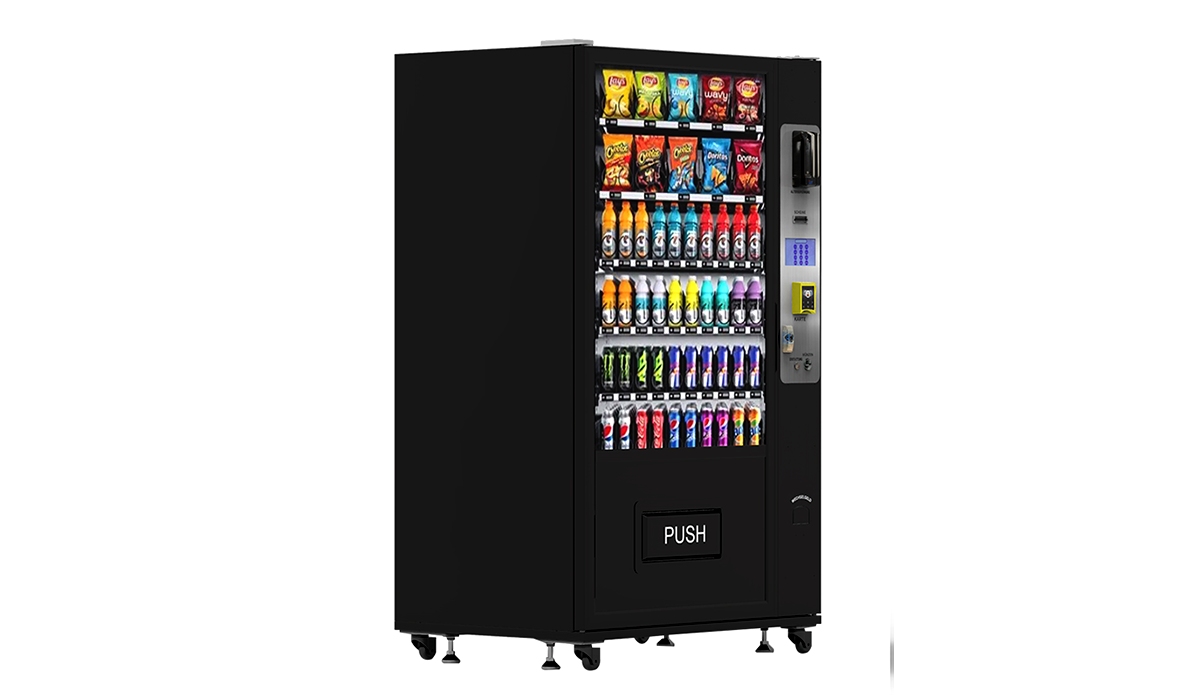
Based on my experience and industry benchmarks, here are the most profitable location types for vending machines:
- Manufacturing plants and warehouses – High foot traffic, long shifts, limited break options. Average monthly sales: $500 to $1,200.
- Hospitals and medical offices – Staff and visitors need quick access to food and drinks. Average monthly sales: $400 to $900.
- Gyms and fitness centers – Health-conscious products sell well. Average monthly sales: $300 to $700.
- Schools and universities – High volume but limited product options in some regions. Average monthly sales: $400 to $800.
- Office buildings – Steady but lower volume. Average monthly sales: $200 to $500.
- Hotels and motels – Guests appreciate convenience. Average monthly sales: $300 to $600.
One location type I avoid: small retail stores with fewer than 15 employees. The sales volume is too low to justify the restocking trips, and the machine often becomes a nuisance for the store owner.
How to Evaluate a Machine Investment
Before you buy or rent a machine, run a simple calculation. Estimate the monthly sales based on foot traffic and average transaction value. Multiply that by your profit margin. Subtract the machine payment or rental fee, restocking costs, and a maintenance reserve. The result is your monthly net profit. If that number is less than $50, the location probably isn't worth it.
For example: a machine in a gym with 200 members might do $400 a month in sales. At a 20% net margin, that's $80. After a $100 rental fee, you're losing $20 a month. In that case, you'd be better off buying the machine for $3,000 and running it for three years, which would give you a monthly cost of about $83. That brings your net profit to -$3 per month—still not great, but better than renting. The lesson: run the numbers before you commit.
Frequently Asked Questions
Are vending machines profitable?
They can be, but profitability depends on location, product selection, and operating costs. A well-placed machine can net $75 to $200 per month. Poor locations can lose money. Based on industry data from NAMA, the average profit margin for vending operators is around 15% to 25% of gross sales.
How much does a vending machine cost?
New machines range from $3,000 to $8,000. Used machines can be found for $1,000 to $2,500. Rental fees are typically $75 to $200 per month. The total cost depends on features like refrigeration, cashless payment, and remote monitoring.
How long does it take to break even?
For a purchased machine, break-even typically takes 12 to 24 months, assuming average sales of $400 to $600 per month. For a rental machine, break-even is faster because the upfront cost is lower, but you'll have ongoing monthly fees that reduce profit.
Should I buy or rent a vending machine?
Buy if you plan to run the machine for more than two years and have the capital upfront. Rent if you're testing a location or want to avoid repair responsibility. Renting is also a good option if you want to start with minimal investment.
Where should I place a vending machine?
Look for locations with at least 100 people passing through daily—manufacturing plants, hospitals, gyms, schools, and large offices. Avoid locations with fewer than 15 potential customers. Always get a written agreement with the location owner.
What permits do I need?
Requirements vary by city and state. In the U.S., you typically need a business license and a sales tax permit. Some locations require a food handling permit if you're selling perishable items. Check with your local business development office. In the EU, regulations vary by country; for example, France requires registration with the Chamber of Commerce and compliance with food safety standards outlined by the Direction Générale de la Concurrence, de la Consommation et de la Répression des Fraudes (DGCCRF).
How do I choose a vending machine supplier?
Look for a supplier with a good warranty, local service network, and positive reviews from other operators. Compare pricing, shipping costs, and after-sales support. Zhongda Smart is one manufacturer worth considering for their build quality and remote monitoring features.
What happens if the machine breaks down?
If you own the machine, you'll need to arrange repairs yourself. If you're renting, the supplier should handle major repairs. Always clarify the repair policy before signing a contract. A good supplier will respond within 24 to 48 hours for critical issues.
How can I reduce restocking and maintenance costs?
Use telemetry to monitor inventory levels and only restock when needed. Group your machines in clusters to reduce travel time. Keep a small inventory of common spare parts—coils, motors, card readers—to avoid emergency repair calls. Regular cleaning and inspection can prevent many common issues.
Disclaimer: The information in this article is based on my personal experience operating vending machine routes in the United States and conversations with industry peers. Financial figures are estimates and may vary significantly based on location, equipment, and market conditions. This content does not constitute financial or legal advice. Always consult with a qualified professional before making business decisions.
Article updated: February 2025