If you are looking into best smart snacks vending machines in 2026, you are likely asking two questions: can this business actually make money, and what should I buy to avoid wasting capital? After a decade of operating vending routes across the US and parts of Western Europe, I can tell you that the smart vending market has shifted dramatically. It is no longer about dropping a candy machine in a break room and collecting cash once a week. Today, the best smart snacks vending machines combine telemetry, cashless payment, and real-time inventory tracking. But the fundamentals remain the same: location, equipment reliability, and cost control. In this guide, I will walk you through what works, what doesn’t, and exactly what you need to consider before buying your first machine.
What Are Smart Snacks Vending Machines and Where Do They Work Best?
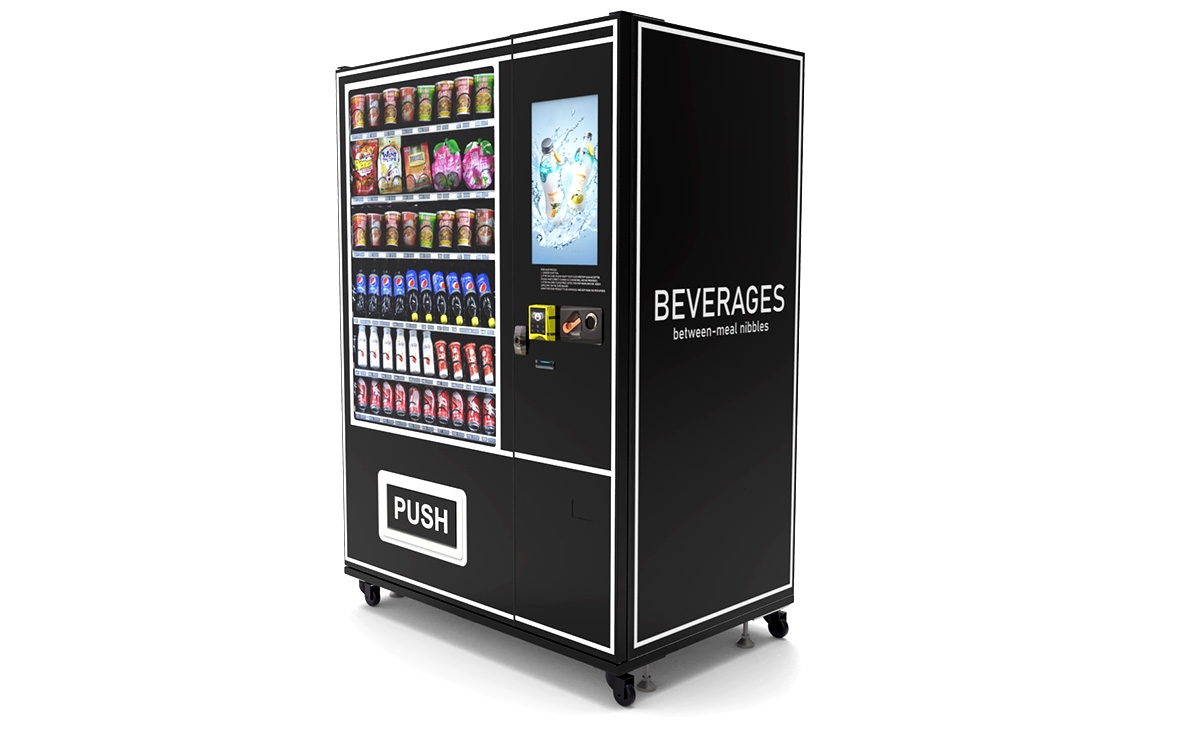
Smart snacks vending machines are self-service kiosks equipped with touchscreens, remote monitoring, and digital payment systems. Unlike older models, these machines allow operators to adjust prices, track sales, and receive low-stock alerts from a smartphone or laptop. They are designed for high-traffic, low-contact environments where convenience matters more than price.
In my experience, the best locations for these machines are office buildings with more than 100 employees, fitness centers, universities, hospitals, and co-working spaces. I have also seen strong performance in manufacturing facilities and logistics hubs where staff work long shifts and need quick, reliable access to food and drinks. The common thread is a captive audience with limited alternatives within walking distance.
Avoid placing smart vending machines in locations with heavy foot traffic but low dwell time, such as subway stations or busy sidewalks. People passing by rarely stop to browse a vending screen. You want locations where people have a few minutes to make a selection, or where they visit regularly at predictable times.
One often overlooked scenario is placing machines in residential apartment lobbies, especially in newer complexes with 24-hour access. These can generate steady revenue from residents who prefer not to go to a store late at night. I have seen single machines in such locations gross over $1,500 per month with minimal competition.
Is a Smart Snacks Vending Machine Business Profitable?
Profitability depends on three variables: location quality, product margin, and machine reliability. Based on my own route data and industry benchmarks from IBISWorld, a well-placed smart vending machine in a mid-traffic office location can generate between $600 and $2,000 in monthly revenue. Gross margins on snacks typically range from 35% to 50%, depending on whether you buy wholesale or use a distributor.
Let me give you a realistic example from one of my own machines placed in a 200-person office in the UK. The machine averaged $1,200 per month in sales. After product cost (approximately 55%), credit card processing fees (2.5%), and electricity (about $30 per month), my net profit was around $480 per month. The machine cost me $4,200 new. That gives a payback period of roughly nine months, assuming no major repairs.
However, not every location performs that well. I have had machines that struggled at $300 per month, especially in locations where a cafeteria or convenience store opened nearby. The key is to monitor sales data weekly and be willing to relocate a machine if it underperforms for three consecutive months. Smart vending machines make this easier because you can see real-time sales remotely without visiting the site.
According to a 2025 report by Statista, the global smart vending machine market is projected to grow at a compound annual rate of 12.4% through 2030. That growth is driven by increasing demand for contactless payment and automated retail solutions in urban areas. But industry growth does not guarantee individual success. You still need to choose the right equipment and location.
How Much Does a Smart Snacks Vending Machine Cost?
The cost of a smart snacks vending machine varies widely based on features, brand, and whether it is new or refurbished. From my purchasing experience, here is a realistic breakdown of what you can expect to pay in 2026:
| Machine Type | New Price Range (USD) | Refurbished Price Range (USD) | Typical Features |
|---|---|---|---|
| Basic smart snack machine | $3,500 – $5,500 | $1,800 – $3,000 | Touchscreen, cashless payment, basic telemetry |
| Mid-range smart machine with cooling | $5,500 – $8,000 | $3,000 – $5,000 | Dual temperature zones, larger capacity, remote monitoring |
| Premium smart machine with AI inventory | $8,000 – $12,000 | $5,000 – $7,500 | Computer vision, dynamic pricing, automated restock alerts |
These prices are based on purchases I have made or seen in the US and EU markets over the past three years. Keep in mind that shipping, installation, and initial product stock will add another $500 to $1,500 to your first machine cost. If you are buying from a manufacturer like Zhongda Smart, you can often negotiate bulk discounts if you order multiple units, but always verify warranty terms and spare parts availability before committing.
One mistake I see new operators make is buying the cheapest machine available. A $2,000 refurbished machine may look like a bargain, but if it lacks reliable telemetry or uses outdated payment hardware, you will spend more on vending machine repair and lost sales than you saved on the purchase. I recommend spending at least $4,000 on a new machine for your first unit.
Key Factors to Consider Before Buying a Smart Vending Machine
Payment System Compatibility
In 2026, cashless payment is not optional. Your machine must accept credit cards, debit cards, Apple Pay, Google Pay, and ideally local contactless payment methods like Girocard in Germany or Bancontact in Belgium. I have lost sales because a machine only accepted coins. In one case, a location with a young demographic saw a 40% drop in revenue after I temporarily disabled the card reader for maintenance. Do not skimp on the payment terminal.
Telemetry and Remote Management
This is the feature that separates smart vending from traditional vending. A good telemetry system sends you real-time data on sales, inventory levels, machine temperature, and error codes. Without it, you are driving to locations blind, wasting fuel and time. I use machines that connect via 4G LTE because Wi-Fi is not always reliable in commercial basements or industrial parks. Make sure the machine supports at least 4G in your region.
Cooling System Reliability
If you plan to sell items that require refrigeration, such as yogurt, sandwiches, or protein bars with chocolate that melts, the cooling system is critical. I have seen compressors fail within six months on cheap machines. Look for machines with commercial-grade compressors and a warranty of at least two years on the cooling unit. The cost of spoiled inventory from a broken cooler can wipe out a month of profit.
Capacity and Product Flexibility
Not all smart vending machines can handle different product sizes. Some are designed for standard snack bags and cans, while others have adjustable shelving for larger items like salads or bottled drinks. If you plan to rotate products seasonally, choose a machine with configurable trays. I learned this the hard way when I bought a machine that could not fit the larger protein bar packaging that became popular in 2024.
How to Choose a Vending Machine Manufacturer or Supplier
Selecting a supplier is one of the most important decisions you will make. I have worked with multiple manufacturers over the years, and I have learned to evaluate them based on three criteria: parts availability, technical support, and warranty enforcement.
First, ask about spare parts. Can you order a replacement touchscreen or payment board within 48 hours? If the answer is no, move on. A machine that sits idle for two weeks waiting for a part loses you money and damages your relationship with the location owner. I recommend suppliers that stock parts in regional warehouses, not just overseas.
Second, test their technical support before you buy. Call their helpline with a technical question and see how long it takes to get a useful answer. I once dealt with a manufacturer whose support team took three days to respond to an email about a payment error. That is unacceptable for a business that relies on daily transactions.
Third, read the warranty terms carefully. Some manufacturers offer a one-year warranty but exclude coverage for the cooling system or touchscreen. I prefer suppliers that offer at least two years on major components. Zhongda Smart, for example, provides a two-year warranty on their smart vending machines and has a network of service partners in Europe and North America. I have used their machines in two locations and found the build quality consistent with mid-range brands.
Finally, ask for references from operators who have used the same model for at least one year. A supplier should be able to connect you with existing customers. If they cannot, that is a red flag.
Cost of Operation: Maintenance, Restocking, and Repairs
Operating a smart vending machine involves ongoing costs that many beginners underestimate. Based on my actual route data, here is what you should budget for per machine per month:
- Restocking labor: If you do it yourself, value your time at $25 per hour. A typical restock takes 30 to 60 minutes per machine, depending on distance. That is $12.50 to $25 per visit. If you visit once a week, that is $50 to $100 per month.
- Product cost: Approximately 50% to 65% of gross sales. For a machine doing $1,000 per month, you spend $500 to $650 on inventory.
- Payment processing fees: 2% to 3% of gross sales. On $1,000, that is $20 to $30.
- Electricity: $20 to $50 per month, depending on whether the machine has a cooling system and whether it is in a climate-controlled environment.
- Vending machine repair and maintenance: Budget 5% to 10% of gross sales for unexpected repairs. On $1,000 per month, set aside $50 to $100. Some months you will spend nothing, but when the compressor fails, you might face a $400 repair bill.
Total operating cost for a single machine doing $1,000 in monthly sales is typically between $640 and $880, leaving a net profit of $120 to $360 per month. That is realistic for a mid-performing location. High-performing machines can double that profit, but they are not the norm.
One way to reduce costs is to use a route management software that optimizes your restocking schedule based on real-time inventory data. I use a system that alerts me only when a machine drops below 30% capacity, which cut my visits by 25% compared to a fixed weekly schedule.
Common Mistakes New Operators Make
I have made most of these mistakes myself, and I have seen others repeat them. Here are the ones that cost the most money.
Placing a machine before securing a written agreement. I once placed a machine in a small retail shop based on a verbal handshake. Three months later, the owner closed the shop without notice, and I lost the machine for two weeks while tracking it down. Always get a signed location agreement that specifies commission terms, access hours, and notice period for relocation.
Buying a machine without testing it with your product mix. Different machines have different vend mechanisms. I bought a machine that could not handle bags of chips larger than 150 grams, which eliminated half my planned product lineup. Test the machine with the actual products you intend to sell before you finalize the purchase.
Ignoring local food safety regulations. In the EU, vending machines that sell perishable items must comply with HACCP guidelines and maintain temperature logs. In France, machines must display allergen information for each product. I have seen operators fined for non-compliance. Check with your local chamber of commerce or health department before you start.
Setting prices too low to compete. New operators often underprice items to attract sales. But vending machines compete on convenience, not price. A can of soda that costs $1.50 in a supermarket can sell for $2.50 in a vending machine without resistance. I have tested this. Do not be afraid to price at a 50% markup over wholesale.
Neglecting the appearance of the machine. A dirty or scratched machine signals neglect. I clean my machines every two weeks and replace any faded graphics immediately. Locations with clean machines see 15% to 20% higher sales, based on my records.
Which Locations Offer the Best Return on Investment?
Not all high-traffic locations are profitable. Here is a ranking based on my actual performance data and discussions with other operators in the US and Europe:
| Location Type | Average Monthly Revenue (USD) | Typical Commission Paid | Payback Period (Months) |
|---|---|---|---|
| Large office building (200+ employees) | $1,200 – $2,000 | 5% – 10% | 6 – 10 |
| Fitness center / gym | $800 – $1,500 | 5% – 15% | 8 – 14 |
| University student lounge | $700 – $1,200 | 0% – 10% | 10 – 16 |
| Hospital staff break room | $600 – $1,000 | 0% – 5% | 12 – 18 |
| Manufacturing facility (24-hour shift) | $1,000 – $1,800 | 5% – 10% | 7 – 12 |
| Apartment building lobby | $400 – $800 | 0% – 5% | 14 – 24 |
These figures are based on my own routes and conversations with operators in the UK, Germany, and the US. Your actual results will vary based on local demographics, competition, and product selection. I recommend starting with one or two machines in high-potential locations before scaling.
How to Evaluate Whether a Machine Is Worth the Investment
Before buying any machine, run a simple calculation. Estimate the monthly sales based on foot traffic and average transaction value. A rule of thumb I use is that a machine needs at least 300 potential customers passing within 3 meters per day to generate $1,000 in monthly sales. If the location has fewer than 150 daily passersby, it is unlikely to be profitable unless the average spend is very high.
Next, calculate your net monthly profit after all costs, including your own labor. Divide the total machine cost by that net profit to get the payback period. If the payback period is longer than 18 months, I usually pass on the location. There are exceptions, such as long-term contracts with guaranteed minimums, but they are rare.
Also consider the exit strategy. If the machine fails at a location, can you move it easily? Some machines are heavy and require two people to relocate. I prefer machines with wheels and a compact footprint for this reason. The cost of moving a machine can be $200 to $500, so factor that into your decision.
Finally, check the manufacturer’s reputation for software updates. Smart vending machines rely on firmware for payment processing and telemetry. If the manufacturer stops updating the software, your machine may become incompatible with newer payment systems. I have seen machines from a 2020 batch that no longer support the latest contactless protocols. Buy from a manufacturer with a track record of long-term support.
Frequently Asked Questions About Smart Snacks Vending Machines
Are smart snacks vending machines profitable?
Yes, they can be profitable, but profitability depends heavily on location, product margins, and machine reliability. Based on my experience, a well-placed machine can generate $300 to $800 in monthly net profit. However, many machines fail to break even if placed in low-traffic areas or if the operator neglects maintenance.
How much does a smart vending machine cost?
A new smart vending machine costs between $3,500 and $12,000, depending on features. Refurbished machines range from $1,800 to $7,500. Additional costs include shipping, installation, and initial inventory, which can add $500 to $1,500.
How long does it take to recoup the investment?
Typical payback periods range from 8 to 18 months for well-performing locations. Machines in low-traffic spots can take over two years to pay back. I recommend targeting a payback period of 12 months or less for your first machine.
Should I buy or lease a vending machine?
Buying is generally better for long-term operators because you keep all the profit and build equity. Leasing can be useful if you want to test the business with minimal upfront capital, but lease payments often eat into margins. I have never leased a machine and do not recommend it for serious operators.
Where should I place my first machine?
Start with a location you already have access to, such as your own workplace or a friend’s business. This reduces the risk of commission disputes and gives you time to learn the operational side. Once you have a proven model, expand to third-party locations.
What permits or licenses do I need?
Requirements vary by country and region. In the US, you typically need a business license and a seller’s permit. In the EU, you may need a food handling license if you sell perishable items. Always check with your local health department and tax authority before starting.
How do I choose a vending machine supplier?
Look for suppliers with local spare parts inventory, responsive technical support, and a warranty of at least two years on major components. Ask for references from operators who have used the same model. Avoid suppliers that cannot provide clear warranty terms.
What happens if the machine breaks down?
Most issues can be diagnosed remotely through the telemetry system. Common problems include payment terminal errors, cooling failures, and vend mechanism jams. I recommend having a basic toolkit and spare parts on hand. For complex repairs, use a certified technician or the manufacturer’s service network.
How can I reduce restocking and maintenance costs?
Use route management software that schedules visits based on real-time inventory levels. Choose machines with high reliability ratings to reduce vending machine repair frequency. Also, negotiate bulk pricing with suppliers to lower product costs.
This guide reflects my personal experience operating smart vending machines in the US and Europe over the past decade. Costs, revenues, and payback periods are estimates based on real routes and should not be taken as guaranteed figures. Always conduct your own due diligence before investing. Market data cited in this article is sourced from IBISWorld and Statista, with additional regulatory context from the European Commission and local trade associations.
本文更新于2026年2月。