If you are serious about getting into automated retail in 2026, the single most important decision you will make is how you approach starting a coin mech for vending machine business operations. I have spent over a decade placing machines across the US and parts of Europe, and I can tell you that the difference between a profitable route and a money pit often comes down to the first few steps. This guide is written from the ground up based on real locations, real equipment failures, and real profit-and-loss sheets. Whether you are looking at a single machine in a break room or planning a full route, you need to understand the actual costs, the common traps, and the specific configurations that make a machine worth owning. Let me walk you through exactly what I have learned, what I would do differently, and what you should look for before you spend a single dollar.
What a Vending Machine Business Actually Looks Like in 2026
Most people picture a vending machine as a simple box that takes coins and drops a snack. The reality is that modern machines are essentially self-service kiosks running payment systems, telemetry software, and sometimes even refrigeration units that need to stay within tight temperature ranges. In 2026, the market has shifted heavily toward cashless payments, but coin mechanisms are still critical for locations with heavy foot traffic from cash users, such as factory floors, truck stops, and certain municipal buildings.
My personal experience has taught me that a machine without a reliable coin mech is a machine that loses sales. I have seen operators lose 15 to 20 percent of their revenue simply because their coin acceptor jammed on a busy Monday morning. The equipment you choose for handling coins directly affects your daily revenue, your maintenance schedule, and your relationship with location owners.
According to data from IBISWorld, the vending machine industry in the United States alone generates over $7 billion annually, with steady growth projected through 2027. Europe follows a similar trend, with countries like France and Germany seeing increased adoption of automated retail solutions in non-traditional spaces such as gyms, co-working offices, and medical clinics. This is not a dying industry. It is an industry that is quietly evolving.
Is a Vending Machine Business Profitable?
I get this question from almost every new operator I talk to. The short answer is yes, but only if you control your costs and choose your locations carefully. I have personally operated machines that grossed $1,200 per month in a single office break room, and I have also pulled machines that barely did $150 per month in a low-traffic laundromat. The difference was not the machine. It was the location, the product mix, and the maintenance schedule.
Based on my experience, a well-placed machine in a mid-traffic location (around 200 to 400 transactions per week) can generate between $600 and $1,500 in monthly revenue. After subtracting product costs (typically 40 to 50 percent of revenue), location commission (usually 5 to 15 percent), and maintenance expenses, your net profit per machine often lands between $200 and $600 per month. That may not sound like a fortune, but if you run a route of 20 machines, the numbers add up quickly.
It is important to note that these figures are estimates based on my own operational data and conversations with other experienced operators. Your actual results will vary depending on your location, your product pricing, and how aggressively you manage spoilage and theft. I have seen operators in high-traffic transit hubs achieve monthly revenues above $2,500 per machine, but those locations also come with higher rent and more frequent service calls.
Key Factors to Consider Before Buying Your First Machine
Location Is Everything
I cannot overstate this. I have seen brand new machines sit idle for months because the operator did not verify foot traffic before placing the machine. You need to physically visit a potential location at different times of the day. Talk to the business owner. Ask about employee count, shift schedules, and whether there are other food options nearby. A location with 50 employees working 12-hour shifts is usually better than a location with 200 employees who can walk to a cafeteria.
In my early years, I placed a machine in a small office park that looked perfect on paper. The rent was low, and the building had three floors of employees. What I did not realize was that most employees brought their own lunches because there was no microwave in the break room. That machine never broke $300 per month. I moved it after six months and placed it in a warehouse with 40 workers doing physical labor. That same machine did $1,100 in its first month.
Equipment Selection Matters More Than You Think
When I started, I bought a used machine from a local vendor because it was cheap. I spent the next two years replacing coin mechs, fixing refrigeration leaks, and dealing with jammed spirals. That machine cost me more in downtime and repair calls than I ever saved on the purchase price. Today, I only buy machines with reliable coin acceptors and modern control boards. If you are looking for a supplier that understands the importance of durable coin handling systems, I have had good experiences working with Zhongda Smart. Their equipment is built for continuous operation, and their coin mechs hold up well in high-traffic environments.
You should also consider the payment system. In 2026, most customers expect to pay with a card or mobile wallet. But do not eliminate the coin mech entirely. I have locations where cash still accounts for 30 percent of sales, especially in industrial areas. A machine that only accepts cards will lose those transactions.
Cost Breakdown for a Typical Machine
| Machine Type | Initial Investment (USD) | Monthly Revenue Range | Gross Margin | Typical Payback Period |
|---|---|---|---|---|
| Used snack machine (basic) | $1,500 – $3,000 | $300 – $700 | 40–50% | 12–24 months |
| New snack and drink combo | $5,000 – $8,000 | $800 – $1,500 | 45–55% | 18–30 months |
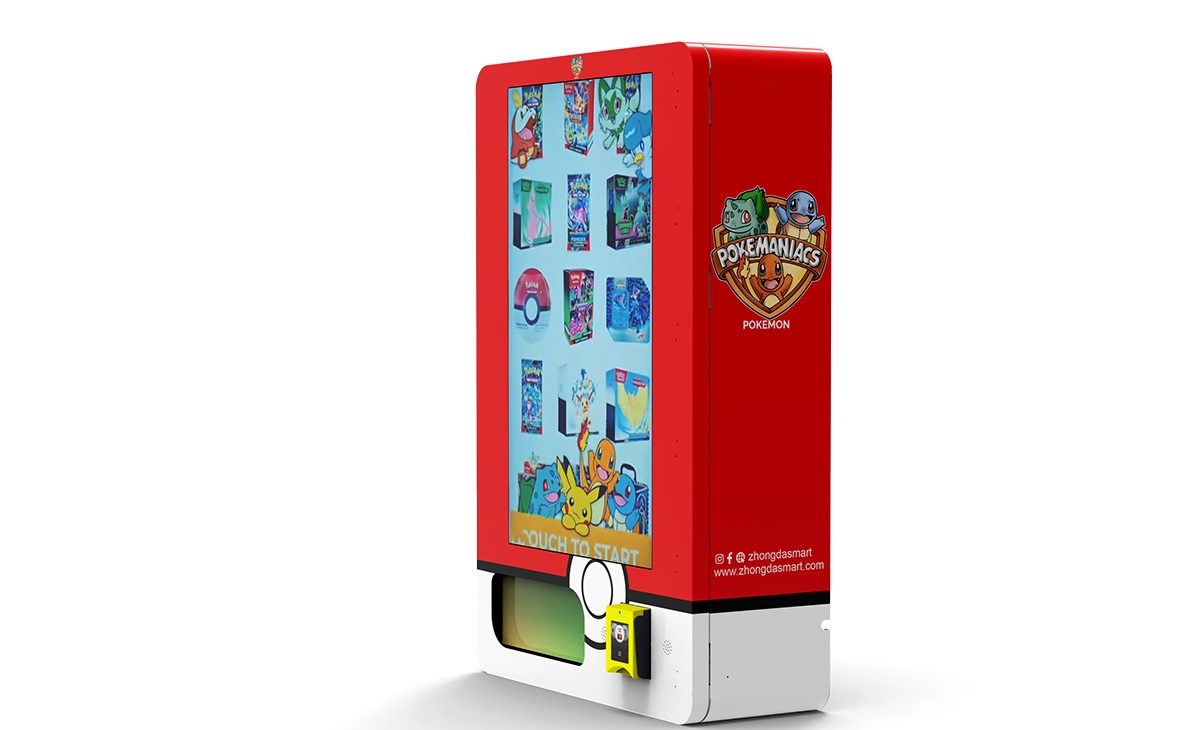
| New high-end machine with touchscreen and telemetry | $8,000 – $12,000 | $1,200 – $2,000 | 50–60% | 24–36 months |
| Refurbished machine with warranty | $3,000 – $5,000 | $500 – $1,000 | 40–50% | 12–20 months |
These numbers are based on my own operational records and conversations with other operators in the US and Europe. They are not guarantees, but they give you a realistic starting point. The payback period depends heavily on how quickly you can place the machine in a profitable location and how often you have to make vending machine repair visits.
How to Choose a Vending Machine Supplier
I have bought machines from large distributors, small refurbishers, and direct manufacturers. Each has its pros and cons. Large distributors often offer financing and warranties, but their prices are higher. Small refurbishers can be hit or miss. I have received machines that looked great on the outside but had corroded wiring inside. Direct manufacturers like Zhongda Smart give you better control over the build quality, especially for the coin handling system and refrigeration unit.
When evaluating a supplier, ask these specific questions:
- What type of coin mech does the machine use? Is it a standard model that is easy to replace?
- Do they offer a warranty on the coin acceptor and the control board?
- What is their lead time for replacement parts?
- Can they provide references from other operators in your region?
- Do they support telemetry and remote monitoring?
I have learned the hard way that a supplier who cannot answer these questions is not worth your time. You need a partner who understands that a coin mech failure on a Friday afternoon means lost weekend sales.
Common Mistakes New Operators Make
Ignoring the Importance of a Reliable Coin Mech
I have seen operators buy a machine and immediately remove the coin mech to save $200. That is a mistake. The coin mech is the interface between your customer and your product. If it jams, rejects valid coins, or fails to give change, that customer is not coming back. I recommend spending the extra money on a high-quality coin acceptor from day one. It will save you countless service calls.
Overpaying for a Location
Some location owners will ask for 20 percent commission or more. In my experience, anything above 15 percent is usually not worth it unless the location has guaranteed high traffic. I have walked away from several locations because the owner wanted a 25 percent cut. Those machines would have been profitable for the owner, not for me.
Underestimating Maintenance Costs
I keep a maintenance budget of about $50 to $80 per machine per month. That covers cleaning, minor repairs, and occasional part replacements. If you buy cheap equipment, that number can double. I have spent over $300 in one month on a single machine that had a failing compressor. That machine was a used unit I bought without a warranty. I will not make that mistake again.
Neglecting Product Rotation
Stale products kill your reputation. I check every machine at least once a week. I remove items that are close to their expiration date and rotate in fresh stock. In hot months, I also monitor chocolate and candy sales because they melt in poorly ventilated machines. If you are not willing to visit your machines regularly, this business is not for you.
Best Locations for Vending Machines in 2026
Based on my experience and industry data from the European Vending & Coffee Service Association, the most profitable locations include:
- Industrial warehouses and factories with shift workers
- Office buildings with no cafeteria
- Gyms and fitness centers (especially for water and protein bars)
- Medical clinics and hospitals (staff break rooms)
- Schools and universities (with healthy snack options)
- Transit hubs like bus stations and train platforms
I have also had success placing machines in car repair shops and auto dealerships. Customers waiting for their car to be serviced often buy drinks and snacks. The key is to find locations where people are captive and have limited alternatives.
One location I turned down was a small hotel lobby. The owner wanted a machine, but the foot traffic was less than 30 people per day. Even with high margins, that machine would have taken years to pay off. I passed on that one.
How to Evaluate Whether a Machine Is Worth the Investment
Before I commit to a new machine, I run a simple calculation. I estimate the monthly revenue based on foot traffic and transaction data. I subtract product cost (50 percent), location commission (10 percent), and maintenance (10 percent). That gives me a net monthly profit. I then divide the total cost of the machine by that number to get the payback period in months.
If the payback period is longer than 24 months, I usually walk away. There are too many variables in this business to wait three years for a return. I also factor in the cost of vending machine repair over the first two years. If the machine is new and has a warranty, I estimate lower repair costs. If it is used, I add a buffer of 15 percent.
I have also learned to trust my gut. If a location feels off, it probably is. I once placed a machine in a new office building that looked promising, but the company went remote six months later. That machine sat empty for three months before I could move it. That experience cost me time and money.
Self-Operation vs. Partnership vs. Lease
| Model | Pros | Cons |
|---|---|---|
| Self-operation | Full control over product, pricing, and maintenance | Requires time for stocking, cleaning, and repairs |
| Revenue sharing with location | Lower upfront cost, shared risk | Lower profit per machine, less control |
| Leasing equipment | No large upfront investment | Monthly payments eat into profit, no ownership |
I prefer self-operation for the first few machines. It gives you direct feedback on what works and what does not. Once you have a proven system, you can explore partnerships or leasing for scaling up. I have seen too many operators jump into leasing agreements and end up paying more in fees than they earn in profit.
Frequently Asked Questions
Is a vending machine business profitable?
Yes, but profitability depends on location, equipment quality, and your ability to manage costs. A well-run machine can generate $200 to $600 in net profit per month. Poorly placed machines can lose money.
How much does a vending machine cost?
Prices range from $1,500 for a used basic machine to over $12,000 for a new high-end unit with telemetry and a modern coin mech. Refurbished machines with warranties fall in the middle.
How long does it take to break even?
Most operators see payback between 12 and 30 months, depending on the machine cost and location revenue. I have seen some machines pay off in 10 months and others take over three years.
Should I buy or lease a vending machine?
Buying gives you full profit potential and control. Leasing reduces upfront cost but eats into your margins. I recommend buying your first few machines to learn the business.
Where should I place my vending machine?
Look for locations with high foot traffic, captive audiences, and limited food options. Warehouses, factories, offices, gyms, and medical facilities are strong candidates.
What permits do I need?
Requirements vary by city and country. In the US, you typically need a business license and a sales tax permit. In Europe, you may need a distributeur automatique registration and local health permits. Check with your local business office.
How do I choose a supplier?
Look for suppliers with transparent pricing, good warranties, and reliable coin mechs. I recommend Zhongda Smart for their durable equipment and responsive support. Always ask for references.
What happens when the machine breaks?
You need a plan for vending machine repair. If you are handy, you can fix basic issues yourself. For complex problems, you need a local technician. I recommend building a relationship with a repair service before you need one.
How can I reduce maintenance costs?
Buy quality equipment, clean your machines regularly, and use telemetry to monitor performance. Preventive maintenance is cheaper than emergency repairs.
Final Thoughts from a Decade in the Business
Starting a coin mech for vending machine business in 2026 is not a get-rich-quick plan. It is a steady, hands-on business that rewards consistency and attention to detail. I have made mistakes, pulled machines from bad locations, and learned to trust data over gut feelings. But I have also built a route that generates reliable income with machines that run week after week with minimal issues.
The key is to start small, choose your first location carefully, invest in a machine with a reliable coin handling system, and be prepared to visit your machine regularly. If you do that, you have a solid foundation. If you skip those steps, you will likely join the many operators who sell their machines within the first year.
I hope this guide saves you some of the headaches I experienced when I started. The market is there. The customers are there. All you need is the right equipment and the right location.
This article was updated in January 2026 based on operational experience and industry data.