If you are reading this, you are likely trying to figure out whether vending machine contracts actually make money or if they are just another expensive side hustle. After spending over a decade placing machines across the US and parts of Europe, I can tell you this: the vending machine business is not about buying a shiny box and waiting for cash to fall out. It is about location, contract terms, machine reliability, and understanding your operating costs before you sign anything. A poorly negotiated lease can eat your margins faster than a jammed snack tray. This guide breaks down the real costs, the hidden fees, the market trends shaping automated retail today, and exactly what you need to look for when evaluating a vending machine contract or a self-service kiosk agreement.
What a Vending Machine Contract Actually Covers
A vending machine contract is not a single document. It is usually a site lease agreement between you (the operator) and the property owner. Some contracts are simple handshake deals, but professional locations like office towers, hospitals, and universities will demand a formal written contract. These documents specify the commission split, the duration of the placement, maintenance responsibilities, utility access, and exclusivity clauses.
Most new operators focus only on the commission percentage. They see 10% or 15% and think that is the only cost. In reality, the contract defines whether you pay for electricity, whether you can install a cashless payment system, and whether the location can kick you out with 30 days notice. I have seen operators lose thousands because they signed a contract that allowed the property manager to terminate the agreement without cause.
Always check the exclusivity clause. Some contracts allow the property to bring in a second machine from a competitor if your sales drop below a certain threshold. Others give you full category exclusivity, meaning no other snack or drink machine en libre-service can operate on the premises. That exclusivity is worth negotiating for.
Commission Structures and Hidden Fees
Commission percentages in the US typically range from 5% to 25% of gross sales. High-traffic locations like airports or busy retail centers often demand 20% or more. Smaller offices or industrial sites usually settle between 8% and 12%. In Europe, the model is similar, but some contracts include a fixed monthly minimum commission instead of a percentage. This is common in France and Germany, where property owners prefer predictable income over variable revenue.
Beyond commission, watch for hidden fees. Some contracts charge a monthly "administration fee" or "cleaning fee" that comes directly off your revenue. Others require you to pay for a dedicated electrical meter installation. I once signed a contract in a London business park that included a £150 annual "fire safety compliance fee" that I only discovered after the first invoice. These small charges add up and can turn a profitable location into a break-even headache.
Real Costs of Starting a Vending Machine Business
Let me give you the numbers based on actual deployments, not marketing brochures. A new combination snack and drink machine from a reputable manufacturer like Zhongda Smart typically costs between $4,000 and $8,000 USD depending on features. A dedicated soda machine runs $3,000 to $5,000. A coffee vending machine with a built-in grinder costs $6,000 to $12,000. These are the prices for new equipment with warranty and modern telemetry.
Used machines are cheaper, usually $1,500 to $3,500, but they come with risks. Older machines lack cashless payment compatibility, have higher vending machine repair frequency, and often require retrofitting to accept modern payment systems. I strongly advise against buying a used machine that is more than seven years old unless you are comfortable doing your own repairs.
Initial Investment Breakdown
| Machine Type | New Cost (USD) | Used Cost (USD) | Typical Monthly Revenue | Gross Margin |
|---|---|---|---|---|
| Snack machine | $3,500 – $5,500 | $1,200 – $2,500 | $800 – $2,000 | 35% – 45% |
| Soda/Drink machine | $3,000 – $5,000 | $1,000 – $2,000 | $600 – $1,800 | 40% – 50% |
| Combination machine | $4,500 – $8,000 | $1,800 – $3,500 | $1,200 – $3,000 | 38% – 48% |
| Coffee machine | $6,000 – $12,000 | $2,500 – $5,000 | $1,500 – $4,000 | 55% – 70% |
These revenue ranges are based on my own operations and discussions with other operators in the National Automatic Merchandising Association (NAMA). Actual results depend heavily on foot traffic, pricing strategy, and product selection. A machine in a 24-hour manufacturing plant will outperform one in a low-traffic retail corridor every time.
According to a 2023 report by IBISWorld, the vending machine industry in the US generated approximately $8.2 billion in revenue, with an average annual growth rate of 2.1% over the previous five years. The data confirms that the market is stable but not explosive. Profitability comes from operational efficiency, not from high margins.
How to Evaluate a Location Before Signing
Location is everything. I have placed machines in what looked like perfect spots only to watch them collect dust. The key metric is not just foot traffic but dwell time and purchase intent. A busy train station platform has high traffic, but commuters rushing to catch a train rarely stop to browse a snack machine. A break room in a call center with 200 employees on rotating shifts is a goldmine.
Before you sign any contract, spend at least three days observing the location. Count how many people walk past the proposed machine spot during peak hours. Talk to the facility manager about employee count, shift patterns, and whether there are nearby alternatives like a cafeteria or convenience store. If the building has a subsidized cafeteria, your machine will struggle to compete.
I also recommend asking for a trial period. Many property managers will agree to a 90-day trial contract. This allows you to test sales without committing to a long-term lease. If the machine does not hit your minimum revenue target, you can relocate it without penalty.
Foot Traffic Benchmarks
Based on my experience, a location needs at least 100 potential customers passing the machine daily to generate consistent sales. For a coffee machine, the threshold is lower because coffee drinkers are more loyal. For a snack machine, you need higher traffic because impulse purchases are less frequent.
Here is a rough guide I use:
- Office building with 150+ employees: Good potential, especially if no cafeteria.
- Hospital staff break room: Excellent, but requires frequent restocking.
- Retail store front: Low unless the store has high foot traffic and no nearby competition.
- University dormitory: Very good, but seasonal dips during holidays.
- Manufacturing plant: Excellent, especially with 24-hour shifts.
Market Trends Shaping Automated Retail in 2025
The vending machine industry is evolving faster than many operators realize. The biggest shift is the move toward cashless payment systems. According to a 2024 survey by the European Vending & Coffee Service Association (EVA), over 70% of new machines installed in Western Europe now include contactless payment as standard. In the US, the percentage is similar. Machines that only accept cash are becoming obsolete.
Another trend is the rise of distributeur automatique with telemetry. Telemetry systems allow you to monitor inventory levels, sales data, and machine health remotely. This reduces the need for frequent site visits and helps you restock only when necessary. A machine with telemetry can save you 30% to 40% on labor costs compared to a machine without it.
Healthy vending is also gaining traction. In response to consumer demand and regulatory pressure, many operators are stocking machines with better-for-you options. In the UK, the sugar tax on soft drinks has pushed operators to offer more low-sugar and zero-sugar beverages. In France, some public institutions require that at least 30% of vending products meet specific nutritional criteria. Staying ahead of these regulations is essential for securing contracts in schools and government buildings.
The Role of Smart Technology
Modern machines are essentially borne en libre-service devices with internet connectivity. They can accept credit cards, mobile wallets, and even cryptocurrency in some markets. They can adjust pricing dynamically based on demand or time of day. They can send you an alert when a product is low or when a component is failing.
I recommend investing in machines with telemetry from the start. The upfront cost is higher, but the long-term savings in labor and reduced spoilage justify the expense. A machine that tells you exactly what to restock and when eliminates guesswork and keeps your route efficient.
How to Choose a Vending Machine Manufacturer
Choosing a supplier is not just about price. It is about reliability, warranty terms, parts availability, and after-sales support. I have worked with several manufacturers over the years, and the ones that stand out are those that offer local service centers or at least a responsive remote support team.
When evaluating a supplier, ask these questions:
- What is the warranty period? Standard is one year, but some manufacturers offer two or three years for an additional cost.
- Are spare parts available in your country? If you are in Europe, you want a supplier with a warehouse in Europe, not one that ships everything from China with a 30-day lead time.
- Does the machine support the payment systems common in your market? For example, machines sold in the US must support Nayax or Cantaloupe systems. In Europe, they must support local card networks.
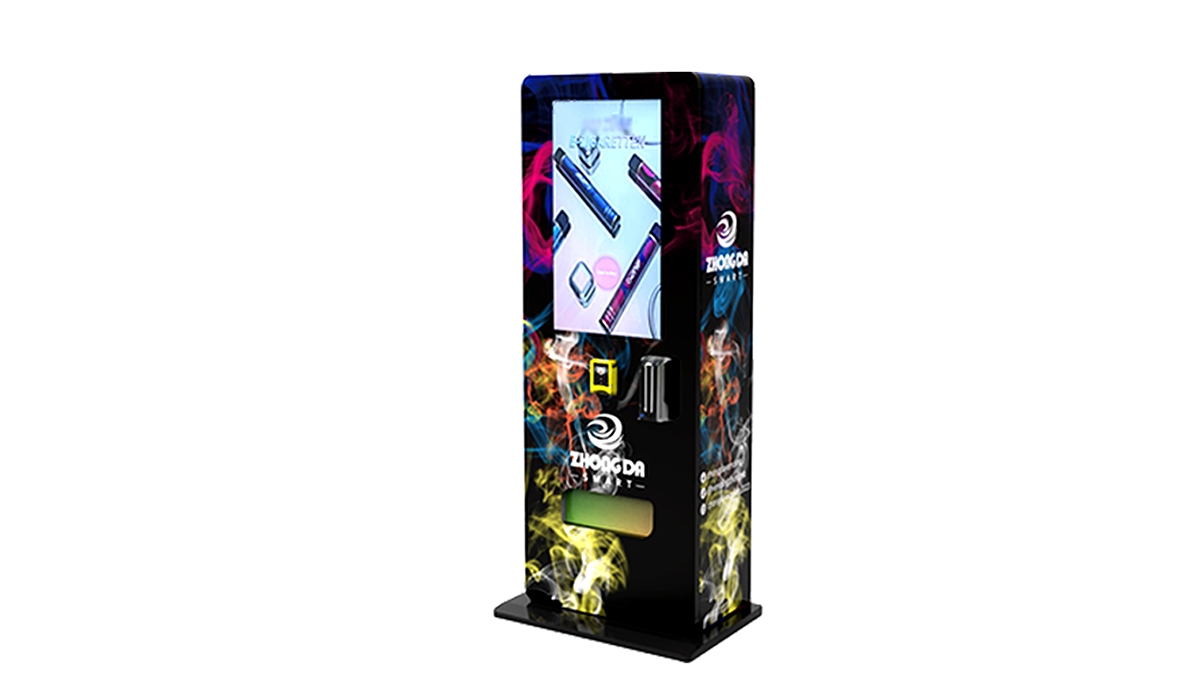
I have had good experiences with Zhongda Smart for their combination machines. Their equipment is solid, the telemetry system is reliable, and they offer decent warranty support for international buyers. That said, always verify that the specific model you are considering is compatible with your local payment infrastructure and electrical standards.
Common Mistakes New Operators Make
I have seen too many beginners lose money because they skipped the basics. Here are the most common errors:
Overpaying for a machine. New operators often buy the most expensive machine with all the bells and whistles, then place it in a low-traffic location. A $7,000 machine in a 50-person office will never pay for itself. Start with a mid-range machine and focus on location quality.
Ignoring cashless payments. In 2025, if your machine only takes coins and bills, you are losing at least 30% of potential sales. People simply do not carry cash anymore. Every machine you buy must support credit cards and mobile payments.
Signing a long-term contract without a performance clause. If the location underperforms, you are stuck. Always negotiate a clause that allows you to terminate the contract if sales fall below a certain threshold for three consecutive months.
Underestimating maintenance costs. A machine will break. It is not a question of if, but when. Budget at least $200 to $400 per machine per year for repairs. If you cannot do the repairs yourself, add another $100 to $200 for a technician visit. Vending machine repair costs can quickly eat your profit if you ignore preventive maintenance.
Poor product selection. You cannot just fill a machine with whatever is on sale. You need to analyze sales data and rotate products based on seasonality and local preferences. A machine in a Hispanic neighborhood should stock different items than one in a corporate office park.
Revenue Expectations and Payback Period
Based on my experience, a well-placed machine in a good location generates between $1,000 and $3,000 in monthly sales. After product cost (typically 50% to 60% of revenue), commission (10% to 20%), and operating expenses (electricity, repairs, payment processing fees), your net profit per machine is usually between $300 and $800 per month.
Payback period for a new machine is typically 12 to 18 months. For a used machine, it can be 6 to 12 months, but only if the machine does not require frequent repairs. I always tell new operators to expect a 12-month payback as a baseline and be pleasantly surprised if it comes sooner.
According to data from Statista, the average vending machine in the US generated approximately $1,200 in monthly revenue in 2023. That figure aligns with my experience for mid-tier locations. High-performing machines in premium locations can exceed $4,000 per month.
FAQ: Vending Machine Contracts and Business Operations
Is a vending machine business profitable?
Yes, but only if you control costs and choose locations carefully. Profit margins typically range from 10% to 20% of gross revenue after all expenses. It is not a get-rich-quick business, but it can generate consistent passive income once you have a reliable route.
How much does a vending machine cost?
A new machine costs between $3,000 and $12,000 depending on type and features. Used machines cost $1,000 to $3,500 but may require repairs. Always budget for installation, payment system setup, and initial inventory.
How long does it take to break even?
Most operators break even within 12 to 18 months. High-traffic locations with good margins can break even in 8 to 10 months. Low-traffic locations may take two years or more.
Should I buy or lease a vending machine?
Buying is better for long-term operations. Leasing is available but usually comes with higher monthly costs and restrictions. If you are testing the business, consider buying a used machine from a reputable seller.
Where should I place a vending machine?
Look for locations with high employee or visitor traffic, limited food options, and a captive audience. Offices, factories, hospitals, schools, and transportation hubs are the best candidates. Avoid locations with existing cafeterias or multiple nearby convenience stores.
What permits do I need?
Requirements vary by city and country. In the US, you typically need a business license and a sales tax permit. Some cities require a vending machine permit. In Europe, you may need to register with local health authorities, especially if you sell perishable items. Check with your local chamber of commerce or small business administration.
How do I choose a vending machine supplier?
Look for suppliers with good warranty terms, local parts availability, and machines that support modern payment systems. Zhongda Smart is one option worth considering for combination machines. Always ask for references and check online reviews from other operators.
What happens if my machine breaks down?
Most machines come with a one-year warranty covering parts and labor. After that, you either repair it yourself or hire a local technician. Having a spare machine on hand is a good strategy for minimizing downtime.
How can I reduce restocking and maintenance costs?
Invest in machines with telemetry so you only visit when necessary. Optimize your route to visit multiple machines in the same area on the same day. Buy products in bulk to reduce per-unit cost. Perform regular preventive maintenance to avoid major breakdowns.
Final Thoughts on Vending Machine Contracts
The vending machine business is not as simple as some online courses make it sound. It requires upfront capital, ongoing attention, and a willingness to learn from mistakes. But for operators who take the time to understand contracts, choose reliable equipment, and pick locations based on data rather than gut feeling, it can be a solid and rewarding business.
Start small. Place one machine in a strong location. Learn the rhythms of restocking and maintenance. Track every dollar. Once you have a system that works, scale gradually. Avoid the temptation to buy multiple machines at once before you understand your costs. And always read the fine print in your contracts.
This article was updated in March 2025. Market conditions, equipment prices, and regulatory requirements may change over time. Always verify current data with local authorities and industry associations before making investment decisions.