How to Choose the Right Condom Vending Machines_ Complete Beginner's Guide
If you are reading this, you are probably trying to figure out whether placing condom vending machines is a viable business, or you are already in the automated retail space and looking to expand into a specific niche. I have spent over a decade operating vending machine routes across the US and parts of Europe, and I can tell you this: the condom vending machine sector is not about shock value or quick cash—it is about consistent demand, low perishability, and high-margin repeat sales. Choosing the right condom vending machines is the single most critical decision you will make, because the hardware determines your uptime, your customer experience, and your long-term maintenance costs. In this guide, I will walk you through exactly what I look for when I evaluate a machine, a location, and a supplier, based on real P&L statements and field failures I have personally dealt with.
Why Condom Vending Machines Still Make Sense in 2025
The automated retail market for personal wellness products has grown steadily. According to a 2024 report by IBISWorld, the global vending machine industry is valued at over $30 billion, with the health and personal care segment growing faster than snacks and beverages. Condoms fall into a unique category: they are small, non-perishable, have a long shelf life, and are often purchased with a sense of urgency or discretion. This makes them ideal for self-service kiosk deployment.
I have placed machines in bars, nightclubs, gas station restrooms, college campuses, and truck stops. The best performers are not always the highest-traffic locations. What matters more is the match between the audience and the product. A condom vending machine in a busy laundromat may do half the volume of one placed in a single-stall restroom at a late-night venue. The key is understanding foot traffic quality, not just quantity.
What to Look for in a Condom Vending Machine
Build Quality and Material
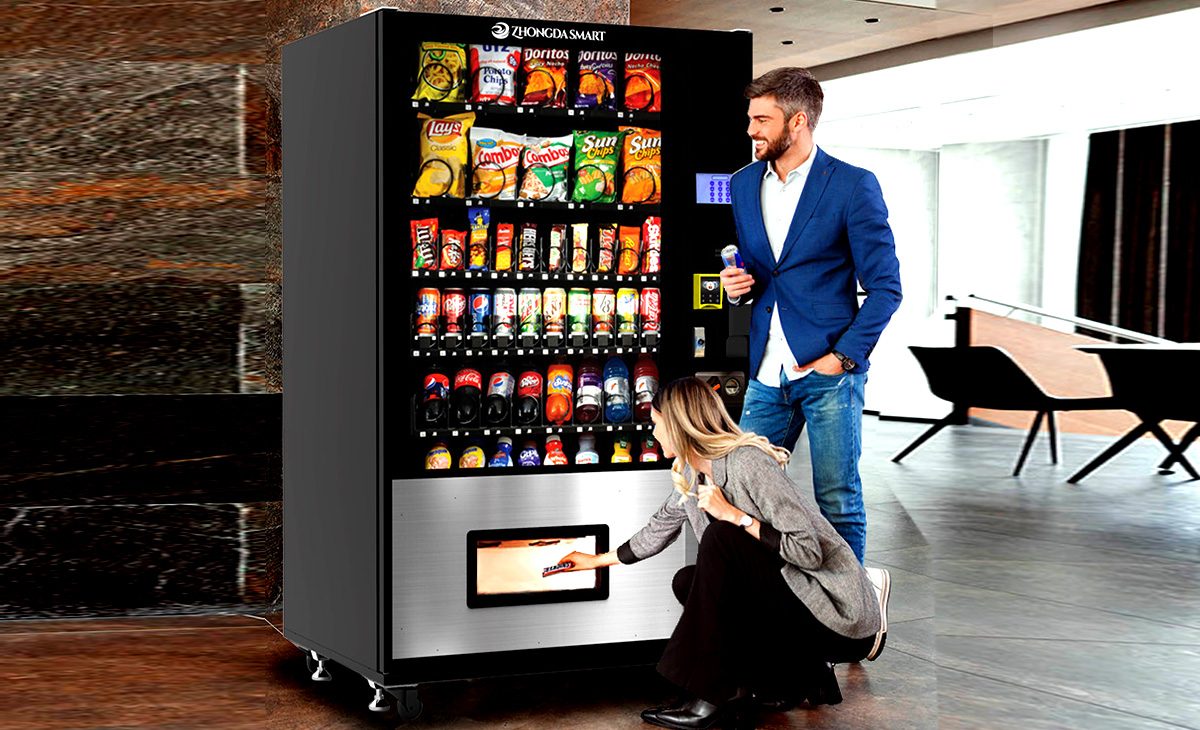
You will find machines made from thin sheet metal, plastic composite, or heavy-gauge steel. I have owned all three. The thin metal machines are cheap—often under $500—but they dent easily, the locks fail, and the coin mechanisms jam after a few months. Plastic composite machines are lighter and easier to mount on walls, but they can crack in cold weather or if someone tries to pry them open. Heavy-gauge steel is your best bet if the machine will be in a public or semi-public area. It costs more upfront, but the repair frequency drops significantly.
One thing many beginners overlook is the locking mechanism. A cheap cam lock can be picked in seconds. I recommend machines with electronic locks or at least a tubular lock. If you are placing machines in high-risk areas, consider a machine with an alarm system or tamper sensors.
Payment Systems
Cash-only machines are becoming obsolete in most Western markets. According to a 2023 survey by the European Vending Association, over 60% of new vending machine installations in Europe now include cashless payment options. In the US, that number is closer to 75% for machines in urban areas. If your condom vending machine only accepts coins, you are leaving money on the table. I learned this the hard way when I placed a cash-only machine in a college dormitory. Students simply did not carry coins. I swapped it for a machine with a card reader and a mobile payment option, and sales tripled within two weeks.
Look for machines that support NFC (Apple Pay, Google Pay), credit cards, and preferably a mobile app or QR code system. The payment system should be EMV compliant, especially in Europe where chip-and-PIN is the standard.
Product Capacity and Dispensing Mechanism
Condom vending machines typically hold between 50 and 200 units. The dispensing mechanism matters more than you think. Spiral coils are reliable but take up space. Stacked trays with gravity feed are more compact but can jam if the product dimensions vary. I prefer machines with adjustable coils because they allow you to sell different brands or even other small items like lubricant or breath mints in the same machine.
One mistake I made early on was buying a machine with a fixed dispensing wheel that only fit one brand of condoms. When that brand changed its packaging, the machine became useless. Always check that the machine can accommodate standard-sized packaging, and preferably multiple sizes.
Power Requirements
Most condom vending machines are low-power devices. Some run on batteries, others plug into a standard wall outlet. Battery-powered machines are easier to place because you do not need to negotiate with the location owner about electricity. However, batteries drain faster in cold temperatures, and you will need to replace them every 3 to 6 months depending on usage. Plug-in machines are more reliable but limit your placement options. I have a mix of both in my route, and I prefer plug-in for high-traffic locations and battery for remote or temporary spots.
How to Evaluate a Location for a Condom Vending Machine
Location is everything in this business. I have seen a brand new machine in a busy shopping mall fail because the mall management placed it in a corridor with low visibility. I have also seen a beat-up machine in a truck stop bathroom generate over $1,200 per month in gross sales. Here is how I evaluate a potential spot.
Foot Traffic Quality vs. Quantity
A condom vending machine is an impulse purchase for most people. The buyer needs to be in a situation where they might need the product soon, or they want to have it on hand without the embarrassment of buying from a person. Bars, nightclubs, college dorms, hostels, and highway rest stops are prime locations. Family-oriented places like malls or grocery stores rarely perform well.
I usually spend a few hours at a potential location before committing. I observe the flow of people, the average age, and whether the location has a restroom or a private area where the machine can be placed. If the machine is in an open area, many people will walk past it even if they need the product. Discretion matters.
Rent and Revenue Share Agreements
Location owners often ask for a percentage of sales or a flat monthly fee. I have seen deals range from 10% to 30% of gross revenue. My rule of thumb is this: if the location is high traffic and the owner demands more than 20%, I pass. The margins on condoms are good—typically 40% to 60% depending on the brand and your wholesale cost—but you still need to cover machine depreciation, maintenance, restocking labor, and payment processing fees.
In some cases, I offer a flat monthly fee instead of a percentage. This works well when the location owner does not want to track sales. I have paid as little as $50 per month for a spot in a small bar, and as much as $300 per month for a prime spot in a large nightclub. Always get the agreement in writing, even if it is a simple one-page contract.
Access for Restocking and Maintenance
If you cannot access the machine easily, you will lose money. I once had a machine in a locked staff area of a hotel. Every time I needed to restock, I had to call the manager, wait for someone to let me in, and sometimes the person was not available. That machine underperformed because I could not restock it frequently enough. Look for locations where you can have 24/7 access, or at least access during off-peak hours without needing a key holder.
Cost Breakdown: What You Really Need to Budget For
Let me give you a realistic picture based on my own route. These numbers are estimates from my experience in the US market, and they will vary depending on your region, supplier, and location costs.
| Expense Category | Low End (USD) | High End (USD) | Notes |
|---|---|---|---|
| Machine purchase (new) | $800 | $3,500 | Heavy-gauge steel with card reader costs more |
| Machine purchase (used) | $300 | $1,200 | Check for rust, jammed mechanisms, and lock condition |
| Payment system upgrade | $150 | $500 | EMV-compatible card reader and NFC |
| Initial inventory (100 units) | $150 | $400 | Depends on brand and wholesale pricing |
| Location deposit or first month rent | $50 | $500 | Some locations require a security deposit |
| Installation and mounting | $100 | $300 | Wall mounting or floor stand |
| Monthly restocking cost | $30 | $100 | Labor and travel time |
| Monthly maintenance reserve | $20 | $80 | Set aside for repairs and part replacement |
Based on these figures, a single machine setup can cost between $1,200 and $5,500 to get started. If you buy used machines and negotiate low rent, you can start for under $1,000. But I do not recommend cutting corners on the payment system or the lock. Those two components will cause the most headaches.
How Long Does It Take to Break Even?
This is the question everyone asks. I have machines that paid for themselves in 4 months, and I have machines that took 18 months. The average across my route of 30 machines is about 9 months. Here is how the math works for a typical machine.
Assume you spend $2,500 on a machine with a card reader. You place it in a medium-traffic bar. Average monthly gross sales are $400. Your cost of goods sold (COGS) is about $160. Your rent is $80 per month. Payment processing fees are around 3% plus a small per-transaction fee, so call it $15 per month. Maintenance reserve is $30 per month. Your net monthly profit is roughly $115. At that rate, you break even in about 22 months. That is not great.
Now take the same machine and place it in a high-traffic nightclub. Monthly gross sales are $1,200. COGS is $480. Rent is $200. Processing fees are $40. Maintenance is $30. Net profit is $450 per month. Break even happens in about 5.5 months.
The difference is location. Do not assume that a more expensive machine is automatically better. A cheap machine in a great location will outperform an expensive machine in a mediocre location every time.
Choosing a Supplier: What to Look For
I have bought machines from large manufacturers, small importers, and second-hand dealers. Here is what I have learned.
Warranty and After-Sales Support
A machine that breaks down in the first month is a nightmare if the supplier is in another country and does not answer emails. I prefer suppliers that offer at least a one-year warranty on the electronics and the dispensing mechanism. Some suppliers offer remote troubleshooting via video call, which can save you a service call. If you are in Europe, look for suppliers with a local service network. In the US, many manufacturers have regional service centers.
Spare Parts Availability
This is a deal-breaker. I once bought a machine from a small Chinese manufacturer that used a custom coin mechanism. When it broke, I had to wait six weeks for a replacement part. The machine sat idle and lost me money. Now I only buy machines that use standard, widely available parts. For example, many machines use the same MDB (Multi-Drop Bus) protocol for payment systems, which means you can swap out a card reader from a different brand if needed.
Customization Options
Some suppliers allow you to customize the machine color, branding, and product layout. This is useful if you want to match the machine to a specific location or if you plan to build a brand around your vending route. I have worked with Zhongda Smart on a few projects, and they offer a good balance between customization and standardization. Their machines use standard MDB interfaces, which makes upgrading the payment system easy. They also provide a decent warranty and will ship spare parts quickly, which is important when you have multiple machines in the field.
Common Beginner Mistakes I Have Seen
I have made most of these mistakes myself, so I will save you the trouble.
Buying the Cheapest Machine Possible
A $400 machine from an unknown online seller might seem like a good deal, but the build quality is often terrible. The coin slot jams, the door does not close properly, and the paint peels within months. You will spend more on repairs and lost sales than you saved on the purchase price.
Ignoring the Payment System
Cash-only machines are dying. If your machine does not accept cards or mobile payments, you are excluding a large portion of potential buyers. I have seen machines that did $50 per month in cash sales jump to $300 per month after adding a card reader.
Placing the Machine in a Bad Spot
I once placed a machine in a busy convenience store, but the owner put it behind a stack of boxes. Nobody saw it. Sales were zero for three months before I moved it. Always negotiate a visible, accessible spot.
Overstocking or Understocking
Condoms have a long shelf life, but they do expire. If you overstock, you may end up with expired product that you have to write off. If you understock, you miss sales. I track sales data for each machine and adjust the restock quantity accordingly. A machine that sells 30 units per week should be stocked with at least 60 units to avoid running out between visits.
Not Having a Maintenance Plan
Machines break. It is not a matter of if, but when. If you do not have a plan for vending machine repair, you will lose revenue. I keep a small inventory of spare parts—locks, coin mechanisms, card readers, and dispensing coils—so I can fix most issues myself within 24 hours. For bigger problems, I have a relationship with a local technician who charges a flat fee per visit.
Revenue Potential by Location Type
Here is a rough comparison based on my experience and data from the European Vending Association.
| Location Type | Monthly Gross Revenue (USD) | Monthly Net Profit (USD) | Typical Break-Even Period |
|---|---|---|---|
| Nightclub (high traffic) | $1,000 – $1,800 | $400 – $700 | 4 – 6 months |
| Bar (medium traffic) | $300 – $600 | $100 – $250 | 10 – 18 months |
| College campus | $400 – $800 | $150 – $350 | 7 – 12 months |
| Gas station restroom | $200 – $500 | $80 – $200 | 12 – 20 months |
| Hostel or hotel | $150 – $400 | $50 – $150 | 15 – 24 months |
| Truck stop | $500 – $1,200 | $200 – $500 | 5 – 10 months |
These numbers are estimates based on my own route and industry benchmarks. Your results will vary based on local pricing, competition, and the specific location.
How to Scale Your Condom Vending Machine Business
Starting with one machine is the smartest way to learn. Once you have a machine that is profitable and you understand the restocking and maintenance rhythm, you can scale. I expanded from 5 machines to 30 over three years by reinvesting profits and negotiating multi-location deals with bar chains and hotel groups.
When you scale, you need to think about route efficiency. If your machines are spread across a city, you will spend a lot of time driving. I group my machines by geographic zone and restock them on the same day. This reduces travel time and fuel costs.
You also need to track your sales data. I use a simple spreadsheet, but there are software solutions like Cantaloupe or VendSys that integrate with your payment system and give you real-time sales and inventory data. This helps you identify which products sell best and which machines need more frequent restocking.
Legal Considerations and Compliance
In most US states and European countries, condom vending machines are legal, but there are local regulations. Some cities require a permit for vending machines, especially if they are placed on public property. In France, for example, any automated retail device must comply with NF EN 60335-2-75 safety standards, and you may need to register with the local chamber of commerce. In Germany, the Gewerbeordnung (trade regulation) applies, and you may need a Gewerbeanmeldung (business registration).
I recommend checking with the local municipality before placing a machine. A simple phone call to the city clerk's office can save you a fine. Also, make sure your machine displays the required information: the product ingredients (if applicable), the manufacturer contact, and the unit price.
Final Thoughts from the Field
Condom vending machines are not a get-rich-quick scheme, but they can be a solid, low-maintenance source of passive income if you choose the right equipment and locations. The machines themselves are just tools. Your success depends on your ability to evaluate locations, manage inventory, and handle maintenance quickly. I have seen people fail because they bought cheap machines and placed them in bad spots. I have also seen people build a profitable route by being patient, tracking data, and reinvesting in better equipment.
If you are just starting, buy one good machine with a reliable payment system, find a high-traffic location, and run it for six months before scaling. That will teach you more than any guide can.
Disclaimer: The revenue and cost figures in this article are based on my personal experience operating vending machines in the US and Europe. They are not guarantees of future performance. Your actual results will depend on location, local regulations, competition, and operational efficiency.
Frequently Asked Questions
Are condom vending machines profitable?
Yes, they can be profitable if placed in the right location. Gross margins on condoms are typically 40% to 60%, and a well-placed machine can generate $400 to $1,800 per month in gross revenue. However, you need to account for rent, restocking labor, and maintenance costs.
How much does a condom vending machine cost?
A new machine with a card reader typically costs between $800 and $3,500. Used machines can be found for $300 to $1,200, but you may need to invest in repairs or upgrades.
How long does it take to break even?
Break-even periods vary widely. In a high-traffic nightclub, you might break even in 4 to 6 months. In a lower-traffic location, it could take 18 to 24 months.
Should I buy or lease a condom vending machine?
Buying is usually better in the long run because you keep all the profit. Leasing may be an option if you want to test the business with lower upfront costs, but you will pay more over time.
Where should I place a condom vending machine?
Bars, nightclubs, college campuses, truck stops, and hostels are the best locations. Avoid family-oriented places like grocery stores or shopping malls.
What permits do I need?
Requirements vary by city and country. In the US, you may need a business license and a vending machine permit. In Europe, you may need to register your business and comply with local safety standards.
How do I choose a supplier?
Look for a supplier that offers a warranty, has spare parts readily available, and uses standard components. Zhongda Smart is one option that meets these criteria, but always compare multiple suppliers before buying.
What happens if the machine breaks?
You should have a plan for vending machine repair. Keep spare parts on hand and have a technician available. If you are handy, you can fix most issues yourself.
How can I reduce restocking and maintenance costs?
Group your machines by geographic zone to reduce travel time. Use sales data to stock the right quantity. Invest in durable machines with reliable components to minimize breakdowns.
References
IBISWorld. (2024). Vending Machine Industry Report. Available at: https://www.ibisworld.com/united-states/market-research-reports/vending-machine-operators-industry/
European Vending Association. (2023). EVA Market Report 2023. Available at: https://www.vending-europe.eu/
Statista. (2024). Vending machine market size worldwide. Available at: https://www.statista.com/topics/1392/vending-machines/
本文更新于 2025 年 2 月 15 日