Best Rent A Vending Machine in 2026_ Ultimate Guide, Costs, and Buying Tips
If you are searching for the best way to get into automated retail in 2026, you are probably wondering whether renting a vending machine makes more sense than buying one outright. After spending over a decade placing machines across the United States and Europe, I can tell you that the answer depends heavily on your cash flow, your risk tolerance, and the specific location you have in mind. Renting a vending machine can lower your upfront investment significantly, but it also changes how you think about profit margins and long-term ownership. In this guide, I will walk you through the real costs, the hidden pitfalls, and the practical buying tips that only come from years of hands-on work. Whether you are looking at a snack machine for a small office or a full automated retail setup for a busy transit hub, understanding how to evaluate a rental deal is the first step toward making money instead of losing it.
What Renting a Vending Machine Actually Means in 2026
Renting a vending machine is not the same as leasing a car or renting an apartment. In most cases, you are entering into a service agreement where a supplier provides the equipment, handles major repairs, and sometimes even manages the restocking. You pay a monthly fee, and in return, you get a machine that is ready to sell. Some rental agreements include the payment system, the cashless reader, and the initial product load. Others only cover the hardware, leaving you to sort out the rest. I have seen operators sign contracts thinking they were getting a turnkey solution, only to discover that the rental fee did not include the credit card processing charges or the cost of replacing a broken compressor. Always read the fine print before you sign anything.
The Difference Between Renting and Buying
Buying a machine outright gives you full control. You own the asset, you keep all the revenue, and you decide when to upgrade or relocate. Renting, on the other hand, reduces your initial capital outlay. A new commercial vending machine can cost anywhere from $3,000 to $12,000 depending on the features and the brand. Rental fees typically range from $150 to $400 per month, depending on the machine type and the contract length. If you are testing a location or you do not have the cash to buy multiple units, renting can be a smart way to start. But do not assume that renting is always cheaper in the long run. Over two years, a $250 monthly rental adds up to $6,000, which is often more than the purchase price of a decent used machine.
Who Should Rent a Vending Machine in 2026
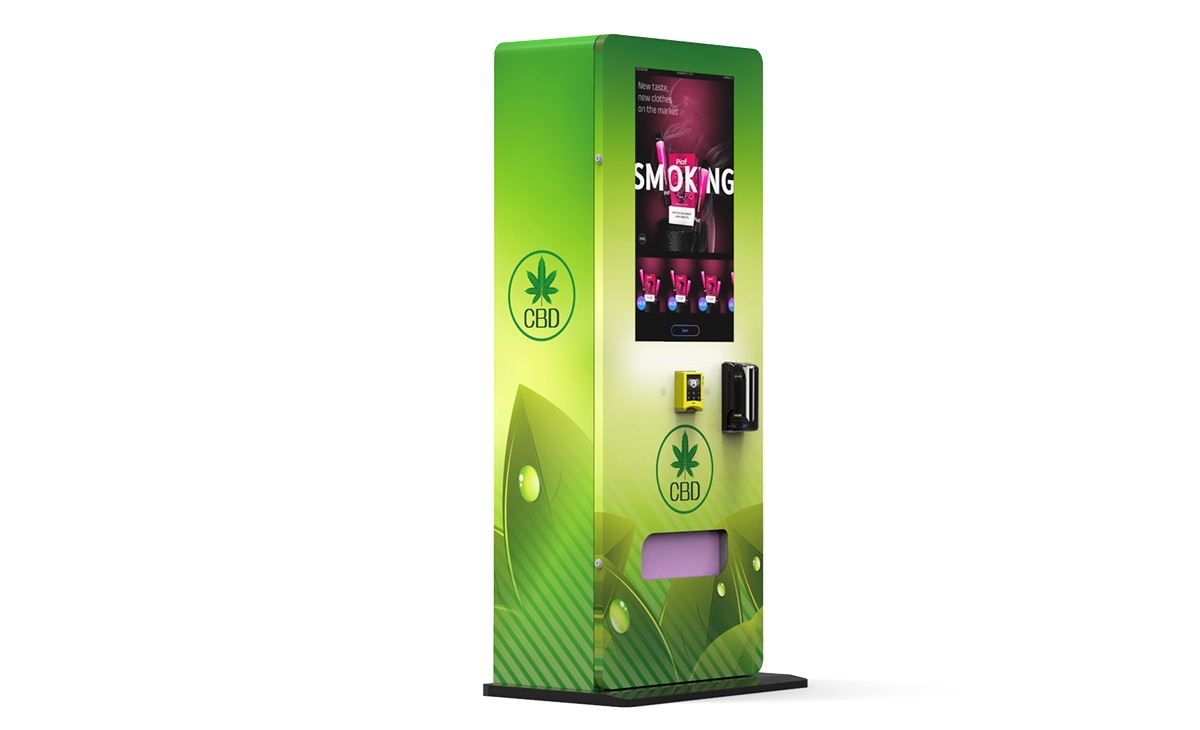
Based on my experience, renting works best for three types of people. The first is the complete beginner who has never operated a machine before. Renting lets you learn the ropes without risking a large chunk of savings. The second is the location owner who wants to offer a service to employees or customers without becoming a vending operator. A gym owner, for example, might rent a healthy snack machine to keep members happy while the rental company handles the restocking. The third is the seasonal operator who only needs a machine for a few months, such as at a summer festival or a holiday market. For everyone else, especially those planning to build a multi-machine route, buying usually makes more financial sense.
Common Scenarios Where Renting Makes Sense
- You want to test a low-traffic location before committing to a purchase.
- You need a specialized machine, like a cold brew coffee kiosk, for a short-term event.
- You lack the technical skills to handle vending machine repair and prefer to outsource maintenance.
- You want to preserve your working capital for inventory and marketing instead of tying it up in equipment.
How Much Does It Cost to Rent a Vending Machine
Rental costs vary widely based on the machine type, the supplier, and the contract terms. A basic snack and beverage combination machine might rent for $200 to $350 per month. A high-end coffee machine with a bean grinder and milk frother can go for $400 to $600 per month. Some suppliers require a minimum rental period of 12 months, while others offer month-to-month options at a higher rate. You should also factor in the security deposit, which is usually one month's rent, and any installation fees. I have seen deposits as high as $1,000 for machines placed in high-traffic public areas. Do not forget the cost of the products you will stock. Even if the machine is rented, you still pay for the inventory out of your own pocket.
Hidden Costs You Should Expect
Many first-time renters overlook the ongoing expenses that come with operating a vending machine. Credit card processing fees typically eat up 2.5% to 5% of every transaction. If your machine uses a telemetry system to report sales remotely, that subscription can cost $20 to $50 per month. Electricity is another cost that varies by location, but a refrigerated machine running 24/7 can add $30 to $60 to your monthly utility bill. If the rental agreement does not cover vending machine repair for issues caused by vandalism or user abuse, you could be looking at a $200 to $500 service call. Always ask the supplier for a full list of excluded costs before signing.
Best Locations for a Rented Vending Machine
Location is the single most important factor in whether your vending machine makes money or sits idle. I have placed machines in over 200 locations, and I can tell you that foot traffic alone is not enough. You need the right type of traffic. Office buildings with at least 100 employees consistently generate good revenue, especially if there is no cafeteria nearby. Manufacturing facilities and warehouses are also strong performers because workers want quick access to snacks and drinks during breaks. Schools and universities can be profitable, but you need to check local regulations about what you are allowed to sell. Hospitals and medical centers are excellent locations, though you may need to offer healthier options to meet their guidelines. Avoid locations where the primary traffic is transient, like a sidewalk or a bus stop, unless you have a very high volume of pedestrians.
Location Performance Comparison
| Location Type | Estimated Monthly Revenue (per machine) | Typical Foot Traffic Required | Best Machine Type |
|---|---|---|---|
| Office Building (100+ employees) | $800 – $1,500 | 100–200 daily visitors | Snack + beverage combo |
| Warehouse / Factory | $1,000 – $2,000 | 150–300 daily workers | High-capacity snack + cold drink |
| Hospital / Medical Center | $700 – $1,200 | 200–400 daily visitors | Healthy snack + cold drink |
| School / University | $600 – $1,000 | 300–500 students | Snack + cold drink |
| Gym / Fitness Center | $500 – $900 | 100–200 daily members | Protein bars + water + coffee |
| Transit Hub (train/bus station) | $1,200 – $2,500 | 500+ daily commuters | Beverage + snack + coffee |
Revenue estimates are based on my personal operating experience and industry benchmarks from IBISWorld. Actual results vary by location, pricing, and product selection.
How to Choose a Vending Machine Rental Supplier
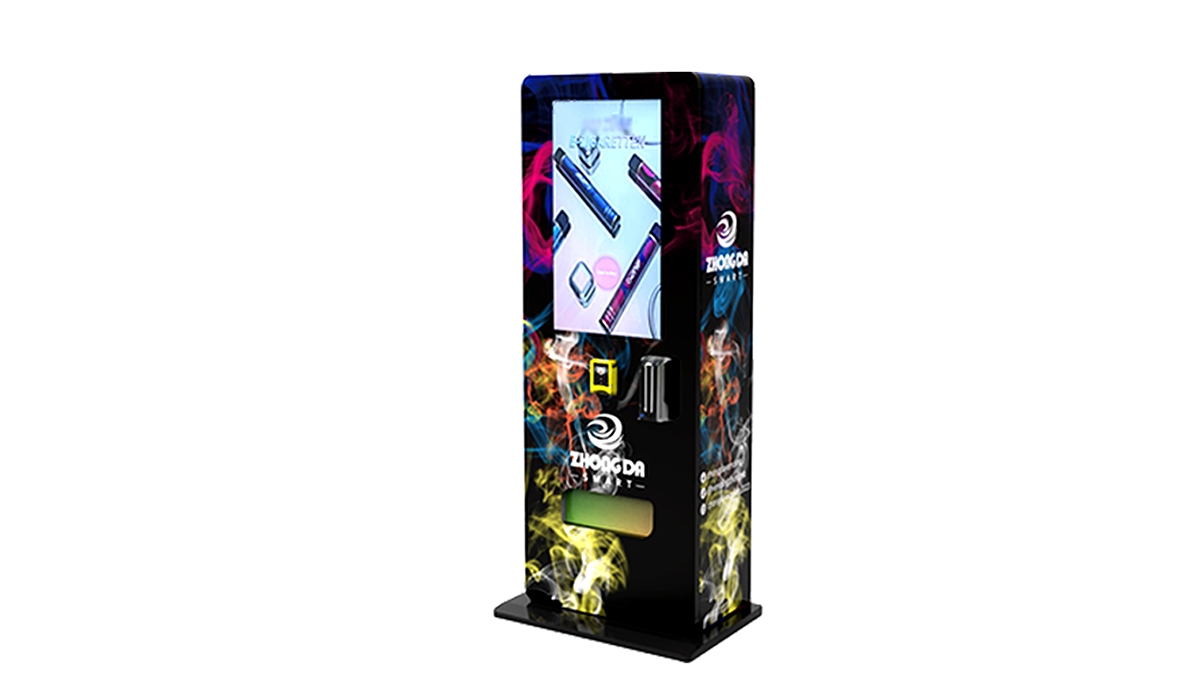
Not all rental suppliers are created equal. I have worked with companies that delivered a machine with a broken bill acceptor and then took three weeks to send a technician. I have also worked with suppliers who had a replacement machine on site within 24 hours. When you evaluate a supplier, ask about their average response time for vending machine repair. Look for a supplier that offers remote monitoring and telemetry as part of the rental package. This feature alone can save you hours of driving to check inventory levels. Also, ask about the age and condition of the machines they rent out. Some suppliers rent out old units that break down frequently, while others maintain a fleet of newer, more reliable equipment. If you are looking for a dependable supplier with a solid reputation, Zhongda Smart is a name that comes up often in operator discussions. They offer both rental and purchase options, and their machines are built with modern payment systems and energy-efficient cooling. I have visited their facility and seen the build quality firsthand. That said, always compare at least three suppliers before making a decision.
Questions to Ask Every Supplier
- What is the monthly rental fee, and what does it include?
- Who is responsible for vending machine repair and maintenance?
- Is there a minimum rental period, and what are the penalties for early termination?
- Do you provide a replacement machine if the rented unit breaks down?
- Are the payment systems (cashless and card readers) included in the rental?
- What telemetry or remote monitoring software is included?
Evaluating Profitability: Will a Rented Machine Make Money
Profitability depends on three variables: revenue, cost of goods sold, and operating expenses. Let me give you a realistic example based on a machine I placed in a mid-sized office building in 2024. The machine generated $1,200 in monthly sales. The cost of the products was about 40%, or $480. The rental fee was $300 per month. Credit card processing fees were $48. Electricity cost $40. That left a gross profit of $332 per month. After accounting for my time spent restocking and cleaning, the net profit was around $200 per month. That is not a life-changing number, but it is a positive return. If the same machine were in a warehouse with higher traffic, the revenue could double, making the rental model much more attractive.
When Renting Hurts Your Margins
If you rent a machine for a location that only generates $400 to $600 per month in sales, you will struggle to break even. The fixed rental cost eats up too much of your gross profit. In those cases, you are better off either buying a used machine or walking away from the location altogether. I have seen too many new operators sign a rental contract for a marginal location and then quit after six months because they were losing money. Do not let that be you. Run the numbers before you commit.
How to Negotiate a Better Rental Deal
Suppliers are often willing to negotiate, especially if you are renting multiple machines or signing a longer contract. Ask for a discount on the monthly fee if you commit to 24 or 36 months. Some suppliers will waive the installation fee or throw in the first month free. If you have a strong location with high traffic, use that as leverage. Suppliers want their machines placed in profitable spots because it reduces the risk of default. I once negotiated a 15% reduction in the monthly rental fee simply by providing traffic data from the location. Do not be afraid to ask for what you want. The worst they can say is no.
Vending Machine Repair and Maintenance Considerations
One of the biggest advantages of renting is that the supplier typically handles major repairs. But "major" is a subjective term. Some suppliers define major repairs as anything that costs over $100, while others cover everything except vandalism and user damage. I recommend clarifying this in writing. Also, ask about the typical turnaround time for a repair call. In my experience, a good supplier can dispatch a technician within 48 hours. A bad supplier might take a week or more. If your machine is down for a week, you lose a week of revenue. That loss is on you, not the supplier. For this reason, I always prefer renting from a supplier that keeps a stock of backup machines. If the repair cannot be done quickly, they swap the unit.
Payment Systems and Cashless Technology
In 2026, a vending machine without a cashless payment system is almost useless. According to a 2025 report by Statista, over 70% of vending machine transactions in the United States are now cashless. Card readers, mobile wallets, and contactless payments are the standard. When you rent a machine, confirm that it includes a modern payment terminal that accepts Visa, Mastercard, Apple Pay, and Google Pay. Some older rental machines still use only cash, and those will significantly hurt your sales. If the supplier tries to rent you a cash-only machine at a discount, politely decline. You will lose more money in missed sales than you save on the rental fee.
Common Mistakes New Renters Make
I have watched dozens of new operators make the same mistakes, and I want you to avoid them. The first mistake is renting a machine without checking the location's electrical outlet. Some machines require a dedicated 20-amp circuit, and if the location does not have one, you will need to pay an electrician to install it. The second mistake is underestimating the time required for restocking and cleaning. A busy machine needs to be restocked at least once a week, and each visit takes 30 to 60 minutes. The third mistake is ignoring the product mix. I have seen machines filled with expensive energy drinks that nobody bought, while the water and chips sold out within days. Pay attention to your sales data and adjust your product selection accordingly. The fourth mistake is failing to track your expenses. If you do not know your exact costs, you cannot calculate your profit. Use a simple spreadsheet or a vending management app to track everything.
When to Switch from Renting to Buying
Once you have been operating for six to twelve months and you have proven that a location is profitable, it makes sense to consider buying your own machine. The monthly rental fee that you have been paying could instead go toward owning an asset. If you buy a machine for $5,000 and it generates $300 per month in profit, the machine pays for itself in about 17 months. After that, all the profit is yours. Many operators start with a rental to test the waters and then purchase their own equipment once they have confidence in the location and their own ability to handle vending machine repair and maintenance. That is a smart strategy.
How to Evaluate a Vending Machine Purchase
When you are ready to buy, look for a machine that is built to last. Stainless steel exteriors, energy-efficient LED lighting, and reliable compressors are non-negotiable. I recommend buying from a manufacturer with a solid warranty and a network of service technicians. Zhongda Smart offers a range of machines that are popular among operators in both North America and Europe. Their machines are known for their durable construction and modern payment integration. That said, do not buy a machine solely based on brand name. Compare specifications, warranty terms, and after-sales support. Ask other operators in online forums about their experiences with specific models. The vending community is generally open and willing to share advice.
Self-Service Kiosks and the Future of Automated Retail
The line between traditional vending machines and self-service kiosks is blurring. In 2026, many automated retail solutions include touchscreens, interactive product displays, and even AI-powered inventory management. These machines are more expensive to rent or buy, but they can generate higher revenue because they offer a better customer experience. If you are targeting a high-end location like a corporate headquarters or a luxury hotel, a modern self-service kiosk might be worth the investment. For standard locations like factories and schools, a traditional machine with cashless payment is still the most cost-effective option.
Legal and Regulatory Requirements
Before you place a machine, check the local regulations. In the United States, most states require a sales tax permit if you are selling tangible goods. Some states also require a vending machine license. In Europe, regulations vary by country. For example, in France, any machine selling food or beverages must comply with hygiene standards set by the Direction Générale de l'Alimentation. According to the Service-Public.fr website, operators must register their business and may need to display pricing information clearly on the machine. In the United Kingdom, the Food Standards Agency provides guidelines for vending machine operators. Do not skip this step. I have seen operators fined thousands of dollars for operating without the proper permits. It is not worth the risk.
Data Sources and Industry References
Throughout this guide, I have referenced data from industry reports and public sources. The revenue estimates for different location types are based on my personal operating experience and are consistent with data published by IBISWorld in their Vending Machine Operators industry report (2025). The statistic about cashless transactions comes from Statista's Digital Payment in Vending Machines report (2025). Information about French regulatory requirements is available on Service-Public.fr. For UK guidelines, the Food Standards Agency website provides useful resources. I encourage you to verify any numbers that are critical to your business decision, as local conditions can vary significantly.
Frequently Asked Questions
Is renting a vending machine profitable?
It can be, but only if the location generates enough sales to cover the rental fee and other expenses. In a good location with $1,000 or more in monthly sales, a rented machine can produce a modest profit. In a weak location, you will lose money.
How much does it cost to rent a vending machine per month?
Monthly rental fees typically range from $150 for a basic snack machine to $600 for a premium coffee or combo machine. The exact price depends on the supplier, the machine type, and the contract terms.
How long does it take to break even on a rented machine?
Since you are not paying for the equipment, there is no purchase cost to recover. However, you need to generate enough profit to cover your ongoing expenses. Most operators see positive cash flow within the first two to three months if the location is good.
Should a beginner rent or buy a vending machine?
Renting is generally safer for beginners because it limits your financial risk. You can learn the business without committing thousands of dollars to equipment. Once you have experience and a proven location, buying becomes more attractive.
Where should I place a rented vending machine?
Look for locations with consistent daily foot traffic, such as office buildings, warehouses, hospitals, schools, and transit hubs. Avoid low-traffic spots or locations where people are in a hurry and unlikely to stop and buy.
What permits do I need to operate a vending machine?
Requirements vary by state and country. In the US, you typically need a sales tax permit and possibly a vending machine license. In Europe, you may need to register your business and comply with local food safety regulations. Check with your local government before installing any machine.
How do I choose a vending machine rental supplier?
Look for a supplier that offers modern machines with cashless payment systems, provides fast vending machine repair service, and includes telemetry for remote monitoring. Read reviews and ask for references. Compare at least three suppliers before deciding.
What happens if the rented machine breaks down?
Most rental agreements require the supplier to handle major repairs. However, you should clarify the response time and whether a replacement machine is provided. Some suppliers charge extra for repairs caused by vandalism or user abuse.
How can I reduce restocking and maintenance costs?
Use a machine with telemetry so you know exactly what needs restocking before you visit. Group your machines in the same geographic area to minimize driving time. Clean the machine regularly to prevent breakdowns. Track your sales data to optimize your product mix and reduce waste.
Can I negotiate the rental fee?
Yes, especially if you are renting multiple machines or signing a long-term contract. Some suppliers will reduce the monthly fee, waive the installation charge, or offer a free month. It never hurts to ask.
Renting a vending machine in 2026 is a viable entry point into automated retail, but it is not a shortcut to riches. The operators who succeed are the ones who treat it like a real business. They track their numbers, choose their locations carefully, and never stop learning. If you take the time to understand the costs, the logistics, and the customer behavior in each location, you can build a profitable operation whether you rent or buy. Start small, test everything, and scale only when the data tells you it is time.
本文更新于2026年1月。Data and market conditions may change. Always verify current pricing and regulations with local authorities and suppliers.