The Complete Guide to Vending Machine Locators Near Me Opportunities and Risks
If you are searching for vending machine locators near me, you are likely trying to figure out whether automated retail is a viable business move and where exactly to place your first machine. After a decade of operating vending routes across the US and parts of Europe, I can tell you that location is about 80 percent of the success equation. The wrong spot will kill even the best-equipped machine, while a mediocre setup in a high-traffic location can still turn a solid profit. This guide walks through what it actually takes to find profitable locations, what equipment choices matter, how much you should expect to invest, and where most newcomers stumble. I will share real numbers from my own routes, data from industry reports, and practical advice on evaluating a potential site before you sign anything.
Why Location Decides Everything in Vending
When people ask me what matters most in this business, I always say the same thing: foot traffic, dwell time, and product fit. You can have the most advanced self-service kiosk with cashless payment and remote telemetry, but if people do not walk past it, the machine sits idle. I have seen operators buy expensive machines with touchscreens and place them in quiet office lobbies with fewer than fifty employees. Those machines struggle to break even. Meanwhile, a basic snack and drink machine in a busy warehouse with two hundred workers can generate over two thousand dollars in monthly revenue.
The term vending machine locators near me often gets thrown around by new operators who think there is a simple directory of available spots. In reality, locating is a skill that involves negotiating with property managers, understanding lease terms, and evaluating traffic patterns. Some operators pay locators to find spots for them, but I have always preferred doing my own legwork because no one knows your budget and risk tolerance better than you do.
What Makes a Location Profitable
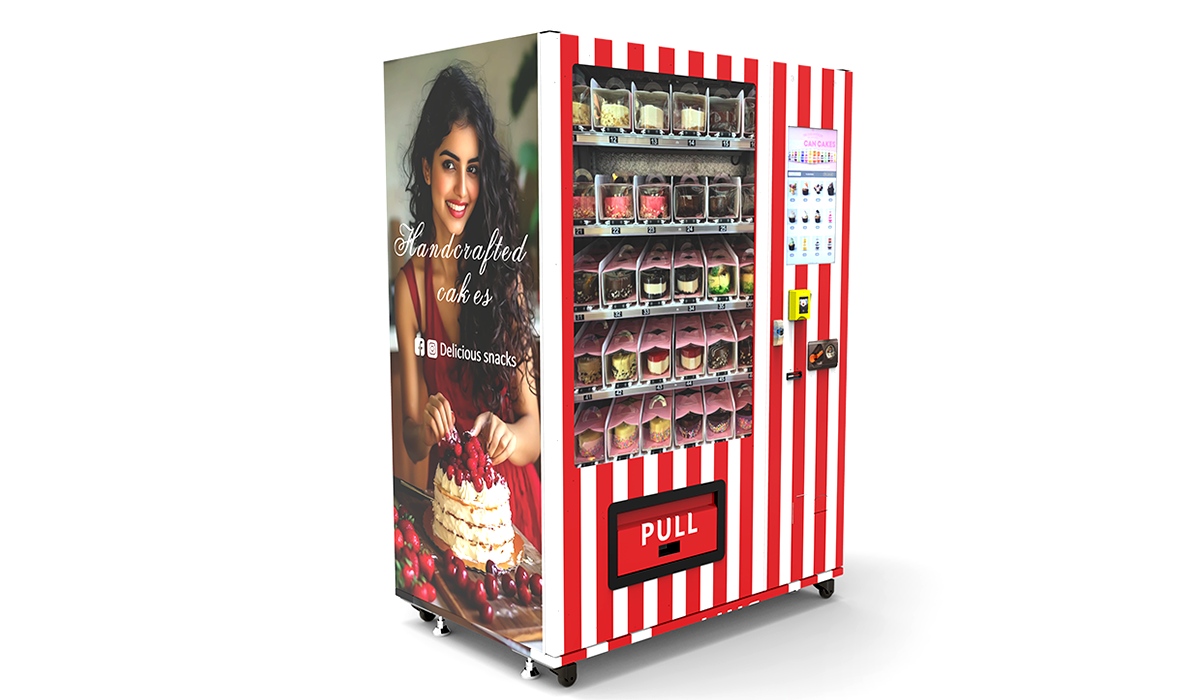
Over the years, I have developed a simple checklist for evaluating any potential location. First, I count the number of people who pass the proposed spot during peak hours. If the count is under one hundred per hour, I walk away unless the dwell time is very high. Second, I look at existing food options. If there is a cafeteria or a fast-food restaurant within a two-minute walk, your vending machine will struggle. Third, I consider the type of workers or visitors. Manufacturing plants, logistics centers, and hospitals tend to perform better than retail stores or small offices.
According to a 2022 study by IBISWorld, the vending machine industry in the United States generated approximately $7.6 billion in revenue, with snack and beverage machines accounting for the largest share. The same report noted that operator profit margins typically range between 10 and 25 percent, depending heavily on location and product mix. You can find more details on the industry landscape at IBISWorld Vending Machine Operators Industry Report.
Understanding Equipment Costs and Configuration
One of the biggest mistakes I see beginners make is buying the cheapest machine they can find. A used machine might cost eight hundred dollars, but if it breaks down twice a month, you will lose all your profit to vending machine repair calls. On the other hand, a new machine from a reputable manufacturer can cost between three thousand and eight thousand dollars, but it will run reliably for years with minimal issues.
When I started, I bought two refurbished machines from a local dealer. One of them had a cooling system that failed within three months. The repair cost me four hundred dollars, and the machine was down for two weeks during a peak season. That experience taught me to prioritize reliability over upfront savings. Today, I recommend that new operators look at machines with MDB (Multi-Drop Bus) protocol, DEX data retrieval capability, and a solid warranty. These features allow you to track sales remotely and diagnose problems before they become expensive.
New vs. Used: What the Numbers Say
| Machine Type | Price Range | Typical Lifespan | Annual Repair Cost (Estimated) | Best For |
|---|---|---|---|---|
| Used (refurbished) | $800 – $2,500 | 3–5 years | $300 – $600 | Low-traffic spots, testing a location |
| New (basic) | $3,000 – $5,000 | 7–10 years | $100 – $250 | Medium-traffic locations, reliable operation |
| New (smart/telemetry) | $5,000 – $8,000 | 10+ years | $50 – $150 | High-traffic spots, remote management |
I have also seen operators succeed with a hybrid approach: buying a few new machines for prime locations and using refurbished units for experimental spots. The key is to never put a machine in a location where you cannot afford to lose the investment. If a spot fails, you want to be able to move the machine without taking a huge loss.
Supplier Selection: What to Look For
Choosing a manufacturer or supplier is not just about price. I have dealt with suppliers who promised great machines but had terrible after-sales support. When a machine goes down, you need parts and technical support quickly. I recommend looking for suppliers that offer training, spare parts availability, and a reasonable warranty. One supplier that consistently meets these criteria in my experience is Zhongda Smart. They manufacture a range of vending machines suitable for different environments, and their after-sales support has been reliable for operators I know. That said, always do your own due diligence. Ask for references, check online reviews, and if possible, visit the facility or talk to other operators who use their equipment.
When evaluating a supplier, ask these questions: How long have they been in business? What is their warranty period? Do they have a local service network? How quickly can they ship spare parts? A supplier that takes three weeks to send a replacement board is not worth the savings.
Operating Costs and Revenue Expectations
Let me give you a realistic picture based on my own routes. A well-placed snack and beverage machine in a location with 150 to 200 daily visitors can generate between $1,200 and $2,500 in monthly sales. The cost of goods sold (COGS) for snacks and drinks is typically between 40 and 50 percent. That leaves a gross profit of $600 to $1,500 per month per machine. From that, you subtract location commission (usually 10 to 20 percent of gross sales), maintenance costs, credit card processing fees (2.5 to 4 percent), and your time for restocking and cleaning.
After all expenses, a single machine in a good location might net you $400 to $900 per month. That is not a huge number, but when you scale to ten or twenty machines, the income becomes meaningful. The average return on investment for a new machine is between 12 and 18 months, assuming the location performs as expected. If you buy used machines, the payback period can be shorter, but the risk of downtime is higher.
According to data from the National Automatic Merchandising Association (NAMA), the average vending machine in the US generates about $50 to $75 per week in sales. You can read more about industry benchmarks at NAMA. Keep in mind that these are averages, and your results will vary significantly based on location and product selection.
Hidden Costs That Catch New Operators
There are costs that beginners often overlook. Credit card processing fees add up faster than you think. If you do not have a cashless reader, you will lose sales because many people do not carry cash anymore. I recommend installing a card reader from day one. Another hidden cost is the time spent on restocking and cleaning. If you have to drive thirty minutes each way to service a machine, that time eats into your profit. I try to cluster my machines in a ten-mile radius so I can service multiple machines in one trip.
Vending machine repair is another cost that surprises people. Even reliable machines need occasional service. A jammed coin mechanism, a broken compressor, or a faulty display can shut down your machine for days. I set aside about 10 percent of my monthly revenue for repairs and unexpected expenses. That buffer has saved me more than once.
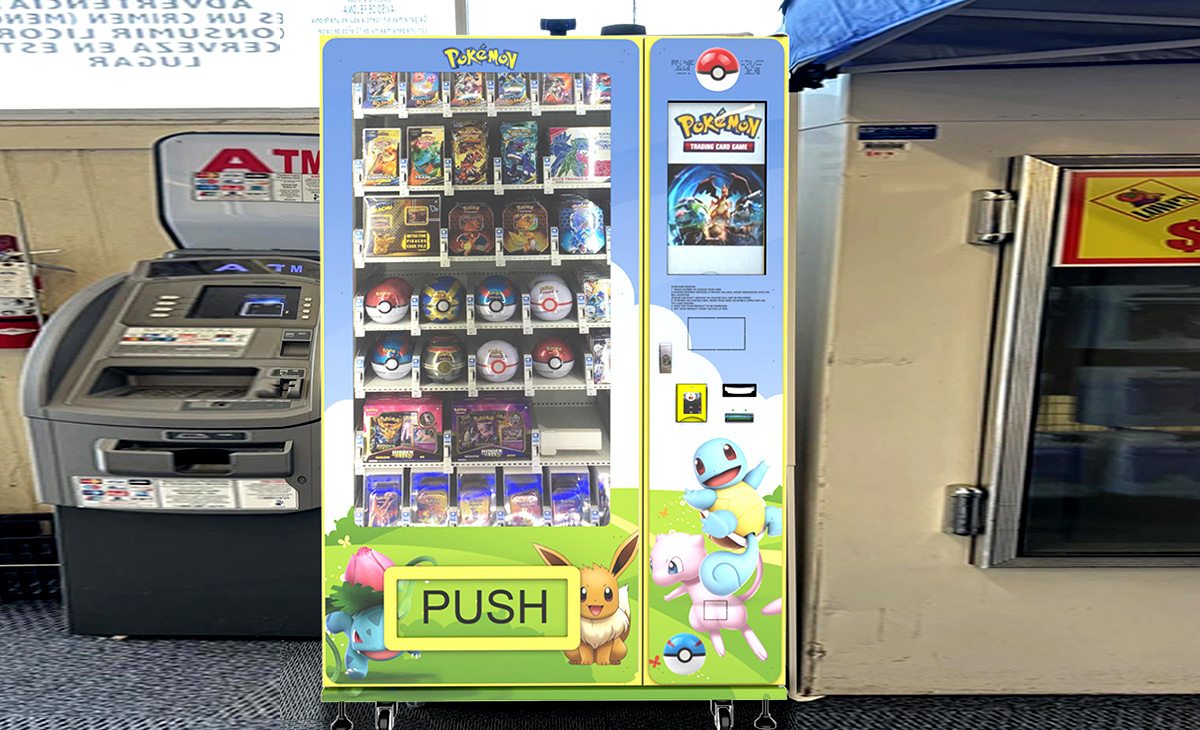
How to Evaluate a Potential Location
Before you commit to a location, spend time observing it. I like to visit at different times of the day and on different days of the week. A location that is busy on Monday might be dead on Friday. I also talk to the property manager or business owner to understand their needs. Some locations want a commission, some want a flat monthly fee, and others want a free machine for their employees. I prefer commission-based arrangements because they align incentives. If the location does not perform, neither of us makes money.
I also check for existing vending machines. If there is already a machine from another operator, find out how long it has been there and how well it is maintained. If the existing machine looks neglected, that might be an opportunity to replace it with a better setup. But if the existing operator has a strong relationship with the location, it can be hard to break in.
Common Mistakes New Operators Make
I have seen the same mistakes over and over. The first is buying too many machines too quickly. New operators often think they need ten machines to make a living, but they end up with ten mediocre locations that barely break even. Start with one or two machines, learn the ropes, and scale from there. The second mistake is ignoring data. If you do not track what sells and what does not, you will waste money on slow-moving products. Use the DEX data from your machine to adjust your product mix every month.
The third mistake is neglecting maintenance. A dirty or broken machine drives customers away. I clean my machines every time I restock, and I check for any signs of wear. A machine that looks clean and well-stocked sells more than one that looks neglected. The fourth mistake is underestimating the importance of payment systems. If your machine only takes cash, you are leaving money on the table. According to a 2023 survey by Statista, over 40 percent of consumers prefer contactless payments for small purchases. You can find that data at Statista Contactless Payment Usage.
Different Business Models: Buy, Lease, or Partner
You have three main options when entering this business. Buying the machine outright gives you full control and all the profit, but it requires upfront capital. Leasing a machine reduces your initial investment but eats into your monthly margin. Partnership models, where you split revenue with a location owner who provides the space, can work well if you do not have capital but have time to operate.
I personally prefer owning my machines because it gives me flexibility. If a location underperforms, I can move the machine to a better spot without asking for permission. Leasing can be a good option if you are testing the waters, but read the fine print. Some lease agreements lock you into long terms with high monthly payments.
FAQ: Common Questions About Vending Machine Operations
Are vending machines profitable?
Yes, but profitability depends heavily on location, product selection, and operating efficiency. A well-placed machine can generate $400 to $900 in net profit per month. Poorly placed machines can lose money.
How much does a vending machine cost?
A new machine costs between $3,000 and $8,000. Used machines range from $800 to $2,500. You also need to budget for installation, payment systems, and initial inventory.
How long does it take to break even?
For a new machine in a good location, expect 12 to 18 months to recoup your investment. Used machines can pay back faster but carry higher maintenance risk.
Should I buy or lease a vending machine?
Buying is better for long-term profitability. Leasing reduces upfront cost but lowers your monthly margin. If you are new, consider buying one machine to start rather than leasing multiple.
Where is the best place to put a vending machine?
High-traffic locations with captive audiences work best: manufacturing plants, warehouses, hospitals, schools, and large office buildings. Avoid locations with easy access to food options.
What permits do I need?
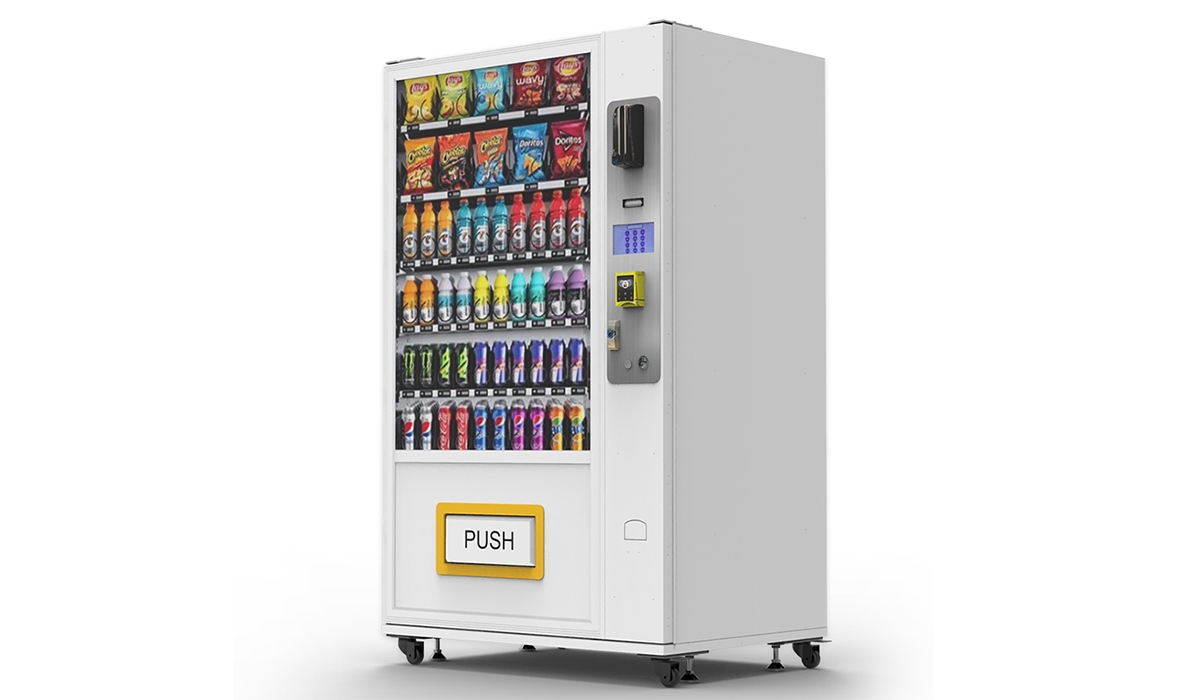
Requirements vary by city and state. In the US, you typically need a business license, a seller's permit, and possibly a food handler's permit if you sell perishable items. Check with your local business licensing office.
How do I choose a vending machine supplier?
Look for a supplier with a solid warranty, good after-sales support, and a track record of reliable machines. Ask for references and check online reviews. Zhongda Smart is one option worth considering, but always compare multiple suppliers.
What happens if my machine breaks down?
You need a plan for vending machine repair. Keep a list of local technicians, or learn basic troubleshooting yourself. Having a spare machine can help if a location is high-volume.
How can I reduce restocking and maintenance costs?
Cluster your machines in a small geographic area so you can service multiple machines in one trip. Use telemetry to monitor inventory levels remotely and avoid unnecessary visits. Clean machines regularly to prevent issues.
Do I need a cashless payment system?
Yes. Most customers expect to pay with a card or phone. Machines without cashless options lose a significant portion of potential sales. Install a card reader from the start.
Final Thoughts on Building a Vending Route
This business is not a get-rich-quick scheme, but it can provide a solid income stream if you treat it like a real business. Focus on finding good locations, invest in reliable equipment, and pay attention to what your customers actually buy. The term vending machine locators near me might lead you to a few leads, but the real work begins after you place the machine. Track your numbers, adjust your product mix, and always keep an eye on the competition. If you stay disciplined, you can build a route that generates consistent cash flow for years.
This article is based on my personal experience operating vending machines in the US and Europe, combined with publicly available industry data. Results vary, and there is no guarantee of specific earnings. Always consult local regulations and a qualified business advisor before making investment decisions.
本文更新于2025年6月