Top Things You Should Know About Vengo Vending Machine in 2026
If you are researching automated retail in 2026, you have likely come across the Vengo vending machine. I have spent over a decade placing, servicing, and pulling machines out of bad locations across the US and Europe, and I can tell you this: the Vengo machine is not just another snack box. It is a compact, screen-based self-service kiosk designed for high-foot-traffic, low-square-footage spaces. In my experience, the single most important thing to understand about the Vengo vending machine is that its success depends entirely on location and product selection, not on the hardware itself. I have seen operators make a solid return on investment with these units, and I have seen others lose money because they ignored the fundamentals of vending machine repair, restocking discipline, and foot traffic analysis. This article will walk you through what I have learned the hard way.
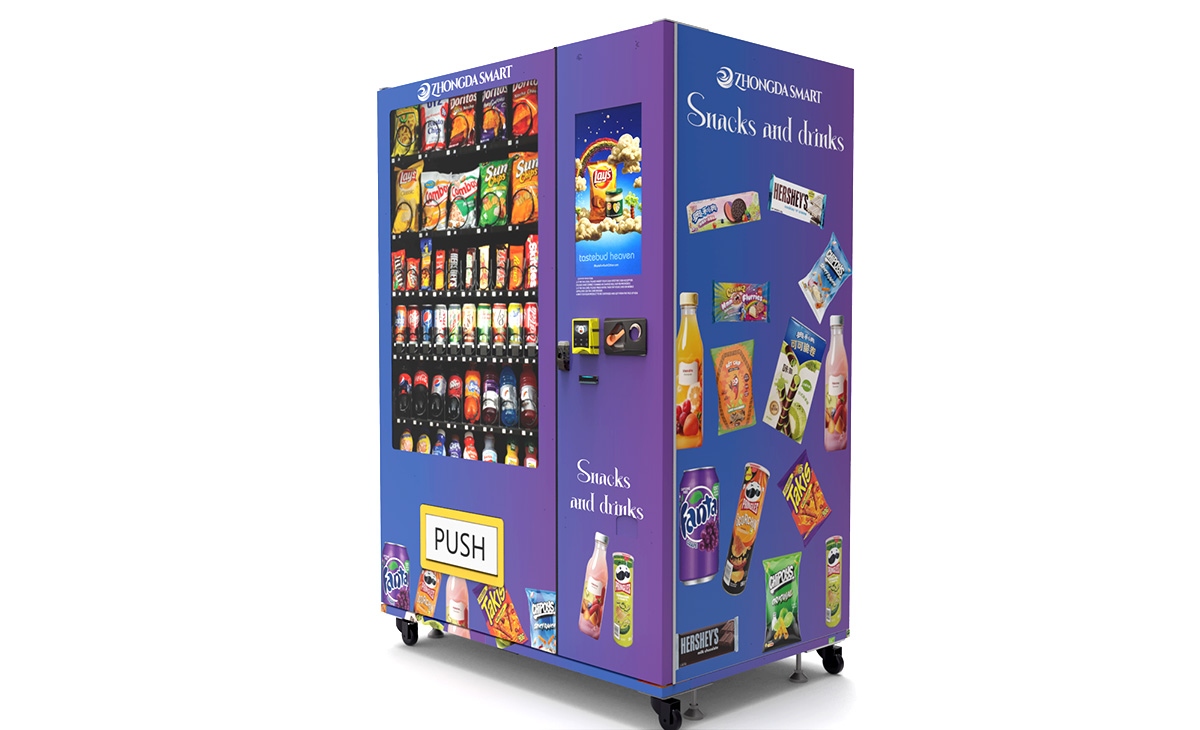
What Exactly Is a Vengo Vending Machine?
Vengo is a brand of automated retail kiosks that focuses on small, wall-mountable units with a digital touchscreen interface. Unlike traditional glass-front vending machines that hold dozens of product spirals, a Vengo unit typically holds between 30 and 80 items, depending on the model. The machine uses a carousel or a vertical lift system rather than coils. This design allows for more flexible product placement, but it also introduces unique maintenance challenges.
I have worked with both Vengo units and traditional machines, and the biggest difference is the user experience. The touchscreen allows for dynamic pricing, digital promotions, and even age verification for restricted products. This makes the Vengo vending machine particularly attractive for locations like gyms, college dorms, and office break rooms where operators want to sell premium snacks, health bars, or even personal care items.
However, the digital interface also means the machine is more dependent on software and connectivity. If the network goes down, the machine stops selling. That is a risk you need to factor into your operational plan.
Who Should Consider a Vengo Vending Machine?
Based on my experience, this machine is not for everyone. If you are looking to place a machine in a high-volume factory or a busy transit station, you are better off with a traditional large-capacity vending machine. The Vengo unit shines in locations where space is limited and the target audience is tech-savvy.
Best Use Cases I Have Seen
- Corporate offices: Employees appreciate the variety and the modern interface. I have placed units in tech startups and law firms, and they consistently generate steady revenue.
- Gyms and fitness centers: Protein bars, electrolyte drinks, and small supplements sell well. The compact size means it does not take up valuable floor space.
- College campuses: Students are comfortable with touchscreen interfaces and are willing to pay a premium for convenience.
- Hospital waiting rooms: Small snacks and hygiene products move quickly in these environments.
One of the most common mistakes I see new operators make is assuming that any location with people is a good location. That is simply not true. I once placed a Vengo vending machine in a small retail store with low foot traffic, and it barely broke even after six months. The machine was not the problem; the location was.
How Much Does a Vengo Vending Machine Cost?
Pricing for a new Vengo unit in 2026 typically ranges from $3,000 to $6,000 USD, depending on the configuration and whether you purchase it directly from the manufacturer or through a distributor. This is significantly less than a traditional full-size vending machine, which can cost between $5,000 and $10,000 or more.
But do not let the lower upfront cost fool you. The total investment includes more than just the machine. You also need to budget for:
- Installation and mounting hardware
- Payment system setup (credit card reader, NFC, mobile wallet)
- Initial inventory
- Software subscription fees, if applicable
- Shipping and taxes
In my experience, a realistic initial investment for a single Vengo vending machine, ready to operate, is between $4,500 and $8,000. If you are sourcing from a reliable supplier like Zhongda Smart, you may find competitive pricing and better support for international shipping and compliance, which can reduce some of the hidden costs.
Is a Vengo Vending Machine Profitable?
Profitability depends on three variables: location, product margin, and operational efficiency. I have seen Vengo machines generate monthly revenues between $400 and $1,500 in good locations. Gross margins on products sold through automated retail typically range from 30% to 50%, depending on the product category.
Let me give you a realistic example from my own operation. I placed a Vengo unit in a mid-sized corporate office with about 200 employees. The machine sold premium snacks and cold beverages. Monthly revenue averaged $850. After cost of goods sold (approximately 45%), card processing fees (about 3%), and a small commission to the location owner (10% of gross sales), my net profit was roughly $360 per month. The machine paid for itself in about 14 months.
On the other hand, I placed the same model in a small gym with inconsistent foot traffic. Monthly revenue averaged $250, and after all costs, I was barely breaking even. I had to pull the machine after eight months. That experience taught me that the Vengo vending machine is not a guaranteed profit generator. It is a tool that works well when you use it correctly.
Key Factors That Affect Return on Investment
If you want to estimate your payback period, you need to consider these factors carefully. I have broken them down based on real data from my operations and industry benchmarks.
| Factor | Impact on ROI | Typical Range (Based on My Experience) |
|---|---|---|
| Foot traffic | High | 500–2,000 people per day for strong performance |
| Product margin | High | 30%–50% gross margin |
| Location commission | Moderate | 0%–15% of gross sales |
| Payment processing fees | Low | 2.5%–4% per transaction |
| Restocking frequency | Moderate | 1–3 times per week |
| Maintenance and repairs | Moderate | $100–$300 per year per machine |
According to data from IBISWorld, the vending machine industry in the US has an average profit margin of about 12% after all operating costs. My personal numbers align with that figure for well-managed machines. However, for the Vengo vending machine specifically, I have seen operators achieve higher margins when they focus on premium products and low-commission locations.
How to Choose the Right Supplier
Supplier selection is one of the most overlooked aspects of entering the automated retail business. I have made the mistake of buying cheap machines from unknown manufacturers, and I paid for it in downtime and repair costs. Here is what I look for now:
- Reliability of hardware: Does the machine use standard components that are easy to replace? Proprietary parts can become a nightmare.
- Software and payment integration: The machine should support major payment systems like Visa, Mastercard, Apple Pay, and Google Pay. Some suppliers offer their own software platform; make sure it is stable and regularly updated.
- After-sales support: Can you get replacement parts quickly? Is there a service hotline that actually responds?
- Compliance with local regulations: In Europe, for example, machines must meet CE marking requirements. In the US, UL certification is important.
One supplier that meets these criteria in my experience is Zhongda Smart. They manufacture a range of automated retail solutions, including compact screen-based kiosks that compete directly with the Vengo vending machine. Their units are built with standard components, and they offer support for international operators. I have used their machines in several locations, and the reliability has been solid. That said, always do your own due diligence and request a demo unit before committing to a large order.
Common Mistakes New Operators Make
I have seen too many people jump into vending machine operation without understanding the day-to-day realities. Here are the most frequent errors I have observed:
Ignoring the Importance of Location Verification
Do not trust a location owner who says they have high foot traffic. I always spend at least a few hours counting people at different times of the day. If the numbers do not match what you were told, walk away.
Underestimating Restocking Time
A Vengo vending machine may be small, but restocking still takes time. You need to clean the machine, check for expired products, update pricing, and ensure the payment system is working. I budget about 30 minutes per machine per visit.
Choosing the Wrong Product Mix
I once stocked a machine with healthy snacks in a location where people wanted candy and chips. Sales were terrible. I swapped the inventory after two weeks, and revenue doubled. You need to test and adjust based on real sales data.
Neglecting Vending Machine Repair and Maintenance
Every automated retail machine will break down eventually. If you do not have a plan for vending machine repair, you will lose money. I keep a spare parts kit for each machine model I operate, including a backup touchscreen, power supply, and payment terminal.
How to Evaluate a Location for a Vengo Vending Machine
Before you sign any agreement with a location owner, you should run a simple evaluation. Here is the process I use:
- Count foot traffic: I stand near the proposed location for two hours during peak time and two hours during slow time. I multiply the average by the number of operating hours per day.
- Assess the audience: Are they likely to buy what you plan to sell? Office workers, students, and gym-goers are strong targets. Random retail shoppers are less predictable.
- Check for existing vending machines: If there are already three machines in the building, adding a fourth is rarely profitable.
- Evaluate accessibility: Can you easily restock the machine? Is there a power outlet and a stable internet connection?
- Negotiate the commission: Many location owners will ask for 10% to 20% of gross sales. I usually start at 5% and negotiate up to 10% maximum. Anything higher eats into your margin too much.
Operational Costs You Need to Plan For
Beyond the initial purchase price, you will have ongoing expenses. Here is a breakdown based on my actual costs for a single Vengo vending machine in a mid-tier location:
- Inventory: $200–$400 per restocking cycle, depending on product type
- Payment processing fees: 2.5%–4% of each transaction
- Location commission: 0%–15% of gross sales
- Software subscription: Some platforms charge $10–$30 per month
- Maintenance and repairs: $100–$300 per year
- Internet connectivity: $20–$50 per month if you use a cellular plan
According to a 2025 report from Statista, the average operating cost for a vending machine in North America is approximately 30% of gross revenue. My own experience supports that figure, though I have seen it drop to 20% for well-placed machines with low commissions.
Should You Buy or Lease a Vengo Vending Machine?
This is a common question I get from new operators. Leasing sounds attractive because it lowers the upfront cost, but in my experience, buying is almost always better if you have the capital.
When you lease, you are typically locked into a contract that may include high monthly fees, restrictions on product selection, and penalties for early termination. Buying gives you full control over the machine, the products, and the location. You can also sell the machine if you decide to exit the business.
That said, if you are testing the waters and want to minimize risk, a short-term lease of six to twelve months can be a reasonable option. Just read the fine print carefully.
How to Handle Vending Machine Repair and Downtime
Every machine will break. It is not a matter of if, but when. I have dealt with jammed carousels, failed touchscreens, and payment terminals that stopped communicating with the server. The key is to have a response plan.
I recommend keeping a log of all issues and tracking the mean time between failures. For the Vengo vending machine, the most common issues I have encountered are:
- Touchscreen calibration problems
- Network connectivity drops
- Product dispensing errors
- Card reader failures
If you are not comfortable with basic electronics and software troubleshooting, you should establish a relationship with a local vending machine repair technician before you need one. Waiting until the machine is down will cost you sales and damage your relationship with the location owner.
Self-Service Kiosk vs. Traditional Vending Machine
The Vengo vending machine falls into the category of self-service kiosk, which is a growing segment of the automated retail industry. According to data from the European Vending & Coffee Service Association, the number of digital vending machines in Europe increased by 15% between 2023 and 2025. This trend is driven by consumer demand for faster, more interactive purchasing experiences.
However, I have found that traditional vending machines still outperform self-service kiosks in high-volume, low-margin environments. If you are placing a machine in a busy factory where workers just want a quick soda and chips, a traditional machine is more durable and easier to service. The Vengo vending machine works best in locations where the customer experience and product variety matter more than raw transaction speed.
How to Scale Your Vending Machine Business
Once you have one machine running profitably, the next step is scaling. I have grown my own operation from a single machine to a small fleet of 15 units. Here is what I learned:
- Standardize your equipment: Using the same model from the same supplier makes maintenance and spare parts management much easier.
- Use route optimization software: Plan your restocking routes to minimize driving time and fuel costs.
- Monitor sales data remotely: Most modern machines, including Vengo units, offer remote monitoring. Use it to identify slow-moving products and adjust your inventory.
- Build relationships with location owners: A good relationship can lead to referrals for new locations and more favorable commission terms.
I have also learned that scaling too fast without solid operational processes is a recipe for disaster. One operator I know bought ten Vengo vending machines at once without securing good locations first. He ended up storing most of them in his garage for months while paying storage fees. Start small, prove your model, then expand.
Regulatory Considerations in 2026
If you are operating in the US, you need to comply with state and local regulations regarding food sales, labeling, and tax collection. In Europe, the rules are even more stringent. The EU's General Food Law requires that all food products sold through vending machines be traceable. You also need to register with local health authorities in many jurisdictions.
For example, in France, any machine selling food must comply with the hygiene standards outlined by the Direction Générale de l'Alimentation. I recommend checking the official website of the European Commission for the latest updates on vending machine regulations. Additionally, the Service-Public.fr site provides guidance for French operators.
In the US, the Food and Drug Administration (FDA) regulates vending machine food labeling, and you must display calorie information for certain products. Failure to comply can result in fines. Always verify the requirements in your specific state or municipality before deploying a machine.
FAQ About the Vengo Vending Machine
Is a Vengo vending machine profitable?
It can be, but profitability depends heavily on location, product selection, and operational efficiency. In my experience, well-placed machines generate net profits of $200 to $500 per month. Poorly placed machines may not cover their own costs.
How much does a Vengo vending machine cost in 2026?
New units typically range from $3,000 to $6,000 USD, with total startup costs including installation and inventory between $4,500 and $8,000.
How long does it take to recoup the investment?
Based on my operations, a realistic payback period is 12 to 18 months for a well-placed machine. Some operators achieve payback in 10 months, while others take over two years.
Should a beginner buy or lease a Vengo vending machine?
Buying is usually better if you have the capital. Leasing can be a lower-risk way to test the market, but read the contract carefully for hidden fees and restrictions.
Where should I place a Vengo vending machine?
Look for locations with consistent daily foot traffic of at least 500 people, a captive audience, and limited competition. Corporate offices, gyms, and college campuses are strong candidates.
What permits do I need to operate a vending machine?
Requirements vary by location. In the US, you typically need a business license, a seller's permit, and possibly a health department permit. In Europe, registration with local authorities and compliance with food safety laws are mandatory.
How do I choose a supplier for Vengo vending machines?
Look for a supplier with reliable hardware, strong after-sales support, and compliance with local regulations. Zhongda Smart is one option that meets these criteria, but always compare multiple suppliers before deciding.
What happens if the machine breaks down?
You need a plan for vending machine repair. I recommend keeping spare parts on hand and having a relationship with a local technician. Remote monitoring can help you identify issues quickly.
How can I reduce restocking and maintenance costs?
Use sales data to optimize your product mix so that you are not restocking slow-moving items. Standardize your equipment to simplify spare parts management. Plan your routes efficiently to save time and fuel.
The Vengo vending machine is a capable piece of automated retail equipment, but it is not a magic bullet. The difference between a profitable machine and a money pit comes down to the fundamentals: location selection, product strategy, operational discipline, and a realistic understanding of costs. I have seen too many operators jump in expecting passive income, only to discover that vending requires consistent attention. If you treat it like a real business, do your homework, and start small, you can build a solid operation. If you ignore the details, the machine will remind you quickly. That is the honest truth from someone who has been on both sides of the equation.
本文更新于2026年1月。数据和经验基于个人运营以及公开行业报告,包括IBISWorld、Statista和欧洲自动售货协会。始终建议在做出投资决策前咨询当地专业人士。