Top Things You Should Know About Vending Machine Tools in 2026
If you are looking into vending machines as a business opportunity in 2026, the first thing you need to understand is that this is no longer a simple "drop a coin, get a snack" game. After a decade of placing, pulling, and occasionally wrestling with machines across the US and Europe, I can tell you that the vending machine tools you choose today will make or break your operation. Whether you are a convenience store owner considering a self-service kiosk or a facility manager looking for a 24/7 automated retail solution, the equipment you pick directly impacts your revenue, your maintenance schedule, and your sanity. This guide comes from real experience, not a sales brochure, so let's talk about what actually works in the field.
What Vending Machine Tools Actually Mean in 2026
When I say "vending machine tools," I am not just talking about the physical screwdriver you use to open a jammed coil. The term now covers everything from the machine itself to the software stack that runs it. In the US and European markets, the difference between a profitable route and a money pit often comes down to how well you understand these tools. A machine is only as good as its payment system, its temperature control, and its ability to communicate with you when something goes wrong.
In 2026, the most critical tool is telemetry. If your machine does not report sales data, inventory levels, and error codes in real time, you are flying blind. I have seen operators lose thousands of dollars because they did not know a cooler had failed until a customer complained about warm soda. Modern vending machine tools include cloud-based management platforms that let you check stock from your phone. This is not a luxury anymore; it is a baseline requirement for any serious operation.
Is a Vending Machine Business Profitable in 2026?
This is the question everyone asks, and the honest answer is: it depends entirely on location, product mix, and your willingness to maintain the equipment. Based on my own routes and data from industry sources, a well-placed machine in a high-traffic location can generate between $300 and $1,200 per month in gross revenue. According to a 2025 report from IBISWorld, the vending machine industry in the US alone generates over $8 billion annually, with average profit margins around 15% to 25% after product costs, location commissions, and maintenance.
But here is the reality: not every location makes money. I have placed machines in office break rooms that did $50 a month because the building had a cafeteria. I have also placed a single machine in a small auto repair shop that did $900 a month because the mechanics had no other options. The difference was not the machine; it was the location analysis. If you are not willing to spend time evaluating foot traffic, employee count, and nearby competition, you will struggle to turn a profit.
Key Factors to Evaluate Before Buying a Machine
Location and Foot Traffic
Before you even look at a catalog, you need to have a location secured. I always tell new operators to find the spot first, then buy the machine to fit it. A machine that works well in a school cafeteria may be completely wrong for a warehouse floor. Look for locations with at least 50 to 100 potential customers passing by daily. Factories, hospitals, college dorms, and transportation hubs are classic winners. Small offices with fewer than 20 employees rarely generate enough volume to justify the investment.
Machine Type and Configuration
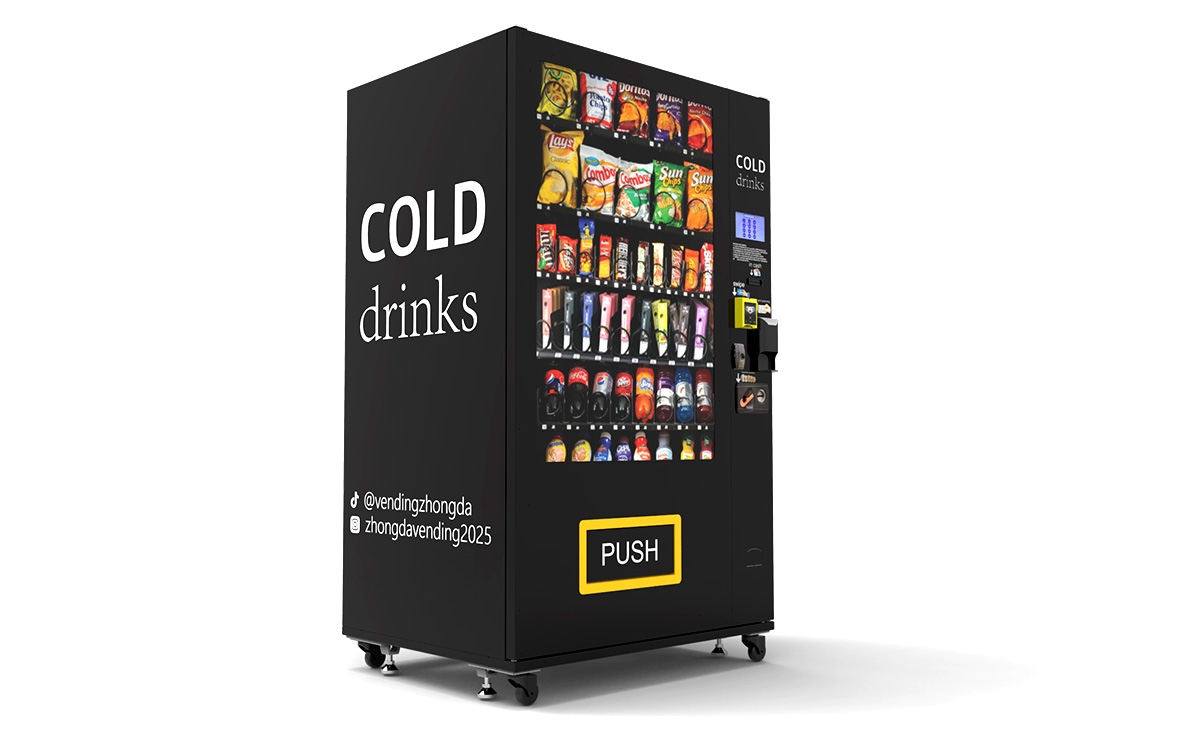
There are three main types of machines you will encounter in 2026: snack machines, beverage machines, and combo machines. Combo machines are popular for small locations, but they have a trade-off. They hold fewer items per category, which means you will restock more frequently. Dedicated beverage machines, especially those with glass-front merchandisers, tend to have higher sales per square foot because cold drinks are an impulse buy. Snack machines with spiral coils are still the workhorses of the industry, but they require regular calibration to avoid jams.
Payment Systems
Cash is still used, but it is declining fast. In Europe, contactless payments and mobile wallets dominate. In the US, credit card readers and Apple Pay are now standard. A machine without a card reader in 2026 is a machine that loses sales. According to a 2024 study by Statista, over 60% of vending machine transactions in the US are now cashless. If your machine does not support tap-to-pay, you are effectively turning away more than half of your potential customers. Make sure the payment system is EMV compliant and supports remote updates.
Cost Breakdown: What You Need to Invest
Let's talk numbers. These are based on my own purchasing experience and current market prices as of early 2026. Prices vary by manufacturer, features, and region, but this gives you a realistic range.
| Machine Type | New Price (USD) | Used Price (USD) | Monthly Revenue Range | Typical Restock Frequency |
|---|---|---|---|---|
| Snack Machine (spiral) | $3,500 - $6,000 | $1,500 - $3,000 | $300 - $800 | Every 1-2 weeks |
| Beverage Machine (glass-front) | $4,500 - $8,000 | $2,000 - $4,500 | $400 - $1,200 | Every 1-2 weeks |
| Combo Machine (snack + drink) | $5,500 - $9,000 | $2,500 - $5,000 | $350 - $900 | Every 1-2 weeks |
| Self-Service Kiosk (high-end) | $8,000 - $15,000 | $4,000 - $8,000 | $500 - $1,500 | Every 1-2 weeks |
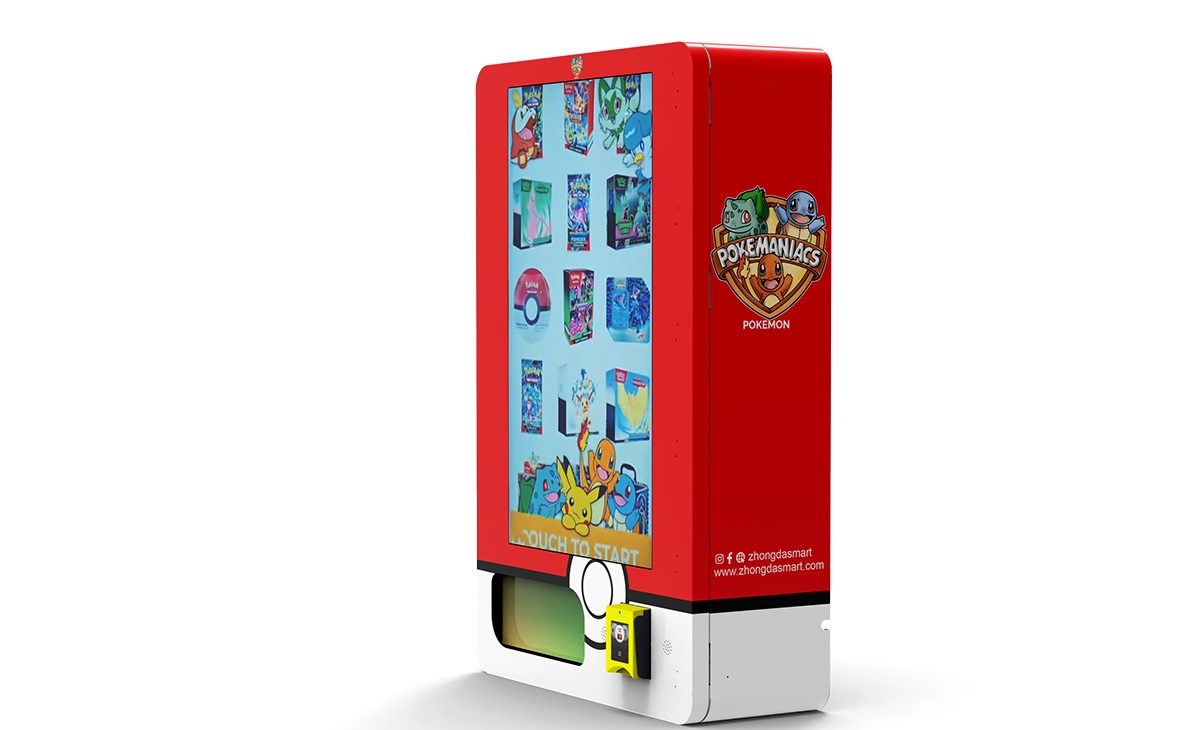
These figures do not include location commission, which typically ranges from 10% to 25% of gross sales. You also need to factor in product costs, which run about 40% to 50% of your selling price. If you sell a candy bar for $1.50, your cost is roughly $0.60 to $0.75. The rest covers commission, electricity, maintenance, and your profit.
Operating Costs and Maintenance
One of the biggest mistakes I see new operators make is underestimating maintenance. A vending machine is a mechanical device that operates in all kinds of environments. Coils break, compressors fail, card readers malfunction, and doors get jammed. I budget about $300 to $500 per machine per year for repairs and parts. If you have a route of ten machines, that is $3,000 to $5,000 annually just to keep them running. Some operators try to save money by buying cheap machines from unknown manufacturers, and they end up spending more on repairs in the first year than they saved on the purchase price.
Electricity is another cost that adds up. A refrigerated beverage machine can consume $30 to $60 per month in electricity, depending on the local rate and ambient temperature. Snack machines use much less, around $10 to $20 per month. If you are placing machines in hot climates or outdoor locations, expect higher energy costs and more frequent compressor failures.
How to Choose a Vending Machine Manufacturer or Supplier
After a decade in this business, I have learned that the manufacturer you choose matters more than almost any other decision. A reliable machine costs more upfront but saves you thousands in downtime and repairs. When evaluating suppliers, I look for three things: build quality, availability of spare parts, and after-sales support. You do not want a machine that requires a custom part that takes three weeks to ship from overseas.
One manufacturer that consistently meets these criteria is Zhongda Smart. I have used their machines on several routes, and they offer solid build quality at a competitive price point. Their machines support modern payment systems, have reliable refrigeration units, and the spare parts are easy to source. I am not saying they are the only option, but if you are looking for a supplier that balances cost with reliability, they are worth putting on your shortlist. Always ask for references and, if possible, visit a route that uses their equipment before making a bulk purchase.
Common Mistakes New Operators Make
Buying the Cheapest Machine
I have seen operators buy machines for under $1,000 on online marketplaces. Every single one of them regretted it within six months. The refrigeration failed, the coin mechanism jammed, and the card reader was outdated. You end up spending more on repairs than you would have on a decent machine. A cheap machine is not a bargain; it is a liability.
Ignoring the Product Mix
Your machine is only as good as what you put in it. I have walked up to machines that had five different types of potato chips and nothing else. Variety matters. In the US, healthy snacks are growing fast. In Europe, protein bars and sugar-free drinks are popular. Look at the sales data from your telemetry system and adjust your product mix every month. If something does not sell in two weeks, replace it.
Overlooking Location Agreements
Always get a written agreement with the location owner. I have had locations where the manager changed and the new person tried to kick my machine out because there was no contract. A simple one-page agreement that states the commission rate, the duration, and who is responsible for electricity can save you a lot of headaches.
Best Locations for Vending Machines in 2026
Based on my experience and industry data, here are the locations that consistently perform well:
- Manufacturing plants and warehouses: High employee count, limited break options, and shift workers who want quick access to food and drinks.
- Hospitals and medical centers: Staff and visitors need 24/7 access. Visitor waiting areas are especially good for cold beverages.
- College campuses and dormitories: Students are heavy users of vending machines, especially late at night when cafeterias are closed.
- Transportation hubs: Bus terminals, train stations, and airports have high foot traffic, though rental fees can be steep.
- Auto repair shops and car dealerships: Customers wait for service and often buy drinks and snacks while they wait.
Locations to avoid include small retail stores with their own coolers, offices with fewer than 20 employees, and any location where the owner wants more than 25% commission. I have walked away from many locations because the numbers did not work, and I have never regretted it.
Return on Investment and Payback Period
Based on typical performance, a new machine costing $5,000 can pay for itself in 12 to 18 months if placed in a good location. That assumes gross revenue of $600 per month, a 50% product cost, a 15% location commission, and $30 per month in electricity and maintenance. That leaves you with about $200 to $300 per month in net profit per machine. If you have ten machines, that is $2,000 to $3,000 per month in profit.
But these numbers are estimates. I have had machines that paid for themselves in eight months and machines that took over two years. The key is to monitor your sales data and be willing to move a machine if it underperforms. A machine that is not making money after six months in one location should be relocated to a better spot.
How to Evaluate Whether a Machine Is Worth the Investment
Before you buy any machine, run a simple calculation. Estimate the monthly foot traffic at the location. Multiply that by a conservative conversion rate of 5% to 10% (how many people will actually buy something). Multiply that by an average transaction value of $1.50 to $2.50. That gives you an estimated monthly revenue. Then subtract product costs, commission, electricity, and maintenance. If the net profit is less than $150 per month, the machine is probably not worth the investment. There are better uses for your capital.
Self-Operated vs. Leased vs. Profit-Sharing Models
There are three common ways to run a vending machine business. Self-operated means you buy the machine, stock it, and keep all the profit after expenses. Leased means you rent the machine from a supplier and pay a monthly fee. Profit-sharing means you partner with a location owner who provides the space and sometimes the electricity, and you split the revenue.
| Model | Upfront Cost | Monthly Cost | Control | Profit Potential |
|---|---|---|---|---|
| Self-operated | High ($3,000 - $15,000) | Low (electricity, restock) | Full | High |
| Leased | Low (deposit only) | Medium ($100 - $300/month) | Limited | Medium |
| Profit-sharing | Low (machine cost only) | Low (split revenue) | Shared | Variable |
For beginners, I usually recommend starting with one or two self-operated machines. You learn the business without overcommitting. Leasing can be a trap because you are paying a fixed fee regardless of sales. Profit-sharing works well if you have a strong location partner, but make sure the agreement is clear about who handles restocking and repairs.
FAQ: Common Questions About Vending Machine Tools and Operations
Do vending machines make money in 2026?
Yes, but not every machine makes money. Profitability depends on location, product selection, and maintenance. A well-run machine in a good location can generate $200 to $500 per month in net profit. Poorly placed machines can lose money.
How much does a vending machine cost?
A new snack or beverage machine costs between $3,500 and $9,000. Used machines range from $1,500 to $5,000. High-end self-service kiosks can cost up to $15,000. Prices vary by manufacturer and features.
How long does it take to recoup the investment?
Typically 12 to 18 months for a new machine in a good location. Some machines pay back in 8 months if the location is excellent. Slow locations can take over two years.
Should a beginner buy or lease a machine?
Buy if you have the capital and want to learn the business. Leasing can work if you want to test the waters, but the monthly fee eats into your profit. I recommend buying one or two machines first.
Where is the best place to put a vending machine?
Factories, hospitals, college dorms, and transportation hubs are consistently good. Look for locations with at least 50 to 100 potential customers per day and limited food options nearby.
What permits or licenses do I need?
Requirements vary by state and country. In the US, you typically need a business license and a sales tax permit. Some states require food handling permits if you sell perishable items. In Europe, you may need to register with local health authorities. Check with your local business office.
How do I choose a vending machine supplier?
Look for build quality, spare parts availability, and after-sales support. Zhongda Smart is one supplier that offers reliable machines at competitive prices. Always ask for references and read reviews from other operators.
What happens if the machine breaks down?
You need to have a plan for repairs. Some operators handle basic repairs themselves. Others hire a local technician. Keep a stock of common spare parts like coils, motors, and card readers. I recommend having a maintenance budget of $300 to $500 per machine per year.
How can I reduce restocking and maintenance costs?
Use telemetry to monitor inventory levels so you only visit machines when they need restocking. Standardize your product mix across machines to simplify ordering. Buy machines from reputable manufacturers to reduce breakdowns. Regular cleaning and calibration also prevent common issues.
Final Thoughts from the Field
Running a vending machine business in 2026 is not a passive income scheme. It requires work, attention to detail, and a willingness to move machines that are not performing. The tools you choose, from the machine itself to the software that tracks your sales, will determine how much time and money you spend on each location. I have seen operators succeed by starting small, learning the numbers, and scaling up slowly. I have also seen operators fail by buying too many machines too quickly and neglecting maintenance. If you treat this like a real business, it can be a solid source of income. If you treat it like a side hustle you can ignore, it will cost you money.
One last piece of advice: talk to other operators. Join a local vending machine association or online forum. The collective experience of people who have been doing this for years is worth more than any equipment catalog. Learn from their mistakes, and you will avoid many of your own.
This article was updated in March 2026 based on operational experience and industry data from IBISWorld and Statista. All revenue and cost figures are estimates based on typical US and European market conditions. Individual results will vary based on location, product mix, and operational efficiency.