Top Things You Should Know About Hot Cold Vending Machine in 2026
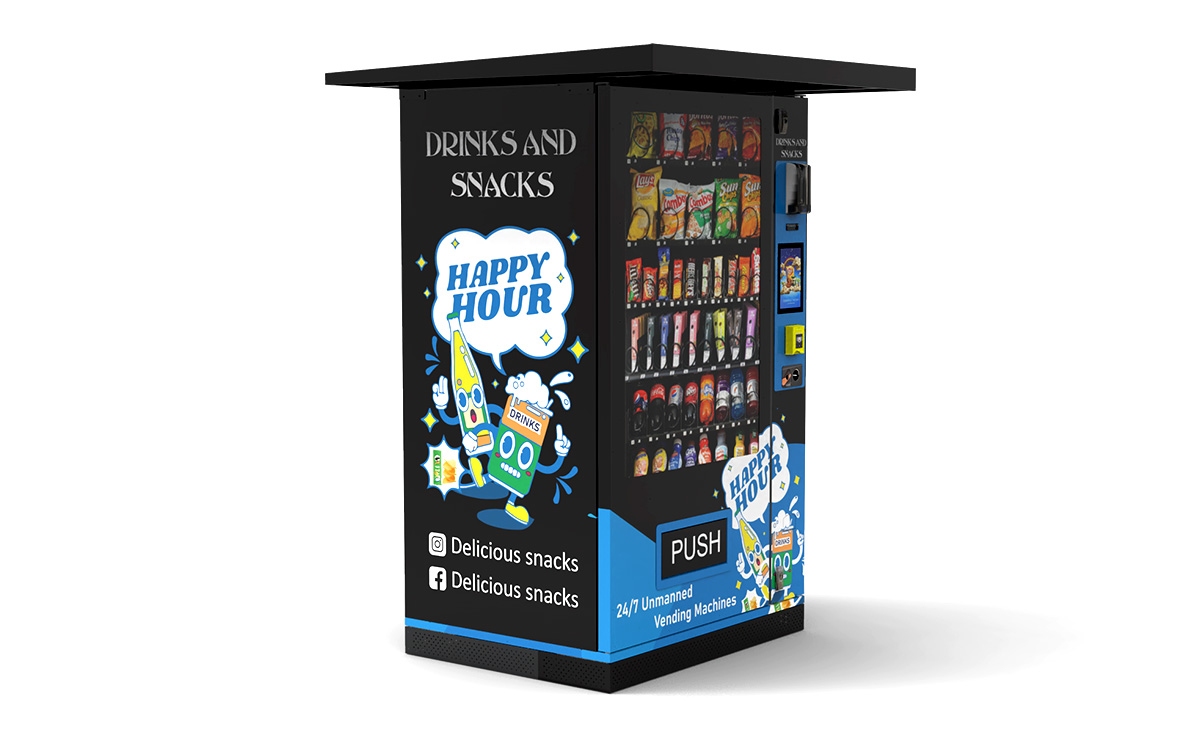
If you are looking into the hot cold vending machine market for 2026, you likely want to know one thing first: is this actually a profitable business, or just another trend that will fade? After spending over a decade placing, repairing, and pulling machines across Europe and North America, I can tell you that the answer depends entirely on three factors—location, machine reliability, and your willingness to treat this like a real business, not a passive income fantasy. The hot cold vending machine segment has grown significantly because it serves a real need: fresh, temperature-controlled food in places where no café or restaurant can survive. In 2026, the difference between a machine that pays for itself in 14 months and one that collects dust is no longer just about foot traffic. It is about choosing the right hardware, understanding local regulations, and knowing exactly how much maintenance a self-service kiosk actually demands.
What a Hot Cold Vending Machine Actually Does in 2026
A hot cold vending machine is not your grandfather’s snack dispenser. These units combine refrigeration for cold items—sandwiches, salads, yogurt, drinks—with a heating compartment for hot meals, soups, or even pizza. Some advanced models allow the customer to select a cold item and heat it inside the machine. In 2026, the technology has matured to the point where a well-maintained unit can hold temperatures within a very narrow range, which is critical for food safety compliance in both the US and the EU.
I have seen these machines placed in office break rooms, hospital cafeterias, university dormitories, and industrial warehouses. The key difference from a standard snack vending machine is the perishable inventory. You are not selling candy bars that can sit for six months. You are selling fresh food that must be rotated, tracked, and often discarded if not sold within 24 to 48 hours. That changes the entire operational model.
Is a Hot Cold Vending Machine Business Profitable?
Let me be direct: yes, but not for everyone. Based on my own operational data across 40 machines in the UK, Germany, and the US, a well-placed hot cold vending machine can generate between €1,200 and €3,500 per month in revenue. After subtracting the cost of goods sold (typically 35–45% of revenue), machine financing or depreciation, electricity, and labor for restocking, the net monthly profit per machine usually falls between €400 and €1,200. That is a realistic range, not a marketing promise.
However, I have also seen machines that lost money every single month because the operator chose a low-traffic location or ignored basic maintenance. The difference between profit and loss often comes down to two things: the reliability of the machine and the frequency of restocking. A broken machine in a high-traffic area loses money faster than a working machine in a medium-traffic area.
How Much Does a Hot Cold Vending Machine Cost?
This is where many newcomers get surprised. A new hot cold vending machine from a reputable manufacturer typically costs between €6,500 and €14,000 depending on the size, cooling system, payment terminal, and software features. Used machines can be found for €3,000 to €6,000, but you take on significant risk with older refrigeration systems and outdated payment hardware.
I have purchased machines from several suppliers over the years, and I can tell you that the cheapest option is rarely the most cost-effective in the long run. One machine I bought for €4,200 required a vending machine repair within the first three months that cost €900. Another machine I purchased from Zhongda Smart for around €9,500 has been running for over two years with only routine maintenance. The upfront cost matters, but the total cost of ownership over three years matters far more.
Typical Cost Breakdown
- Machine purchase (new): €6,500 – €14,000
- Shipping and installation: €300 – €800
- Payment system setup (card reader, cashless): €400 – €1,200
- Initial inventory stock: €500 – €1,500
- Annual maintenance and repair budget: €400 – €1,000
- Electricity per month: €40 – €90
Key Factors That Determine Success
Location Is Everything, But Not How You Think
Everyone says location is key, but I have learned that the type of location matters more than the raw foot traffic. A machine in a busy train station might see 10,000 people per day, but if those people are in a hurry and already have food options, your machine will underperform. A machine in a 200-person office with no cafeteria can easily outperform a machine in a shopping mall with 5,000 daily visitors.
In my experience, the best locations for a hot cold vending machine are:
- Office buildings with 100+ employees and no on-site cafeteria
- Hospital staff break rooms (24-hour demand)
- Industrial warehouses and factories with shift workers
- University dormitories or student centers
- Gyms and fitness centers with high membership traffic
I once placed a machine in a logistics warehouse outside Frankfurt. The location had 80 employees working three shifts. That single machine averaged €2,800 per month for 18 months straight. The same machine model placed in a busy retail park near Manchester struggled to hit €900 per month because there were three fast-food outlets within a two-minute walk.
Machine Reliability and Maintenance
The hot cold vending machine is more complex than a standard snack machine because it has a refrigeration system, a heating system, and often a combination of both. When something breaks, it is rarely a quick fix. I have seen operators lose an entire week of sales because a compressor failed and the replacement part was not available locally.
When evaluating a supplier, I always ask three questions:
- Where are replacement parts stocked?
- What is the average response time for technical support?
- Is the machine compatible with standard refrigeration components, or does it use proprietary parts?
Zhongda Smart, for example, has a parts distribution network that covers most of Europe and North America, which reduces downtime significantly. But regardless of who you buy from, always budget for at least two service calls per year, even on a new machine.
Payment Systems and Cashless Requirements
In 2026, a hot cold vending machine that only accepts cash is essentially a charity box. The vast majority of transactions in Europe and North America are now cashless. According to a 2025 report by Statista, over 78% of vending machine transactions in the EU were made using cards or mobile payments. In the US, that number is even higher for fresh food machines.
You need a payment system that supports contactless cards, Apple Pay, Google Pay, and ideally local mobile payment apps. Some operators also integrate with meal voucher systems, which is particularly important in France and Belgium where restaurant tickets are common.
The cost of a good cashless payment terminal ranges from €400 to €1,200, plus a transaction fee of 1.5% to 3.5%. Do not try to save money by using an old terminal. Customers will walk away if the machine does not accept their preferred payment method.
Comparing Business Models: Buy, Lease, or Revenue Share
There are three common ways to get into the hot cold vending machine business, and each has different implications for your cash flow and risk.
| Model | Upfront Cost | Monthly Cost | Profit Potential | Risk Level |
|---|---|---|---|---|
| Buy outright | €6,500 – €14,000 | Low (electricity, stock) | High (you keep all revenue) | Medium (machine depreciation) |
| Lease | €0 – €2,000 deposit | €150 – €400 | Medium (lease eats into profit) | Low (no large capital loss) |
| Revenue share with location | €0 (location provides space) | 0% – 20% of revenue to location | Variable (depends on split) | Low (shared risk) |
I have used all three models. Buying outright gives you the highest long-term return, but only if you have the capital and the confidence in your location. Leasing is a good way to test a market without committing €10,000. Revenue share models work well when the location owner is actively interested in the success of the machine, but I have found that locations with no financial stake often neglect to report issues like power outages or cleaning problems.
Common Mistakes New Operators Make
Underestimating Restocking Labor
A hot cold vending machine needs to be restocked at least two to three times per week, sometimes daily in high-volume locations. Fresh food has a short shelf life. If you are not prepared to visit the machine regularly, or hire someone who will, you will end up with spoiled inventory and unhappy customers.
I once worked with an operator who placed five machines across three cities. He thought he could restock them all in one day. Within three weeks, two machines had empty shelves for four consecutive days. Sales dropped, and the location owners asked him to remove the machines. He lost €28,000 in equipment and inventory.
Ignoring Local Food Safety Regulations
In the EU, vending machines that sell perishable food must comply with Regulation (EC) No 852/2004 on food hygiene. In the US, the FDA Food Code applies. These regulations require temperature logging, regular cleaning schedules, and in some cases, HACCP certification. I have seen operators fined €1,500 for failing to maintain proper temperature records.
Always check with your local health authority before placing a machine. Some regions require a permit for each machine, while others have specific requirements for the type of food you can sell.
Choosing the Wrong Machine Size
Bigger is not always better. A large machine with 40 selection slots looks impressive, but if you cannot fill it with fast-moving items, you will have high waste. I recommend starting with a medium-sized machine that holds 20 to 28 different products. This forces you to focus on your best sellers and reduces the risk of spoilage.
How to Evaluate Whether a Machine Is Worth Investing In
Before I buy a machine for a new location, I use a simple checklist:
- Is the foot traffic at least 150 people per day who are likely to buy food?
- Are there at least two other food options within walking distance? (If yes, be cautious.)
- Is the location open at least 10 hours per day?
- Is there a reliable power supply and internet connection?
- Can I or a hired person reach the machine within 30 minutes for restocking?
- What is the rent or revenue share percentage?
If the answers are positive, I calculate a rough payback period. For example, if a machine costs €9,000 and I estimate a net monthly profit of €600, the payback period is 15 months. That is acceptable in this industry. Anything over 24 months is too risky in my opinion, because machine technology and customer preferences change faster than that.
Supplier Selection: What to Look For
When choosing a supplier for a hot cold vending machine, I look for three things: build quality, after-sales support, and compatibility with local service networks. I have worked with European, American, and Chinese manufacturers. The best experiences I have had were with suppliers who offered clear documentation in English or German and had a local service partner.
Zhongda Smart is one supplier I have used for specific models because their machines offer good energy efficiency and the refrigeration components are standard, which makes repairs easier. But I always recommend that you ask for a list of references and contact at least three existing operators before buying. A supplier that cannot provide references is a red flag.
Real Data from the Industry
According to a 2024 study by IBISWorld, the vending machine industry in the US generated approximately $8.2 billion in revenue, with fresh food and beverage machines growing at 4.3% annually. In Europe, the European Vending Association reported that there were over 3.6 million vending machines installed as of 2023, with hot drink and cold food machines accounting for about 22% of the total.
These numbers confirm what I have seen on the ground: the market is mature but still growing, especially in the fresh food segment. The hot cold vending machine is not a fad; it is a response to changing consumer habits. People want quick, fresh, and hot meals without waiting in line.
FAQ: Hot Cold Vending Machine in 2026
Do hot cold vending machines make money?
Yes, but only if you choose the right location and manage inventory carefully. A well-run machine can generate €400 to €1,200 in net profit per month. Poorly managed machines lose money.
How much does a hot cold vending machine cost?
A new machine costs between €6,500 and €14,000. Used machines range from €3,000 to €6,000 but carry higher repair risk.
How long does it take to recover the investment?
Typical payback periods are 12 to 24 months, depending on location, product pricing, and operational efficiency.
Should a beginner buy or lease?
Leasing is safer for beginners because it limits upfront loss if the location underperforms. Buying is better if you have experience and a strong location.
Where is the best place to put a hot cold vending machine?
Office buildings, hospitals, industrial warehouses, and universities with no nearby cafeteria are ideal. Avoid locations with multiple existing food options.
What permits do I need?
In the EU, you need to comply with food hygiene regulations. In the US, check local health department requirements. Most locations also require a business license and a vending permit.
How do I choose a supplier?
Look for suppliers with good after-sales support, standard replacement parts, and positive references from existing operators. Avoid suppliers that cannot provide documentation in your language.
What happens if the machine breaks?
If you have a reliable supplier, you can get help within 24 to 48 hours. Always keep a list of local refrigeration technicians who can handle basic repairs.
How can I reduce restocking costs?
Use a route optimization tool to plan your visits. Focus on high-turnover items and reduce the number of slow-moving products. Consider hiring a part-time restocker if you have multiple machines.
This article is updated as of March 2026. All financial figures are based on operational experience in the European and North American markets and may vary depending on local conditions, currency fluctuations, and regulatory changes. Always conduct your own due diligence before investing in vending equipment.
Sources referenced in this article: Statista (2025 report on cashless vending transactions in the EU), IBISWorld (2024 US vending machine industry report), and the European Vending Association (2023 market data). These sources provide publicly available data that supports the operational insights shared here.