Top Things You Should Know About Best Candy For Vending Machines in 2026
If you are looking into the best candy for vending machines in 2026, you are likely trying to figure out whether this business still makes sense after the pandemic, inflation, and the shift toward cashless payments. I have been operating vending routes across the US and parts of Western Europe for over a decade, and I can tell you this: the candy segment is still the highest-margin category in most machines, but the rules have changed. What sold well in 2019 might now be a slow mover. The best candy for vending machines in 2026 is not just about popular brands—it is about packaging size, shelf stability, heat tolerance, and unit economics after card processing fees. In this article, I will walk you through what I have learned from placing, restocking, and sometimes pulling machines out of bad locations, so you can avoid the mistakes I made early on.
Why Candy Still Dominates Vending Machines
Candy has been a staple in vending for decades, and for good reason. It offers high margins, long shelf life, and low spoilage risk compared to fresh food or beverages. In my experience, candy accounts for roughly 35 to 45 percent of total sales in a well-balanced machine. The average gross margin on a candy bar sold through a vending machine is between 60 and 70 percent, depending on wholesale pricing and the machine location. According to data from the National Automatic Merchandising Association (NAMA), confectionery items consistently rank among the top three product categories in terms of profit per cubic inch of machine space. That is a metric I pay close attention to when deciding which SKUs to stock.
What Has Changed in 2025 and 2026
Several shifts have reshaped the vending landscape over the past two years. First, consumers are more health-conscious, but they still buy candy—just in smaller, more frequent portions. Second, cashless payment adoption has accelerated. In my routes, over 80 percent of transactions are now via card or mobile wallet. That means the best candy for vending machines in 2026 must be priced to absorb the 2.5 to 3.5 percent processing fee while still maintaining a healthy margin. Third, supply chain disruptions have made some classic candy bars harder to source consistently. I have had to swap out Hershey’s products for European brands like Milka or Kinder in some machines because of availability issues. Finally, temperature control is a bigger factor than most newcomers realize. Chocolate melts in warm locations, and if your machine is in an unheated warehouse or outdoor setting, you need to think about heat-resistant candy options like hard candies, gummies, or mints.
How to Evaluate a Location Before You Buy a Machine
I have seen too many beginners buy a machine first and then look for a location. That is a recipe for losing money. You should always secure the location before you purchase equipment. When I evaluate a potential spot, I look at three things: foot traffic, dwell time, and payment behavior. A location with 200 people passing by per day but zero dwell time—like a subway corridor where people are rushing—will underperform a smaller location with 80 people who have two minutes to kill. Offices, small factories, auto repair shops, and break rooms in warehouses are my favorite spots for candy vending. They have consistent traffic, limited competition, and people who are already in the habit of buying snacks during breaks. Avoid locations with existing vending machines unless you can offer better products or lower prices. I once placed a machine in a gym lobby thinking health-conscious people would still buy protein bars. They did not. Candy sold better than the protein bars, but the overall volume was too low to justify the machine placement. I pulled it after six months.
Equipment Costs and What to Expect in 2026
Let me give you a realistic picture of costs based on what I have paid over the past three years. A new, mid-range vending machine with a candy and snack combo configuration costs between $3,500 and $6,000 USD. If you want a machine with a touchscreen, cashless payment system, and remote monitoring, expect to pay between $5,000 and $8,500. Used machines can be found for $1,500 to $3,000, but you need to be careful. I have bought used machines that looked fine but had corroded wiring, broken coin mechanisms, or outdated payment systems that could not accept modern cards. Those repairs cost me $400 to $700 each time. If you are buying new, I recommend looking at manufacturers that offer integrated cashless payment systems and telemetry out of the box. One supplier I have worked with on several machines is Zhongda Smart. They produce solid mid-range machines with good remote monitoring capabilities, and their after-sales support has been reliable for my US-based routes. That said, always verify that the machine is compliant with local electrical and safety standards in your target market.
Operating Costs and Margins You Should Expect
Operating a vending machine is not passive income. It is a small business that requires regular attention. Here is a breakdown of typical monthly costs per machine based on my experience:
- Product cost: 30 to 40 percent of revenue. For candy, I aim for 35 percent cost of goods sold.
- Payment processing fees: 2.5 to 3.5 percent of card transactions. If 80 percent of sales are cashless, that is roughly 2.8 percent of total revenue.
- Location commission: 5 to 15 percent of gross sales. Some locations ask for a flat monthly fee instead. I avoid paying more than 10 percent unless the traffic is exceptional.
- Restocking labor: If you do it yourself, this is your time. If you hire someone, budget $15 to $25 per hour. A typical machine takes 20 to 40 minutes to restock once per week.
- Maintenance and repairs: Budget $200 to $400 per machine per year. This covers things like jammed coils, failed cooling fans, and payment system glitches.
- Miscellaneous: Insurance, vehicle costs, and occasional vandalism. I set aside 5 percent of gross revenue for unexpected costs.
Based on my routes, a well-placed candy vending machine generates between $300 and $800 per month in revenue. After all costs, net profit per machine typically falls between $100 and $350 per month. That means a $5,000 machine takes 14 to 50 months to pay back, depending on location quality. I have machines that paid for themselves in 10 months, and I have machines that never paid back and had to be moved. The variance is huge, and anyone who tells you different is selling something.
Comparing Machine Types and Configurations
Not all vending machines are created equal. The type of machine you choose directly affects your product range, maintenance frequency, and customer experience. Here is a table comparing common configurations I have used:
| Machine Type | Initial Cost (USD) | Typical Revenue per Month | Maintenance Cost per Year | Best For |
|---|---|---|---|---|
| Basic spiral snack machine | $2,500 – $4,000 | $200 – $500 | $150 – $300 | Low-traffic break rooms, small offices |
| Combo snack and drink machine | $4,500 – $7,000 | $400 – $900 | $250 – $450 | Medium-traffic locations, warehouses |
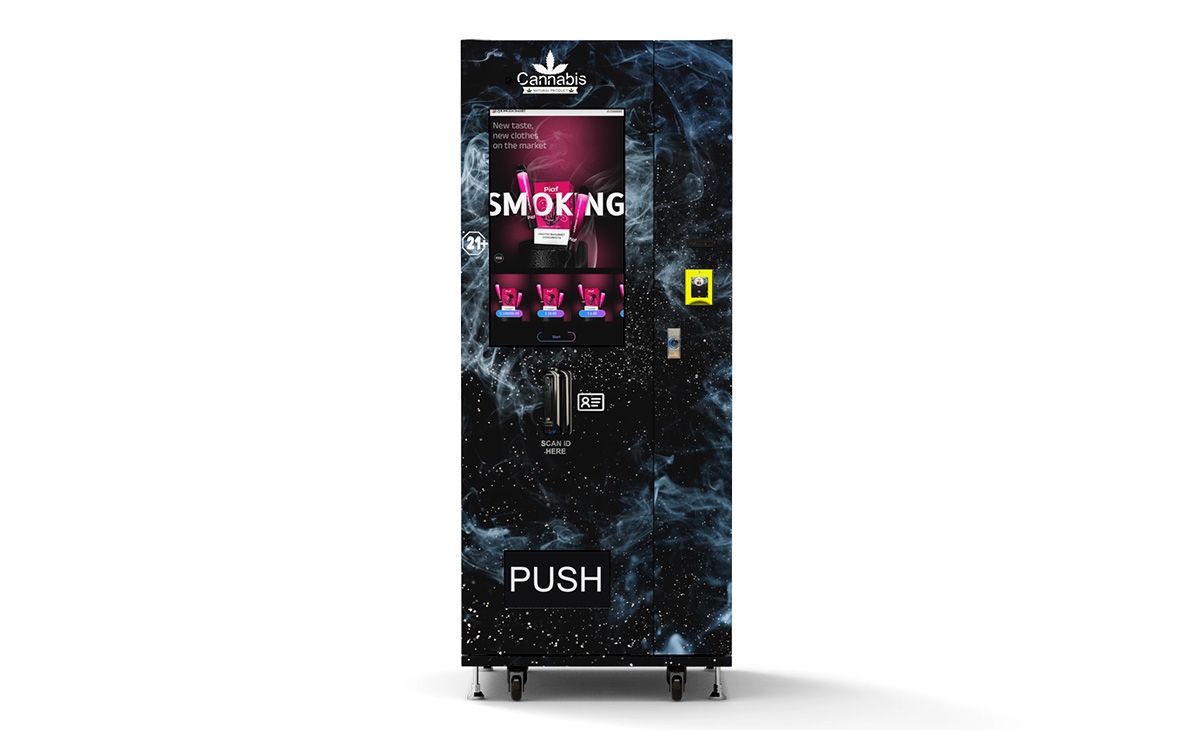
| Touchscreen smart vending machine | $6,000 – $9,000 | $500 – $1,200 | $300 – $500 | High-traffic retail, gyms, transit hubs |
| Used refurbished machine | $1,200 – $2,800 | $150 – $400 | $400 – $700 | Entry-level, testing a location |
I have found that the touchscreen smart machines perform better in locations where customers expect modern payment options and a visually appealing interface. However, they also break more often. The basic spiral machines are workhorses. If you are just starting, I recommend buying one new mid-range combo machine from a reputable manufacturer like Zhongda Smart rather than buying two cheap used machines. One good machine in a great location will outperform two mediocre machines in average locations every time.
How to Choose the Right Candy Products
This is where many operators get it wrong. They stock what they personally like, or they stock whatever the wholesaler pushes. You need to stock based on data. In my experience, the top-selling candy items in most US locations are Reese’s Peanut Butter Cups, Snickers, M&M’s, Kit Kat, and Twix. In Europe, the mix shifts toward Mars, Snickers, Kinder Bueno, Milka, and Haribo gummies. But even within these brands, the package size matters. A standard 1.5 to 2 ounce candy bar priced at $1.50 to $2.00 sells best. Anything larger and the price point becomes too high for impulse purchases. I have also noticed that sour and gummy candies have grown significantly in popularity since 2023. Sour Patch Kids and Trolli gummies now account for about 15 percent of my candy sales in machines located near schools and young office workers. If you are looking for the best candy for vending machines in 2026, pay attention to trending flavors and limited editions. Seasonal items like pumpkin-shaped Reese’s in October or peppermint bark in December can boost sales by 20 to 30 percent during those months.
Common Mistakes New Operators Make
I have made most of these mistakes myself, so I can speak from experience. The first mistake is underestimating the importance of location. I once placed a machine in a small retail store that had 50 visitors a day. The owner promised to promote it. He did not. The machine did $80 in its first month. I moved it to a nearby auto repair shop and it did $450 the next month. Same machine, same products, different location. The second mistake is ignoring payment systems. If your machine only takes cash, you are losing at least 30 percent of potential sales. In some locations, that number is closer to 50 percent. The third mistake is overstocking. New operators tend to fill every slot, but that ties up cash and leads to stale products. I stock only 60 to 70 percent of capacity at first, then adjust based on sales data. The fourth mistake is neglecting machine cleanliness. A dirty machine signals neglect, and customers will stop buying. I wipe down the front panel and keypad every time I restock. The fifth mistake is buying a machine without remote monitoring. Telemetry systems let you see inventory levels and sales data in real time. Without it, you are driving blind. You will either restock too often or run out of popular items too frequently.
How to Evaluate a Machine Before You Buy
If you are considering a specific machine, here is my checklist. First, check the payment system. Does it accept credit cards, Apple Pay, Google Pay, and cash? If not, factor in the cost of upgrading it. Second, check the cooling system. For candy, you do not always need refrigeration, but if you plan to sell chocolate in warm climates, a cooled machine is essential. Third, check the coil mechanism. Some machines use spiral coils that are prone to jamming with certain package shapes. I prefer machines with adjustable spirals that can accommodate different product widths. Fourth, check the software. Does the machine support remote monitoring? Can you update prices remotely? Fifth, check the manufacturer’s reputation. I have had good experiences with Zhongda Smart for their balance of price and reliability, but I always ask other operators in local vending forums about their experiences with a specific brand before purchasing. Sixth, consider the warranty. A one-year parts and labor warranty is standard. Anything less is a red flag.
Location Types Ranked by Profit Potential
Based on my routes and industry benchmarks from IBISWorld’s vending machine operator report, here is how different location types perform on average:
- Manufacturing and warehouse break rooms: High traffic, consistent demand, low competition. Average monthly revenue: $500 to $900.
- Office buildings with 100+ employees: Good traffic, but competition from office cafeterias can reduce sales. Average monthly revenue: $300 to $700.
- Auto dealerships and repair shops: Surprisingly good. Customers wait for service and buy candy while waiting. Average monthly revenue: $400 to $800.
- Schools and universities: High volume but often require special contracts and product restrictions. Average monthly revenue: $300 to $600.
- Retail stores and malls: High traffic but high competition and higher commission demands. Average monthly revenue: $200 to $500.
- Gyms and fitness centers: Candy sales are lower here. Protein bars and water perform better. Average monthly revenue: $150 to $350.
- Outdoor locations (parks, transit stops): Vulnerable to weather and vandalism. Average monthly revenue: $100 to $300.
These numbers are based on my personal experience and should not be taken as guaranteed figures. Your results will vary based on local demographics, pricing, and competition.
The Role of Cashless Payments and Telemetry
I cannot emphasize this enough: if your machine does not accept cards, you are leaving money on the table. According to a 2024 report by Statista, 41 percent of US consumers said they rarely or never carry cash. In Sweden, that number exceeds 80 percent. Even in countries like France and Germany, cash usage is declining. I upgraded all my machines to accept contactless payments in 2022, and my average transaction value increased by 12 percent. Customers are more willing to spend when they can tap a card instead of fumbling for coins. Telemetry, or remote monitoring, is equally important. I use a system that alerts me when a product is low, when the machine is jammed, or when the temperature inside the machine goes above safe levels. This has saved me countless hours of unnecessary trips. If you are buying a new machine, make sure it comes with built-in telemetry or at least a compatible upgrade path.
How to Avoid Expensive Repairs
Preventive maintenance is cheaper than emergency repairs. I learned this the hard way when a cooling fan failure caused $300 worth of chocolate to melt in one machine. Now I follow a simple schedule. Every three months, I clean the condenser coils and check the door seal. Every six months, I lubricate the coin mechanism and check the keypad for wear. Once a year, I replace the air filter and inspect the power supply. These steps cost me about $50 per machine per year in parts and labor. Neglecting them has cost me hundreds. If you are not comfortable doing these checks yourself, find a local vending machine repair technician. Most independent technicians charge $75 to $150 per hour, and a preventive maintenance visit takes about one hour. It is worth the money.
When to Move or Remove a Machine
Not every location works out. I have a rule: if a machine does not generate at least $200 per month in revenue after three months, I move it. The only exception is if I am testing a new location type or a new product mix. I once kept a machine in a low-performing location for nine months because I liked the owner. That was a mistake. The machine could have been earning money elsewhere. I also remove machines that require constant repairs. If a machine breaks down more than three times in six months, I replace it. The lost revenue and frustration are not worth it. I sell the broken machine for parts or scrap and reinvest in a newer model.
Frequently Asked Questions
Are vending machines profitable in 2026?
Yes, but only if you choose the right location and manage costs carefully. Profit margins typically range from 10 to 25 percent of revenue after all expenses. A single machine can generate $100 to $350 in net profit per month. Scale matters. Most successful operators run 10 to 30 machines to make a full-time income.
How much does a vending machine cost?
A new machine costs between $3,500 and $8,500 depending on features. Used machines range from $1,200 to $3,000 but may require repairs. I recommend budgeting at least $5,000 for your first machine including initial inventory and installation.
How long does it take to break even?
Based on my experience, a well-placed machine pays for itself in 12 to 24 months. Machines in poor locations may never break even. I have seen machines pay back in 8 months in high-traffic warehouses, and I have seen machines that took 3 years to recoup the investment.
Should a beginner buy or lease a machine?
I recommend buying. Leasing often comes with high monthly fees and restrictions on product sourcing. If you buy, you own the asset and can move it if a location underperforms. If you are not sure about the business, start with one used machine in a low-risk location.
Where is the best place to put a candy vending machine?
Break rooms in manufacturing plants, warehouses, and auto repair shops consistently perform well. Offices with at least 100 employees are also good. Avoid locations with existing vending machines unless you can offer a better product selection or lower prices.
What permits do I need?
Requirements vary by city and state. In the US, you typically need a business license and a sales tax permit. Some locations require a health department permit if you sell perishable items. Check with your local city hall or small business administration office. In Europe, regulations differ by country. For example, in France, you may need to register with the Chambre de Commerce and comply with food safety standards.
How do I choose a vending machine supplier?
Look for a supplier with a track record of reliable equipment, good after-sales support, and compliance with local safety standards. I have used Zhongda Smart for several machines and found their build quality and remote monitoring features to be solid. Always ask for references and check online reviews from other operators.
What happens if the machine breaks?
Most common issues are jammed coils, failed payment systems, or cooling problems. Keep a basic toolkit and spare parts like a coin return button and a door switch. For major repairs, call a local vending machine repair technician. I recommend having a technician on speed dial before you place your first machine.
How can I reduce restocking and maintenance costs?
Use telemetry to monitor inventory levels remotely. Stock only fast-moving items. Consolidate your routes to minimize driving time. Clean the machine during restocking visits to prevent buildup of dirt and debris. Preventive maintenance twice a year reduces emergency repair costs.
Final Thoughts from a Decade in the Business
I have seen operators come and go. The ones who succeed treat vending as a real business, not a passive income dream. They track their numbers, they move machines when needed, and they never stop learning about their locations and customers. The best candy for vending machines in 2026 will continue to evolve, but the fundamentals remain the same: find a good location, stock what sells, keep the machine clean and functional, and watch your costs. If you do those things consistently, you can build a profitable route over time. If you skip the basics, the machine will become an expensive storage unit. I hope this guide saves you some of the headaches I experienced when I started. Good luck, and feel free to reach out to the vending community online—there are many experienced operators willing to share advice.
This article was updated in January 2026. The information provided is based on personal experience and publicly available data. Individual results may vary. Always conduct your own research before making business decisions.