Vending Machine Free_ Prices, Profit Potential, and Setup Guide for Beginners
If you are researching vending machine free models, you are likely wondering whether you can start an automated retail business without paying upfront for equipment. The short answer is yes, but the trade-offs are significant. Over the past decade operating vending routes across the US and Europe, I have seen operators jump into "free machine" deals only to realize later that the terms, commission splits, or product restrictions made the arrangement barely profitable. Before you sign any agreement or buy your first machine, you need to understand how pricing structures, profit potential, and setup requirements actually work on the ground. This guide walks through everything I have learned about choosing equipment, evaluating locations, managing costs, and avoiding the expensive mistakes most beginners make.
What a Vending Machine Free Model Actually Means
When you hear "vending machine free," it usually refers to one of two arrangements. The first is a location-based deal where a property owner offers you a spot with no rent, expecting a commission on sales instead. The second is a supplier program where a manufacturer or distributor provides the machine at no upfront cost in exchange for a long-term product purchase agreement. Both can work, but neither is truly free. You are trading capital expense for ongoing operational commitments. In my experience, the real question is not whether the machine is free, but whether the total cost over 12 to 24 months is lower than buying the equipment outright.
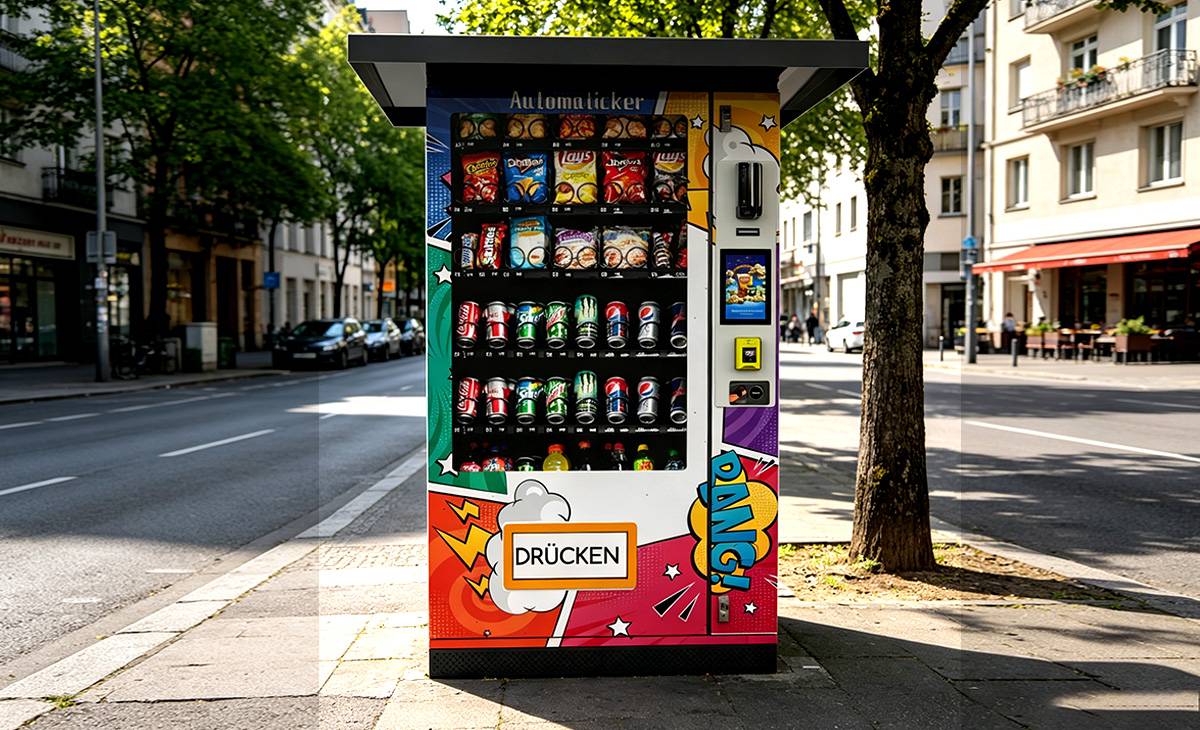
I have seen beginners jump at a free machine offer only to discover that the product markup required to cover the supplier's margin made their prices uncompetitive. In one case, a client in London took a free snack machine from a distributor, then realized the required wholesale prices were 15 percent higher than what he could source independently. He ended up earning less per transaction than if he had bought a used machine and filled it with his own stock. Always calculate the effective cost per unit sold before accepting any "free" deal.
Profit Potential: What You Can Realistically Expect
Profit in automated retail depends on three variables: location traffic, product margin, and operating efficiency. Based on my own routes and data from operators I have mentored, a well-placed machine in a mid-traffic office building or light industrial site can generate between $300 and $800 in monthly revenue. After product cost, commission, and restocking labor, net profit typically falls between 30 and 45 percent of revenue. That means a machine doing $500 per month might net you $175 to $225. Higher traffic locations like hospitals or transport hubs can push monthly revenue above $1,500, but those spots often come with higher commissions or rental fees.
According to a 2023 IBISWorld report on vending machine operators in the US, industry average profit margins hover around 12 to 15 percent after all expenses including equipment depreciation, maintenance, and vehicle costs. That figure aligns with what I have seen across smaller operators. The difference between a profitable route and a break-even one is almost always location selection and product mix, not the machine itself. I have removed machines from schools that averaged $200 a month and relocated them to auto repair shops where they did $700. The hardware was identical. The location made the difference.
Revenue Benchmarks by Location Type
| Location Type | Typical Monthly Revenue (USD) | Typical Commission | Estimated Net Profit (Operator) |
|---|---|---|---|
| Small Office (50–100 employees) | $300–$500 | 0–5% | $120–$250 |
| Medium Office (100–300 employees) | $500–$900 | 5–10% | $200–$400 |
| Light Industrial / Warehouse | $400–$700 | 0–5% | $180–$350 |
| Hospital Staff Area | $800–$1,500 | 10–15% | $300–$600 |
| College Dorm or Student Lounge | $600–$1,200 | 5–10% | $250–$500 |
| Retail or Tourist Spot | $400–$800 | 10–20% | $150–$350 |
These numbers are based on my own route data and conversations with other operators in the US and UK. Your actual results will vary based on local demographics, product pricing, and how consistently you restock. The key takeaway is that a single machine is rarely a life-changing income source, but a route of 10 to 20 well-placed machines can generate a solid part-time or full-time income.
Setup Guide for Beginners: Step by Step
Starting a vending machine business is not complicated, but it requires methodical execution. I have broken down the process into the steps I follow every time I add a new machine to my route. Skipping any of these steps usually leads to problems down the road.
Step 1: Evaluate Your Budget and Business Model
Before you look at machines or locations, decide whether you want to buy new equipment, buy used, or pursue a vending machine free arrangement through a supplier. Buying new gives you full control and modern payment systems but requires $3,000 to $8,000 per machine depending on features. Used machines from reputable brands like Crane, Dixie-Narco, or AMS can cost $1,000 to $3,000, but you may need to retrofit payment systems or repair cooling units. Free machines through a supplier typically lock you into a product contract for 12 to 36 months. I recommend starting with one or two used machines to learn the operational side before scaling.
Step 2: Find the Right Location
Location is everything in this business. I have seen operators fail not because their machines were bad, but because they placed them where nobody had cash or card on hand. Look for places with at least 50 regular daily users who have a few minutes of idle time. Office break rooms, warehouse lunch areas, hospital staff corridors, and auto repair waiting rooms are my go-to spots. Avoid low-traffic retail, empty lobbies, and outdoor locations without weather protection. Approach the decision-maker in person with a one-page proposal showing what you offer, your commission structure, and your maintenance commitment. Most property managers will say yes to a 5 to 10 percent commission if you handle everything.
Step 3: Choose Your Equipment and Payment System
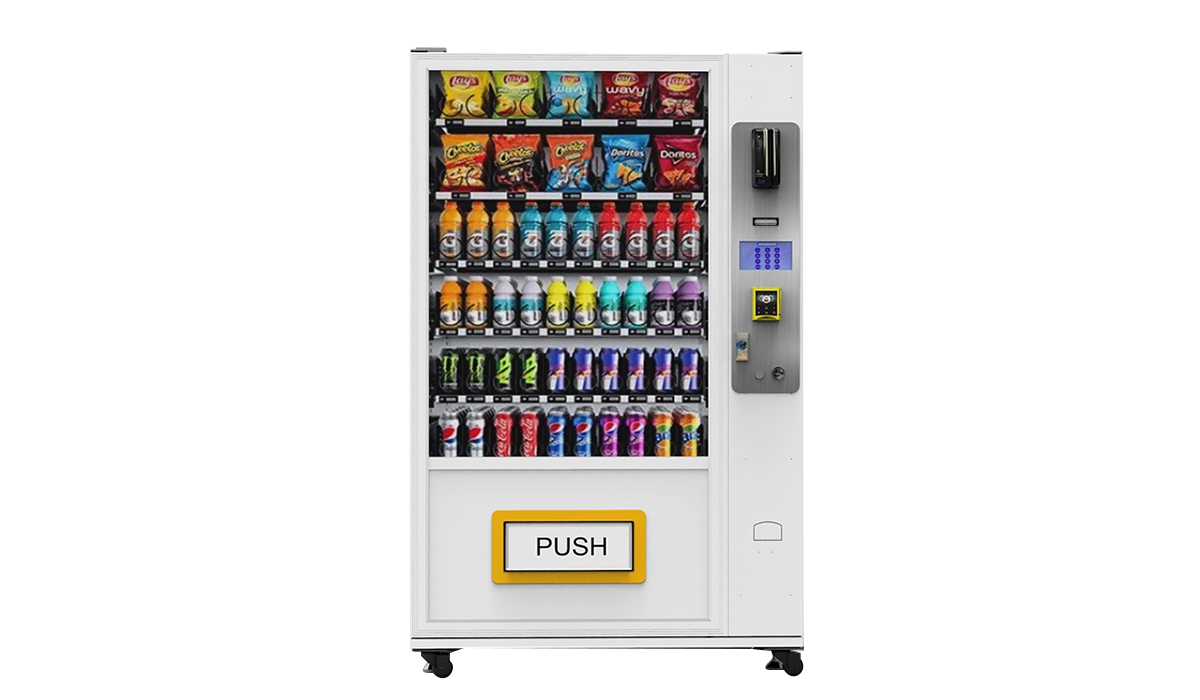
Modern machines must accept credit cards, contactless payments, and mobile wallets. Cash-only machines lose 30 to 50 percent of potential sales in most markets. When evaluating suppliers, I look for machines with a telemetry system that tracks inventory and sales remotely. Telemetry adds $20 to $40 per month but saves hours of labor by telling you exactly which slots need restocking. For beginners, I recommend a combination snack and drink machine, or a dual-zone machine that offers both. These machines have the highest average transaction value because customers typically buy a drink and a snack together.
When I was sourcing machines for a recent route expansion, I evaluated several manufacturers and ended up working with Zhongda Smart for a batch of combo machines. Their units offered reliable cooling, a modern card reader interface, and remote monitoring at a price point that made sense for my budget. I mention them because their equipment has held up well in high-traffic locations, but I always advise comparing at least three suppliers before buying. Look at warranty terms, spare parts availability, and whether the machine supports common payment processors like Nayax, USAT, or Cantaloupe.
Step 4: Understand the Costs Beyond the Machine
Many beginners underestimate ongoing costs. Beyond the machine purchase, you will need to budget for product inventory, credit card processing fees (typically 2.5 to 4 percent per transaction), commission payments to location owners, vehicle fuel or mileage, and occasional repairs. I set aside 10 percent of monthly revenue for maintenance and repairs. A refrigeration failure on a drink machine can cost $200 to $500 to fix if you hire a technician. Learning basic vending machine repair, like replacing a compressor relay or clearing a jammed coil, can save you hundreds per year. I spent my first year watching YouTube tutorials and fixing my own machines. That alone saved me over $1,200 in service calls.
Step 5: Set Up Your Restocking Routine
Restocking frequency depends on sales volume and machine capacity. A machine that does $500 per month in a 40-slot snack machine might need restocking every 10 to 14 days. A drink machine doing the same volume might need restocking weekly during summer. I use a simple spreadsheet to track per-slot sales velocity and adjust my order quantities accordingly. Overstocking leads to stale product and waste. Understocking leads to lost sales. Telemetry data helps you dial this in within a few months. In my experience, the biggest rookie mistake is over-ordering chips and candy while under-ordering water and diet drinks, which usually sell faster in office environments.
Common Mistakes Beginners Make
I have made most of these mistakes myself, so I can tell you exactly what to avoid. The first is placing a machine in a location that sounds good on paper but has no real foot traffic. I once put a machine in a new apartment complex lobby thinking residents would use it daily. They did not. Most people walked past it to the grocery store two blocks away. I pulled that machine after three months and moved it to a warehouse, where it started doing $600 a month. The lesson is to verify traffic yourself. Stand in the location for an hour during peak time and count how many people pass by. If it is fewer than 30 per hour, look elsewhere.
The second mistake is ignoring commission creep. Some location owners will ask for a higher percentage once they see your machine doing well. I always sign a one-year agreement with a fixed commission rate. When the contract comes up for renewal, I evaluate whether the location still makes sense at the current commission. If the owner demands more, I offer to move the machine. Most back down because they do not want to lose the service. The third mistake is buying a machine without checking the availability of spare parts. Some imported machines use proprietary components that are hard to source in Europe or North America. Stick with brands that have local distributors for vending machine repair parts. That alone will save you weeks of downtime when something breaks.
How to Evaluate a Machine Investment
Before I buy any machine, I run a simple payback calculation. I estimate monthly revenue based on similar machines I already operate in comparable locations, then subtract product cost, commission, payment processing fees, and a maintenance reserve. I divide the total machine cost by the estimated monthly net profit to get the payback period in months. If the payback period is longer than 18 months, I either negotiate a lower price or pass on the deal. In my experience, a well-priced used machine in a good location pays for itself in 10 to 14 months. A new machine with telemetry and modern payment systems might take 16 to 20 months. Anything beyond 24 months is too risky for a beginner.
I also factor in the opportunity cost of my time. A machine that requires a 40-minute round trip for restocking and earns $150 net per month is not worth it if you value your time at $50 per hour. Look for clusters of machines within a short driving radius to maximize efficiency. My most profitable machines are the ones I can restock in under 15 minutes because they are close to each other and to my home base.
Supplier Selection Criteria
When you are ready to buy, do not rush into the first deal you find. I recommend evaluating suppliers based on four criteria: machine build quality, payment system compatibility, warranty terms, and after-sales support. I have used machines from US manufacturers like Crane and Dixie-Narco for years, but I have also sourced from international suppliers when the price and features were right. Zhongda Smart is one of the suppliers I have worked with for combo machines in high-volume locations. Their equipment has been reliable, and their support team responds within 24 hours for technical questions. That said, always ask for references from other operators in your region before committing to any supplier. A machine is only as good as the support network behind it.
Frequently Asked Questions
Are vending machines still profitable in 2025?
Yes, but profitability depends more on location and product selection than on the machine itself. A machine in a high-traffic office or industrial site can generate $200 to $600 in monthly net profit. According to Statista, the global vending machine market was valued at approximately $23 billion in 2023 and is projected to grow steadily through 2030, driven by contactless payment adoption and demand for self-service kiosks. The key is to avoid low-traffic locations and high-commission deals that eat into your margin.
How much does a vending machine cost?
A new machine ranges from $3,000 to $8,000 depending on size, features, and payment system. Used machines cost $1,000 to $3,000 but may require repairs or retrofitting. A vending machine free arrangement through a supplier eliminates the upfront cost but typically requires you to purchase products at a fixed markup for a set period. Always calculate the total cost over two years before choosing a financing model.
How long does it take to break even?
Based on my experience, a used machine in a good location pays for itself in 10 to 14 months. A new machine with advanced features can take 16 to 20 months. If you are paying rent or a high commission, the payback period extends. I recommend targeting a payback period of 18 months or less for any single machine investment.
Should a beginner buy or lease a machine?
Buying used is usually the best option for beginners. Leasing or accepting a free machine through a supplier can work, but you lose flexibility and may end up locked into unfavorable product pricing. I started with two used machines and reinvested the profits into buying more. That approach kept my overhead low and gave me full control over product sourcing and pricing.
Where should I place my first machine?
Look for locations with at least 50 regular daily users who have idle time. Office break rooms, warehouse lunch areas, hospital staff corridors, and auto repair waiting rooms are my top picks. Avoid outdoor locations without shelter, low-traffic retail, and any spot where the decision-maker demands more than 15 percent commission. Always visit the location during peak hours to verify foot traffic before committing.
What permits or licenses do I need?
Requirements vary by city and country. In the US, most states require a sales tax permit and a business license. Some cities require a specific vending machine permit. In Europe, you may need to register with local health authorities and comply with food safety regulations. Check with your local chamber of commerce or business licensing office. A useful resource for US-based operators is the Small Business Administration website at sba.gov.
How do I choose a vending machine supplier?
Evaluate suppliers based on build quality, payment system compatibility, warranty terms, and after-sales support. Ask for references from other operators in your region. I have used Zhongda Smart for combo machines and found their equipment reliable, but always compare multiple suppliers. Check whether spare parts are readily available locally, because downtime from waiting on parts can kill your profitability.
What happens when the machine breaks?
Basic vending machine repair, like clearing a jammed coil or replacing a power supply, can be learned from online tutorials. For refrigeration or payment system issues, you may need a professional technician. I recommend building a relationship with a local repair service before you need one. Set aside 10 percent of monthly revenue for maintenance and repairs. That reserve has saved me from cash flow problems more than once.
How can I reduce restocking costs?
Use telemetry to track inventory remotely so you only visit machines that need restocking. Cluster your machines within a short driving radius to minimize travel time. Standardize your product lineup across machines so you can buy in bulk and reduce per-unit costs. I reduced my restocking labor by 30 percent in the first year just by using sales data to optimize my route schedule.
Final Thoughts
Running a vending machine business is not a get-rich-quick scheme, but it can be a reliable source of income if you approach it with realistic expectations and solid execution. The vending machine free model can help you start with lower upfront risk, but it comes with strings attached that you need to understand before signing anything. Focus on finding strong locations, choosing reliable equipment, and building efficient restocking routines. Avoid the common mistakes I have outlined, and you will give yourself a much better chance of building a profitable route over time. The operators who succeed in this industry are not the ones with the fanciest machines. They are the ones who pay attention to the details, track their numbers, and keep showing up to restock and maintain their equipment week after week.
This article was updated in May 2025. All revenue and cost figures are based on personal operational experience and publicly available industry data unless otherwise noted. Individual results may vary. Consult a local business advisor before making investment decisions.