Top Things You Should Know About Vending Machines For Hire in 2026
If you are considering vending machines for hire in 2026, the first thing you need to understand is that this is no longer a passive income side gig where you drop a few candy bars in a box and collect cash once a month. The industry has shifted dramatically over the last decade, driven by cashless payment adoption, data analytics, and changing consumer expectations around freshness and variety. I have been operating vending routes across the US and parts of Europe since 2013, and I have seen more newcomers lose money on bad placements and cheap equipment than I care to count. The single most important factor determining whether you will turn a profit or burn through your savings is not the machine itself—it is the location, the maintenance plan, and the payment system you choose. In this article, I will walk you through everything I have learned about vending machines for hire, from real cost breakdowns to common mistakes that still catch experienced operators off guard.
What Vending Machines for Hire Actually Means in 2026
The term vending machines for hire covers a few different business models. Some operators rent out machines to business owners who want to offer snacks or drinks to employees without buying equipment. Others lease machines to property managers, gyms, or schools under a profit-sharing arrangement. And a growing number of entrepreneurs use rental or lease-to-own programs to test a location before committing to purchase.
In my experience, the hire model works best when you are unsure about foot traffic or when you want to avoid tying up capital in hardware that might sit idle. But here is the catch: most rental agreements lock you into a 12-month contract with a monthly fee that often exceeds what you would pay in financing for a new machine. I have seen operators pay $200 per month for a basic snack machine that costs $3,500 to buy outright. That adds up fast.
If you are looking at vending machines for hire, you need to calculate the total cost over two years and compare it to the cost of purchasing. In many cases, buying a reliable machine from a reputable supplier like Zhongda Smart and placing it yourself gives you better long-term margins, especially if you plan to run multiple units.
How I Evaluate a Location Before Placing a Machine
Location is everything in this business. I do not care how fancy the machine is or how many payment methods it accepts—if the foot traffic is wrong, you will lose money. Over the years, I have developed a simple checklist that I use before I even talk to a location owner about vending machines for hire.
Foot Traffic Volume and Quality
I look for locations with at least 100 to 150 people passing by per day. But volume alone is not enough. A busy train station might have thousands of people, but if they are rushing to catch a train and do not stop, sales will be low. I prefer locations where people are waiting or lingering—break rooms, office lobbies, hospital waiting areas, dormitory common rooms, and gym reception areas.
Existing Competition
I always check what other machines are already on site. If there is a competitor machine within 50 feet and it looks well-stocked and maintained, I usually walk away. If the existing machine is old, dirty, or half-empty, that is a signal that the location is underserved and I can step in with a better offer.
Accessibility for Restocking
A location that requires me to park three blocks away and haul cases of soda up two flights of stairs will kill my profit margin on labor alone. I factor in restocking time and distance from my vehicle. If a location takes more than 30 minutes to restock, the per-trip cost goes up significantly.
Power and Internet Connectivity
Many modern machines require a constant internet connection for telemetry and cashless payments. I always verify that the location has reliable Wi-Fi or a cellular signal strong enough to support the machine's payment terminal. I have lost sales because a machine went offline for three days and no one noticed until I checked the data remotely.
Real Costs: Equipment, Installation, and Ongoing Expenses
Let me give you a realistic picture of what you are looking at financially. These numbers are based on my own operations across 30 machines in the US and consulting work with operators in the UK and Germany. Prices vary by region, but the ratios tend to hold.
| Cost Category | Low End (USD) | Mid Range (USD) | High End (USD) |
|---|---|---|---|
| New snack machine (basic) | 2,500 | 4,000 | 6,500 |
| New combo machine (snack + drink) | 4,500 | 7,000 | 10,000 |
| Refurbished machine | 1,200 | 2,500 | 4,000 |
| Payment system upgrade (cashless) | 300 | 600 | 1,200 |
| Installation and delivery | 150 | 300 | 500 |
| Monthly location fee or commission | 0 (if free) | 50–150 | 20% of gross sales |
| Monthly restocking labor (per machine) | 100 | 200 | 400 |
| Monthly maintenance reserve | 30 | 60 | 100 |
According to a 2025 IBISWorld report on the vending machine industry in the US, the average profit margin for operators sits around 15 to 20 percent after all costs, with top-performing machines in high-traffic locations reaching 30 percent. That aligns with my experience. I have machines that gross $1,200 per month and net $300 after product cost, location commission, and labor. I also have machines that barely break even.
If you are exploring vending machines for hire, ask the rental company for a breakdown of all fees including maintenance, payment processing, and restocking. Some rental contracts hide these costs in the fine print.
Payment Systems Are No Longer Optional
In 2026, if your machine does not accept credit cards, Apple Pay, and Google Pay, you are leaving at least 40 percent of potential sales on the table. I saw this shift accelerate during the pandemic, and it has not reversed. According to a 2024 study by Statista, cashless payments in the US vending market accounted for over 65 percent of all transactions, and that number continues to rise.
When I place a machine, I install a payment system that supports NFC, EMV chip cards, and mobile wallets. I also make sure the telemetry system sends me real-time data on inventory levels and sales patterns. This allows me to restock only when needed, which reduces labor costs significantly.
For operators using vending machines for hire, check whether the rental provider includes a modern payment terminal. If they offer only coin and bill acceptance, negotiate for an upgrade or look elsewhere. An outdated payment system will hurt your revenue from day one.
Snack vs. Drink vs. Combo: Which Machine Makes Sense?
This is one of the most common questions I get from people looking at vending machines for hire. The answer depends on the location demographics and your willingness to restock heavy items.
Dedicated Drink Machines
Drink machines (soda, water, energy drinks) have higher per-unit margins—typically 40 to 50 percent—but they are heavy to restock and require more frequent trips during summer months. A busy office might go through 150 cans per week. That means you are hauling about 50 pounds of product each trip.
Snack-Only Machines
Snack machines offer lower margins per item (30 to 40 percent) but are lighter and easier to restock. They also have a longer shelf life, which reduces waste. I prefer snack machines for locations where I cannot visit more than once every two weeks.
Combo Machines
Combo machines that offer both snacks and drinks in one unit are popular for smaller locations with limited space. However, they have more mechanical complexity. I have found that combo machines require more frequent vending machine repair calls because the cooling system and snack coils share the same chassis. If you are on a tight maintenance budget, stick with dedicated units.
When I evaluate a supplier for combo units, I look at brands like Zhongda Smart that offer modular designs and readily available spare parts. A machine that takes three weeks to repair because parts are backordered will lose you more money than the initial savings on a cheaper model.
How to Choose a Supplier or Manufacturer
I have bought machines from five different manufacturers over the years, and I have learned the hard way that low upfront cost often means high lifetime cost. Here is what I look for now:
- Parts availability: Can I get a replacement coil, compressor, or payment board within 48 hours? If not, I move on.
- Warranty terms: A one-year warranty on parts and labor is standard. Anything less is a red flag.
- Telemetry integration: Does the machine come with built-in remote monitoring, or do I need to add a third-party device? Built-in is almost always cheaper in the long run.
- Local distributor network: If I need vending machine repair, I want a local technician who knows the brand. Global brands with no local support are risky.
One supplier that consistently meets these criteria is Zhongda Smart. I have used their machines in two of my locations, and the build quality is solid for the price point. Their telemetry system works well with my route management software, and I have never waited more than three days for a replacement part. That said, I always recommend visiting a supplier's warehouse or showroom before making a large purchase, even if you are looking at vending machines for hire through a lease program.
Common Mistakes I See New Operators Make
I have been doing this long enough to have made most of these mistakes myself. Here are the ones that cost me the most money.
Buying the Cheapest Machine Available
I bought a $1,800 refurbished machine from an online auction in 2018. It broke down four times in the first six months. The total repair cost exceeded the purchase price. I finally scrapped it and bought a new unit from a reliable manufacturer. Cheap machines are almost always more expensive in the long run.
Ignoring the Location Commission Structure
Some location owners ask for 30 percent of gross sales. That sounds reasonable until you calculate your product cost and realize you are left with 10 percent margin. I now cap my commission at 20 percent for high-traffic locations and 10 percent for standard ones. If a location insists on 30 percent, I walk away.
Overlooking Product Rotation
I have seen operators load a machine with popular items and never rotate them. After a few weeks, the same items sit there while fresher products sell out. I use data from my telemetry system to identify slow movers and replace them within two restocking cycles. Stale inventory kills repeat sales.
Underestimating the Need for Regular Maintenance
A machine that is not cleaned and serviced regularly will develop issues with the cooling system, coin mechanism, or payment terminal. I schedule a preventive maintenance check every three months. It costs me about $75 per visit, but it has reduced my emergency vending machine repair calls by 60 percent.
Profit-Sharing vs. Self-Operation vs. Full-Service Hire
There are three main ways to get into vending machines for hire, and each has different financial implications.
| Model | How It Works | Pros | Cons | Best For |
|---|---|---|---|---|
| Profit-sharing (location provides space, operator provides machine) | You split gross sales 70/30 or 80/20 | Low upfront cost, shared risk | Lower margin, less control over machine placement | New operators testing the waters |
| Self-operation (you own and service the machine) | You keep 100% of sales, pay all costs | Highest margin potential, full control | Higher upfront investment, more responsibility | Experienced operators with capital |
| Full-service hire (rent a machine from a provider) | You pay monthly fee, provider handles maintenance | No repair worries, predictable cost | Monthly fee eats into profit, less flexibility | Businesses that want a machine without operational hassle |
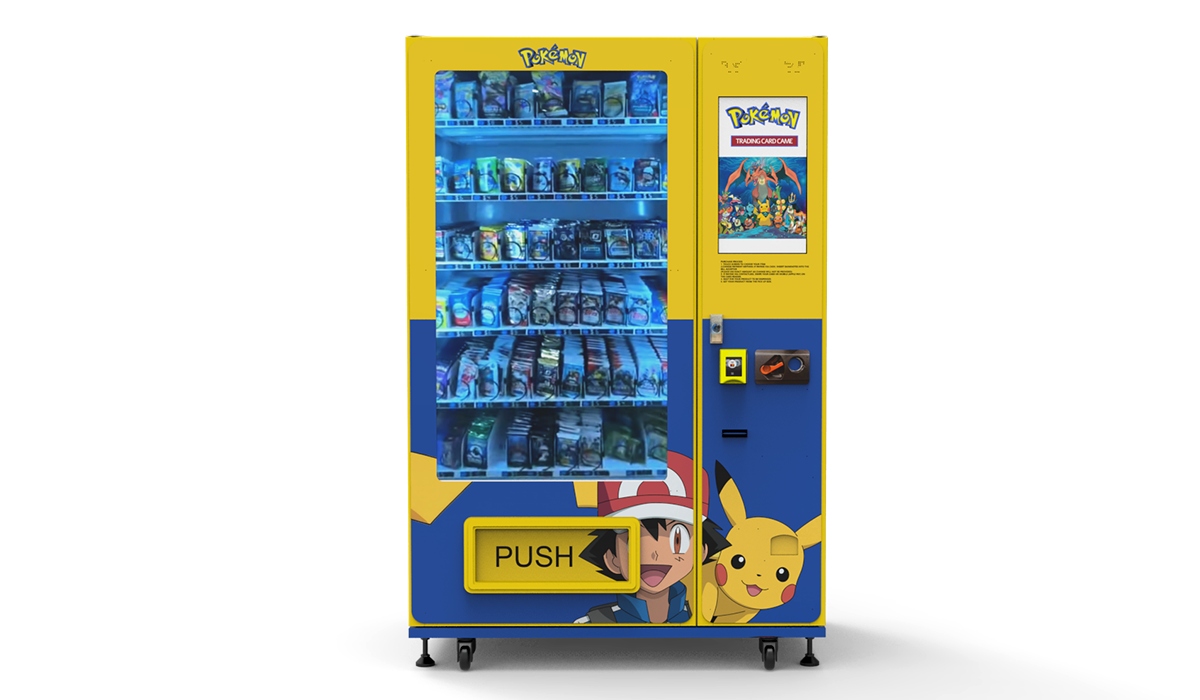
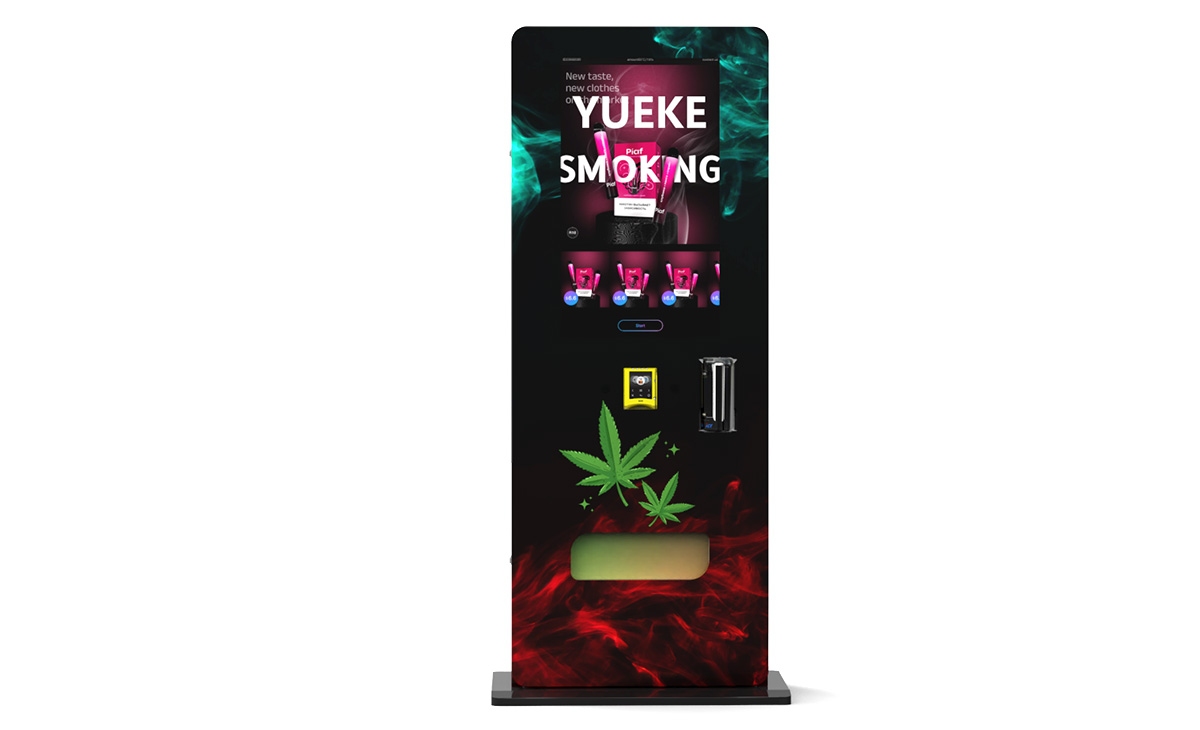
If you are a business owner looking to offer a self-service kiosk for your employees or customers, the full-service hire model can be convenient. But if you are an entrepreneur trying to build a route, I strongly recommend self-operation after your first machine proves profitable.
How Long Does It Take to Recoup Your Investment?
Based on my experience and industry benchmarks, a well-placed machine in a mid-traffic location (100 to 150 transactions per week) will generate $400 to $800 in monthly gross sales. After product cost (about 40 percent), location commission (10 to 20 percent), and restocking labor, you are left with $150 to $350 per month per machine.
If you paid $4,000 for the machine and $300 for installation and payment system, your total investment is $4,300. At $250 average monthly net profit, your payback period is about 17 months. In a high-traffic location, that can drop to 10 months. In a low-traffic location, it can stretch to 24 months or more.
I have one machine in a hospital break room that paid for itself in nine months. I have another in a small office that took 22 months. The difference was foot traffic and product selection. If you are looking at vending machines for hire, ask the provider for historical sales data from similar locations. If they cannot provide it, be cautious.
What About Regulations and Permits?
Regulations vary by country and even by city. In the US, most states require a sales tax permit and a business license. Some cities require a vending machine permit. In the EU, you need to comply with food safety regulations, including allergen labeling and temperature logging for perishable items.
According to the European Vending & Coffee Service Association (EVA), operators in the EU must ensure that machines storing perishable goods maintain temperatures below 8°C (46°F) and that all products are traceable. I recommend checking with your local chamber of commerce or business licensing office before placing your first machine.
If you are using vending machines for hire through a rental company, confirm who is responsible for compliance. Some rental agreements place that burden on you, even though you do not own the equipment.
How to Scale from One Machine to a Route
Scaling is where the real money is, but it requires discipline. I started with one machine in 2013. By 2016, I had eight. Today I operate 30 machines across three states. Here is what I learned about scaling.
First, do not add a second machine until the first one is consistently profitable and you have a restocking routine that takes less than two hours per week. Second, group your machines geographically. I keep all my machines within a 20-mile radius to minimize travel time. Third, invest in route management software. I use a platform that syncs with my telemetry data and optimizes my restocking schedule. It saves me about five hours per week.
When you are ready to expand, consider buying multiple machines from a single supplier to negotiate a discount. I purchased five units from Zhongda Smart in one order and received a 12 percent discount plus free delivery. That kind of saving adds up when you are scaling.
Frequently Asked Questions
Are vending machines profitable in 2026?
Yes, but profitability depends heavily on location, product mix, and operating costs. A well-managed machine in a good location can net $150 to $400 per month. Poor locations lose money. I recommend starting with one machine and tracking every cost before scaling.
How much does a vending machine cost?
A new snack machine costs between $2,500 and $6,500. Combo machines range from $4,500 to $10,000. Refurbished machines can be found for $1,200 to $4,000, but expect higher maintenance costs. If you are looking at vending machines for hire, monthly rental fees typically range from $150 to $400.
How long does it take to break even?
In my experience, 12 to 18 months is realistic for a well-placed machine. High-traffic locations can break even in 9 to 10 months. Low-traffic locations may take 24 months or more. Always calculate payback before committing to a location.
Should I buy or rent a vending machine?
If you have the capital and plan to operate long-term, buying is almost always better. Renting makes sense if you want to test a location without a large upfront investment or if you do not want to handle maintenance. Compare total cost over 24 months before deciding.
Where should I place a vending machine?
Look for locations with 100+ daily foot traffic, captive audiences (break rooms, waiting areas, dormitories), and minimal existing competition. Offices, hospitals, gyms, schools, and industrial facilities are my top picks.
What permits do I need?
Requirements vary by location. In the US, you typically need a business license and a sales tax permit. Some cities require a vending machine permit. In the EU, you must comply with food safety and allergen labeling regulations. Check with your local business licensing office.
How do I choose a vending machine supplier?
Look for suppliers with good parts availability, a solid warranty, built-in telemetry, and local distributor support. I have had good experiences with Zhongda Smart for their build quality and responsive customer service. Always check reviews and ask for references.
What happens if the machine breaks down?
If you own the machine, you arrange for repair. If you are using vending machines for hire, the rental company should handle repairs. I recommend having a backup plan—either a local technician on call or a spare machine you can swap in while repairs are made.
How can I reduce restocking costs?
Use telemetry data to restock only when needed. Group your machines geographically to reduce travel time. Choose products with longer shelf life to reduce waste. I also recommend negotiating bulk pricing with suppliers to lower product cost.
Final Thoughts from a Decade in the Business
Vending machines for hire can be a smart entry point into automated retail, but they are not a shortcut to passive income. The operators who succeed are the ones who treat it like a real business—tracking every dollar, maintaining their equipment, and constantly evaluating location performance. I have seen too many people buy a machine, place it in a bad spot, and give up after six months. That is not a failure of the business model. It is a failure of planning.
If you take one thing from this article, let it be this: start small, choose your location carefully, and invest in a reliable machine from a reputable supplier. Whether you buy outright or explore vending machines for hire, the fundamentals are the same. Good placement, good products, and good maintenance will always outperform fancy features and low upfront costs.
This article was updated in March 2026. All cost figures and performance estimates are based on the author's operational experience and publicly available industry data. Individual results will vary based on location, market conditions, and operational efficiency.