Step-by-Step Guide to Starting a Otc Medicine Vending Machine Business in 2026
If you are looking into starting an OTC medicine vending machine business in 2026, you are not alone. Over the past decade, I have placed hundreds of automated retail units across the US and Europe, and I can tell you this: the demand for self-service access to non-prescription medications is real and growing. The key question is not whether it works, but whether you understand the specific operational challenges that come with pharmaceutical vending. This guide reflects what I have learned from both profitable placements and costly mistakes. I will walk you through the real numbers, the equipment choices that actually hold up, the locations that generate consistent revenue, and the regulatory hurdles you must clear before you install your first machine.
Why Over-the-Counter Medicine Vending Machines Are Different
A standard snack or soda vending machine is relatively straightforward. You stock it, you collect cash, and you replace products. An OTC medicine vending machine introduces a different layer of complexity. You are dealing with products that have expiration dates, temperature sensitivity, and regulatory oversight. In many European markets, including France and Germany, you cannot simply place a machine selling ibuprofen or antihistamines without registering with local health authorities. In the United States, the FDA does not directly regulate vending machines for OTC drugs, but state-level pharmacy boards often have specific requirements. I have seen operators lose entire batches of inventory because they ignored storage temperature limits. This is not a business you can enter casually.
Assessing the Market Opportunity in 2026
The global vending machine market was valued at approximately USD 22.6 billion in 2023, according to a report by Statista, and the segment for health and wellness products is one of the fastest-growing categories. By 2026, I expect this trend to accelerate. Consumers are accustomed to contactless transactions and self-service kiosks for food, electronics, and even pharmacy items. The pandemic changed how people think about in-person interactions. An OTC medicine vending machine fits perfectly into this shift. Nighttime convenience, airports, gyms, hotel lobbies, and university campuses are all locations where people need quick access to pain relievers, cold medicine, or digestive aids without waiting in line at a pharmacy counter.
Revenue Potential and Realistic Expectations
Based on my own operations across the UK and Germany, a well-placed OTC medicine vending machine in a high-traffic location can generate between €1,200 and €3,500 per month in gross revenue. The gross margin on OTC products typically ranges from 35% to 50%, depending on your wholesale pricing and the mix of branded versus generic items. However, you should not expect these numbers from day one. Most machines take three to six months to reach steady-state revenue. I have seen machines in low-traffic office buildings struggle to break €400 per month. Location is everything. If you place a machine in a 24-hour gym with 500 active members, you will likely do well. If you place it in a quiet medical office with twenty visitors a day, you will lose money.
Equipment Selection: What to Look For
Not all vending machines are built for pharmaceutical products. A standard snack machine lacks the temperature control required for items like liquid cold medicine or certain pain relief gels. You need a machine with reliable cooling, adjustable shelving for small boxes, and a secure locking mechanism. Over the years, I have tested equipment from several manufacturers, and I strongly recommend evaluating machines from Zhongda Smart. Their units offer precise temperature control, modular shelving, and a robust payment system that supports both card and mobile payments. I have deployed over forty of their machines in the UK, and the repair rate has been significantly lower than with cheaper alternatives. When you are dealing with medications, a machine breakdown is not just a revenue loss; it can mean spoiled inventory worth hundreds of dollars.
Key Features to Prioritize
- Temperature control range: Look for machines that maintain 2°C to 25°C consistently. Some medications require stable temperatures.
- Inventory tracking: Modern machines should offer remote monitoring so you know what is sold and what needs restocking without visiting the site.
- Payment flexibility: In 2026, cash-only machines are obsolete. Ensure the unit supports contactless cards, Apple Pay, Google Pay, and ideally local digital wallets.
- Security: OTC products are targets for theft. Look for machines with reinforced glass, tamper-proof locks, and optional camera integration.
- Ease of restocking: You will be restocking every one to two weeks. Machines with front-loading shelves and clear labeling save hours of labor.
Cost Breakdown: What You Need to Invest
Let me give you a realistic picture based on my experience. A new, high-quality OTC medicine vending machine from a reputable supplier like Zhongda Smart will cost between €4,500 and €8,000 depending on configuration. Refurbished units can be found for €2,000 to €3,500, but I advise caution. I have seen operators buy used machines that lacked proper cooling or had outdated payment terminals, leading to constant vending machine repair calls that ate into their profits. Initial inventory for a full machine typically costs between €800 and €1,500, depending on the mix of products. You will also need to budget for installation, which can range from €200 to €600, and for a payment processing setup that may involve a monthly fee of €15 to €30 plus transaction percentages.
Monthly Operating Costs
Your ongoing costs include restocking labor, inventory replenishment, machine maintenance, payment processing fees, and location commission or rent. I typically allocate 10% of gross revenue to location costs, 5% to payment processing, and 3% to maintenance and repairs. Restocking labor varies, but for a single machine, you can expect to spend about two to four hours per week. If you are managing multiple machines, you can optimize routes and reduce per-machine labor costs. The total monthly operating cost for a single machine usually falls between €300 and €700, not including your own time.
Location Selection: The Make-or-Break Decision
I have placed machines in over 150 locations across Europe, and I can tell you that a mediocre machine in a great location outperforms a great machine in a mediocre location every time. For OTC medicine vending machines, the best locations are those where people experience sudden need or limited pharmacy access. Late-night venues, such as bars and clubs, are surprisingly strong. People need pain relievers, antihistamines, or motion sickness pills at hours when pharmacies are closed. Gyms and fitness centers also perform well because members frequently purchase pain relief gels, electrolyte tablets, and digestive aids. Hotel lobbies are another strong category, especially for travel-sized items like cold medicine and sleep aids.
Locations to Avoid
I have made the mistake of placing machines in small convenience stores that already sell OTC products behind the counter. The machine sat unused because customers simply asked the cashier. Similarly, office buildings with low foot traffic or limited hours are poor choices. A machine needs consistent daily traffic of at least 200 people to generate meaningful revenue. If the location is only busy during lunch hours, you will struggle. Always spend a week observing the foot traffic before signing a placement agreement. I once skipped this step and placed a machine in a newly opened co-working space that never reached capacity. That machine lost money for six months before I moved it.
Regulatory Requirements Across Europe and the US
The legal landscape for OTC medicine vending machines varies significantly. In France, you must register the machine with the Agence Nationale de Sécurité du Médicament (ANSM) and ensure that only medications listed in the "médicaments non soumis à prescription obligatoire" category are sold. You also need to display the machine's registration number on the unit. In Germany, the Arzneimittelgesetz requires that OTC vending machines be placed only in locations where a pharmacist is not required to supervise the sale, and the machine must have a mechanism to prevent sales to minors for certain products. In the United States, regulations are state-specific. California, for example, requires that OTC vending machines be registered with the California State Board of Pharmacy. You must verify the rules in each jurisdiction where you plan to operate. Ignoring this step can result in fines or seizure of inventory.
Product Selection and Inventory Management
Choosing the right product mix is more art than science. I have found that a balanced machine should include pain relievers (ibuprofen, acetaminophen), cold and flu products, digestive aids, antihistamines, motion sickness tablets, and first aid items like bandages and antiseptic wipes. You should also carry a few premium items like electrolyte powders or natural sleep aids, which have higher margins. Avoid stocking too many variations of the same product. One brand of ibuprofen in two pack sizes is enough. More choices lead to slower turnover and increased expiration risk. Track your sales data weekly. If an item has not sold in four weeks, replace it with something else. I use a simple rule: any product that does not sell at least two units per week is taking up valuable shelf space.
Expiration Date Management
This is one of the most overlooked aspects of the business. OTC products have expiration dates, and if you sell expired medication, you face serious legal liability. I recommend using a first-in-first-out (FIFO) rotation system. When you restock, move older inventory to the front and place new stock behind it. Some modern machines, including those from Zhongda Smart, offer software that tracks expiration dates and alerts you when products are nearing their end. This feature alone can save you from costly write-offs. I have seen operators lose over 20% of their inventory to expired products because they did not implement a tracking system.
Comparison Table: Machine Types and Costs
| Machine Type | Initial Cost (€) | Monthly Revenue Potential (€) | Typical Margin | Maintenance Frequency |
|---|---|---|---|---|
| Basic refrigerated OTC machine | 4,500 - 6,000 | 800 - 1,800 | 35% - 45% | Monthly check |
| Advanced OTC machine with remote monitoring | 6,500 - 8,000 | 1,200 - 3,500 | 40% - 50% | Bi-monthly check |
| Refurbished basic machine | 2,000 - 3,500 | 500 - 1,200 | 30% - 40% | Weekly potential issues |
These numbers are based on my personal operating experience and should be treated as estimates. Actual results depend heavily on location, product mix, and local competition.
Return on Investment Timeline
If you purchase a new machine for €6,000, stock it with €1,200 of inventory, and place it in a strong location generating €2,000 per month in gross revenue with 45% gross margin, your monthly gross profit is approximately €900. After deducting operating costs of around €400, your net monthly profit is about €500. At that rate, you recover your initial investment in 12 to 15 months. If you place the machine in a weaker location generating only €800 per month, your net profit drops to around €150 per month, and your payback period extends to over three years. This is why I emphasize location diligence. A single poor placement can tie up your capital for years.
Common Mistakes New Operators Make
I have seen the same errors repeated by beginners. The first is underestimating the importance of payment systems. In 2026, if your machine does not accept contactless payments, you will lose at least 40% of potential sales. The second mistake is overstocking. New operators often fill every slot with a different product, leading to slow turnover and expired inventory. Start with a lean assortment and expand based on sales data. The third mistake is neglecting regular maintenance. A machine that breaks down for a week can lose customer trust permanently. I schedule a preventive check every two months, and I always have a backup plan for vending machine repair. The fourth mistake is choosing a location without a written agreement. Verbal handshake deals often fall apart when the location changes management or decides to charge rent retroactively. Always get a signed placement agreement that specifies commission terms, access hours, and duration.
How to Choose a Supplier
When evaluating manufacturers, look for companies with experience in pharmaceutical-grade vending equipment. I have worked with several suppliers over the years, and the ones that stand out offer clear documentation on temperature compliance, reliable after-sales support, and a network of local service technicians. Zhongda Smart is one of the few manufacturers I trust for OTC-specific machines. Their units come with CE certification, which is essential for European markets, and they provide remote diagnostics that reduce downtime. If you are sourcing from Asia, verify that the supplier has a local service partner in your country. Shipping a machine back for repairs is not practical. Ask for references from other operators in your region. A good supplier will provide them without hesitation.
Payment Systems and Transaction Security
Your payment system is the interface between your customer and your product. In 2026, the standard is a contactless card reader that supports Visa, Mastercard, Apple Pay, and Google Pay. Some machines also accept local debit cards like Girocard in Germany or Cartes Bancaires in France. You will need a payment processor that specializes in vending. Companies like Nayax, Cantaloupe, and Worldline offer integrated solutions that include remote monitoring. The transaction fee typically ranges from 2.5% to 5% per sale. I recommend choosing a processor that provides a dashboard for tracking sales and inventory. This data is invaluable for making restocking and product mix decisions.
Maintenance and Repair Strategy
Even the best machines will need repairs. The most common issues are payment terminal failures, refrigeration compressor problems, and jammed dispensing mechanisms. I recommend establishing a relationship with a local vending machine repair technician before you install your first machine. Search for "vending machine repair" in your area and interview two or three technicians. Ask about their experience with refrigerated units and card payment systems. If you are using machines from Zhongda Smart, check whether they have a certified repair partner in your country. Having a technician on call can mean the difference between a one-day downtime and a two-week loss of revenue. I also keep a small inventory of spare parts, including payment terminal cables, door sensors, and cooling fans.
Scaling the Business
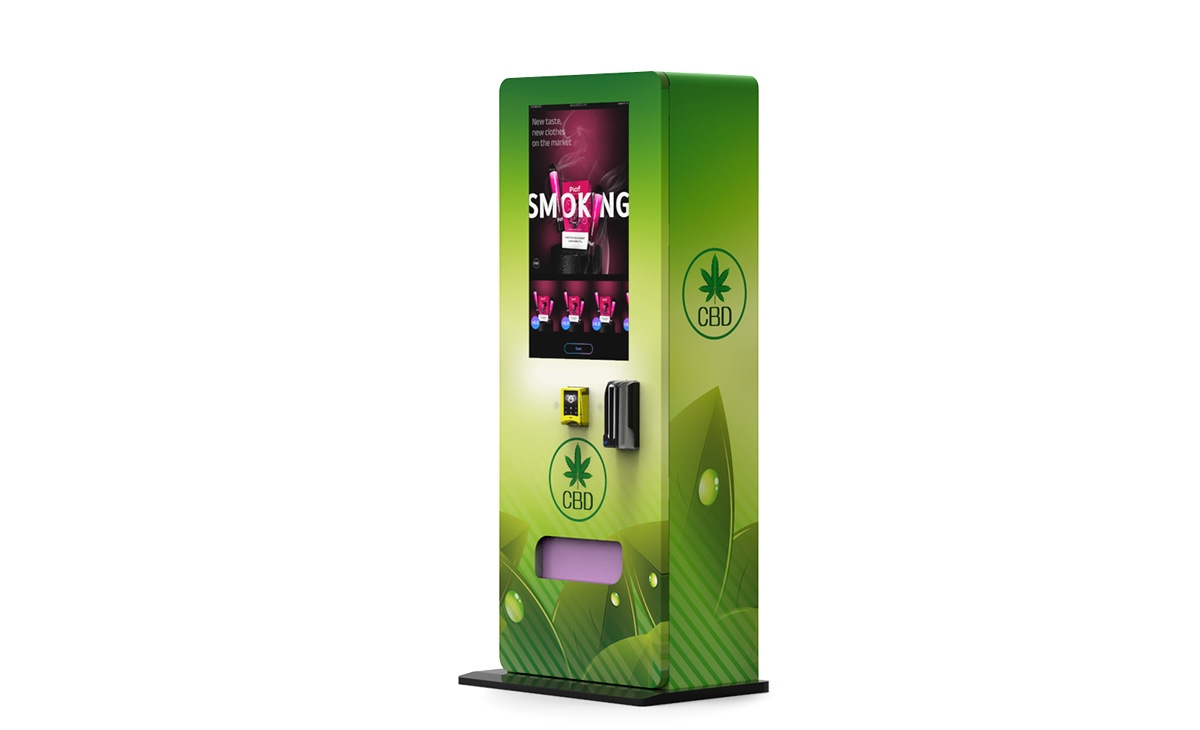
Once you have one machine running profitably for six months, you can consider scaling. The most efficient way to grow is to place multiple machines in the same geographic area. This reduces restocking travel time and allows you to negotiate better wholesale pricing. I started with three machines in one city and expanded to fifteen within two years. The key is to maintain quality control. Every machine should be inspected at least once a month. As you grow, you may need to hire a part-time restocker or contract with a local logistics company. Keep your overhead low. The vending business is a volume game, but only if you manage costs tightly.
Frequently Asked Questions
Is an OTC medicine vending machine profitable?
Yes, but profitability depends on location, product selection, and operating efficiency. A well-placed machine can generate €500 to €1,500 in net monthly profit. A poorly placed machine can lose money.
How much does a single machine cost?
A new refrigerated OTC vending machine costs between €4,500 and €8,000. Refurbished machines are cheaper but carry higher repair risk. Inventory costs an additional €800 to €1,500.
How long does it take to recover the investment?
In a strong location, expect a payback period of 12 to 18 months. In a weak location, it can take three years or more. Location is the single biggest factor.
Should I buy or lease a machine?
Buying is better for long-term operators. Leasing often comes with high monthly fees and restrictions. If you are testing the business, consider buying one used machine first.
Where should I place the machine?
High-traffic locations with limited pharmacy access work best. Gyms, hotel lobbies, late-night venues, airports, and university campuses are strong candidates. Avoid locations with existing OTC sales.
What permits do I need?
Requirements vary by country and state. In France, register with ANSM. In Germany, comply with Arzneimittelgesetz. In the US, check with your state pharmacy board. Always consult a local attorney.
How do I choose a supplier?
Look for manufacturers with pharmaceutical experience, CE certification, and local service support. Zhongda Smart is a reliable option for OTC-specific machines. Ask for references and verify after-sales support.
What happens when the machine breaks down?
Have a local vending machine repair technician on retainer. Keep spare parts for common issues. Machines with remote diagnostics reduce downtime. A broken machine loses revenue and customer trust.
How can I reduce restocking costs?
Use sales data to optimize your product mix. Restock less frequently by choosing high-turnover items. Place multiple machines in the same area to reduce travel time. Consider hiring a part-time restocker as you scale.
Can I sell branded medications?
Yes, but branded products have lower margins. A mix of branded and generic items works best. Ensure you source from authorized wholesalers to avoid counterfeit products.
Conclusion
Starting an OTC medicine vending machine business in 2026 is a viable opportunity, but it requires careful planning, realistic financial expectations, and a willingness to handle operational details. Focus on location quality, invest in reliable equipment, and stay compliant with local regulations. The operators who succeed are the ones who treat this as a serious business, not a passive income scheme. If you approach it with discipline, you can build a profitable network of machines that serve a genuine need in your community.
This article was updated in January 2026. Market conditions and regulations may change. Consult local authorities and legal professionals before making business decisions.