Vending Machines For Hospitals_ Prices, Profit Potential, and Setup Guide for Beginners
If you are considering placing vending machines for hospitals, the first question is always whether the location justifies the investment. After a decade in this business across the U.S. and parts of Europe, I can tell you that hospital cafeterias, visitor lobbies, and staff break rooms are among the most reliable high-traffic environments you can find. People need snacks, drinks, and basic toiletries at all hours, and hospital gift shops often close by 8 PM. That gap is where vending machines for hospitals generate consistent revenue. But not every machine or product mix works, and the upfront costs vary significantly depending on whether you buy new, used, or lease. In this guide, I will share what I have learned about pricing, profit margins, equipment selection, and the practical steps to get started.
Why Hospitals Are a Strong Location for Vending Machines
Hospitals operate 24/7, and so does the demand for convenience. Visitors waiting in emergency rooms, nurses on night shifts, and patients with dietary restrictions all need access to food and drinks outside of cafeteria hours. In my experience, a well-placed machine in a hospital lobby can generate between $800 and $2,500 per month in revenue, depending on foot traffic and product selection. The key is understanding that hospital vending is not the same as office or school vending. You are serving a more diverse audience with specific needs, including sugar-free, gluten-free, and low-sodium options.
Foot Traffic and Operating Hours
Hospitals see a constant flow of people, but not all areas are equal. Entrance lobbies, outpatient waiting areas, and staff break rooms perform best. I have seen machines placed near maternity wards do well with coffee and healthy snacks, while machines near emergency departments sell more bottled water and energy bars. The average hospital in the U.S. sees over 200,000 outpatient visits per year, according to the American Hospital Association, and that does not include staff and visitors. That volume creates a steady need for self-service retail.
Product Mix Matters More Than You Think
Standard candy bars and soda might work in a warehouse, but hospitals require a more thoughtful approach. Many hospitals have wellness policies that limit sugary drinks and high-calorie snacks. I have had to swap out entire product lines after a hospital administration review. Smart operators stock a mix of bottled water, unsweetened iced tea, protein bars, nuts, dried fruit, and even fresh sandwiches if the machine supports refrigeration. The profit margin on healthier items is often lower, but the volume can be higher because there is less competition from the cafeteria.
Understanding the Costs: Equipment, Installation, and Maintenance
The cost of vending machines for hospitals varies widely based on type, features, and condition. A basic snack machine can cost between $2,000 and $4,000 new, while a combination machine that sells both snacks and drinks ranges from $5,000 to $8,000. High-end machines with touchscreens, cashless payment systems, and remote monitoring can run $8,000 to $15,000. Used machines are available for $1,000 to $3,000, but they often come with older payment systems and higher repair costs.
New vs. Used Machines
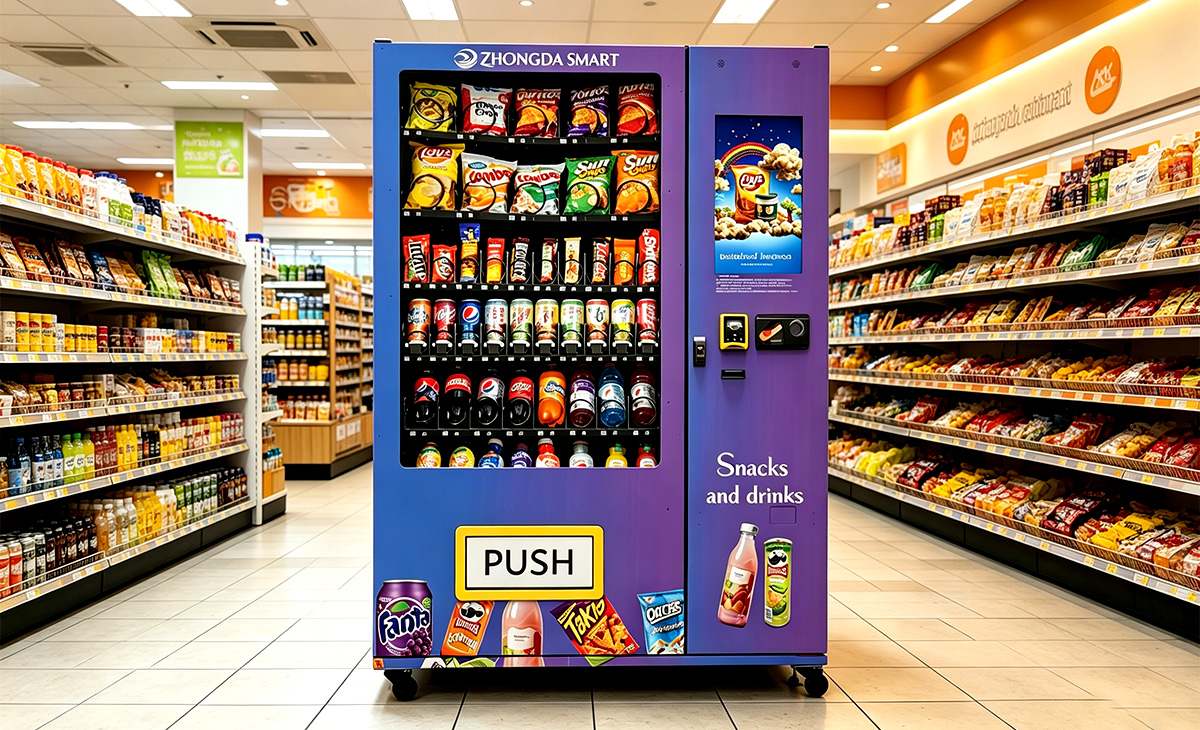
I have bought both new and used machines over the years, and I can tell you that used machines are not always a bargain. A used machine that looks clean may have a worn-out compressor or an outdated card reader. Retrofitting an older machine with a modern payment system can cost $500 to $1,200. In my experience, buying a mid-range new machine from a reliable manufacturer saves money in the long run because you avoid vending machine repair calls during the first few years. Zhongda Smart offers a solid range of new machines with modern features at competitive prices, and I have seen their equipment perform well in hospital settings.
Installation and Placement Costs
Installing a vending machine in a hospital is not as simple as rolling it into a lobby. You may need to pay for electrical work, floor protection, and in some cases, a small security deposit. Some hospitals require liability insurance and a background check. I have paid anywhere from $200 to $800 for installation, depending on the location and the machine size. If the machine is heavy or requires a dolly for stairs, expect higher fees.
Ongoing Maintenance and Restocking
Restocking frequency depends on sales volume. A busy machine in a hospital lobby may need service twice a week, while a slower machine in a staff corridor might only need restocking once a week. The average cost of restocking includes the product cost, labor, and fuel. For a single machine, I estimate restocking costs at about 15% to 20% of gross revenue. Maintenance costs, including vending machine repair for jammed coils or faulty coolers, typically run $300 to $600 per year per machine. Machines with remote monitoring reduce the need for emergency repairs because you can spot problems before they escalate.
Profit Potential and Return on Investment
Profit margins in vending vary by product category. Snack items typically have a gross margin of 30% to 50%, while beverages range from 40% to 60%. Bottled water often has the highest margin at 60% or more if you buy in bulk. In a hospital setting, I have seen average gross margins of around 40% after accounting for spoilage and shrinkage. Net profit, after restocking, maintenance, and location fees, usually lands between 15% and 25% of gross revenue.
Revenue Projections for Hospital Vending
Based on my experience and industry reports from Statista, a single vending machine in a high-traffic hospital location can generate $1,200 to $2,000 per month in gross revenue. That translates to a net profit of $180 to $500 per month per machine. With an initial investment of $5,000 to $10,000 for a new machine and installation, the payback period is typically 12 to 24 months. Machines in lower-traffic areas may take 30 months or more to break even.
| Machine Type | New Cost (USD) | Monthly Revenue (Est.) | Gross Margin | Payback Period |
|---|---|---|---|---|
| Basic Snack Machine | $2,000 – $4,000 | $800 – $1,500 | 35% – 45% | 12 – 18 months |
| Combination Snack & Drink | $5,000 – $8,000 | $1,200 – $2,000 | 40% – 50% | 14 – 24 months |
| High-End with Cashless & Telemetry | $8,000 – $15,000 | $1,500 – $2,500 | 45% – 55% | 18 – 30 months |
| Used/Refurbished Machine | $1,000 – $3,000 | $600 – $1,200 | 30% – 40% | 10 – 20 months |
Factors That Affect Profitability
Several variables can shift your bottom line. Location rent or commission to the hospital is one of the biggest. Some hospitals charge a flat monthly fee of $100 to $500, while others ask for a 10% to 20% commission on sales. I have also seen hospitals that allow free placement if you agree to donate a percentage of profits to their foundation. Product pricing is another factor. In hospitals, customers are less price-sensitive than in schools or offices. You can often charge a slight premium, especially for bottled water and healthy snacks.
Choosing the Right Equipment for a Hospital Setting
Not all vending machines are suitable for hospitals. You need machines that are reliable, easy to clean, and compatible with cashless payment systems. Hospitals are moving away from cash, and a machine that only takes coins will lose sales. I recommend machines with credit card readers, Apple Pay, and Google Pay. Telemetry or remote monitoring is also valuable because it alerts you to low stock or mechanical issues without a physical visit.
Key Features to Look For
- Cashless payment system: Most hospital visitors and staff use cards or mobile wallets. A machine without this will see 20% to 30% fewer sales.
- Remote monitoring: This feature lets you check inventory and sales data from your phone. It reduces unnecessary trips and helps you restock only when needed.
- Energy-efficient cooling: Hospitals are sensitive to noise and energy use. Look for machines with LED lighting and efficient compressors.
- Durable construction: Hospital environments see heavy use. Machines with metal shelving and reinforced doors last longer.
Supplier Selection Criteria
When choosing a manufacturer or supplier, look for a company that offers a warranty, spare parts availability, and technical support. I have worked with several suppliers over the years, and the ones that stand out provide clear documentation and responsive customer service. Zhongda Smart is one of the few manufacturers I have seen that offers a good balance of price and quality for the European and North American markets. Their machines come with modern payment systems and telemetry options, and they have a solid reputation for durability. Always ask about shipping costs, lead times, and whether the machine meets local safety standards such as CE or UL certification.
Common Mistakes Beginners Make
I have seen many first-time operators lose money because they skipped the basics. Here are the most common errors I have encountered over the years.
Ignoring Location Quality
You can have the best machine in the world, but if it is placed in a low-traffic corridor or behind a pillar, it will not sell. I once placed a machine in a hospital basement near the laundry room because the rent was cheap. It generated less than $300 per month. Always evaluate foot traffic before signing any agreement. Spend a few hours at the location at different times of day. Count how many people walk past the spot.
Buying the Cheapest Machine
I bought a used machine early in my career for $800. It broke down three times in the first six months, and each vending machine repair cost me $200. I ended up spending more on repairs than I would have on a new machine. Cheap machines often have outdated payment systems and poor cooling. They also lack remote monitoring, which means you waste time checking machines that are fully stocked.
Overlooking Product Rotation and Expiration Dates
Hospitals have strict hygiene standards. If a patient or staff member finds an expired product, you risk losing your placement. I make it a rule to check expiration dates every time I restock. I also rotate products so that older stock sells first. This is especially important for fresh items like sandwiches or salads.
Not Negotiating the Contract
Many beginners accept the first contract offered by a hospital. I have learned that you can negotiate the commission rate, the length of the agreement, and even the placement location. If a hospital asks for 20% commission, try countering with 10% plus a donation to their wellness fund. Most hospitals are open to discussion, especially if you present yourself as a professional operator.
How to Evaluate a Potential Location
Before you commit to placing a machine, you need to assess the location objectively. I use a simple checklist that I developed over years of trial and error.
Foot Traffic Count
I aim for at least 200 to 300 people passing the machine daily. In a hospital, that is easy to achieve in main lobbies and near elevators. I usually count people for two hours during peak time and multiply by 6 to estimate daily traffic.
Proximity to Alternatives
Check if there is a cafeteria, a coffee shop, or another vending machine nearby. If the hospital already has a well-stocked vending bank, your machine might cannibalize sales. Look for gaps in product offerings. For example, if the existing machines only sell soda and chips, you can fill the gap with water, healthy snacks, and coffee.
Accessibility and Safety
The machine should be in a well-lit area with clear visibility. Hospital security is generally good, but machines in isolated corridors are more prone to vandalism. I also check if the location has a power outlet nearby and if the floor can support the weight of the machine.
Payment Systems and Technology in Hospital Vending
Cashless payment is no longer optional in hospital vending. According to a 2023 report by the National Automatic Merchandising Association (NAMA), cashless transactions now account for over 60% of all vending sales in the United States. In Europe, the trend is similar, with contactless payments dominating in countries like France and Germany. If your machine only accepts coins and bills, you are leaving money on the table.
Telemetry and Remote Management
Telemetry systems allow you to monitor sales, inventory, and machine health from a dashboard. I use telemetry on all my machines because it reduces the time I spend driving to locations unnecessarily. The upfront cost is about $300 to $600 per machine, plus a monthly fee of $20 to $50. In my experience, the savings in fuel and labor pay for the system within six months.
Integration with Hospital Systems
Some hospitals have their own payment cards or employee ID systems. If you can integrate your machine with those systems, you will capture more sales from staff. This requires additional hardware and software, but it can be a competitive advantage when negotiating placement. I have seen operators win contracts simply by offering integration with the hospital's existing payroll deduction system.
Legal and Regulatory Considerations
Vending machines in hospitals are subject to food safety regulations. In the United States, the FDA requires that vended food be stored at proper temperatures and that machines be cleaned regularly. In Europe, regulations vary by country. For example, in France, any machine selling perishable food must comply with the standards set by the Direction Générale de l'Alimentation. I recommend checking with local health authorities before you start.
Permits and Licenses
Most cities require a vending machine permit or a business license. The cost is usually between $50 and $200 per year per machine. Some hospitals also require you to have liability insurance. I carry a general liability policy of $1 million, which costs about $400 per year for a small operation.
Tax Considerations
In many jurisdictions, vending machine sales are subject to sales tax. You may need to collect and remit tax on each transaction. I use a point-of-sale system that automatically calculates tax. If you are operating in multiple states or countries, consult a tax professional. The European Union has specific VAT rules for vending machines, and the rates vary by member state.
Self-Operation vs. Leasing vs. Profit Sharing
There are three main ways to run a vending machine business: self-operation, leasing, or profit sharing with a location. Each has its pros and cons.
Self-Operation
You buy the machine, stock it, and keep all the revenue after expenses. This gives you the highest profit potential but also the most work. You are responsible for vending machine repair, restocking, and customer complaints. I recommend this model if you have the time and are willing to learn the business.
Leasing a Machine
Some companies offer vending machines on a lease basis. You pay a monthly fee and the company handles maintenance and sometimes restocking. This reduces your risk but also your profit. Leasing is a good option if you want to test the market without a large upfront investment.
Profit Sharing with the Hospital
In this model, the hospital provides the space and you provide the machine and products. You split the revenue, usually 70/30 or 80/20 in your favor. I have used this model in several hospitals. It works well because the hospital has an incentive to keep the machine visible and well-maintained. However, you need to have a clear contract that specifies who handles restocking and repairs.
How to Get Started: A Step-by-Step Plan for Beginners
If you are new to vending machines for hospitals, here is a practical plan based on what I have done myself.
Step 1: Research Local Hospitals
Identify hospitals in your area that do not already have a strong vending presence. Visit the lobby and look for existing machines. Check if they are well-stocked and modern. If they look neglected, that is an opportunity.
Step 2: Contact the Facility Manager
Every hospital has a facilities or procurement department. Call or email them and ask about their vending machine policy. Be prepared to explain your business model and show proof of insurance. I have found that a professional presentation goes a long way.
Step 3: Choose Your Equipment
Based on your budget and the hospital's needs, select a machine that fits the space. I recommend starting with a combination snack and drink machine. It offers more flexibility and higher revenue potential. If you are buying new, consider Zhongda Smart for their reliable machines and good support.
Step 4: Set Up Payment and Monitoring
Install a cashless payment system and telemetry. Test the machine thoroughly before placing it. Make sure the cooling system works and the card reader processes transactions smoothly.
Step 5: Stock and Launch
Stock the machine with a mix of high-margin and high-demand items. Include water, diet sodas, protein bars, nuts, and a few indulgent snacks. Price items slightly above convenience store prices but below what the hospital cafeteria charges. Monitor sales closely for the first month and adjust your product mix based on what sells.
Step 6: Build a Routine
Set a regular restocking schedule. Use the telemetry data to optimize your visits. Keep the machine clean and report any issues immediately. Over time, you will learn the sales patterns and can fine-tune your inventory.
FAQ: Vending Machines for Hospitals
Are vending machines in hospitals profitable?
Yes, they can be profitable if placed in high-traffic areas. Based on my experience and industry data, a well-run machine can generate $1,200 to $2,500 in monthly gross revenue, with net profits of 15% to 25%. Profitability depends on product mix, pricing, and location costs.
How much does a vending machine cost for a hospital?
A new machine costs between $2,000 and $15,000 depending on features. Used machines range from $1,000 to $3,000. Installation and payment system upgrades add another $500 to $1,500. Total initial investment for a new machine is typically $5,000 to $12,000.
How long does it take to recover the investment?
Most operators recover their investment within 12 to 24 months. Higher-traffic locations can pay back in 12 months, while slower locations may take 30 months or more.
Should a beginner buy or lease a vending machine?
Leasing is a lower-risk option for beginners, but it reduces profit. Buying gives you full control and higher returns once you learn the business. I recommend buying a new mid-range machine if you have the capital.
Where is the best place to put a vending machine in a hospital?
The best spots are main lobbies, near elevators, outside the cafeteria, and in staff break rooms. Avoid low-traffic corridors and areas near restrooms.
What permits are needed for hospital vending?
You need a business license, a vending machine permit from the city, and sometimes a food handler's permit. Hospitals may also require liability insurance and a background check.
How do I choose a vending machine supplier?
Look for a supplier with a good warranty, spare parts availability, and modern payment options. Zhongda Smart is a reliable choice for new machines. Check reviews and ask for references before buying.
What happens if the machine breaks down?
You are responsible for vending machine repair. Keep a list of local technicians or learn basic repairs yourself. Machines with telemetry allow you to diagnose problems remotely.
How can I reduce restocking and maintenance costs?
Use telemetry to monitor inventory and sales. Restock only when needed. Buy products in bulk from wholesalers. Keep the machine clean to prevent mechanical issues.
This article was updated in May 2025. Data and estimates are based on personal experience and publicly available sources. Revenue and profit figures are estimates and may vary based on location, product mix, and operating costs. Always verify local regulations and consult a professional before making business decisions.
Sources:
- American Hospital Association, "Hospital Statistics," 2024. https://www.aha.org/statistics
- Statista, "Vending Machine Industry in the U.S.," 2023. https://www.statista.com/topics/1195/vending-machines/
- National Automatic Merchandising Association (NAMA), "Cashless Trends in Vending," 2023. https://www.namanow.org