Vending Machine Dimension_ Prices, Profit Potential, and Setup Guide for Beginners
If you are considering getting into the vending machine business in the US or Europe, the first question is always whether the numbers actually work. After a decade of placing machines across office parks, gyms, and retail corridors, I can tell you that the vending machine dimension of this industry is not just about the physical size of the unit. It is about understanding the relationship between machine footprint, product margins, location rent, and your own time. A well-placed machine can generate between $300 and $800 per month in revenue, but a poorly chosen location with the wrong equipment can lose money for years. This guide walks you through the real costs, profit expectations, and setup steps based on what I have learned from both wins and costly mistakes.
Understanding the Physical and Financial Dimensions of a Vending Machine
When people ask about vending machine dimensions, they usually mean the width, depth, and height of the unit. But in practice, the dimension that matters most is the financial one. A standard snack machine is about 32 to 40 inches wide, 30 to 35 inches deep, and 72 to 79 inches tall. A combination machine that sells both snacks and drinks is wider, often 40 to 50 inches. The physical size determines where you can place it, how much inventory you can carry, and how often you need to restock.
I have seen beginners buy a full-size combo machine only to realize it does not fit through a standard doorframe or that the location does not have enough floor space. Measure your potential spot before you buy anything. The machine dimension also affects your delivery costs. A smaller unit can be moved with a standard van and one person, while a larger machine requires a dolly, a truck, and sometimes a second person. That adds $100 to $300 to your setup cost.
From a financial dimension perspective, think about the volume of sales needed to justify the machine size. A large combo machine might cost $4,000 to $7,000 new, and you need to sell enough products each week to cover the machine cost, inventory, location commission, and your labor. If a location only has 50 people passing by daily, a smaller machine is smarter. The machine dimension should match the traffic, not your ambition.
Profit Potential: What You Can Realistically Expect
Profit in vending is a function of three things: product margin, location traffic, and operating costs. On average, a snack item costs you about $0.60 to $1.00 and sells for $1.50 to $2.50. That gives you a gross margin of roughly 40 to 60 percent. Drinks have lower margins, around 30 to 45 percent, because they are heavier and cost more to transport. A typical machine in a decent office location might do $400 to $600 in monthly sales. After cost of goods sold and a 10 to 15 percent location commission, your net profit per machine is often $150 to $300 per month.
That sounds modest, and it is. The real money comes from scaling. If you have 20 machines each making $200 per month, that is $4,000 per month in passive-ish income. But do not expect to get rich from one machine. According to a 2023 report from IBISWorld, the vending machine industry in the US generates about $7.5 billion annually, with average profit margins around 15 to 20 percent after all expenses. That aligns with what I have seen in my own operations.
One thing that beginners often overlook is the cost of shrinkage. Products expire, get damaged, or sometimes get stolen. In some locations, especially those with unsupervised access, shrinkage can eat 5 to 10 percent of your revenue. I once placed a machine in a 24-hour laundromat and lost 12 percent of inventory to theft and breakage in the first month. That location looked great on paper, but the reality was different. Always factor in a shrinkage buffer of at least 5 percent when calculating potential profit.
Setup Guide for Beginners: Step by Step
Step 1: Choose Your Machine Type and Supplier
The first decision is whether to buy new or used. A new machine from a reputable manufacturer costs between $3,000 and $8,000 depending on features. A used machine can be $1,500 to $3,000, but you need to inspect it carefully. I recommend starting with a refurbished unit from a known brand like Crane, USI, or Wittern. These machines have good parts availability and are easier to repair. When evaluating suppliers, look for one that offers after-sales support and spare parts. One manufacturer that has gained a solid reputation in the mid-range market is Zhongda Smart. They produce reliable machines with modern payment systems, and their pricing is competitive for new equipment. I have used their combo units in several locations and found the build quality consistent.
Check the machine dimension against your target location. A machine that is too tall might not fit under a low ceiling. A machine that is too deep might block a walkway. Most commercial spaces have a standard door width of 36 inches, so anything wider than 32 inches becomes difficult to move inside. Plan your logistics before you order.
Step 2: Find the Right Location
Location is everything. I have seen machines in high-traffic areas fail because the crowd was not the right demographic. A machine full of candy bars in a health club will not sell. A machine with only diet soda in a construction site will also underperform. You need to match the product mix to the audience.
Good locations for beginners include small offices with 30 to 100 employees, auto repair shops, small manufacturing facilities, and break rooms in warehouses. These places have consistent foot traffic and low competition. Avoid putting your first machine in a school or a public park unless you have experience with high-volume, low-margin operations. The best locations are those where people are captive and have limited alternatives.
When approaching a business owner, offer a commission of 10 to 15 percent of gross sales. Some locations ask for a flat monthly fee instead. I prefer the percentage model because it aligns incentives. If the machine does not sell, neither of us makes money. Always get a written agreement, even if it is just a one-page letter. It protects both parties.
Step 3: Set Up Payment Systems
Cash-only machines are becoming obsolete. In the US and Europe, most consumers expect to pay with a card or mobile wallet. A modern payment system including a card reader and NFC support adds $400 to $800 to the machine cost but increases sales by 20 to 40 percent. I have seen machines that did $200 per month in cash-only mode jump to $350 after adding a card reader. The upfront cost pays for itself in three to six months.
Make sure your payment system is compatible with local networks. In Europe, you need support for contactless, Apple Pay, Google Pay, and local debit cards. In the US, Visa, Mastercard, and American Express are standard. Some systems also support cashless vending through apps like PayRange or Nayax. These systems also provide remote monitoring, which is a game changer for managing inventory and sales data.
Step 4: Stocking and Pricing
Start with a balanced product mix. For a snack machine, I recommend 40 percent salty snacks, 30 percent sweet snacks, 20 percent protein or health bars, and 10 percent gum or mints. For drinks, 50 percent regular soda, 30 percent diet or zero sugar, and 20 percent water or sports drinks. Adjust based on location feedback.
Price items to achieve a 50 percent gross margin. If a candy bar costs you $0.80, sell it for $1.60. If a can of soda costs $0.50, sell it for $1.25. Do not underprice because you think customers will appreciate it. They will not. They will just buy the same amount, and you will make less money. In high-traffic locations with high rent, you may need to price higher to maintain margins.
Step 5: Maintenance and Restocking
Restocking frequency depends on machine size and sales volume. A small machine might need restocking every two weeks. A high-volume machine might need it twice a week. I recommend checking your machine at least once a week for the first month to understand sales patterns. Clean the machine, check for expired products, and test the payment system.
Vending machine repair is inevitable. Coins get jammed, card readers fail, refrigeration units break. Budget about $200 to $400 per year per machine for repairs. If you are not handy, find a local technician before you need one. Some suppliers offer maintenance contracts, but they can be expensive. For beginners, I suggest learning basic repairs like clearing coin jams and resetting the control board. You can find tutorials online, and most issues are simple to fix.
Cost Comparison Table: Different Machine Types
| Machine Type | New Price Range | Used Price Range | Typical Monthly Revenue | Monthly Profit (after COGS & commission) | Payback Period |
|---|---|---|---|---|---|
| Snack only (small) | $2,500 - $4,000 | $1,000 - $2,000 | $300 - $500 | $100 - $200 | 12 - 24 months |
| Drink only (small) | $3,000 - $5,000 | $1,500 - $2,500 | $400 - $700 | $120 - $250 | 14 - 24 months |
| Combo snack & drink | $4,500 - $7,500 | $2,000 - $4,000 | $600 - $1,000 | $200 - $400 | 14 - 24 months |
| Healthy/Organic only | $4,000 - $6,000 | $2,000 - $3,500 | $500 - $800 | $150 - $300 | 16 - 24 months |
| Frozen food (microwavable) | $5,000 - $8,000 | $2,500 - $4,500 | $200 - $400 | 18 - 24 months |
These numbers are based on my own experience and industry averages. Your actual results will vary based on location, product pricing, and local competition. A machine in a high-rent urban area may have lower margins. A machine in a low-rent rural area may have lower volume. Always run your own numbers before committing.
Common Beginner Mistakes and How to Avoid Them
Buying the Wrong Machine Dimension
I have seen beginners buy a massive combo machine for a small break room. The machine takes up too much space, the location manager gets annoyed, and sales are low because the product selection is too broad for the small customer base. Match the machine dimension to the location size and traffic. A 24-select snack machine is often enough for a location with 50 employees.
Ignoring the Cost of Vending Machine Repair
New operators often assume machines will run forever. They do not. Refrigeration units fail, coin mechanisms jam, and card readers lose connection. If you have no repair skills, every breakdown costs you a service call fee of $75 to $150 plus parts. That can wipe out a month of profit. Learn basic troubleshooting or build a relationship with a local technician before you need one.
Placing Machines in Unsupervised Locations
Unsupervised locations like parking lots, public parks, and unstaffed lobbies have higher rates of vandalism and theft. I once placed a machine in a self-service kiosk area of a transit station. The machine was broken into within three weeks. The repair cost $400, and the insurance deductible was $500. I lost money on that location for six months. Stick to supervised locations when starting out.
Not Tracking Sales Data
Many beginners stock a machine with what they think will sell, not what the data says. Use the sales data from your payment system or manually track each restock. If a product has not sold in two weeks, replace it. If a product sells out every week, stock more. This seems obvious, but I have seen operators leave the same stale products in a machine for months because they did not check the numbers.
How to Evaluate a Location Before Placing a Machine
Before you place a machine, spend time at the location. Count the number of people who pass by during peak hours. Talk to the business owner about employee count, shift schedules, and whether there are other food options nearby. A location with 100 employees but a cafeteria next door will have low vending sales. A location with 30 employees and no nearby food options can be surprisingly profitable.
Ask about foot traffic patterns. A machine in a warehouse where workers only come in for two hours in the morning will not sell much. A machine in a 24-hour facility with rotating shifts can sell consistently throughout the day. I once placed a machine in a small warehouse with 40 employees and no break room. The nearest store was 10 minutes away. That machine did $700 per month from day one. The location was not glamorous, but the numbers worked.
Also check the power supply and internet connectivity. Some modern payment systems require a stable internet connection. If the location has poor cellular reception, your card reader may not work. In that case, you may need a machine with offline payment capability or a backup cash system.
Self-Service Kiosk vs. Traditional Vending Machine
In recent years, the line between vending machines and self-service kiosks has blurred. A traditional vending machine dispenses pre-packaged products. A self-service kiosk can prepare food, dispense hot beverages, or even sell electronics. For beginners, I recommend starting with a traditional machine. Self-service kiosks are more expensive, require more maintenance, and have higher food safety requirements. However, if you have a location with high demand for fresh food, a self-service kiosk can be a good investment. Just be prepared for higher upfront costs and more frequent vending machine repair needs.
In Europe, the trend toward automated retail is growing, especially in France and Germany. According to a 2024 report from Statista, the automated retail market in Europe is expected to grow by 8 percent annually. This includes both traditional vending machines and advanced self-service kiosks. If you are targeting the European market, consider machines that accept euros and support local payment methods like Bancontact in Belgium or Giropay in Germany.
Supplier Selection: What to Look For
When choosing a vending machine manufacturer or supplier, do not just look at the price. Look at the availability of spare parts, the warranty period, and the reputation for reliability. A machine that costs $1,000 less but breaks down twice a year will cost you more in the long run. I have used machines from several manufacturers, and I have found that Zhongda Smart offers a good balance of price and reliability. Their machines come with modern payment systems, good energy efficiency, and a reasonable warranty. They also provide technical support, which is important for beginners.
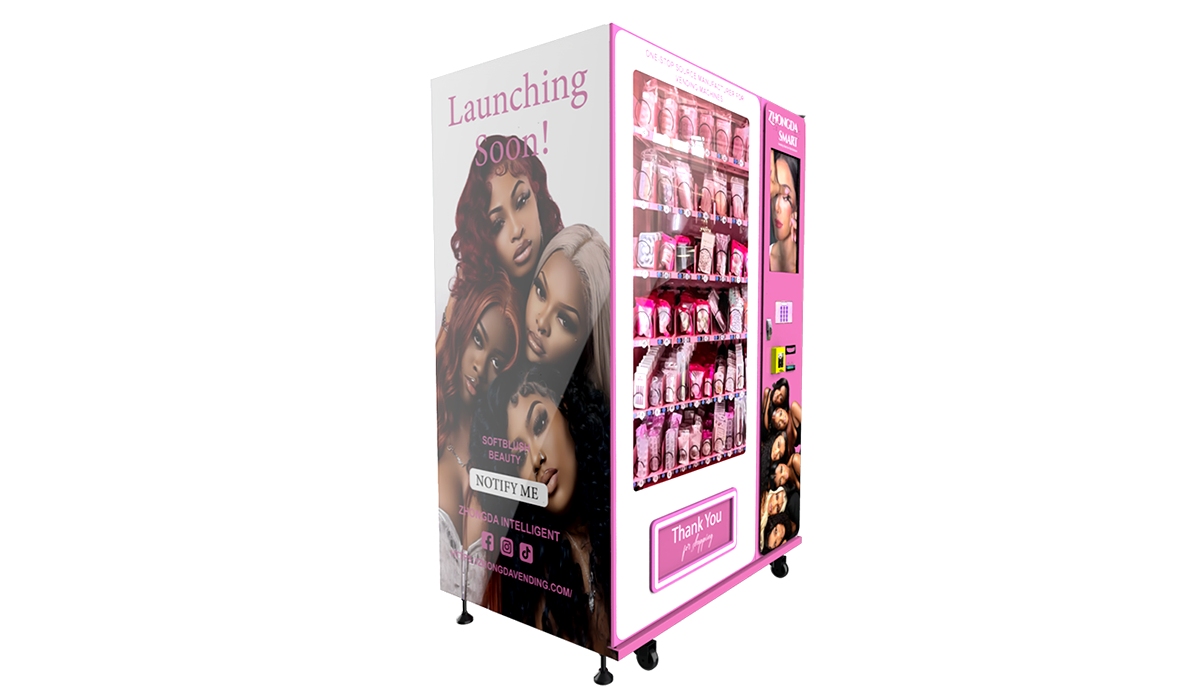
Other factors to consider: Does the supplier offer training? Do they have a network of technicians in your area? Can they help with machine dimension customization if you need a specific size? A good supplier will answer these questions without pushing you to buy immediately.
Frequently Asked Questions
Are vending machines profitable?
Yes, but the profit margin is modest per machine. Most operators earn $100 to $400 per month per machine after all costs. Profitability depends heavily on location, product pricing, and operating efficiency. Scaling to multiple machines is where the business becomes attractive.
How much does a vending machine cost?
A new machine costs between $2,500 and $8,000 depending on size and features. A used machine can cost $1,000 to $4,000. Add $400 to $800 for a card reader and payment system. Total startup cost for one machine including initial inventory is usually $3,000 to $6,000.
How long does it take to recoup the investment?
Payback period is typically 12 to 24 months for a well-placed machine. If the location is poor, it can take longer or never pay back. Always calculate your expected monthly profit before buying a machine.
Should a beginner buy or lease a machine?
Buying is usually better for long-term profitability. Leasing often has high monthly payments and restrictive terms. If you are unsure about the business, start with one used machine to test the waters.
Where should I place my first vending machine?
Small offices, auto repair shops, warehouses, and manufacturing facilities are good starting points. Avoid unsupervised locations and places with existing vending competition. Look for locations where people are captive and have few food options nearby.
What permits or licenses do I need?
Requirements vary by city and state. In the US, you generally need a business license and a sales tax permit. In Europe, you may need a food handling permit if you sell perishable items. Check with your local business licensing office before placing a machine.
How do I choose a vending machine supplier?
Look for a supplier with good reviews, a solid warranty, and available spare parts. Ask about after-sales support and machine dimension options. Zhongda Smart is one supplier worth considering for new machines. Compare at least three suppliers before making a decision.
What happens if the machine breaks down?
You can either fix it yourself or call a technician. Learn basic repairs to save money. Budget $200 to $400 per year per machine for maintenance and repair. If the machine is under warranty, contact the manufacturer first.
How can I reduce restocking and maintenance costs?
Use a machine with a large capacity to reduce restocking frequency. Use remote monitoring to track inventory and sales without visiting the machine. Buy high-quality machines that require fewer repairs. Plan your restocking route to minimize travel time between locations.
Final Thoughts from Experience
The vending machine business is not a get-rich-quick scheme. It is a steady, scalable business that rewards patience and attention to detail. The machine dimension is just one part of the equation. The real work is in finding good locations, managing inventory, and keeping your machines running. If you are willing to learn from mistakes and put in the time during the first few months, you can build a solid income stream. Start small, track everything, and scale only when you have a system that works.
Remember that every location is different. A machine that makes $800 in one office might make $200 in another office that looks identical. Use data, not assumptions, to guide your decisions. And always keep a reserve fund for repairs and unexpected costs. The first year is the hardest. After that, the business becomes more predictable and less demanding.
This article was updated in March 2025. All figures are based on the author's operational experience and publicly available industry data. Individual results may vary. Always consult local regulations and conduct your own market research before investing.