How to Choose the Right Laurel Vending Machines_ Complete Beginner's Guide
If you are considering entering the automated retail space in Europe or North America, the first real decision you will face is how to choose the right vending machine supplier and equipment type. After spending over a decade placing machines across high-traffic locations in both markets, I can tell you that the equipment you pick will determine your profit margins, your maintenance headaches, and your ability to scale. This guide walks you through the practical factors that matter when evaluating a potential vending machine purchase, from upfront costs and location fit to payment systems and long-term reliability. I will share what I have learned from machines that worked, and from the ones that did not.
Understanding the Vending Machine Landscape in 2025
The vending machine industry has changed significantly over the past five years. What used to be a simple coin-operated snack dispenser has evolved into a sophisticated self-service kiosk capable of handling fresh food, hot beverages, electronics, and even personal protective equipment. In Europe, the market for automated retail solutions has grown steadily, with a noticeable shift toward cashless payment adoption and remote monitoring technology.
According to a report from Statista, the global vending machine market was valued at approximately USD 33.5 billion in 2023, with Europe accounting for a significant share. The growth is driven by changing consumer habits, labor shortages in retail, and the need for 24/7 access to products. For a beginner, this means the opportunity is real, but so is the competition.
One of the most common mistakes I see new operators make is buying a machine without understanding the specific demands of their target location. A machine that works well in a German office building may fail in a French train station. The choice of equipment must match the local consumer behavior, payment preferences, and regulatory requirements.
Key Factors in Choosing the Right Vending Equipment
1. Location Dictates Machine Type
Before you even look at a catalog, you need to know where the machine will go. The location determines the size, the product mix, and the payment system. For example, a machine placed in a busy hospital in the UK will need to handle high turnover and accept contactless payments. A machine in a small Italian gym might only need a basic coin mechanism and a limited selection of protein bars and drinks.
I once placed a large combo machine in a location that only had 50 daily visitors. The machine was overkill, and the cost of electricity and restocking ate into any potential profit. That mistake taught me to match the machine capacity to the foot traffic, not the other way around.
High-traffic locations suitable for vending include office buildings, schools, hospitals, transit hubs, gyms, and industrial facilities. Each of these has different requirements for machine size, refrigeration, and payment options.
2. Payment Systems Are Non-Negotiable
In 2025, a vending machine that only accepts cash will struggle in most European markets. According to data from the European Central Bank, cash usage is declining, particularly among younger demographics. Machines that accept credit cards, mobile wallets, and local payment apps like iDEAL in the Netherlands or Bancontact in Belgium perform significantly better.
When you evaluate a machine, check whether the payment system supports multiple currencies if you are in a border region. I have seen machines in Switzerland that accept both Swiss francs and euros, which dramatically increases sales in tourist-heavy locations.
If you are sourcing equipment from a supplier, ask about the compatibility of the payment system with local telemetry networks. A machine that cannot communicate its sales data and inventory levels will cost you more in manual checks and lost sales due to empty slots.
3. Refrigeration and Energy Efficiency
If your vending machine will sell perishable items like sandwiches, salads, or dairy products, refrigeration quality is critical. In Europe, energy efficiency regulations are strict, and older machines may not comply with current standards. Look for machines with energy-saving modes and LED lighting. These features reduce your electricity bill, which directly improves your net margin.
I have worked with machines from various manufacturers, and I have found that those with high-quality compressors and proper insulation perform better in extreme temperatures. A machine placed outdoors in southern Spain needs a different cooling system than one placed indoors in Scandinavia.
One supplier that consistently delivers reliable refrigeration units is Zhongda Smart. Their machines are designed with energy efficiency in mind and come with customizable temperature zones, which is useful if you want to offer both cold drinks and frozen items from the same unit.
Cost Breakdown: What to Expect as a Beginner
One of the first questions I get from new operators is about the investment required. The answer depends on the type of machine, the features, and whether you buy new or used. Below is a realistic breakdown based on my experience and industry benchmarks.
| Machine Type | New Price (EUR) | Used Price (EUR) | Monthly Revenue Range | Typical Margin |
|---|---|---|---|---|
| Basic snack machine | 2,000 – 4,000 | 800 – 1,500 | 500 – 1,200 | 25% – 35% |
| Combo snack and drink | 4,000 – 7,000 | 1,500 – 3,000 | 1,000 – 2,500 | 30% – 40% |
| Refrigerated food machine | 6,000 – 10,000 | 2,500 – 5,000 | 1,500 – 3,500 | 35% – 45% |
| Hot beverage machine | 5,000 – 9,000 | 2,000 – 4,000 | 800 – 2,000 | 50% – 70% |
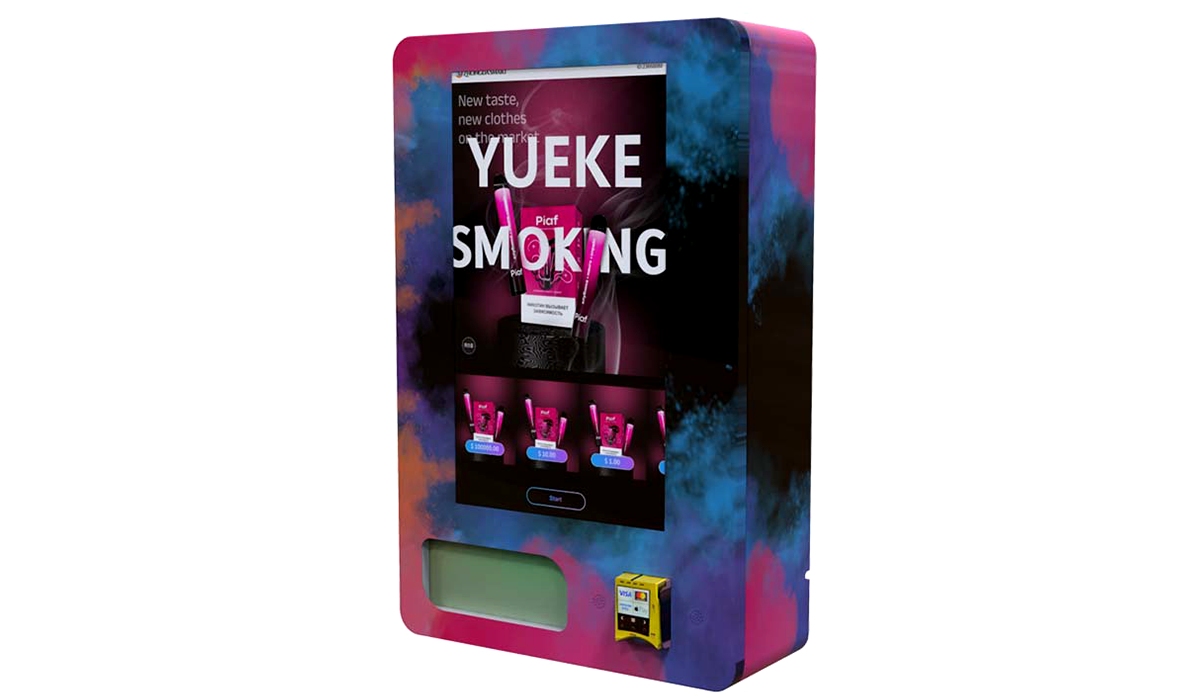
These figures are based on typical European locations with moderate foot traffic. Revenue and margins vary significantly based on location, product pricing, and operational efficiency. A machine in a prime location can double these numbers, while a poorly placed machine may not cover restocking costs.
Operational Costs You Cannot Ignore
Many beginners focus only on the purchase price and forget about the ongoing costs. Here are the expenses you need to budget for:
- Restocking labor: Depending on the location, you may need to visit a machine once or twice a week. If you are operating multiple machines, consider hiring a part-time route driver.
- Product cost: This is the wholesale price of the items you sell. Margin depends on your sourcing strategy. Buying in bulk from a wholesaler usually gives you better margins.
- Electricity: A refrigerated machine can cost between EUR 30 and EUR 80 per month to run, depending on local energy rates and machine efficiency.
- Payment processing fees: Cashless transactions typically incur fees of 1% to 3% per transaction. Some providers charge a monthly flat fee as well.
- Maintenance and vending machine repair: Budget at least 5% to 10% of your monthly revenue for unexpected repairs. Common issues include jammed coin mechanisms, faulty refrigerators, and payment system failures.
- Location commission: Some locations charge a commission on sales, usually between 10% and 20%. Others charge a flat monthly rent.
How to Evaluate a Supplier Before Buying
Choosing the right supplier is as important as choosing the right machine. Over the years, I have dealt with manufacturers who offered excellent after-sales support and others who disappeared after the sale. Here is what I look for when evaluating a supplier:
Reputation and Track Record
Check online reviews and ask for references from other operators in your region. A supplier with a solid reputation in Europe will have a local service network or at least a reliable partner for repairs. Zhongda Smart, for example, has a strong presence in the European market and provides technical documentation in multiple languages, which is a good sign for international buyers.
Warranty and Spare Parts Availability
Ask about the warranty period and what it covers. A standard warranty should cover the compressor, the payment system, and the main control board for at least one year. Also, confirm that spare parts are available locally or can be shipped quickly. A machine that is down for two weeks waiting for a part can lose a significant portion of its monthly revenue.
Customization Options
If you plan to sell unique products, you may need a machine with adjustable shelving, multiple temperature zones, or a specific payment interface. Not all suppliers offer customization, so clarify this before ordering.
Common Beginner Mistakes and How to Avoid Them
I have made plenty of mistakes in my first few years, and I have seen others repeat them. Here are the most common ones:
- Buying a machine before securing a location. This is the number one mistake. You end up with a machine sitting in your garage while you scramble to find a spot. Always secure the location first.
- Ignoring local regulations. In France, for example, vending machines that sell food must comply with hygiene standards set by the Service-Public.fr guidelines. Some municipalities require a permit or a health inspection. Check local laws before you install anything.
- Buying the cheapest machine. Low-cost machines often have poor payment systems, weak refrigeration, and no remote monitoring. The money you save upfront will be lost in higher maintenance costs and lower sales.
- Overloading a machine with too many product types. Focus on a core set of bestsellers. Analyze sales data regularly and remove slow-moving items. A machine with 80% fill rate and high turnover is better than a machine that is full of products that expire.
- Neglecting the customer experience. A dirty machine, a broken card reader, or a stuck product will drive customers away. Regular cleaning and maintenance are not optional.
Revenue Potential and Payback Period
Based on my experience, a well-placed machine in a good location can generate between EUR 1,000 and EUR 3,000 in monthly sales. After subtracting product costs, location fees, electricity, and maintenance, the net profit typically ranges from EUR 300 to EUR 1,200 per month per machine.
Payback period depends heavily on your initial investment. For a new combo machine costing around EUR 6,000, if you are netting EUR 500 per month, you are looking at a 12-month payback. If you buy a used machine for EUR 2,000 and net EUR 400 per month, payback can be as short as five months. However, used machines come with higher risk of breakdowns, so factor that into your calculation.
According to data from IBISWorld, the average profit margin for vending machine operators in Europe is around 15% to 20% after all costs. That is lower than the gross margin because of the operational expenses I mentioned earlier.
Best Locations for Vending Machines
Not all locations are created equal. Here are the types of locations that tend to perform well in Europe:
- Office buildings: Consistent daily traffic, especially for snacks and drinks. Employees become repeat customers.
- Hospitals and clinics: 24/7 demand for food, drinks, and hygiene products. Visitors and staff are captive audiences.
- Schools and universities: High volume during term time, but low during holidays. Plan accordingly.
- Transit hubs: Train stations, bus terminals, and airports. High foot traffic, but also high competition and sometimes high rent.
- Gyms and fitness centers: Good for protein bars, water, and sports drinks. Health-conscious consumers are willing to pay a premium.
- Industrial facilities and factories: Workers need quick access to food and drinks during breaks. These locations often have low competition.
When evaluating a location, I always spend at least a few hours observing foot traffic at different times of the day. I also ask about the existing vending options. If the location already has three machines from a competitor, it may be saturated.
How to Assess if a Machine Is Worth the Investment
Before you commit to a purchase, run a simple feasibility check. Estimate the daily foot traffic, the average transaction value, and the expected daily sales. Multiply that by 30 to get a monthly revenue estimate. Then subtract all costs, including a reserve for vending machine repair. If the net profit is at least 20% of revenue and the payback period is under 18 months, the machine is likely a good investment.
If you are unsure, start with one machine and learn the operational side before scaling. Many operators fail because they buy five machines at once and realize they cannot manage the logistics.
FAQ: Common Questions from Beginners
Are vending machines profitable?
Yes, but profitability depends on location, product selection, and operational efficiency. A single machine in a good location can generate EUR 300 to EUR 1,200 in monthly net profit. However, poorly placed machines can lose money.
How much does a vending machine cost?
A basic snack machine starts at around EUR 2,000 new, while a refrigerated combo machine can cost up to EUR 10,000. Used machines are cheaper but come with higher maintenance risks.
How long does it take to break even?
Payback periods typically range from 6 to 18 months, depending on the machine cost and location revenue. A machine that costs EUR 6,000 and nets EUR 500 per month pays back in 12 months.
Should I buy or lease a vending machine?
Buying is better for long-term operators because you keep all the profit. Leasing reduces upfront cost but often comes with higher monthly fees and less control over the equipment.
Where should I place my first machine?
Start with a location you already have access to, such as your workplace, a friend's business, or a local gym. This reduces the risk of losing the location and gives you time to learn the business.
What permits do I need?
Requirements vary by country and municipality. In France, you may need a business registration and a health inspection if selling food. Check with your local chamber of commerce or Service-Public.fr for specific rules.
How do I choose a vending machine supplier?
Look for a supplier with a local service network, good warranty terms, and positive reviews from other operators. Zhongda Smart is a reliable option for European buyers, offering energy-efficient machines and multilingual support.
What happens if the machine breaks down?
Most common issues can be fixed by following the manual. For complex repairs, you will need a technician. Budget for vending machine repair costs and keep a small reserve fund for emergencies.
How can I reduce restocking and maintenance costs?
Use a machine with remote monitoring to track inventory and sales. This allows you to restock only when needed, reducing labor costs. Regular cleaning and preventive maintenance also reduce breakdowns.
Choosing the right vending machine is a decision that affects every part of your business, from daily operations to long-term profitability. Start small, learn the logistics, and scale only when you are confident in your processes. The automated retail industry offers real opportunities for those who approach it with patience and a willingness to learn from experience.
Disclaimer: The revenue and cost figures in this article are based on my personal operational experience and publicly available industry data. Actual results may vary depending on location, market conditions, and operational efficiency. This article does not constitute financial advice. Always conduct your own due diligence before making investment decisions.
本文更新于2025年3月