Step-by-Step Guide to Starting a Vending Machine Franchise Opportunities Business in 2026
If you are serious about building a business around self-service retail, starting a vending machine franchise opportunities business in 2026 is one of the most capital-efficient moves you can make in the United States or Europe right now. I have been operating vending machines in both the US and the UK for over a decade, and I can tell you that the margins are real, but the hype around "passive income" is dangerous if you do not understand the logistics. A vending machine franchise is not a set-it-and-forget-it model; it is a location-dependent, inventory-heavy operation that requires a clear understanding of foot traffic, machine reliability, and local compliance. In this guide, I will walk you through exactly how to evaluate, purchase, place, and maintain vending machines for a profitable franchise-style operation in 2026, based on what I have learned from my own successes and costly mistakes.
Understanding the Vending Machine Franchise Model in 2026
When I started, I assumed a vending machine franchise meant buying a branded machine and letting someone else handle the rest. That is partially true for some franchise models, but the landscape has shifted. In 2026, most vending machine franchise opportunities are structured as either full-turnkey franchises where you pay a fee for an exclusive territory and equipment, or as independent operations where you buy machines from a supplier and operate under your own brand. The latter gives you more control over margins and product selection.
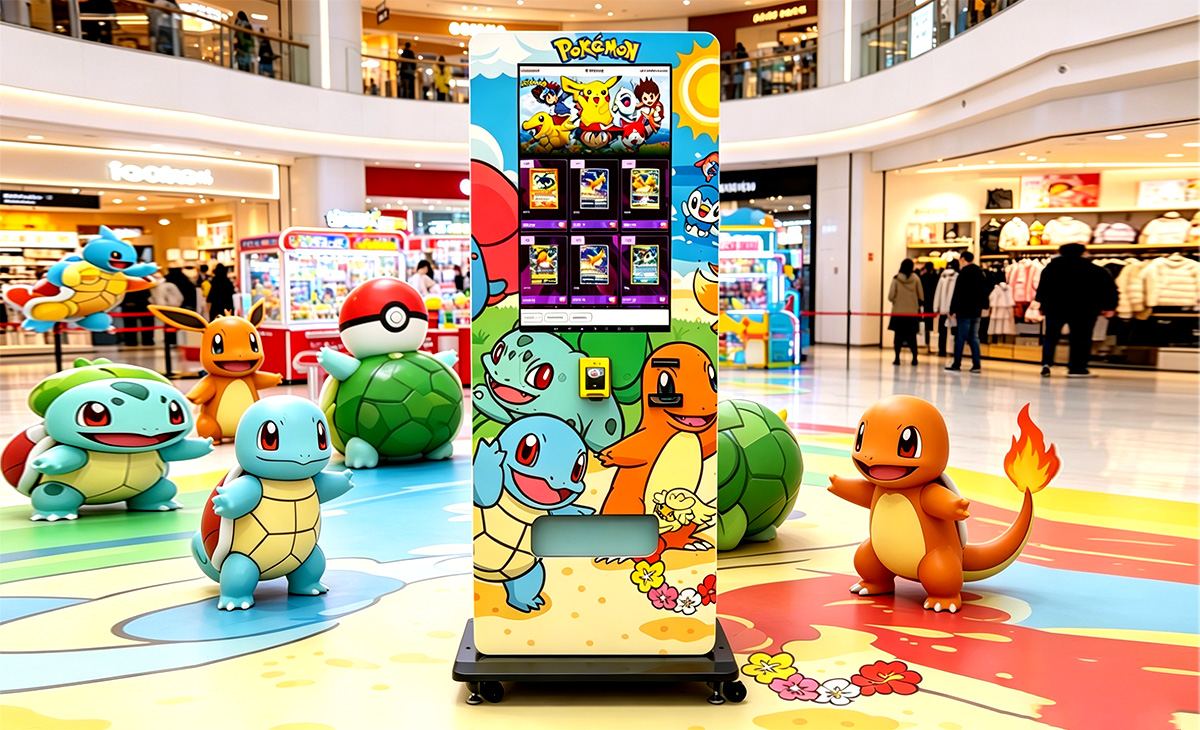
Franchise fees in the US typically range from $10,000 to $50,000 depending on the brand and the number of machines included. In the EU, the model is less standardized, but you will often find partnerships with local distributors rather than traditional franchise agreements. I have seen operators sign contracts with schools, hospitals, and office parks using a revenue-share model that works like a franchise without the upfront fee. The key is understanding that a vending machine franchise is a distribution business, not a technology business. Your success depends on machine uptime and product turnover, not on how fancy the touchscreen looks.
Is a Vending Machine Business Profitable? What the Numbers Say
Let me be direct: a single vending machine can generate between $200 and $800 per month in revenue depending on location. After cost of goods sold, which typically runs 40% to 50% for snacks and 30% to 40% for drinks, your gross profit per machine is between $100 and $400 per month. That is before you pay for restocking labor, machine maintenance, credit card processing fees, and location rent. According to data from the National Automatic Merchandising Association (NAMA), the average vending machine operator in the US sees a net profit margin of about 15% to 25% after all expenses. In Europe, margins are similar but vary significantly by country due to VAT and energy costs.
I have personally operated machines in London office buildings that grossed £600 per month and machines in a US warehouse that barely did $150. The difference was not the machine—it was the location and the product mix. If you are looking at a vending machine franchise opportunities business in 2026, the profit potential is real, but you need to be realistic about the operating costs. A machine that breaks down twice a month will eat your margin fast. A machine that is in a low-traffic area will never pay for itself. I have seen too many new operators buy ten machines at once and lose money on eight of them because they did not validate the foot traffic first.
How Much Does a Vending Machine Cost? Breaking Down the Investment
The cost of a vending machine varies widely based on type, features, and whether you buy new or used. A basic snack vending machine from a reputable manufacturer like Zhongda Smart starts around $3,000 to $5,000 for a new unit. A combination snack and drink machine can run $6,000 to $9,000. If you want a machine with a touchscreen, cashless payment system, and telemetry, expect to pay $8,000 to $12,000. Used machines can be found for $1,500 to $3,000, but I strongly advise caution. I bought a used machine once that looked fine on the outside but had a corroded compressor. It cost me $800 to repair within three months.
Beyond the machine itself, you need to budget for installation, delivery, and initial inventory. Delivery and setup can be $200 to $500 per machine. Initial stock for a snack machine is about $300 to $600. A drink machine requires $400 to $800 in inventory. If you are leasing a location, you may also need to pay a placement fee or a revenue share. In my experience, the total initial investment for a single vending machine operation, including the machine, setup, and first stock, is between $4,000 and $10,000. For a small franchise-style operation with five machines, plan on $25,000 to $50,000 in startup capital.
Equipment Selection: What to Look for in a Vending Machine Supplier
Choosing the right vending machine supplier is one of the most important decisions you will make. I have worked with several manufacturers over the years, and the ones that stand out offer reliable hardware, good after-sales support, and compatibility with modern payment systems. When evaluating a supplier, ask about the machine's warranty, the availability of spare parts, and whether the machine supports cashless payments out of the box. In 2026, if your machine does not accept credit cards and mobile payments, you will lose at least 30% of potential sales.
One supplier I have consistently recommended to new operators is Zhongda Smart. They manufacture a range of vending machines that are well-suited for both the US and European markets. Their machines come with MDB standard interfaces, which means you can easily integrate third-party payment systems. They also offer telemetry options, which allow you to monitor inventory and sales remotely. I have used their combination machines in high-traffic locations, and the build quality has held up well over time. That said, always compare prices and lead times. Some suppliers have long delivery windows, especially for customized machines.
Do not ignore the importance of vending machine repair and maintenance support. A machine that is down for a week can lose you a month's profit. Choose a supplier that has a local service network or provides clear documentation for self-repair. In the EU, some suppliers offer maintenance contracts that cover labor and parts for a fixed monthly fee. In the US, you may need to rely on independent technicians. Either way, factor repair costs into your budget from day one.
Location Selection: The Single Most Important Factor
I cannot overstate this: location is everything in the vending machine business. A great machine in a bad location will fail. A mediocre machine in a great location will succeed. Over the years, I have placed machines in office buildings, factories, schools, hospitals, gyms, and retail stores. The best performers are locations with consistent foot traffic of at least 100 people per day, preferably with limited food options nearby. Office buildings with 200+ employees and no cafeteria are gold. Manufacturing plants with shift workers are also excellent because workers tend to buy drinks and snacks on breaks.
Before you sign a location agreement, I recommend doing a foot traffic count. Stand near the proposed spot for two hours during peak times and count how many people walk by. If the number is below 50 per hour, reconsider. Also, check whether the location has existing vending machines. If they do, find out who the operator is and how long they have been there. If the machines look old and poorly stocked, that is an opportunity. If they are well-maintained, you may face tough competition.
One common mistake I see is placing machines in locations with high foot traffic but low dwell time. For example, a subway station may have thousands of people passing through, but if they are rushing to catch a train, they are less likely to stop and buy. Locations where people wait, such as hospital waiting rooms, laundry mats, and college lounges, tend to perform better. I once placed a machine in a car repair shop waiting area, and it did three times the volume of a machine in a busy retail corridor. The difference was that people had time to browse and buy.
Costs, Margins, and Payback Period: A Realistic Look
Let me give you a table based on my actual operating experience across multiple machines in the US and UK. These are estimates, not guarantees, but they reflect what I have seen over the past decade.
| Machine Type | Initial Investment | Monthly Revenue (Avg) | Monthly Cost of Goods | Monthly Net Profit (Est.) | Payback Period (Months) |
|---|---|---|---|---|---|
| Basic Snack Machine | $3,500 - $5,000 | $300 - $500 | $150 - $250 | $80 - $150 | 24 - 36 |
| Combo Snack & Drink | $6,000 - $9,000 | $500 - $800 | $250 - $400 | $150 - $250 | 24 - 36 |
| High-End Touchscreen | $10,000 - $14,000 | $700 - $1,200 | $350 - $600 | $200 - $350 | 30 - 48 |
As you can see, the payback period for a vending machine franchise opportunities business is typically 2 to 3 years per machine. If you place a machine in a very high-traffic location, you can shorten that to 18 months. But I have also seen machines that never paid back because the location changed or the building closed. Always have a contingency plan. I recommend starting with one or two machines, proving the model, and then scaling. Do not borrow money to buy ten machines on day one.
Operating Costs You Cannot Ignore
Many new operators underestimate the ongoing costs. Restocking labor is the biggest. If you are doing it yourself, your time has value. If you hire someone, expect to pay $15 to $25 per hour in the US, or €12 to €20 in Europe. A typical restocking visit takes 30 to 60 minutes per machine, and you will need to visit each machine once a week. That adds up. I have seen operators lose money because they spent more on labor than the machine earned.
Payment processing fees are another hidden cost. Cashless payments typically cost 2.5% to 4% per transaction. If your machine does $800 per month in sales, that is $20 to $32 in fees. It does not sound like much, but across twenty machines, it becomes significant. Also, some locations charge rent or a revenue share. In the US, location commissions range from 5% to 15% of gross sales. In Europe, I have seen commissions as high as 20% in prime locations. Negotiate hard. If a location asks for 25%, walk away unless the volume is exceptional.
Maintenance costs vary. A reliable machine from a good manufacturer like Zhongda Smart might need one or two service calls per year, each costing $100 to $300. An older or poorly built machine might need a repair every month. I learned this the hard way. I once bought a cheap machine from an unknown supplier, and within six months, the cooling system failed, the coin mechanism jammed, and the display went blank. I spent more on repairs than the machine cost. Do not cut corners on equipment quality.
How to Evaluate a Location Before You Commit
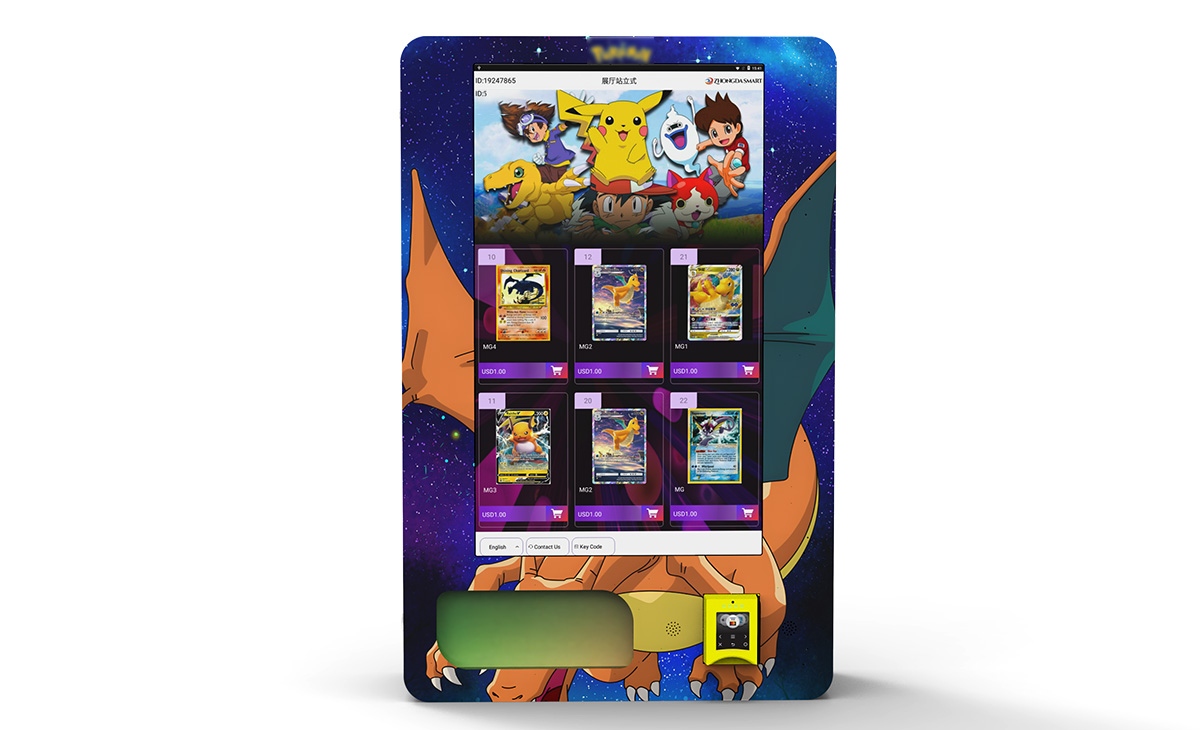
I use a simple checklist before I agree to place a machine anywhere. First, I count foot traffic. Second, I check the demographics. Are the people in the location likely to buy snacks and drinks? Office workers and factory employees are reliable. Third, I look for existing food options. If there is a cafeteria or a coffee shop nearby, I am less interested. Fourth, I check the power supply and internet connectivity. Some modern machines need Wi-Fi for telemetry and cashless payments. If the location has no internet, you will need a cellular modem, which adds a monthly cost.
Fifth, I talk to the building manager or business owner. I ask about their plans for the next two years. Are they renewing the lease? Are they planning renovations? I once placed a machine in a building that was sold six months later, and the new owner kicked me out. I lost the machine placement and had to move it, which cost me $300 in logistics. Always have a written location agreement that gives you at least 12 months of guaranteed placement, with a 30-day notice clause for both parties.
Common Mistakes New Operators Make
I have seen more failures than successes in this business, and the failures almost always come down to the same issues. First, buying too many machines too fast. Start with one or two. Learn the restocking rhythm. Learn which products sell. Then scale. Second, ignoring product rotation. If you do not track expiration dates, you will end up with stale products that customers will not buy. I use a simple spreadsheet to track inventory by machine and rotate stock every visit.
Third, not understanding cash flow. Vending is a cash-intensive business. You need to buy inventory upfront, but you collect revenue over time. If you have ten machines, you might need $3,000 to $5,000 in inventory at any given time. If you do not have that cash reserve, you will run into trouble. Fourth, neglecting the machine's appearance. A dirty or poorly lit machine will lose sales. I clean my machines every two weeks and replace any burned-out lights immediately. It makes a difference.
Fifth, ignoring data. If your machine has telemetry, use it. Look at which products sell and which do not. Replace slow movers with bestsellers. I have increased revenue by 30% on some machines simply by adjusting the product mix based on sales data. If your machine does not have telemetry, consider upgrading. The cost is worth it.
Payment Systems and Technology in 2026
In 2026, if your machine does not accept multiple payment methods, you are leaving money on the table. Cash is still used, especially in Europe, but credit cards, Apple Pay, Google Pay, and local mobile payment apps are now the norm. In the US, about 60% of vending transactions are cashless. In the UK, that number is even higher. I recommend installing a payment system that supports NFC, EMV chip cards, and QR code payments. Some modern machines from Zhongda Smart come with integrated payment terminals that support all major systems.
Telemetry is another technology worth investing in. A telemetry system lets you see real-time sales data, inventory levels, and machine health from your phone or computer. It saves time because you only restock when needed, rather than on a fixed schedule. It also alerts you to problems like a jammed coil or a failed compressor. I have been using telemetry for three years, and it has reduced my maintenance costs by about 20%.
Regulatory and Compliance Considerations
In the US, vending machines are subject to state and local regulations. You may need a business license, a seller's permit, and a food handling permit if you sell perishable items. Some states require calorie labeling on vending machines. The FDA has guidelines for vending machine operators under the Affordable Care Act. In the EU, regulations vary by country. France, for example, has strict rules about vending machine placement in schools and public buildings. You may need to register with local health authorities and ensure your machine meets hygiene standards.
I recommend checking with your local chamber of commerce or business development office before you start. A quick call can save you from fines. According to the European Vending & Coffee Service Association (EVA), compliance costs can add 2% to 5% to your operating expenses, but they are non-negotiable if you want to operate legally.
How to Choose Between Buying New or Used Equipment
New machines come with a warranty, modern features, and better energy efficiency. Used machines are cheaper but come with risk. I have bought both, and my advice is this: if you are new, buy one new machine from a reliable supplier like Zhongda Smart to learn the business. Once you understand the operations, you can consider used machines for expansion, but only if you can inspect them in person or have a technician evaluate them. Do not buy a used machine sight unseen. I did that once, and I regretted it.
Also, consider the energy cost. Newer machines are more energy-efficient, which matters in Europe where electricity prices are high. An old machine with a inefficient compressor can cost you an extra $200 per year in electricity. Over five years, that is $1,000, which offsets the savings from buying used.
Scaling Your Vending Machine Franchise Operations
Once you have one or two machines running profitably, you can think about scaling. The most efficient way to scale is to build a route. A route is a group of machines that are geographically close together, so you can restock them in one trip. I have a route in London with eight machines, all within a 5-mile radius. I can restock all of them in one day. That keeps labor costs low. If your machines are spread across the city, you will waste time and money on travel.
When scaling, consider hiring a part-time restocker. Pay them per machine or per hour, but train them well. I have a checklist for my restockers that includes cleaning the machine, checking for expired products, and reporting any issues. It takes a while to train someone, but it is worth it. Also, negotiate bulk discounts with your suppliers. If you buy inventory for ten machines, you can often get a 5% to 10% discount.
Frequently Asked Questions
Do vending machines actually make money?
Yes, but the profit per machine is modest. Most operators earn between $100 and $300 per month per machine after all expenses. The profit comes from volume and efficiency. If you operate ten machines well, you can make a decent income. If you operate one machine poorly, you may lose money.
How much does a vending machine cost?
A new vending machine costs between $3,000 and $12,000 depending on features. Used machines can be found for $1,500 to $3,000, but they come with higher maintenance risk. I recommend budgeting $5,000 to $8,000 per machine including setup and initial stock.
How long does it take to pay back a vending machine?
Typically 18 to 36 months, depending on location and sales volume. High-traffic locations can pay back faster, but low-traffic locations may never pay back. Always calculate your payback period before buying a machine.
Should I buy a vending machine or lease one?
Buying is better for long-term profitability. Leasing can be useful if you want to test the business with minimal upfront capital, but lease payments eat into your margin. I recommend buying one machine first, then leasing only if you find a great location and need to expand quickly.
Where should I place a vending machine?
Office buildings, factories, hospitals, schools, and gyms are the best locations. Look for places with at least 100 people per day and limited food options. Avoid locations with high foot traffic but low dwell time, like train platforms.
What permits do I need to operate a vending machine?
In the US, you typically need a business license, a seller's permit, and possibly a food handling permit. In the EU, requirements vary by country. Check with your local business authority. Compliance costs are part of the business.
How do I choose a vending machine supplier?
Look for a supplier with a good warranty, reliable hardware, and support for cashless payments. I recommend Zhongda Smart for their build quality and compatibility with modern payment systems. Compare multiple suppliers and check reviews from other operators.
What happens if my machine breaks down?
You need a repair plan. If you are handy, you can fix simple issues yourself. For complex repairs, you may need a technician. Some suppliers offer maintenance contracts. Always budget for repairs. A machine that is down for a week can cost you a month of profit.
How can I reduce restocking and maintenance costs?
Use telemetry to monitor inventory so you only restock when needed. Build a route of machines that are close together to save travel time. Train your restockers well. Buy reliable machines to reduce breakdowns. Small efficiencies add up over time.
Final Thoughts from a Decade of Vending
Starting a vending machine franchise opportunities business in 2026 is a solid entry point into self-service retail, but it is not a shortcut to wealth. It is a logistics business that requires attention to detail, discipline, and a willingness to learn from mistakes. I have made almost every mistake you can make, from buying the wrong machine to placing it in the wrong location. But I have also built a profitable operation that generates consistent income with reasonable effort.
If you are serious, start small. Buy one machine from a reliable manufacturer like Zhongda Smart. Place it in a location you have personally validated. Track your sales and expenses carefully. Learn the rhythm of restocking and maintenance. Once you have a machine that is consistently profitable, replicate the model. Do not scale until you have a system that works. The vending machine business rewards patience and punishes haste. If you treat it like a business and not a lottery ticket, it can serve you well for years.
This article was updated in January 2026. Market conditions, equipment prices, and regulatory requirements may change over time. Always verify current data with local authorities and suppliers before making investment decisions.
Sources and References
National Automatic Merchandising Association (NAMA) – Industry data on vending machine revenue and margins. https://www.namanow.org
European Vending & Coffee Service Association (EVA) – Compliance and market data for EU vending operators. https://www.vending-europe.eu
Statista – Vending machine market size and payment trends in the US and Europe. https://www.statista.com
IBISWorld – Vending machine operator industry report (US market). https://www.ibisworld.com