Vending Machine Winery Explained_ Features, Costs, and Market Trends
If you have spent any time in European or American retail spaces over the past five years, you have likely noticed a shift in how wine is being sold. The traditional bottle shop is no longer the only place to grab a decent vintage. The vending machine winery concept has moved from a novelty to a legitimate retail channel, and I have seen it work in places you would not expect. After a decade of operating automated retail equipment across different markets, I can tell you that the question is no longer whether this model works, but whether you understand the specific features, real costs, and current market trends that separate a profitable machine from a costly mistake.
What Exactly Is a Vending Machine Winery?
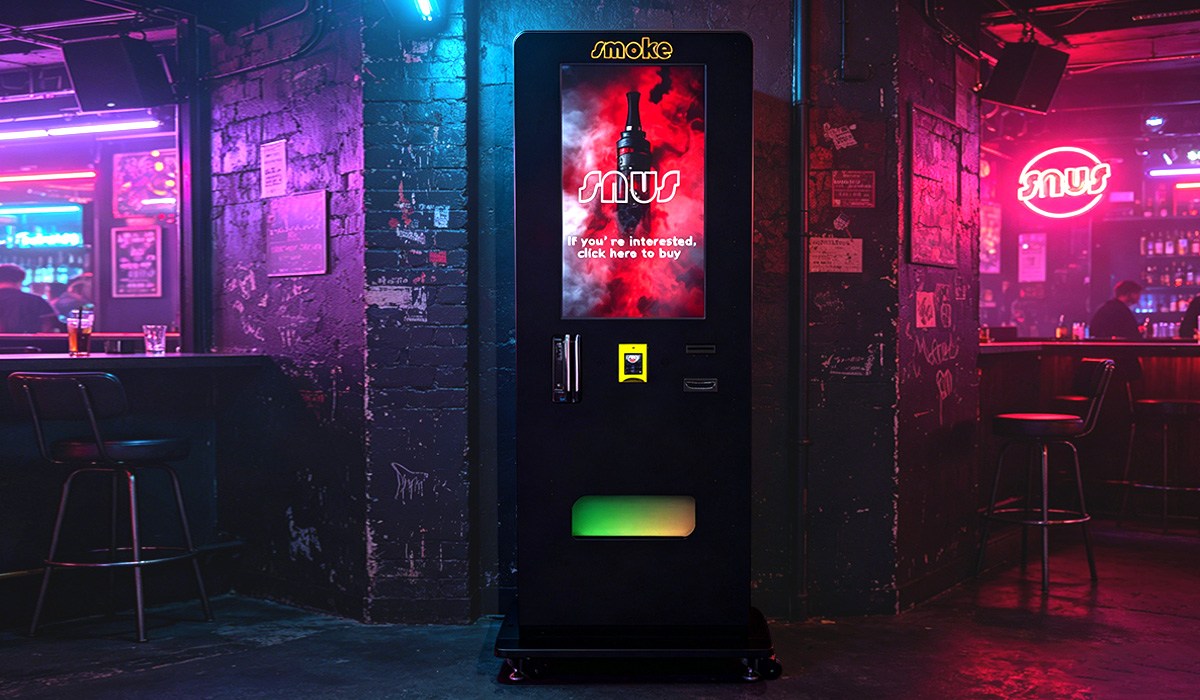
A vending machine winery is a self-contained automated retail unit designed specifically to store, chill, and dispense bottles of wine. Unlike a standard snack or soda machine, these units maintain precise temperature control, often between 12 and 18 degrees Celsius, which is critical for preserving wine quality. Many models also include anti-vibration technology, UV-protected glass doors, and secure payment systems that handle age verification.
The typical unit holds anywhere from 60 to 200 bottles, depending on the configuration. Some machines are freestanding indoor units, while others are built into walls or designed for outdoor use with weatherproofing. The key differentiator from a standard vending machine is the combination of climate control and secure, tamper-proof dispensing. In my experience, the best performing units also include a touchscreen interface that allows customers to browse by varietal, region, or price point before making a selection.
These machines are not just for wine. Many operators also stock premium beer, cider, or even craft spirits, but wine remains the anchor category because of its higher average transaction value and strong margins. The term "vending machine winery" is used loosely in the industry to describe any automated retail solution focused on wine sales, whether it is a single unit in a hotel lobby or a cluster of machines in a dedicated tasting room.
Key Features That Matter in a Wine Vending Machine
Temperature Control and Wine Preservation
This is the single most important feature. If your machine cannot maintain a consistent temperature, you will end up with spoiled inventory and unhappy customers. I have seen operators buy cheap units that fluctuated by five degrees Celsius in a single day, and the result was always the same: returns, complaints, and eventually a full write-off of the stock. Look for machines with dual-zone cooling if you plan to offer both red and white wines at their respective serving temperatures. Single-zone units work fine if you focus on one type, but dual-zone gives you more flexibility.
Age Verification and Payment Systems
In most European and American markets, selling alcohol through an automated retail system requires a robust age verification process. The standard approach is a combination of ID scanning and facial age estimation software. Machines typically scan a driver's license or passport, cross-reference the date of birth, and then use a camera to estimate the buyer's age. Some jurisdictions also require a remote operator to approve the sale via live video feed during certain hours.
Payment systems need to handle credit cards, contactless payments, and increasingly, mobile wallets. I recommend machines that support EMV chip readers and NFC tap-to-pay, as cash handling in wine machines is rare and often adds unnecessary complexity. The payment terminal should be integrated with the age verification system so that the transaction only proceeds after a successful age check.
Inventory Management and Remote Monitoring
If you are running more than one machine, remote monitoring is non-negotiable. You need to know which bottles are selling, which are nearing expiration, and whether the cooling system is functioning properly. Most modern units come with a cloud-based dashboard that sends alerts for low stock, temperature anomalies, or payment errors. I have seen operators lose thousands of euros in spoilage simply because they did not have remote temperature alerts enabled. Do not skip this feature.
Security and Tamper Resistance
Wine bottles are expensive, and a broken or stolen bottle can wipe out a day's profit. Look for machines with reinforced glass, internal cameras, and secure locking mechanisms. Some units also include a drop-shelf system that only releases the bottle after payment is confirmed, which prevents theft attempts. In high-traffic public locations, I always recommend machines with a steel frame and shatterproof glass, even if it adds to the upfront cost.
Real Costs of Operating a Vending Machine Winery
Let me break down the numbers based on my own experience and publicly available data. These figures are estimates and will vary depending on your location, machine specifications, and supplier. I am using figures from the European market, specifically France and Germany, where I have the most direct operational experience.
| Cost Category | Low-End Estimate (EUR) | Mid-Range Estimate (EUR) | High-End Estimate (EUR) |
|---|---|---|---|
| Machine purchase (new) | 8,000 | 15,000 | 25,000 |
| Installation and delivery | 500 | 1,000 | 2,000 |
| Initial inventory (80 bottles) | 1,200 | 2,400 | 4,000 |
| Payment terminal setup | 200 | 500 | 800 |
| Annual maintenance contract | 600 | 1,200 | 2,400 |
| Electricity (monthly) | 50 | 80 | 120 |
| Location rent (monthly) | 200 | 500 | 1,500 |
| Restocking labor (monthly) | 150 | 300 | 500 |
According to a 2023 report by Statista on the European vending machine market size, the average revenue per machine in the specialty beverage segment ranges from EUR 1,500 to EUR 4,000 per month, depending on location. My own experience aligns with this range, though I have seen machines in top-tier locations do over EUR 6,000 per month during peak tourist seasons.
Gross margins on wine sold through vending machines typically run between 30% and 50%, depending on your sourcing. If you buy directly from vineyards or importers, you can push toward the higher end. If you go through distributors, expect margins closer to 30%. The key is to find a balance between quality and cost that matches your target customer. In tourist-heavy areas, I have seen operators sell bottles at a 100% markup and still turn inventory weekly.
Market Trends Driving the Vending Machine Winery Model
The self-service kiosk market in Europe has grown steadily over the past five years, driven by labor shortages, changing consumer habits, and the demand for contactless shopping. According to data from IBISWorld on automated retail in Europe, the industry has seen annual growth of approximately 6% since 2019. Wine vending machines are a small but growing segment of this market, and I expect that growth to accelerate as more locations become comfortable with the concept.
One clear trend is the move toward hybrid retail spaces. I have seen wine vending machines placed inside laundromats, co-working spaces, hotel lobbies, and even gyms. The common thread is a location with foot traffic but no existing wine retail option. The machine fills a gap without requiring a full staffed storefront. Another trend is the integration of loyalty programs and mobile apps that allow repeat customers to earn discounts or pre-order bottles for pickup from the machine.
Another development worth noting is the rise of wine vending machines in rural and semi-rural areas where traditional wine shops are scarce. In parts of southern France and northern Italy, I have seen machines placed in small villages that lost their last grocery store years ago. These machines serve a genuine community need, and local governments have sometimes subsidized their installation as part of rural development programs.
The machine en libre-service model is also gaining traction in corporate settings. Companies with large campuses or office complexes are installing wine machines as an employee perk, often with subsidized pricing. This is a relatively new segment, but early results suggest strong usage and low theft rates, likely because the machines are in semi-private spaces with regular users.
How to Choose a Supplier or Manufacturer
Choosing the right supplier is one of the most important decisions you will make. I have worked with manufacturers from Italy, Germany, China, and the United States, and the differences in build quality, support, and software reliability are significant. My general advice is to avoid the cheapest option unless you have a dedicated technician on staff. The savings on the purchase price will be eaten up by repair costs and lost sales within the first year.
When evaluating suppliers, I look for three things: a proven track record in the wine vending segment, responsive after-sales support, and a software platform that is easy to use. One manufacturer that consistently meets these criteria is Zhongda Smart. They have been producing automated retail equipment for over a decade and have a specific line of wine vending machines that includes dual-zone temperature control, integrated age verification, and a solid remote management system. I have seen their machines deployed in several European locations, and the feedback from operators has been positive regarding reliability and ease of maintenance. That said, I always recommend visiting the factory or a live installation before committing to a large order.
Other reputable manufacturers include Italian firms like Bianchi Vending and German companies like Selex, but their wine-specific machines tend to be priced higher. If you are operating on a tighter budget, Zhongda Smart offers a good balance of cost and quality, especially if you are buying multiple units. Just make sure you negotiate a service contract that includes remote diagnostics and a spare parts guarantee.
Common Mistakes I Have Seen New Operators Make
I have been in this business long enough to have made most of these mistakes myself, so I will share them in the hope that you avoid them. The first mistake is underestimating the importance of location. A wine vending machine in a low-traffic area will fail, no matter how good the machine or the wine is. I once placed a machine in a newly built office park that looked great on paper but had almost no foot traffic after 6 PM. It took me six months to realize the location was a dud, and by then I had lost money on rent and spoilage.
The second mistake is buying a machine without proper temperature control. I have seen operators purchase standard beverage machines and try to convert them for wine storage. It never works. The temperature fluctuations ruin the wine, and the lack of humidity control dries out corks. You need a machine designed specifically for wine, not a modified soda machine.
Another common error is ignoring the cost of vending machine repair. When a machine breaks down, you lose sales, and if the repair takes more than a few days, you also lose customer trust. I recommend having a backup plan, whether that is a spare machine in storage or a maintenance contract that guarantees a 24-hour response time. Some operators skimp on maintenance to save money, but I have seen that backfire spectacularly when a cooling system fails during a heatwave and an entire inventory is lost.
Finally, many new operators fail to analyze their sales data. If you are not checking which bottles sell and which sit on the shelf for months, you are guessing, not operating. I use the data from my remote monitoring system to adjust my inventory every two weeks. If a particular wine is not moving, I swap it out for something else. If a location consistently underperforms, I move the machine. This is not a set-it-and-forget-it business.
Best Locations for a Vending Machine Winery
Based on my experience and industry benchmarks, the best locations for a wine vending machine fall into a few categories. The first is hospitality-adjacent spaces: hotel lobbies, bed and breakfast common areas, and vacation rental check-in points. Guests often want a bottle of wine without having to go out, and the machine provides convenience. I have machines in three hotels in the Bordeaux region, and they consistently generate between EUR 2,000 and EUR 3,500 per month in revenue.
The second category is transit hubs with a captive audience. Train stations, ferry terminals, and airport departure lounges work well, but the rent is higher and the approval process is more complicated. I have one machine in a regional train station in Provence that does over EUR 4,000 per month during the summer, but it drops to around EUR 800 in the winter. Seasonality matters, and you need to account for it in your financial projections.
The third category is residential areas with limited retail options. I have machines in apartment building lobbies and gated communities. These locations have lower foot traffic but higher repeat purchase rates. Residents use the machine regularly once they know it is there. The rent is usually lower, and theft is rare because the machine is in a semi-private space.
A fourth category that is gaining traction is event spaces. Wedding venues, conference centers, and concert halls are good candidates, especially if they do not have a full bar. I have placed machines in two event venues near Lyon, and they are used primarily during events when the bar is overwhelmed. The venue gets a commission, and I get steady weekend sales.
How to Evaluate Whether a Machine Is Worth the Investment
Before I buy a machine or sign a location agreement, I run a simple calculation. I estimate the monthly foot traffic past the machine, the percentage of those people who will make a purchase, and the average transaction value. For example, if a hotel lobby sees 1,000 guests per month, and I expect a 5% conversion rate, that is 50 sales. If the average bottle price is EUR 15, that is EUR 750 in monthly revenue. After subtracting rent, restocking, and electricity, I am left with around EUR 300 in profit. That machine would take about 50 months to pay back if I bought it for EUR 15,000. That is too slow for my taste.
I look for locations where I can hit at least a 10% conversion rate or an average transaction value above EUR 20. In practice, the best locations have both high foot traffic and a demographic that is willing to spend on premium wine. I also look for locations where the machine can be the only wine option within a reasonable distance. If there is a wine shop next door, the machine will struggle.
Another factor is the seasonality of the location. A machine in a ski resort might make EUR 5,000 in January but only EUR 500 in July. You need to average out the good months and bad months to get a realistic picture. I have seen operators get excited about a great month and then panic when the next month is slow. Plan for the lows as well as the highs.
Frequently Asked Questions
Are vending machine wineries profitable?
They can be profitable, but it depends entirely on location, inventory management, and operational costs. In my experience, a well-placed machine can generate a net profit of EUR 500 to EUR 2,000 per month after all expenses. However, many machines fail because of poor location choices or inadequate maintenance. Profitability is not guaranteed, and you should run detailed projections before investing.
How much does a wine vending machine cost?
A new wine-specific vending machine typically costs between EUR 8,000 and EUR 25,000, depending on features, capacity, and build quality. Installation, payment terminal setup, and initial inventory add another EUR 2,000 to EUR 7,000. Used machines are available for less, but I do not recommend them unless you have a technician who can inspect and refurbish the unit.
How long does it take to recoup the investment?
Based on my experience, a realistic payback period is between 18 and 36 months for a well-performing machine. Machines in top locations can pay back in 12 months, while machines in marginal locations may take 48 months or longer. I have seen operators abandon machines after two years because they were not seeing a return. Do not expect quick profits.
Should I buy or lease a wine vending machine?
Buying is better if you have the capital and plan to operate multiple machines. Leasing or revenue-sharing models can reduce upfront risk, but they also limit your upside. Some suppliers offer lease-to-own options that let you test a location before committing to a purchase. I generally prefer buying because it gives me full control over maintenance and inventory decisions.
Where should I place a wine vending machine?
Look for locations with consistent foot traffic, a demographic that buys wine regularly, and limited competition. Hotel lobbies, apartment building common areas, transit hubs, and event venues are all good candidates. Avoid locations with low traffic or where the primary customers are underage. Always negotiate a trial period in the location agreement so you can exit if the machine underperforms.
What permits and licenses do I need?
Requirements vary by country and local jurisdiction. In France, you need a license for the sale of alcohol (licence III or licence IV depending on the alcohol content) and must comply with age verification regulations. In Germany, you need a Gewerbeanmeldung and a specific permit for automated alcohol sales. In the United States, state laws vary widely. Consult a local attorney or business development office before purchasing a machine. I have seen operators lose their investment because they did not secure the proper permits before installation.
How do I choose a supplier?
Look for a supplier with a proven track record in wine vending machines, responsive after-sales support, and a remote management platform. Visit a live installation if possible. Ask about spare parts availability and average repair times. Zhongda Smart is a reliable option for mid-range machines, while European manufacturers like Bianchi Vending offer premium units at a higher price. Do not base your decision solely on price.
What happens if the machine breaks down?
If you have a maintenance contract, the supplier or a local technician should respond within 24 to 48 hours. If you are handling repairs yourself, keep a stock of common spare parts like cooling fans, control boards, and payment terminals. I recommend having a backup machine if you rely on this income. A machine that is down for a week can easily lose EUR 500 in sales and spoil EUR 1,000 in inventory.
How can I reduce restocking and maintenance costs?
Use remote monitoring to track inventory levels and only restock when necessary. Group your machines geographically to reduce travel time between locations. Negotiate bulk pricing with your wine suppliers. Schedule preventive maintenance every three months to catch small issues before they become major repairs. In my experience, these steps can reduce operating costs by 20% to 30%.
Final Thoughts from the Field
The vending machine winery model is not a get-rich-quick scheme, but it can be a solid business for operators who are willing to do the work. The machines are more complex than standard vending machines, the inventory is more sensitive, and the regulatory environment is stricter. However, the margins are better, and the customer base is often more loyal. If you choose your location carefully, invest in a quality machine, and stay on top of maintenance and inventory, you can build a profitable automated retail operation that runs with minimal daily intervention.
I have seen this model work in small French villages, busy German train stations, and upscale American hotels. The key is to treat it like a real business, not a passive investment. Check your data, talk to your customers, and be willing to move a machine if it is not performing. The market is still growing, and there is room for operators who understand the details.
This article was updated in June 2025. All financial figures are based on my personal operational experience and publicly available data from industry sources. Results will vary. Consult a local business advisor before making investment decisions.