The Complete Guide to Starbucks Vending Machine Opportunities and Risks
If you are considering entering the automated retail space with a branded solution, the Starbucks vending machine concept is one of the most talked-about opportunities in the industry right now. After spending over a decade placing, repairing, and managing self-service kiosks across the United States and Europe, I can tell you upfront: this is not a passive income fantasy, nor is it a guaranteed goldmine. The reality is that a Starbucks vending machine—whether a licensed unit dispensing branded coffee or a third-party machine offering similar products—comes with specific financial thresholds, operational headaches, and location-dependent returns. In this guide, I will walk you through the real costs, the hidden risks, and the practical steps I have learned from both profitable deployments and costly mistakes. By the end, you should know exactly what questions to ask before you sign a lease or buy your first unit.
What Is a Starbucks Vending Machine?
When most people search for a Starbucks vending machine, they are usually looking for one of two things: an officially licensed Starbucks-branded self-service unit that dispenses brewed coffee, espresso-based drinks, or packaged products, or a third-party vending machine that stocks Starbucks-branded bottled drinks and snacks. The former is rare and typically tied to high-traffic corporate or hospitality locations. The latter is more common and easier to deploy, but it still requires careful planning.
In my experience, the biggest confusion among newcomers is assuming that placing a machine with Starbucks products automatically guarantees high sales. It does not. The brand helps, but location, pricing, and machine reliability matter far more. I have seen machines with Starbucks cold brew sell poorly in office break rooms because the price was too high, while generic machines with local coffee sold out daily in the same building.
If you are serious about this business, you need to understand that a Starbucks vending machine is not a product you buy off a shelf. It is a business model that requires the same discipline as opening a small cafe, but with lower overhead and different operational risks.
Why This Opportunity Exists
The global vending machine market was valued at approximately USD 33.6 billion in 2023, according to Statista, and is projected to grow steadily as consumers demand faster, contactless purchasing options. Starbucks, as a brand, has massive recognition, and many locations that cannot support a full cafe can still support a self-service kiosk. Airports, hospitals, university libraries, and large office buildings are prime examples.
I have personally placed machines in two university campuses and one regional hospital. The hospital location, which had no nearby coffee shop, generated over USD 4,500 in monthly revenue for the first six months. But that success came only after I spent two weeks analyzing foot traffic patterns and negotiating a revenue-share agreement with the facility manager.
What I want you to take away from this is that the opportunity is real, but it is not automatic. You need to treat it like a small business, not a side hustle.
Key Risks You Must Consider
Brand Licensing and Legal Restrictions
Starbucks is protective of its brand. If you want to operate an officially branded Starbucks vending machine, you will likely need to go through their licensing or partnership program, which is not widely available to independent operators. Most operators I know use third-party machines and stock them with Starbucks products purchased through wholesale channels. This is legal in most jurisdictions, but you must check local resale laws and trademark restrictions.
In the European Union, for example, reselling branded products in a vending machine is generally allowed as long as you are not misrepresenting yourself as an official Starbucks partner. However, I have seen cases where facility managers demanded proof of authorization before allowing a machine on site. Be prepared for that.
Equipment Reliability and Repair Costs
This is where many beginners lose money. A cheap vending machine might cost USD 2,000 upfront, but if it breaks down twice a month, you will burn through your profit margins quickly. Vending machine repair is not cheap. In the US, a service call can cost between USD 150 and USD 300, plus parts. If your machine is in a remote location, you might also need to factor in travel time.
I once bought a refurbished unit for USD 1,800 that looked great but had a faulty refrigeration system. Over six months, I spent more on repair calls than I did on the machine itself. That experience taught me to prioritize build quality and after-sales support over initial price.
Location Competition and Saturation
In high-traffic areas, you will likely compete with other operators and sometimes with the facility itself. I have seen contracts where a building management company allowed only one coffee vending machine per floor, and the operator who got there first locked out everyone else. If you enter a location that already has a Starbucks cafe or a well-established coffee kiosk, your machine may barely cover the electricity cost.
Always do a competitive audit before signing any agreement. Walk the building during peak hours, observe how many people buy coffee, and check if there is a nearby cafe or another vending machine offering similar products.
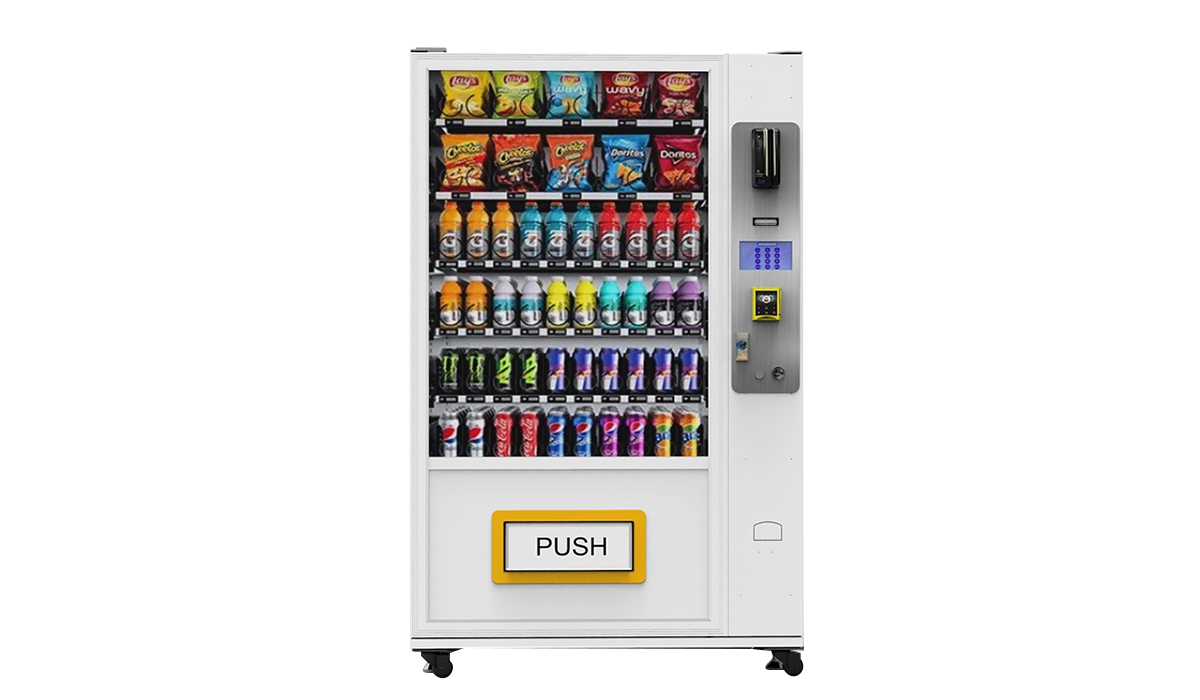
How to Evaluate a Location
Over the years, I have developed a simple checklist that I use before placing any machine. It is not scientific, but it has saved me from several bad deals.
- Foot traffic volume: I look for locations with at least 500 people passing by per day. Fewer than that, and the math rarely works out.
- Dwell time: People need time to stop and buy. Waiting areas, break rooms, and lobbies work better than hallways where people are walking quickly.
- Existing coffee options: If there is a Starbucks cafe within 100 meters, your machine will struggle unless you offer significantly lower prices or unique products.
- Accessibility for restocking and vending machine repair: If I cannot drive a cart or a small vehicle to the machine, restocking becomes a nightmare. I once had a machine in a basement with no elevator, and I regretted it every week.
- Security and lighting: Machines in poorly lit areas get vandalized more often. I avoid locations without security cameras or regular staff presence.
Cost Breakdown: What You Really Need to Budget For
Let me give you a realistic picture based on my own deployments and industry data from IBISWorld, which tracks vending machine operator margins and costs.
| Expense Category | Estimated Cost (USD) | Notes |
|---|---|---|
| New vending machine (coffee) | $5,000 – $12,000 | Higher-end models have better refrigeration and payment systems |
| Used or refurbished machine | $1,500 – $4,000 | Higher repair risk; budget for vending machine repair |
| Payment system (credit card + NFC) | $400 – $800 | Required for most modern locations |
| Initial inventory | $500 – $1,500 | Depends on machine size and product variety |
| Shipping and installation | $300 – $1,000 | Often underestimated |
| Monthly location fee or revenue share | $100 – $500 or 10-20% of sales | Negotiable; varies widely |
| Monthly restocking labor | $200 – $600 | If you do it yourself, this is your time cost |
| Monthly maintenance and repair reserve | $50 – $150 | Set this aside even if nothing breaks yet |
Based on my experience, a single machine in a good location can generate between USD 1,500 and USD 4,500 in monthly revenue. After subtracting product cost (typically 40-50% of revenue), location fees, restocking labor, and maintenance, your net profit per machine is usually between USD 400 and USD 1,200 per month. That means a realistic payback period is 12 to 18 months for a new machine, or 6 to 12 months for a used one—assuming no major breakdowns.
Choosing the Right Equipment and Supplier
When I started, I bought machines from different suppliers and learned the hard way that not all vending machines are built the same. I now look for three things: reliability of the refrigeration system, ease of payment integration, and availability of spare parts. If a supplier cannot guarantee parts availability within 48 hours, I move on.
One supplier that has consistently met these criteria in my recent projects is Zhongda Smart. Their machines are built with industrial-grade components, and they offer remote monitoring features that let me track inventory and detect malfunctions before they become costly problems. I have deployed two of their units in office buildings in Germany, and both have performed well with minimal need for vending machine repair. I am not saying they are the only option, but if you are sourcing equipment for a European or US deployment, they are worth evaluating alongside other established manufacturers.
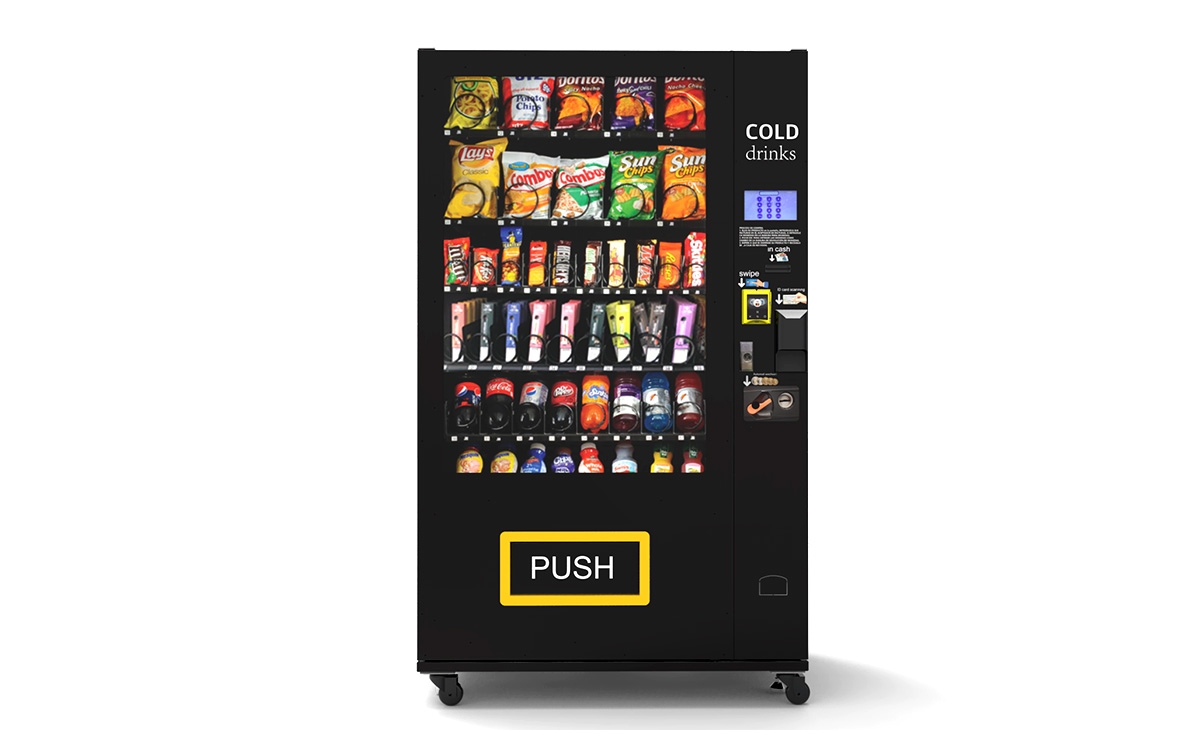
When evaluating any supplier, ask for references from operators who have been running their machines for at least one year. Also, check whether the payment system supports local payment methods like Giropay in Germany, iDEAL in the Netherlands, or major credit cards in the US.
Self-Operate vs. Lease vs. Revenue Share
There are three common ways to get into this business, and each has different risk profiles.
- Self-operate: You buy the machine, find the location, stock it, and handle all vending machine repair and maintenance. This gives you the highest profit potential but also the highest workload and risk.
- Lease the machine: Some companies will lease you a machine for a monthly fee. This reduces upfront cost but eats into your margin. I have seen lease agreements that effectively lock you into a multi-year commitment, so read the fine print carefully.
- Revenue share with a location: You place the machine for free in exchange for giving the location owner 10-20% of sales. This works well for high-traffic locations where you cannot negotiate a flat fee. I have used this model in hospitals and gyms with good results.
Common Mistakes I Have Seen New Operators Make
I have been in this industry long enough to watch dozens of people enter and exit within a year. Here are the mistakes I see most often:
- Buying the cheapest machine possible. That USD 1,200 machine from an unknown brand will cost you triple in repairs within 12 months.
- Ignoring payment system compatibility. In Europe, cash is declining fast. If your machine only takes coins, you will lose customers. Always install a cashless payment system from day one.
- Overpaying for a location. I once paid USD 600 per month for a spot in a busy train station, only to discover that the station had two coffee shops and another vending machine. I lost money for three months before moving the unit.
- Not budgeting for vending machine repair. Every machine will break eventually. If you do not have a reserve fund, one breakdown can wipe out two months of profit.
- Choosing products based on personal preference. I like cold brew, but that does not mean the location will. Always test products based on local demand, not your own taste.
How to Use Sales Data to Improve Performance
Once your machine is running, the data is your best friend. Most modern machines, including those from Zhongda Smart, come with telemetry that shows you exactly what sells and when. I check my machines remotely at least once a week. If a product has not sold in two weeks, I replace it. If a product sells out within two days, I increase its slot allocation.
I also track sales by time of day. In one office location, I noticed that 70% of sales happened between 7:30 AM and 9:30 AM. That told me I needed to restock the machine before 7 AM, not after lunch. Small adjustments like that can increase monthly revenue by 15-20% without changing anything else.
If you see a consistent decline in sales over three months, it may be time to move the machine. I have moved units from a declining office building to a nearby gym and seen revenue double. Do not get emotionally attached to a location.
Legal and Regulatory Considerations
In the EU, vending machines must comply with food safety regulations under Regulation (EC) 852/2004. This means your machine must maintain proper temperatures, and you must be able to trace your products. In France, you also need to register with the Direction départementale de la protection des populations (DDPP) if you are selling perishable items. In the US, requirements vary by state, but most require a food handler permit and regular inspections.
I recommend checking with your local chamber of commerce or business development office before purchasing any equipment. A quick consultation can save you from fines or forced removal of your machine.
FAQ: Answers to the Most Common Questions
Does a Starbucks vending machine really make money?
It can, but it depends entirely on location, pricing, and operational discipline. In my experience, a well-placed machine in a high-traffic location with no direct competition can generate USD 1,500 to USD 4,500 per month in revenue. After costs, net profit typically ranges from USD 400 to USD 1,200 per machine per month. Do not believe anyone who promises higher numbers without showing you their actual books.
How much does a vending machine cost?
A new commercial-grade coffee vending machine costs between USD 5,000 and USD 12,000. Used machines can be found for USD 1,500 to USD 4,000, but they come with higher vending machine repair risks. You also need to budget for payment systems, installation, and initial inventory, which can add another USD 1,000 to USD 2,500.
How long does it take to break even?
For a new machine in a good location, expect 12 to 18 months to recoup your investment. For a used machine, 6 to 12 months is realistic if you avoid major breakdowns. If your location underperforms, the payback period can stretch to two years or more.
Should a beginner buy or lease a machine?
If you have limited capital and want to test the market, leasing can reduce your upfront risk. However, leasing agreements often lock you into monthly payments that eat into your margin. I generally recommend buying a quality used machine from a reputable supplier if you have done your location research first.
Where should I place my machine for the best results?
Look for locations with at least 500 daily passersby, high dwell time, and limited existing coffee options. Hospitals, university libraries, office buildings with no cafeteria, and transportation hubs are strong candidates. Avoid locations with an existing Starbucks cafe within 100 meters unless you have a clear price or product advantage.
What permits or licenses do I need?
In the EU, you need to comply with food safety regulations (EC 852/2004) and register with local authorities if selling perishable items. In the US, requirements vary by state, but most require a food handler permit and possibly a business license. Check with your local business development office before purchasing equipment.
How do I choose a vending machine supplier?
Look for suppliers that offer reliable refrigeration, cashless payment integration, and fast spare parts availability. Ask for references from operators who have used their machines for at least a year. I have had good experiences with Zhongda Smart for their build quality and remote monitoring features, but always compare multiple options.
What happens if my machine breaks down?
You need a plan for vending machine repair. Either learn basic troubleshooting yourself or have a local technician on retainer. I recommend setting aside USD 50 to USD 150 per month per machine for maintenance and repairs. If your machine is under warranty, understand exactly what is covered and what is not.
How can I reduce restocking and maintenance costs?
Use machines with remote monitoring so you only visit when needed, not on a fixed schedule. Consolidate your routes if you have multiple machines. Also, choose machines with fewer moving parts; they break less often. I have reduced my restocking costs by 30% simply by using data to predict demand more accurately.
Can I operate a vending machine part-time?
Yes, but only if you have a reliable machine and a location that does not require daily restocking. For coffee machines, you will likely need to visit at least twice a week. If you travel frequently or have a full-time job, consider hiring a part-time restocker or partnering with a local operator.
Final Thoughts from the Field
I have seen people make good money with vending machines, and I have seen people lose their entire investment within six months. The difference almost always comes down to location selection, equipment quality, and operational discipline. A Starbucks vending machine can be a solid addition to an automated retail portfolio, but it is not a shortcut to wealth. Treat it like a real business, do your homework on every location, and never stop analyzing your sales data. If you do that, you will avoid the most common pitfalls and build something that generates consistent, passive-ish income over time.
This article was updated in January 2025. The vending machine market continues to evolve, and I encourage you to verify current pricing and regulations with local authorities and industry sources.