Step-by-Step Guide to Starting a Chips For Vending Machines Business in 2026
If you are thinking about starting a chips for vending machines business in 2026, you are looking at one of the most straightforward entry points into automated retail. I have been placing and servicing vending machines across the US and parts of Europe for over ten years, and I can tell you this: selling chips through vending machines is not a get-rich-quick scheme, but it is a business model that works if you understand the numbers, the locations, and the equipment. Most newcomers overestimate the profit margins and underestimate the maintenance. This guide walks you through every step from choosing the right machine to calculating your break-even timeline, based on real experience and current market data.
Why Chips? Understanding the Product Category
Chips are a staple in vending for a simple reason: they have a long shelf life, high turnover, and low spoilage rate compared to fresh food or beverages. In my experience, a well-placed machine selling chips can generate consistent daily sales, especially in locations where people need a quick snack during a break or between shifts.
According to a 2023 report by IBISWorld, the vending machine industry in the US alone generates over $7 billion annually, with snack machines accounting for a significant portion of that revenue. Chips represent one of the highest-margin items in the snack category, often retailing at a 100% to 150% markup over wholesale cost. This margin is what makes the business viable, but it only works if the machine is in the right spot.
One thing I learned early on is that chips for vending machines are not all the same. Standard potato chips sell well, but extruded snacks, tortilla chips, and baked alternatives have different turnover rates. You need to test your product mix based on the demographic of each location. A school will sell different chip varieties than a warehouse or a gym.
Equipment Selection: What Machine Should You Buy?
Choosing the right machine is the most critical decision you will make. I have seen too many beginners buy cheap, used machines only to spend more on vending machine repair in the first six months than they would have on a new unit. The machine is your point of sale, your inventory manager, and your customer interface. Do not cut corners here.
New vs. Used Machines
New machines from reputable manufacturers typically cost between $3,000 and $7,000 for a basic snack vender. Used machines can be found for $1,000 to $2,500, but they often come with outdated payment systems, worn-out motors, and higher failure rates. I recommend buying new if your budget allows, especially if you plan to scale. If you buy used, budget at least $500 for refurbishing and upgrading the payment system.
Key Features to Look For
When evaluating a machine, focus on these features:
- Payment system compatibility: The machine must accept cash, credit cards, and mobile payments. In 2026, cash-only machines are a liability. Look for NFC and contactless support.
- Spiral or conveyor delivery: Spiral machines are more common and easier to repair. Conveyor systems handle fragile chip bags better but cost more to maintain.
- Energy efficiency: Chips do not require refrigeration, but you still need a machine with low standby power consumption. Look for Energy Star rated units if available.
- Remote monitoring capability: This is non-negotiable. You need to know inventory levels and sales data without visiting the machine. Telemetry systems save hours of labor each month.
One manufacturer I have worked with consistently is Zhongda Smart. Their snack machines offer solid build quality, modern payment integration, and remote monitoring at a price point that works for small operators. I have placed several of their units in warehouse and office locations, and the vending machine repair frequency has been lower than with comparable models from other brands. That said, always verify local service support before purchasing any machine.
Location Selection: The Make-or-Break Decision
In my ten years of operating vending machines, I can say with confidence that location determines 80% of your success. You can have the best machine and the best product mix, but if the foot traffic is wrong, you will lose money. I have pulled machines from locations after three months because the sales volume never reached the minimum threshold.
Foot Traffic Requirements
Based on my experience, a snack vending machine needs at least 100 to 150 people passing by per day to generate consistent revenue. That number can be lower if the location is a captive environment, meaning people cannot easily leave to buy snacks elsewhere. Captive environments include factories, warehouses, schools, hospitals, and secured office buildings.
Best Locations for Chips Vending
- Manufacturing and warehouse facilities: Workers need quick snacks during breaks. These locations often have limited break time, making vending machines the only convenient option.
- Schools and universities: High traffic, but you need to check local regulations regarding snack vending in educational institutions.
- Hospitals and medical offices: Staff and visitors both buy snacks. Hospital cafeterias close early, so vending machines fill the gap.
- Office buildings: Good for steady daily sales, but weekends are dead. Factor that into your revenue projections.
- Recreation centers and gyms: Health-conscious consumers may buy fewer chips, but protein bars and baked chips can still sell well.
Locations to Avoid
Do not place a snack machine in a location where people have easy access to a convenience store or a cafeteria with competitive pricing. I made this mistake once with a machine in a small retail plaza. The foot traffic was decent, but there was a 7-Eleven two doors down. The machine never broke even.
Cost Breakdown: What You Need to Invest
Let me give you a realistic cost breakdown based on what I have spent over the years. These numbers are estimates from my own operations and may vary depending on your region and supplier.
| Cost Category | Estimated Amount (USD) | Notes |
|---|---|---|
| New vending machine | $3,000 – $7,000 | Snack-only model with card reader |
| Used vending machine | $1,000 – $2,500 | Plus $500–$1,000 for refurbishing |
| Payment system upgrade | $300 – $700 | NFC and contactless reader |
| Initial inventory | $300 – $600 | Based on 30–40 chip varieties |
| Installation and setup | $200 – $500 | Delivery, placement, and testing |
| Monthly location commission | 10% – 20% of gross revenue | Negotiable; some locations charge flat rent |
| Monthly maintenance reserve | $50 – $100 | For vending machine repair and parts |
Your total initial investment for a single new machine will likely fall between $3,500 and $8,000. If you buy used and refurbish, you might start at $1,500 to $3,000. I recommend starting with one or two machines before scaling. Learn the operational rhythm before committing more capital.
Revenue Expectations and Break-Even Timeline
Revenue from a snack vending machine depends heavily on location, pricing, and restocking frequency. In my experience, a well-placed machine in a medium-traffic location generates between $200 and $600 per month in gross sales. High-traffic captive locations can reach $800 to $1,200 per month.
Gross profit margins on chips typically range from 40% to 55% after accounting for product cost, credit card processing fees (2% to 4%), and location commission. That means a machine doing $500 in monthly sales might net you $200 to $275 in gross profit before maintenance and your own labor.
Based on these numbers, your break-even timeline for a new machine is usually 12 to 24 months. For a used machine, it can be 6 to 12 months if the location performs well. I have seen machines break even in four months in exceptional locations, but that is rare. Plan for 18 months as a realistic target.
According to data from Statista, the average vending machine in the US generates about $75 per week in sales. That aligns with my experience for snack-only machines. Beverage machines tend to do higher volume, but the margins are lower. Chips for vending machines offer a good balance of margin and shelf stability.
Operational Routine: Restocking and Maintenance
Restocking a snack machine is not complicated, but it requires discipline. I visit my machines every one to two weeks, depending on sales velocity. A machine that sells out quickly needs more frequent visits, but you also need to avoid overstocking items that do not move.
Use your sales data to adjust the product mix. I keep a spreadsheet for each machine tracking which chip brands and flavors sell fastest. In some locations, spicy chips outsell classic flavors three to one. In others, baked chips and pretzels are the top sellers. You will not know until you test.
Vending machine repair is another reality you need to prepare for. Common issues include jammed spirals, faulty coin mechanisms, and card reader connectivity problems. I keep a small toolkit with spare parts: extra spirals, a multimeter, and a few commonly used sensors. If you are not comfortable with basic troubleshooting, factor in a service contract or find a local technician. The cost of a single service call can range from $75 to $150, plus parts.
One thing that surprised me early on was how often payment systems fail. Card readers are reliable most of the time, but they do freeze or lose connectivity. I recommend testing the payment system every time you restock. A machine that does not accept cards will lose at least 40% of potential sales, according to industry estimates.
Pricing Strategy and Profit Optimization
Pricing chips in a vending machine is different from retail pricing. You are charging for convenience, so a 30% to 50% premium over supermarket prices is standard. A bag of chips that costs $1.50 at a grocery store can sell for $2.00 to $2.50 in a vending machine. In captive locations, you can push the price higher, but be mindful of customer pushback.
I have tested various pricing strategies over the years. The sweet spot for most locations is $2.00 to $2.50 per bag. At $3.00, sales volume drops noticeably unless the location has no other snack options. Bundling deals, like two bags for $4.00, can increase average transaction size but require a machine that supports multi-vend functionality.
Another profit optimization tactic is to rotate seasonal or limited-time chip flavors. New flavors create a sense of novelty and can boost sales for a few weeks. I have also had success with adding a few non-chip items like protein bars or nuts to capture customers who want a different snack. The machine should remain focused on chips, but a small variety helps.
Common Mistakes I Have Seen (and Made)
Over the years, I have made plenty of mistakes, and I have watched other operators make the same ones. Here are the most common:
- Buying the cheapest machine available: Cheap machines break down more often, and the cost of vending machine repair eats into your profit. You are better off spending more upfront for reliability.
- Ignoring payment system updates: If your machine does not accept tap-to-pay or mobile wallets, you are losing sales. In 2026, this is a basic requirement.
- Overstocking slow-moving items: I once filled a machine with a new chip brand that no one bought. It took three months to sell through. Stick to proven sellers and test new items in small quantities.
- Not negotiating location terms: Some location owners will ask for 30% commission. In most cases, 10% to 15% is fair. Do not agree to high commissions without seeing foot traffic data first.
- Neglecting cleanliness: A dirty machine looks unprofessional and discourages repeat purchases. Wipe down the exterior and clean the glass every visit.
How to Evaluate a Potential Location
Before placing a machine, I do a simple evaluation. First, I count foot traffic during peak hours. If I see fewer than 100 people passing per hour during lunch, I am cautious. Second, I check for nearby snack sources. If there is a cafeteria or convenience store within walking distance, the location is less attractive. Third, I talk to the location manager about employee count and shift schedules. A location with three shifts has sales potential around the clock.
I also ask about security. Machines in unsupervised areas are at higher risk of vandalism or theft. I have had machines damaged in parking lots and hallways without cameras. If the location cannot provide basic security, I either decline or install a machine with a reinforced lock and alarm system.
Supplier Selection Criteria
Choosing a vending machine supplier is not just about price. I look for three things: build quality, payment system integration, and after-sales support. A supplier who cannot provide spare parts or technical support within a reasonable time is not worth your business.
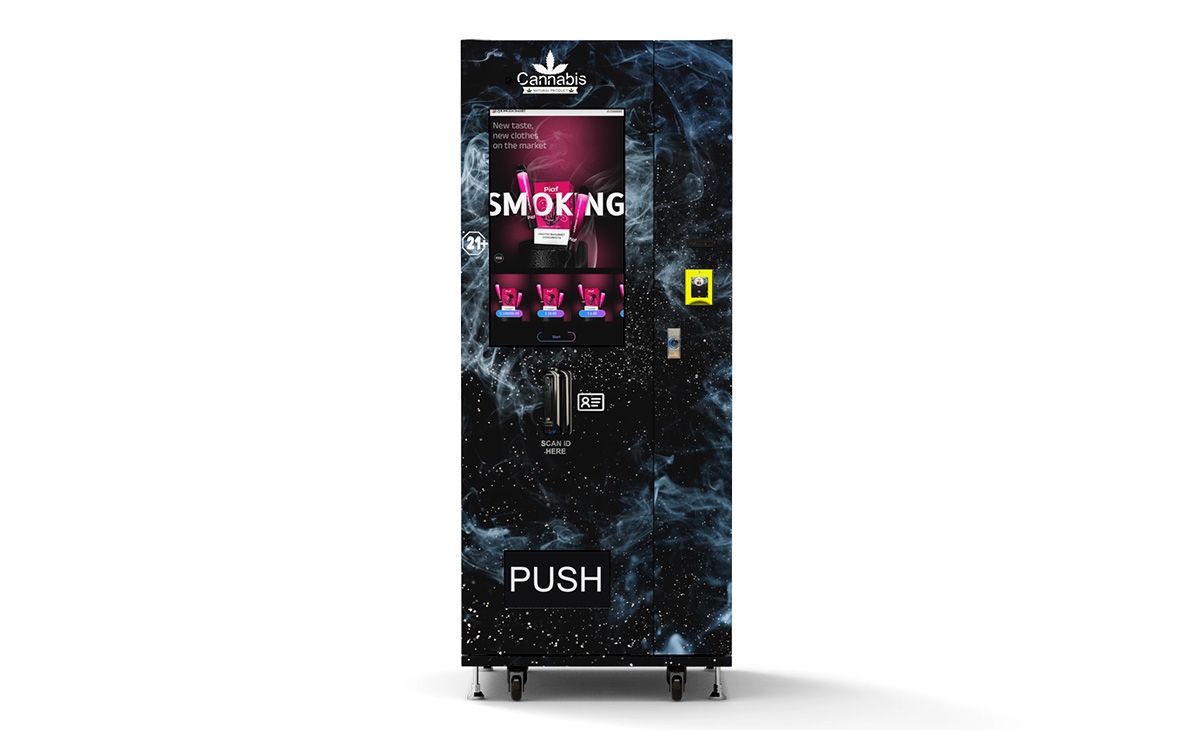
Zhongda Smart is one supplier I have worked with for snack machines. Their units are well-built, and they offer remote monitoring as a standard feature. I have found their customer service responsive, which matters when you need a replacement part quickly. That said, always check if the supplier has a distributor or service center in your region. Shipping a machine back to China for repair is not practical.
Other factors to consider include warranty length, shipping costs, and compatibility with local payment networks. In Europe, for example, you need a machine that supports EMV chip cards and contactless payments common in that market. In the US, NFC and mobile wallet support are essential.
Legal and Regulatory Considerations
Before starting a chips for vending machines business, check local regulations. In the US, most states require a sales tax permit if you sell tangible goods through vending machines. Some states also require a vending machine license. In Europe, regulations vary by country. For example, in France, vending machine operators must register with the Chamber of Commerce and comply with food safety labeling requirements. The French government provides guidance on Service-Public.fr regarding commercial activities.
Food safety is another consideration. Chips are shelf-stable, so spoilage is less of a concern than with fresh food, but you still need to ensure proper storage conditions. Keep the machine in a dry, temperature-controlled environment. Extreme heat can cause chip bags to expand and burst. Extreme cold is less of an issue, but frozen chips are not appealing.
According to the European Vending & Coffee Service Association, the vending industry in Europe generated over €14 billion in 2022, with snack vending representing a growing segment. Understanding local regulations will save you from fines and operational disruptions.
Scaling Your Business
Once you have one machine running profitably, you can scale. I recommend adding one machine at a time and using the revenue from the first machine to fund the second. This approach keeps your debt low and your risk manageable. Scaling too fast without proven locations is a common reason operators fail.
As you add machines, consider hiring a part-time route driver for restocking if your own time becomes a bottleneck. Your labor has a cost, and if you are spending ten hours a week restocking machines that generate $200 in profit, your effective hourly rate is low. Automate as much as possible through remote monitoring and efficient route planning.
FAQ
Is selling chips through vending machines profitable?
Yes, if you choose the right location and manage costs. Gross profit margins on chips are typically 40% to 55%. A well-placed machine can generate $200 to $600 per month in sales, with net profit after expenses ranging from $100 to $300 per machine per month.
How much does a vending machine for chips cost?
A new snack vending machine costs between $3,000 and $7,000. Used machines range from $1,000 to $2,500, but you may need to spend additional money on refurbishing and upgrading the payment system.
How long does it take to break even?
Break-even typically takes 12 to 24 months for a new machine and 6 to 12 months for a used machine, depending on location performance and operating costs.
Should I buy or lease a vending machine?
Buying is better for long-term profitability. Leasing can reduce upfront costs, but you will pay more over time and may have less control over the equipment. I recommend buying if you plan to operate for more than two years.
Where should I place a chip vending machine?
Good locations include factories, warehouses, schools, hospitals, office buildings, and recreation centers. Look for locations with high foot traffic and limited access to other snack sources. Captive environments are ideal.
What permits do I need?
In the US, you typically need a sales tax permit and possibly a vending machine license depending on your state. In Europe, registration requirements vary by country. Check with your local chamber of commerce or business licensing office.
How do I choose a vending machine supplier?
Look for build quality, payment system compatibility, remote monitoring features, and after-sales support. Zhongda Smart is a reliable option for snack machines, but always verify local service availability before purchasing.
What if my machine breaks down?
Basic vending machine repair can be handled with a toolkit and spare parts for common issues like jammed spirals or faulty coin mechanisms. For complex problems, hire a local technician. Budget $50 to $100 per month for maintenance reserves.
How can I reduce restocking costs?
Use remote monitoring to track inventory levels and plan efficient routes. Restock every one to two weeks based on sales data. Avoid overstocking slow-moving items to reduce waste and labor.
Can I run this business part-time?
Yes, many operators run a few machines as a side business. With remote monitoring, you can manage inventory from your phone and restock on weekends. Just be prepared for occasional service calls during business hours.
Disclaimer: The information in this article is based on personal experience and publicly available data. Revenue, costs, and break-even timelines are estimates and will vary based on location, market conditions, and operational efficiency. This content does not constitute financial or legal advice. Consult with a local professional before making business decisions.
This article was updated in February 2026.