If you are reading this, you have probably asked yourself whether a 24 7 vending machine can actually generate real income, or if it is just another passive income myth. After spending over a decade placing machines across the US and Europe, I can tell you this: the answer is yes, but only if you choose the right equipment and put it in the right spot. I have seen too many beginners buy a cheap machine, stick it in a low-traffic location, and wonder why it collects dust. The reality is that a 24 7 vending machine can earn anywhere from a few hundred to several thousand dollars per month, but that depends on location, product selection, and the reliability of the machine itself. This guide will walk you through exactly what you need to know before buying your first machine, based on real experience, not theory.
What Exactly Is a 24 7 Vending Machine and Where Does It Fit?
A 24 7 vending machine is exactly what it sounds like: a self-service retail unit that operates around the clock without staff. These machines are not new, but the technology has evolved significantly in the last five years. Modern units accept credit cards, mobile payments, and even contactless wallets. Some advanced models come with telemetry systems that let you monitor inventory and sales remotely. In the US and Europe, these machines are now common in office buildings, hospitals, gyms, college campuses, and transit hubs. The key difference between a standard vending machine and a 24 7 vending machine is the payment flexibility and the ability to operate without anyone on site.
I have placed machines in locations as varied as a 24-hour truck stop in Germany and a corporate office lobby in Texas. The common thread is that people expect convenience at any hour. If you can offer that, you have a business. But you cannot just buy any machine and hope for the best. The machine must match the environment. A glass-front snack machine works well in a break room, but a combination machine with both snacks and drinks is better for a location with no nearby store. Understanding the use case is step one.
Is a 24 7 Vending Machine Business Actually Profitable?
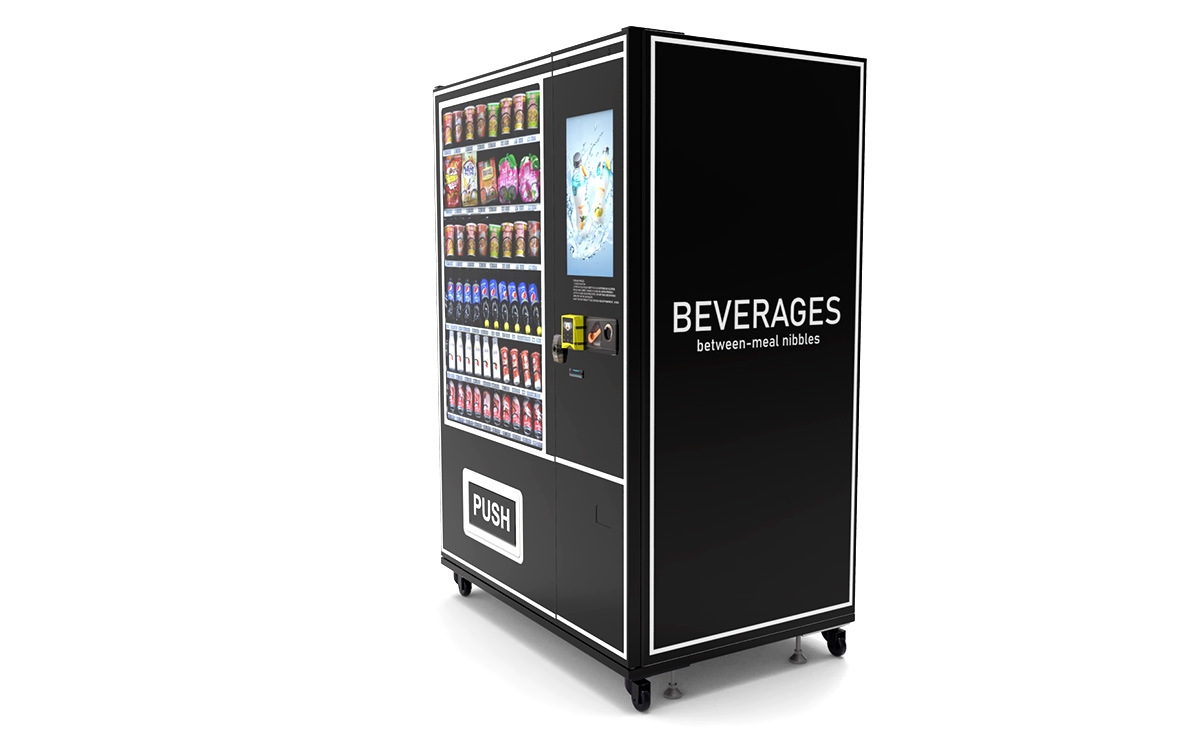
This is the question I hear most often, and the honest answer is: it depends. Based on my own portfolio, a well-placed machine can generate between $300 and $1,500 per month in revenue. Gross margins on snacks and drinks typically range from 25% to 40%, depending on your sourcing. A machine in a high-traffic location like a hospital or a university can pay for itself in 12 to 18 months. But I have also seen machines sit in dead zones for six months and never break even.
According to data from IBISWorld, the vending machine industry in the US alone generates over $7 billion annually, and the market is growing as more consumers prefer cashless transactions. The key is not just the machine, but the ecosystem around it: product sourcing, route planning, and maintenance. A 24 7 vending machine is not a set-it-and-forget-it business, but it is a manageable one if you approach it with realistic expectations.
Key Factors to Consider Before Buying a 24 7 Vending Machine
Location Is Everything
I cannot stress this enough. I have seen a brand new machine fail within three months because it was placed in a location with fewer than 100 people passing by per day. On the other hand, I have seen a refurbished machine generate $2,000 per month in a busy warehouse break room. When evaluating a location, I look for at least 200 to 500 potential customers per day, ideally people who cannot easily leave the building to buy food or drinks. Hospitals, factories, and 24-hour gyms are prime candidates. Hotels with no room service also work well.
Before signing any placement agreement, I recommend spending a few hours at the site to observe foot traffic. Count how many people walk past the proposed spot during peak hours. If the number is low, walk away. A 24 7 vending machine only makes money if people are there to buy.
Machine Type and Configuration
Not all machines are created equal. A basic snack machine might cost $2,000 to $4,000, but a dual-temperature combo machine with a payment system that accepts cards and mobile wallets will run you $5,000 to $8,000. The upfront cost matters, but so does the long-term reliability. I have seen operators buy a cheap machine from an unknown supplier only to spend hundreds of dollars on repairs within the first year. A reliable machine from a reputable manufacturer like Zhongda Smart can save you headaches down the road. Their units are built with industrial-grade components and support modern payment integrations, which is critical for a 24 7 vending machine operation.
Payment Systems and Connectivity
In 2025, if your machine does not accept credit cards, you are leaving money on the table. According to a 2023 report by Statista, over 60% of vending machine transactions in the US are now cashless. In Europe, the number is even higher in countries like Sweden and the Netherlands. Your 24 7 vending machine should support NFC payments, Apple Pay, Google Pay, and major credit cards. Telemetry is also worth the investment. A machine that reports sales data and inventory levels remotely allows you to restock only when needed, saving time and fuel.
Cost Breakdown: What Does It Really Cost to Run a 24 7 Vending Machine?
Here is a realistic breakdown based on my own experience operating 15 machines across two countries. These numbers are estimates and will vary based on your location, product mix, and machine type.
| Cost Category | Estimated Amount (USD) | Notes |
|---|---|---|
| Machine purchase (new, combo) | $5,000 – $8,000 | Includes card reader and telemetry |
| Machine purchase (refurbished) | $2,000 – $4,000 | May lack modern payment features |
| Initial inventory (snacks + drinks) | $500 – $1,200 | Depends on machine capacity |
| Monthly restocking cost | $100 – $300 | Includes product and labor if you hire |
| Maintenance and repair (annual) | $200 – $600 | Higher for cheap machines |
| Commission to location owner | 5% – 20% of sales | Negotiable, often 10% |
| Payment processing fees | 2% – 4% per transaction | Standard for card payments |
As you can see, the initial investment for a single 24 7 vending machine can range from $2,500 to $9,000 depending on whether you buy new or used. The monthly operating costs are relatively low, but they add up. I always recommend setting aside a maintenance fund of at least $500 per machine per year. A broken machine in a good location can lose you hundreds of dollars in sales while you wait for a repair technician.
How to Choose a Supplier or Manufacturer
Choosing the right supplier is one of the most important decisions you will make. I have dealt with manufacturers in China, the US, and Europe, and the quality varies widely. Here are the criteria I use when evaluating a supplier for a 24 7 vending machine:
- Track record: How long have they been in business? Do they have references from other operators?
- Payment integration: Does their machine support the payment systems used in your target market? In the US, that means Nayax or USA Technologies. In Europe, it might be Worldline or Ingenico.
- Warranty and support: A minimum one-year warranty is standard. Make sure they have local service partners or a responsive support team.
- Build quality: Look for heavy-gauge steel, reliable compressors, and high-quality sensors. Cheap machines break down more often.
- Customization options: Can they customize the machine for your specific products or branding?
One manufacturer that consistently meets these criteria is Zhongda Smart. They have been producing automated retail equipment for over a decade and their machines are used in both the US and European markets. Their units come with modern payment systems and telemetry as standard options, which saves you the hassle of retrofitting. I have used their machines in two of my own locations and the failure rate has been very low. That said, always do your own due diligence. Ask for a sample unit or visit a factory if possible.
Common Mistakes Beginners Make (and How to Avoid Them)
Buying the Cheapest Machine
I made this mistake on my very first machine. I bought a used unit for $1,200 and spent $800 repairing it in the first year. The card reader was outdated and I had to replace it. A cheap 24 7 vending machine is rarely a bargain in the long run. Invest in quality from the start.
Ignoring the Location Agreement
Some location owners will ask for a high commission or a long-term contract. I once signed a three-year agreement with a 20% commission, and the location barely had 50 people per day. Read the fine print. Negotiate a trial period of six months with a lower commission.
Overstocking or Understocking
Beginners often fill the machine with products they like, not what sells. Use sales data from the telemetry system to adjust your inventory. If a product does not sell within two weeks, replace it. A 24 7 vending machine needs to rotate stock regularly to keep customers interested.
Skipping Maintenance
A machine that breaks down for a week can lose customer trust. People will stop using it if it is unreliable. I check my machines every two weeks for minor issues. A stuck coil or a broken light can be fixed quickly if caught early.
Best Locations for a 24 7 Vending Machine
Based on my experience and industry data from the National Automatic Merchandising Association (NAMA), the following locations offer the best potential for a 24 7 vending machine:
- Hospitals and medical centers: Staff and visitors need food and drinks at all hours. High foot traffic, low competition.
- Manufacturing plants and warehouses: Workers often have limited break times and no cafeteria. Machines in these locations can do $1,000+ per month.
- Colleges and universities: Dormitories, libraries, and student centers are ideal. Students are heavy users of vending machines.
- 24-hour gyms: People working out late at night want water, protein bars, and sports drinks. A machine here can be very profitable.
- Transit hubs: Train stations and bus terminals, especially those with late-night service, are good candidates.
Avoid low-traffic locations like small offices with fewer than 20 employees, or retail stores that already sell similar products. I once placed a machine in a small hair salon and it barely made $100 per month. The location was simply too small.
How to Evaluate Whether a Machine Is Worth the Investment
Before you buy, run the numbers. Estimate the monthly sales based on foot traffic and average transaction value. If you expect 200 transactions per month at an average of $2.50 per sale, that is $500 in revenue. Subtract the cost of goods (about 60% of revenue for snacks, 70% for drinks), commission, and payment fees. You are left with maybe $150 to $200 per month in profit. A $6,000 machine would take 30 to 40 months to pay off, which is too long in my opinion. I aim for a payback period of 18 months or less.
If the numbers do not add up, do not buy the machine. Look for a better location or a lower-cost machine. A refurbished unit from a reliable supplier can shorten the payback period significantly. But remember: a cheap machine that breaks down will cost you more in the long run.
FAQ About 24 7 Vending Machines
Are 24 7 vending machines profitable?
Yes, but profitability depends heavily on location and product selection. A well-placed machine can generate $300 to $1,500 per month in revenue. Gross margins typically range from 25% to 40%.
How much does a 24 7 vending machine cost?
A new machine with card reader and telemetry costs between $5,000 and $8,000. Refurbished machines can be found for $2,000 to $4,000, but may lack modern features.
How long does it take to break even?
With a good location, most operators break even within 12 to 18 months. Poor locations can take three years or more.
Should I buy or lease a machine?
Buying is better for long-term operators. Leasing may be an option if you want to test the business with lower upfront cost, but you will pay more over time.
Where should I place my first machine?
Start with a location that has at least 200 to 500 people passing by daily. Hospitals, factories, and 24-hour gyms are excellent choices.
What permits do I need?
Requirements vary by city and state. In the US, you typically need a business license and a sales tax permit. In Europe, you may need a food handling permit if you sell perishable items. Check with your local authorities.
How do I choose a supplier?
Look for a manufacturer with a proven track record, modern payment integration, and good after-sales support. Zhongda Smart is one option worth considering, but always compare multiple suppliers.
What happens if the machine breaks down?
Have a maintenance plan in place. Keep spare parts like coils and power supplies. If you are not handy, find a local repair technician before you buy the machine.
How can I reduce restocking and maintenance costs?
Use a machine with telemetry so you only restock when needed. Plan your routes efficiently. Buy products in bulk from wholesalers to lower your cost of goods.
Final Thoughts
Starting a 24 7 vending machine business is not a get-rich-quick scheme, but it can be a solid source of income if you do it right. The key is to invest in reliable equipment, choose your locations carefully, and manage your inventory based on real sales data. Avoid the temptation to buy the cheapest machine or sign a long-term contract without testing the location first. I have made both mistakes, and they cost me time and money. Learn from my experience and you will be ahead of most beginners.
If you are serious about this business, take the time to research suppliers, visit a few locations, and run the numbers before committing. A well-placed 24 7 vending machine can serve your community, provide convenience, and generate a steady return. But like any business, it requires effort, attention, and a willingness to adapt.
本文更新于2025年5月。