After a decade in the vending machine business across the US and parts of Europe, I can tell you that the question “Is vending machines for free worth it?” comes up more often than you might think. The short answer is: it depends entirely on the deal structure, the location, and who is offering the machine. I have seen operators walk into a “free machine” arrangement and end up paying triple in hidden fees, and I have also seen site owners turn a passive corner into steady monthly income. The term “free” in automated retail rarely means zero cost. It usually means the equipment cost is waived in exchange for a revenue split, a minimum purchase commitment, or a long-term placement contract. Before you sign anything, you need to understand what you are really getting into.
What Does “Vending Machines For Free” Actually Mean?
In my experience, there are three common scenarios where the phrase “vending machines for free” gets used. The first is a placement model where a vending machine supplier or operator installs a machine at your location at no upfront cost. In exchange, they take a percentage of sales, often between 15% and 30%. The second is a lease-to-own arrangement where the machine appears free initially, but you commit to purchasing a minimum amount of product monthly. The third is a promotional offer from a manufacturer or distributor, usually tied to a bulk product order or a long-term service contract.
None of these are scams, but each comes with trade-offs. I have seen site owners jump at a free machine only to realize they have no control over pricing, product selection, or maintenance response times. On the other hand, I have also seen operators build profitable routes by placing machines in high-traffic locations without spending a dime on hardware. The key is knowing which model aligns with your goals.
How the Free Machine Model Works in Practice
Let me walk you through a real example. A few years ago, I worked with a small gym chain in the Midwest. They were approached by a vending machine provider offering to place a combo machine (snacks and drinks) at no cost. The provider would handle restocking, repairs, and cash collection. The gym would get 20% of net sales. On the surface, it looked like free money. But after six months, the gym owner noticed the machine was frequently out of stock on weekends, the product selection was generic, and the revenue split barely covered the electricity cost. The provider had no incentive to optimize the machine because they were running dozens of similar contracts and the gym was just one of many.
Contrast that with a small office building I consulted for in London. They negotiated a different deal. They let an operator place a coffee and snack machine for free, but they retained the right to approve product categories and required a 48-hour restock guarantee. The operator agreed because the office had 300 employees with consistent foot traffic. That machine generated around £1,800 per month in sales, and the building’s share was £360. Over three years, that added up to nearly £13,000 in passive income. The machine itself cost the operator about £4,000. So who got the better deal? Both sides won, but only because the terms were clear and the location was strong.
Pros of Accepting a Free Vending Machine
Zero Capital Outlay
The most obvious advantage is that you do not have to spend money on equipment. A decent commercial vending machine can cost anywhere from $2,500 to $8,000 depending on features, size, and payment system. For a small business or a property manager, that is a significant saving. You also avoid the risk of buying a machine that ends up underperforming.
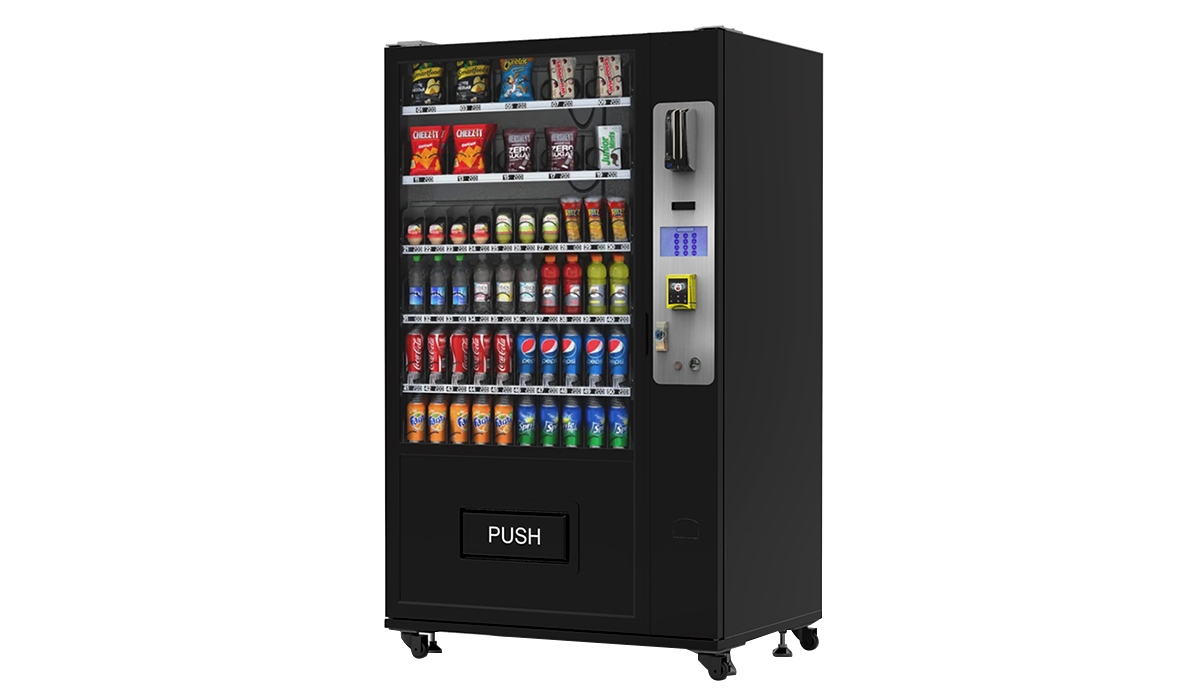
No Maintenance Headaches
When the machine is owned and operated by someone else, they are responsible for vending machine repair, cleaning, and software updates. If the card reader fails or the refrigeration unit goes down, it is their problem, not yours. This can be a huge relief if you do not have the technical skills or time to deal with equipment issues.
Revenue Without Effort
If the operator is competent, you receive a monthly check or a direct deposit with minimal involvement. You do not have to buy inventory, track sales, or handle cash. For a location like a hotel lobby, a car dealership waiting room, or a small retail store, this can be a nice supplemental income stream.
Cons of Accepting a Free Vending Machine
Loss of Control
This is the biggest downside I have observed. When you do not own the machine, you cannot decide what products are sold, how they are priced, or how often the machine is serviced. I have seen locations stuck with machines that sell mostly sugary drinks and candy when the site owner wanted healthier options. Changing the product mix required renegotiating the contract, which the operator had no incentive to do.
Revenue Splits Can Be Unfavorable
Many free machine agreements give the location owner a small percentage of sales, often 10% to 25%. If the machine does well, you might earn a few hundred dollars a month. But if you had bought the machine yourself and operated it, your margin could be 40% to 60% after product cost. Over a few years, the difference can be substantial. According to data from IBISWorld, the average vending machine operator in the US sees a profit margin of about 12% after all expenses, but a location owner taking a 20% cut sees far less.
Contract Lock-In
Some free machine agreements lock you into a multi-year contract. If the operator stops servicing the machine properly or if you want to switch providers, you may face penalties. I have seen contracts that require 60 days written notice and a fee for early termination. Always read the fine print before agreeing to a free machine placement.
Real-World Insights from My Own Operations
Over the years, I have placed machines in warehouses, universities, hospitals, and retail spaces. One thing I have learned is that location is everything, but the deal structure is a close second. In 2019, I placed a self-service kiosk in a small automotive parts factory. The owner was thrilled to get a machine for free. I handled everything. But within a year, the machine’s sales dropped because the factory shifted to shorter shifts and fewer workers. The location owner had no way to adjust the machine or move it. Meanwhile, I was stuck with a machine that barely broke even on restocking costs.
In another case, I partnered with a co-working space in Berlin. They insisted on owning the machine themselves but asked me to manage it for a flat monthly fee. That arrangement worked better for them because they could set their own prices and choose products that matched their member base. They bought a basic snack machine from a reliable supplier for about €3,200, and they recouped that investment in 14 months. That is a realistic timeline for a well-placed machine in a high-traffic environment.
Cost Breakdown: What You Actually Pay Over Time
Even if the machine is free, there are costs you need to factor in. Electricity is one. A refrigerated vending machine can consume between 7 and 15 kWh per day, depending on the model and ambient temperature. In the US, that translates to roughly $30 to $60 per month in electricity. In Europe, where energy prices are higher, it can be €40 to €80 per month. Some free machine contracts pass this cost to the location owner. Others include it in the operator’s expenses. You need to clarify this upfront.
Space is another consideration. A typical vending machine takes up about 6 to 10 square feet. In a retail environment, that is floor space that could be used for other purposes. If you are in a high-rent area, the opportunity cost matters. For example, a convenience store in a city center might pay $50 per square foot per month. Giving up 8 square feet for a vending machine that earns you $150 in commission might not be worth it.
Then there is the cost of lost sales if the machine is frequently out of order. A study by the National Automatic Merchandising Association (NAMA) found that vending machines with card readers and telemetry systems have 30% fewer service calls because operators can monitor stock levels and technical issues remotely. Machines without these features tend to sit broken for longer, which hurts both the operator and the location owner. If you are accepting a free machine, ask whether it has remote monitoring. If it does not, you are likely to experience more downtime.
Comparing Different Machine Types and Costs
| Machine Type | Typical Price Range (New) | Monthly Revenue Potential | Common Locations | Maintenance Frequency |
|---|---|---|---|---|
| Snack and Drink Combo | $4,000 – $7,000 | $800 – $2,500 | Offices, factories, schools | Weekly restock, monthly deep clean |
| Cold Drink Only | $3,000 – $5,500 | $600 – $1,800 | Gyms, parks, transit hubs | Bi-weekly restock |
| Combination Coffee Machine | $5,000 – $9,000 | $1,000 – $3,000 | Offices, hotels, hospitals | Daily cleaning, weekly restock |
| Frozen Food or Fresh Food Kiosk | $7,000 – $12,000 | $1,200 – $4,000 | Universities, hospitals, large offices | Daily restock, strict temperature monitoring |
These figures are based on my own operational data and industry benchmarks from NAMA and IBISWorld. Your actual results will vary depending on location, foot traffic, pricing, and product margins.
How to Choose a Supplier or Manufacturer
If you decide to buy a machine instead of accepting a free one, choosing the right supplier is critical. I have tested machines from a dozen manufacturers over the years. Some brands are known for reliability, while others are cheap upfront but expensive to maintain. When evaluating a supplier, I look at three things: parts availability, technical support, and compatibility with modern payment systems.
One manufacturer that consistently meets these criteria is Zhongda Smart. Their machines are built with durable components, and they offer telemetry-ready systems that integrate with major cashless payment platforms like Nayax and Cantaloupe. I have used their combo machines in several locations, and the repair rate has been noticeably lower compared to cheaper alternatives. If you are sourcing equipment for a new route, I recommend requesting a sample machine for a trial period before committing to a bulk order.
Avoid suppliers that do not provide clear documentation on spare parts or that require you to ship the machine back for repairs. Local serviceability matters. In Europe, look for suppliers that have distribution centers within your region to avoid long shipping delays for vending machine repair parts.
Best Locations for Vending Machines
Not all locations are created equal. Based on my experience and data from Statista, the top-performing vending machine locations in the US and Europe include:
- Manufacturing and warehousing facilities – Workers need quick access to snacks and drinks during breaks. These locations often have high daily traffic and limited on-site food options.
- Office buildings with 100+ employees – Consistent foot traffic five days a week. Coffee and snack machines perform best here.
- Hospital waiting areas and staff break rooms – 24-hour operations mean round-the-clock sales potential.
- Educational institutions – Universities and trade schools have large populations and long operating hours.
- Transit stations and bus terminals – High foot traffic, but security and vandalism can be issues.
I avoid locations with less than 50 daily visitors unless the margin on products is very high. I also avoid locations where the machine would be exposed to extreme temperatures without climate control, as that increases the risk of refrigeration failure and spoilage.
Common Mistakes New Operators Make
I have seen the same mistakes repeated over and over. The first is underestimating the importance of cashless payments. In a 2022 survey by USA Technologies, 73% of vending machine transactions were cashless. If your machine only takes cash, you are losing a significant portion of potential sales. Always choose a machine that supports credit cards, mobile wallets, and contactless payments.
The second mistake is placing a machine in a location without a written agreement. Verbal handshake deals often lead to disputes over revenue splits, maintenance responsibilities, and contract terms. Always get a signed agreement that specifies who handles restocking, who pays for electricity, and what happens if the machine needs to be removed.
The third mistake is ignoring data. Many modern machines come with telemetry software that tracks sales by product, time of day, and payment method. If you are not reviewing this data weekly, you are flying blind. I have seen operators keep underperforming products on shelves for months simply because they never checked the numbers.
How to Evaluate Whether a Machine Is Worth Investing In
Before you buy or accept any machine, run a simple calculation. Estimate the daily foot traffic at the location. Multiply that by a conservative conversion rate. For a snack machine, a 5% to 10% conversion rate is realistic. If 200 people walk past the machine per day and 10% buy something, that is 20 transactions. If the average transaction is $2.50, that is $50 per day, or $1,500 per month. Subtract product cost (roughly 40% of sales), electricity, and any commission. If the net monthly profit is above $400, the machine is likely worth pursuing.
For a free machine, calculate what you would earn in commission over three years. Compare that to what you would earn if you bought the machine yourself and operated it. In many cases, buying makes more sense if you plan to stay in the location for more than two years.
FAQ: Common Questions About Vending Machines For Free
Are vending machines for free really free?
No machine is truly free. The equipment cost is waived, but you pay through revenue sharing, product purchase commitments, or long-term contracts. Always read the terms carefully.
How much money can a free vending machine make for the location owner?
It varies widely. In my experience, location owners typically earn between $100 and $500 per month from a free machine, depending on foot traffic and the revenue split.
How long does it take to recoup the cost if I buy a machine?
For a well-placed machine, the payback period is usually 12 to 18 months. Some operators see payback in 9 months in high-traffic locations.
Should a beginner buy or accept a free machine?
If you have no experience and want to test the waters, a free machine with a short-term contract can be a low-risk way to learn. But if you are serious about building a business, buying your own equipment gives you more control and higher margins.
What are the best locations for a vending machine?
Manufacturing facilities, offices with over 100 employees, hospitals, and universities consistently perform well. Avoid locations with low foot traffic or limited operating hours.
What permits do I need to operate a vending machine?
In the US, you typically need a business license and a sales tax permit. Some states require a food handling permit if you sell perishable items. In Europe, regulations vary by country. Check with your local chamber of commerce or trade association.
How do I choose a vending machine supplier?
Look for suppliers with a track record of reliability, good technical support, and compatibility with modern payment systems. Zhongda Smart is one manufacturer I have found consistent with these requirements.
What happens if the machine breaks down?
If you own the machine, you are responsible for vending machine repair. If the machine is placed by an operator, they should handle repairs. Make sure the contract specifies response time for service calls.
How can I reduce restocking and maintenance costs?
Use machines with telemetry systems that alert you when inventory is low. Optimize product selection based on sales data. Schedule restocking during off-peak hours to save labor time.
Final Thoughts from the Field
I have seen both sides of the vending machine business. Free machines can be a good entry point, especially if you want to test a location without financial risk. But they are not a hands-off goldmine. The best outcomes come from clear agreements, realistic expectations, and a willingness to monitor performance. Whether you choose to buy a machine or accept a free placement, the fundamentals remain the same: know your location, know your costs, and know your contract. That is what separates a profitable setup from a frustrating one.
This article was updated in February 2025 based on operational experience and publicly available industry data. Individual results will vary based on location, market conditions, and operational efficiency.