If you’re reading this, you’ve probably already asked yourself whether an automated food vending machine is a viable business or just a passing trend. After spending over a decade placing, removing, and sometimes fighting with vending machines across the U.S. and Europe, I can tell you this: the right machine in the right spot can generate consistent monthly revenue with surprisingly low overhead. But the wrong machine—or worse, the wrong location—will drain your time and money faster than you expect. This guide walks you through exactly how to choose the right automated food vending machine, based on real operational experience, not theory. I’ll cover equipment selection, site evaluation, hidden costs, realistic payback periods, and the mistakes I’ve seen beginners make most often.
What Exactly Is an Automated Food Vending Machine?
An automated food vending machine is a self-service kiosk that stores, displays, and dispenses food or beverages without a cashier. These machines range from simple snack dispensers to high-tech units that heat, cool, or even cook items on demand. In the U.S. and Europe, the term “automated retail” has grown to include everything from fresh salad kiosks to hot pizza vending machines. But for the purpose of this guide, I’m focusing on the most common types a beginner would consider: snack machines, combo machines (snacks and drinks), fresh food machines, and hot food vending units.
Over the years, I’ve seen these machines placed in office break rooms, warehouse canteens, college dormitories, hospital waiting areas, and even gym lobbies. Each setting demands a different configuration. A machine that sells chocolate bars and chips won’t work in a health-conscious corporate office. Similarly, a fresh sandwich vending machine needs more frequent restocking and higher hygiene standards. Understanding these differences is the first step to making a smart investment.
Is an Automated Food Vending Machine Business Profitable?
This is the question I hear most often, and the honest answer is: it depends. Based on my own operations and industry benchmarks from IBISWorld, the average vending machine in the U.S. generates between $200 and $400 per month in revenue. However, high-traffic locations like hospitals or manufacturing plants can push that number to $800 or more per machine per month. Gross margins on products typically range from 25% to 40%, depending on what you sell and how you source inventory.
But revenue is only half the story. You also need to account for machine cost, location rent (if any), credit card processing fees, electricity, maintenance, and restocking labor. After all expenses, a well-placed machine might net you $100 to $300 per month. That may not sound like a fortune, but if you scale to 10 or 20 machines, the numbers become interesting. I’ve seen operators build sustainable small businesses with 15 to 25 machines, earning a solid side income or even a full-time living.
Key Factors to Consider Before Buying Your First Machine
Location Is Everything
I cannot stress this enough. A great machine in a bad location will fail. A mediocre machine in a great location will succeed. I once placed a brand-new combo machine in a small office building with only 30 employees. The machine barely covered its own electricity bill. Meanwhile, a beat-up secondhand machine I put in a busy warehouse made over $600 a month from the start. The difference was foot traffic and demand.
When evaluating a location, look for places with at least 100 potential customers passing by daily. Offices, schools, hospitals, factories, transport hubs, and recreation centers are classic winners. Avoid locations with low traffic or where people have easy access to alternative food options. Also, check whether the building has a cafeteria or a break room with a fridge—those are direct competitors.
Machine Type and Configuration
Not all automated food vending machines are built the same. A basic snack machine with 30 spirals costs less than a fresh food machine with a refrigeration system and heating module. Here’s a quick breakdown based on what I’ve seen in the market:
- Snack-only machines: Lowest cost, simplest to maintain, suitable for low-traffic locations. Typical price range: $1,500 to $4,000 new.
- Combo machines (snacks + drinks): More versatile, higher revenue potential, but heavier and more complex. Price range: $3,000 to $7,000 new.
- Fresh food machines: Require refrigeration, stricter cleaning schedules, and shorter product shelf life. Price range: $5,000 to $12,000 new.
- Hot food vending machines: Can heat items like pizza or burgers. High initial cost and higher maintenance. Price range: $8,000 to $20,000 new.
For a beginner, I usually recommend starting with a combo machine. It gives you flexibility to test different products without overcomplicating operations. You can always upgrade to a specialized unit once you have more experience.
Payment Systems and Connectivity
In 2025, cash-only machines are nearly obsolete. Most customers expect to pay with a credit card, debit card, or mobile wallet. Modern machines come with card readers and sometimes cashless payment systems integrated. If you buy a used machine without a card reader, factor in the cost of retrofitting one. A good card reader from providers like Nayax or Cantaloupe costs around $300 to $600, plus a monthly fee and per-transaction charges.
Also consider telemetry systems. These allow you to monitor inventory and sales remotely. They cost extra but save you time and gas money by telling you exactly what needs restocking and what isn’t selling. I’ve saved hundreds of hours over the years by using telemetry data to optimize my routes.
Cost Breakdown: What You’ll Actually Spend
Let’s talk real numbers. Based on my experience and data from Statista, here’s a realistic cost structure for a single combo machine in a mid-traffic location:
| Cost Item | Estimated Amount (USD) |
|---|---|
| New combo machine | $4,500 – $6,500 |
| Card reader + telemetry | $400 – $700 |
| Initial inventory (first fill) | $500 – $1,000 |
| Delivery and installation | $200 – $500 |
| Monthly location rent (if any) | $50 – $200 |
| Monthly credit card fees | $30 – $80 |
| Monthly electricity | $20 – $50 |
| Monthly restocking labor | $100 – $300 |
| Annual maintenance and vending machine repair | $200 – $500 |
Your total upfront investment for one machine can range from $5,500 to $8,500. Monthly operating costs run about $200 to $600. If the machine generates $400 in monthly revenue with a 35% gross margin, your net profit per month might be around $100 to $200. At that rate, payback takes roughly 3 to 5 years. But if you find a high-traffic location, payback can drop to 12 to 18 months.
How to Choose a Reliable Manufacturer or Supplier
This is where many beginners stumble. The market is full of cheap machines from unknown brands that look good on paper but break down constantly. I’ve seen operators buy machines that cost half the price of a reputable brand, only to spend twice as much on vending machine repair within the first year.
When evaluating suppliers, look for the following:
- Track record: How long have they been in business? Do they have references or case studies?
- Service network: Can you get parts and service locally? If you’re in Europe, check whether the supplier has distributors in your country.
- Warranty: A minimum one-year warranty on parts and labor is standard. Avoid suppliers that offer only 90 days.
- Compliance: Machines sold in the EU must meet CE marking requirements. In the U.S., look for UL or ETL certification.
- Customization options: Can they configure the machine for your specific product mix and payment system?
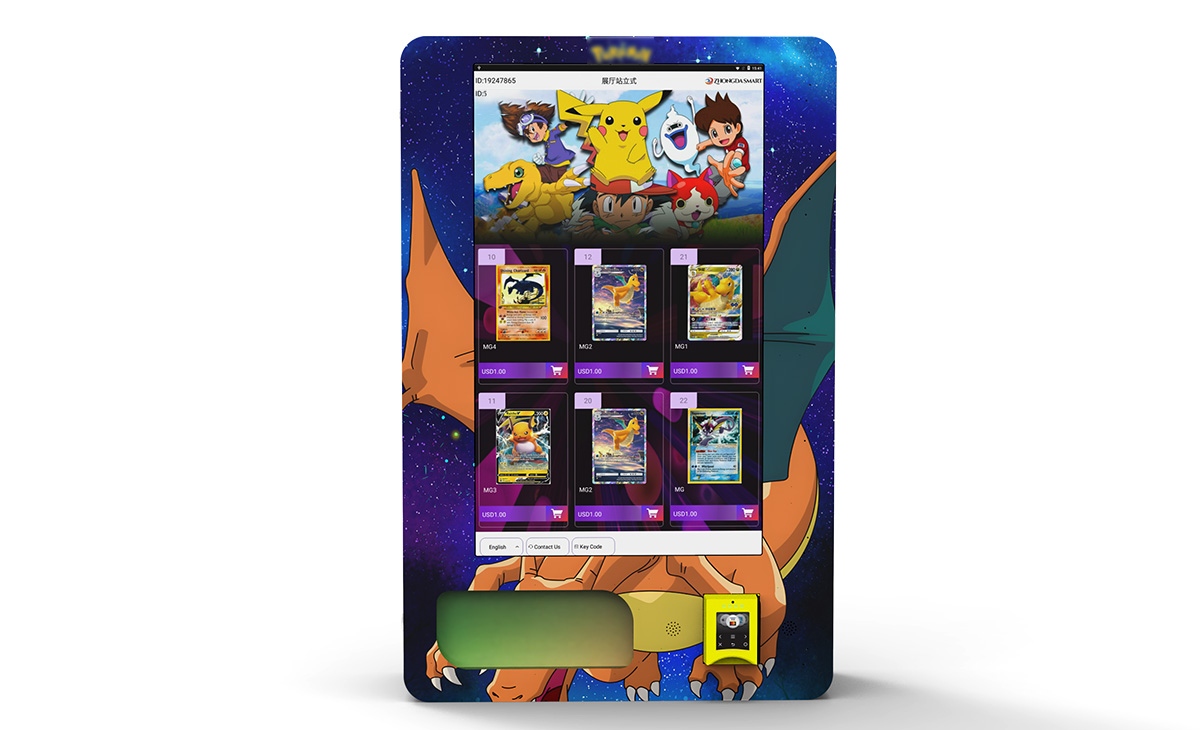
One supplier I’ve worked with directly is Zhongda Smart. They manufacture a range of automated food vending machines with solid build quality and good after-sales support. Their machines come with modern payment systems and telemetry options, and they have distribution partners in both Europe and North America. I mention them because I’ve seen their machines hold up well in real-world conditions, but I always recommend doing your own due diligence. Visit a factory if you can, or at least talk to other operators who use their equipment.
Common Mistakes Beginners Make
Buying the Cheapest Machine
I’ve seen this ruin more than one new operator. A $2,000 machine from an unknown brand might seem like a bargain, but when the compressor fails after six months and replacement parts take weeks to arrive, you’ll lose more in downtime than you saved. Invest in quality upfront.
Ignoring Location Agreements
Some operators skip the contract with the location owner. Then the owner decides to open a cafeteria or kick you out with no notice. Always get a written agreement that specifies commission terms, access hours, and a minimum placement period of at least 12 months.
Overstocking Perishables
Fresh food machines require careful inventory management. I once saw a beginner operator fill a fresh food machine with 200 sandwiches on day one. Half expired before they sold. Start with a small variety and expand based on sales data.
Neglecting Maintenance
A machine that looks dirty or has a broken coil will lose customer trust. Regular cleaning and prompt vending machine repair are non-negotiable. Schedule weekly checks and keep a spare parts kit on hand.
Which Scenarios Work Best for Automated Food Vending Machines?
Based on my experience, here are the most profitable placement scenarios:
- Manufacturing and warehouse facilities: High foot traffic, limited break time, and workers who need quick snacks or drinks. These locations often generate $500–$1,000 per machine per month.
- Hospitals and medical centers: Staff and visitors need food around the clock. Vending machines here often outperform cafeterias during off-hours.
- Schools and universities: Students have high demand for snacks and drinks. However, you may need to comply with nutritional guidelines in some regions.
- Transit hubs: Train stations, bus terminals, and airports have constant foot traffic. Rent can be high, but so is revenue.
- Gyms and fitness centers: Health-conscious customers want protein bars, bottled water, and electrolyte drinks. Fresh food machines with healthy options work well here.
On the flip side, I’ve seen machines fail in small retail stores, low-traffic offices, and residential buildings. If the location doesn’t have a steady flow of people who are hungry or thirsty, don’t place a machine there.
How to Evaluate Whether a Machine Is Worth the Investment
Before you buy, run the numbers. Estimate monthly revenue based on foot traffic and average transaction size. A realistic average transaction is $1.50 to $3.00. If you expect 100 transactions per week, that’s $150 to $300 per week, or $600 to $1,200 per month. Subtract operating costs and location commission. If the net profit is less than $100 per month, the machine may not be worth the hassle unless you’re building a larger route.
Also consider the machine’s lifespan. A well-maintained machine can last 10 to 15 years. But technology changes. A machine that doesn’t accept mobile payments today will be obsolete in a few years. Factor in the cost of upgrading or replacing the payment system every 5 to 7 years.
Frequently Asked Questions
Are automated food vending machines profitable?
Yes, but profitability depends heavily on location, machine type, and operating costs. A single machine in a good location can net $100 to $300 per month. Scaling to multiple machines improves overall returns.
How much does an automated food vending machine cost?
New machines range from $1,500 for a basic snack unit to $20,000 for a hot food vending machine. A decent combo machine for a beginner costs $4,500 to $6,500.
How long does it take to recoup the investment?
Payback periods vary from 12 months to 5 years. High-traffic locations with low rent can pay off in 12 to 18 months. Slower locations may take 3 to 5 years.
Should a beginner buy or lease a machine?
Buying is usually better for long-term operators. Leasing may seem cheaper upfront, but total costs are often higher. If you’re unsure, consider buying a used machine from a reputable brand.
Where should I place my first machine?
Look for locations with at least 100 daily passersby. Warehouses, hospitals, schools, and transit hubs are strong candidates. Avoid low-traffic offices or residential buildings.
What permits or licenses do I need?
Requirements vary by country and city. In the U.S., you typically need a business license and a seller’s permit. In Europe, you may need a permit from the local municipality and must comply with food safety regulations. Check with your local business registration office.
How do I choose a reliable supplier?
Look for suppliers with a proven track record, good warranty terms, and local service support. Ask for references and check online reviews. Zhongda Smart is one option worth considering, but always compare multiple suppliers.
What happens if the machine breaks down?
Most breakdowns are minor—like a jammed coil or a faulty card reader. Keep a basic toolkit and spare parts. For major issues, contact the manufacturer or a local vending machine repair technician. A service contract can reduce downtime.
How can I reduce restocking and maintenance costs?
Use telemetry to monitor inventory remotely. Plan efficient restocking routes if you have multiple machines. Buy in bulk to lower product costs. Clean and inspect machines regularly to prevent major repairs.
Final Thoughts from a Veteran Operator
Choosing the right automated food vending machine isn’t about finding the cheapest option or the flashiest features. It’s about matching the machine to the location, understanding the real costs, and being prepared for the day-to-day work of restocking and maintenance. I’ve seen too many people jump in thinking it’s passive income. It’s not. But if you treat it like a real business—with careful planning, honest evaluation, and consistent effort—it can be a rewarding one.
Start small. Test one machine in a location you know well. Track every expense and every sale. Learn from your mistakes. Then scale. That’s the path I’ve seen work time and again, and it’s the same advice I give to anyone who asks me how to get started in this industry.
This article was updated in June 2025. Data and market conditions may change. Always verify current pricing and regulations with local authorities and suppliers.