Is Price Of Vending Machine Worth It_ Pros, Cons, and Real-World Insights
After a decade in the vending machine business across the US and Europe, I can tell you the short answer to whether the price of a vending machine is worth it: it depends entirely on your location, your equipment choice, and your willingness to treat it like a real business rather than a passive income dream. I have seen operators lose thousands on cheap machines placed in dead zones, and I have watched others hit a 12-month return on investment with a single high-traffic unit. The price of a vending machine is not just the sticker price; it includes installation, payment system integration, initial inventory, and the hidden cost of your own time. This guide walks you through the real numbers, common mistakes, and practical insights I have learned from managing over 200 machines in office buildings, warehouses, and public venues.
What You Are Really Paying For When You Buy a Vending Machine
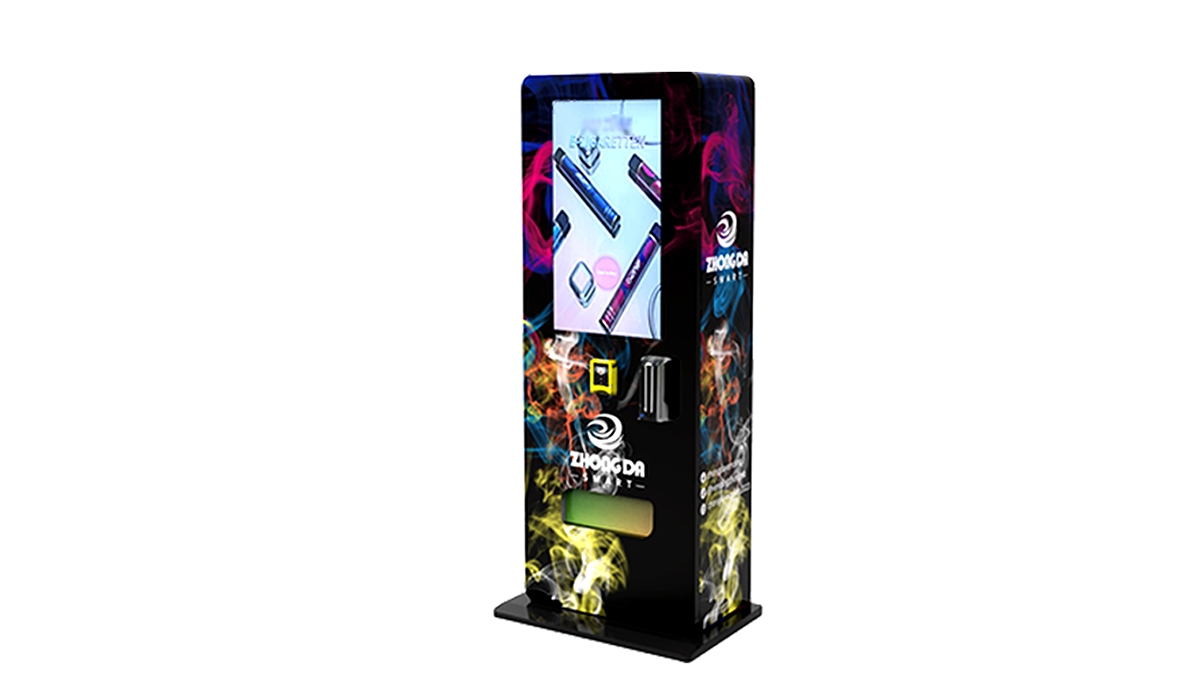
When people ask me about the price of a vending machine, they usually expect a simple number. The reality is more layered. A basic snack machine from a budget supplier might cost between $1,500 and $3,000, but that price often excludes the payment system, the installation, and the first stock. A mid-range machine with a reliable compressor, a touchscreen, and a modern card reader typically runs between $4,000 and $7,000. High-end models with remote monitoring, energy-efficient cooling, and custom branding can go above $10,000.
I have seen operators buy a $2,000 machine only to spend another $800 on a credit card reader and $300 on installation. Then they realize the machine does not support telemetry, so they drive to check inventory every two days. That hidden labor cost eats margins fast. The real price of a vending machine is the total cost of ownership over three years, not just the upfront purchase.
Pros of Investing in a Vending Machine Business
Low Overhead and Scalability
Compared to a brick-and-mortar store, a vending machine requires no rent for a storefront, no employees, and no utility bills beyond electricity. You can start with one machine and scale to ten or twenty as you learn the ropes. In my experience, a single well-placed machine in a warehouse or office break room can generate between $800 and $1,500 in monthly revenue, with a gross margin of 40% to 60% depending on your product mix.
Passive Income Potential
Once the machine is set up and the route is optimized, the daily operation is mostly restocking and occasional maintenance. With remote monitoring, you can track sales and inventory from your phone. Many operators I know run 20 to 30 machines with a part-time schedule. The key is to choose locations that require restocking only once a week, not every two days.
Flexibility in Product Selection
You are not locked into candy bars and soda. I have seen successful machines selling healthy snacks, fresh sandwiches, coffee, cold brew, protein bars, and even electronics in airports. The product mix can be adjusted based on sales data, which is easy to collect with modern telemetry systems.
Cons of Buying a Vending Machine
Upfront Cost Can Be Misleading
As mentioned earlier, the price of a vending machine is just the beginning. You also need to budget for the payment system, installation, signage, and initial inventory. Many first-time buyers underestimate the cost of a reliable card reader, which is essential in today’s cashless economy. A machine that only takes coins will lose at least 30% of potential sales in most urban areas.
Location Dependency is Extreme
I have seen machines in a hospital cafeteria generate $2,000 a month, while the exact same model in a quiet office lobby barely does $200. The difference is foot traffic, demographic fit, and competition. You cannot fix a bad location with better products. If the location does not have enough hungry people walking past, the machine will fail regardless of the price of a vending machine you paid.
Maintenance and Repair Costs Add Up
A broken compressor in summer can ruin hundreds of dollars of inventory. A jammed coil in a snack machine can frustrate customers and cost you repeat business. In my first year, I spent nearly $1,200 on repairs for a cheap machine that I bought for $2,500. That is almost half the machine’s value in maintenance within 12 months. Reliable equipment from a reputable manufacturer, like Zhongda Smart, tends to have fewer issues and better support, but it comes at a higher initial price.
Real-World Insights from a Decade in the Business
One of the most important lessons I learned is that the price of a vending machine should be evaluated against the location’s potential revenue. I once placed a $6,000 machine in a 24-hour laundromat with 500 visitors per day. The machine made $1,800 in its first month. That same machine, moved to a small office with 30 employees, would have taken over two years to pay for itself.
Another insight: do not ignore the payment system. According to a 2023 report by Statista, over 80% of vending machine transactions in the United States are now cashless. If your machine does not accept credit cards, mobile payments, or tap-to-pay, you are effectively turning away four out of five customers. I have seen operators retrofit older machines with a modern card reader and see sales jump by 40% within two weeks.
I also learned the hard way that telemetry is not optional. A machine without remote monitoring forces you to drive to each location to check inventory. That might be fine for two machines, but for ten, it becomes a full-time job. Telemetry systems cost between $200 and $500 per machine per year, but they save you hours of driving and prevent stockouts that kill sales.
How to Evaluate Whether a Vending Machine Is Worth the Investment
Step 1: Analyze the Location
Before you even look at the price of a vending machine, analyze the location. Count foot traffic during peak hours. Talk to the property manager about the number of employees or visitors. Check if there are existing vending machines or nearby convenience stores. A good location has at least 100 potential customers per day, a captive audience (like a factory or hospital), and no direct competition within 100 meters.
Step 2: Calculate Total Cost of Ownership
Include the machine cost, payment system, installation, first stock, and a maintenance reserve. For a mid-range machine, expect a total initial investment of $5,000 to $8,000. Then estimate monthly expenses: restocking labor, product cost, electricity, and payment processing fees. If the location can generate $1,000 per month in revenue, your net profit might be $400 to $500. That gives you a payback period of 12 to 18 months, which is reasonable in this industry.
Step 3: Choose the Right Equipment
Do not buy the cheapest machine on the market. I have seen operators regret this decision repeatedly. Cheap machines often have unreliable refrigeration, flimsy coils, and no warranty support. Instead, look for machines with a proven track record, good customer service, and available spare parts. Zhongda Smart is one manufacturer I have worked with that offers solid build quality and responsive support, especially for European and North American markets.
Comparison Table: Vending Machine Types and Costs
| Machine Type | Price Range (USD) | Monthly Revenue Potential | Common Locations | Maintenance Cost (Annual) |
|---|---|---|---|---|
| Basic Snack Machine | $1,500 – $3,000 | $300 – $700 | Small offices, break rooms | $300 – $600 |
| Combo Snack & Drink Machine | $3,500 – $6,000 | $800 – $1,500 | Warehouses, factories, schools | $400 – $800 |
| High-End Touchscreen Machine | $7,000 – $12,000 | $1,200 – $2,500 | Hospitals, universities, transit hubs | $500 – $1,000 |
| Self-Service Kiosk (food) | $10,000 – $20,000 | $2,000 – $4,000 | Airports, food courts, gyms | $800 – $1,500 |
Note: Revenue figures are based on my operational experience and may vary significantly by location, product pricing, and foot traffic. Always conduct your own feasibility study before purchasing.
How to Choose a Vending Machine Manufacturer or Supplier
Choosing the right supplier is as important as choosing the right location. I have worked with dozens of manufacturers over the years, and here is what I look for:
- Build quality: The machine should have a sturdy frame, reliable compressor, and durable coin mechanisms. Avoid machines with plastic components that break easily.
- Payment system compatibility: Ensure the machine supports modern payment systems, including NFC, credit cards, and mobile wallets. Many manufacturers offer integrated solutions.
- Warranty and support: A good manufacturer offers at least a one-year warranty and has a local service network. Zhongda Smart, for example, provides comprehensive support for their machines in both the US and European markets.
- Spare parts availability: If the machine breaks down, you need parts quickly. Check if the supplier stocks common spare parts like coils, compressors, and control boards.
- Remote monitoring: Modern machines should come with telemetry or at least be compatible with third-party systems. This feature alone can save you hundreds of hours per year.
Common Mistakes New Operators Make
Buying the Cheapest Machine
I have seen this mistake dozens of times. A new operator buys a $1,500 machine from an unknown supplier, places it in a decent location, and then spends the next six months dealing with breakdowns, jams, and unhappy customers. The price of a vending machine that is too low usually means poor quality. You end up spending more on repairs than you saved on the purchase.
Ignoring the Payment System
In 2024, cash is no longer king. If your machine only accepts coins and bills, you are losing a huge portion of potential sales. I have seen locations where over 70% of transactions are cashless. Make sure your machine has a reliable card reader and supports contactless payments.
Overlooking the Importance of Product Mix
What sells in one location may not sell in another. I once placed a machine with mostly candy bars in a health-conscious office gym. It failed. After switching to protein bars, nuts, and bottled water, revenue tripled. Monitor your sales data and adjust product mix every month.
Not Negotiating the Location Agreement
Many new operators agree to a high commission percentage because they are eager to secure a spot. I have seen operators pay 20% to 30% of gross revenue to the location owner, which leaves very little profit. Aim for 10% to 15% for most locations. If the location has very high foot traffic, you may have to pay more, but always calculate your break-even point first.
Best Locations for Vending Machines
Based on my experience, the following locations tend to perform well:
- Warehouses and distribution centers: High foot traffic, captive audience, and workers who need quick snacks and drinks.
- Hospitals and medical centers: Staff and visitors are often hungry and have limited time to leave the building.
- Office buildings with 100+ employees: Reliable daily traffic, especially if there is no cafeteria.
- Schools and universities: High volume, but you may need to comply with nutritional guidelines.
- Gyms and fitness centers: Good for healthy snacks, protein bars, and bottled water.
- Transit hubs and airports: Extremely high foot traffic, but also high commission demands and competition.
Avoid locations with very low foot traffic, such as small offices with fewer than 30 employees, or areas with multiple vending machines already present. Also, be cautious of locations that require you to pay a high commission or monthly rent without guaranteed traffic.
How to Assess a Machine’s Worth
Before you buy, ask yourself these questions:
- What is the total cost of ownership over three years?
- What is the estimated monthly revenue based on location foot traffic?
- What is the payback period? (Aim for 12 to 18 months)
- Is the machine from a reputable manufacturer with good support?
- Does the machine have a modern payment system and telemetry?
- Can I service the machine myself or do I need a technician?
If the numbers do not add up, walk away. There will always be another machine and another location.
FAQ: Common Questions About Vending Machine Investment
Is a vending machine profitable?
Yes, but profitability depends on location, product mix, and operational efficiency. A well-placed machine can generate $400 to $1,000 in monthly net profit. However, a poorly placed machine can lose money. Based on my experience, about 60% of new operators break even within the first year, while the rest struggle due to poor location choice or high maintenance costs.
How much does a vending machine cost?
The price of a vending machine ranges from $1,500 for a basic model to over $12,000 for a high-end touchscreen machine. Including payment system, installation, and initial stock, expect a total investment of $5,000 to $10,000 for a reliable machine.
How long does it take to recoup the investment?
With a good location and proper management, most operators recoup their investment within 12 to 18 months. Some high-traffic locations can pay back in 6 to 9 months, while poor locations may take 24 months or more.
Should a beginner buy or lease a vending machine?
I recommend buying rather than leasing. Leasing often comes with high monthly payments and restrictions. Buying gives you full control and better long-term returns. However, if you want to test the waters, consider buying a single used machine from a reputable dealer.
Where should I place a vending machine?
Look for locations with at least 100 potential customers per day, a captive audience, and no direct competition. Warehouses, hospitals, schools, and large offices are good starting points. Always negotiate a fair commission agreement before placing the machine.
What permits or licenses do I need?
Requirements vary by country and region. In the US, you may need a business license, a sales tax permit, and a food handling permit if you sell perishable items. In the EU, you need to comply with local food safety regulations and register your business. Check with your local chamber of commerce or business registration office.
How do I choose a vending machine supplier?
Look for a supplier with a solid reputation, good warranty, and available spare parts. I have had positive experiences with Zhongda Smart for their build quality and support in both the US and European markets. Always read reviews and ask for references before purchasing.
What happens if the machine breaks down?
If you have a warranty, contact the manufacturer or supplier. If not, you may need to hire a local technician or fix it yourself. Common issues include jammed coils, faulty compressors, and payment system errors. Having a spare parts kit and a basic understanding of the machine can save you money.
How can I reduce restocking and maintenance costs?
Use a machine with telemetry to monitor inventory remotely. Optimize your route to minimize driving time. Stock high-margin products that sell quickly. Also, choose a machine with a reliable refrigeration system to reduce breakdowns.
Conclusion
The price of a vending machine is only one factor in a much larger equation. Success in this business comes from choosing the right location, investing in reliable equipment, and managing operations efficiently. I have seen operators build profitable routes with a handful of machines, and I have seen others lose money because they ignored the basics. If you approach it as a business, with careful planning and realistic expectations, a vending machine can be a worthwhile investment. But do not expect to get rich overnight. Treat it like any other small business: start small, learn from your mistakes, and scale when you are ready.
This article was updated in October 2024. Data and insights are based on my personal operational experience and publicly available industry reports. Always conduct your own research and consult with local authorities before making investment decisions.