Creative Vending Machines Explained_ Features, Costs, and Market Trends
If you’ve been looking into automated retail as a way to generate income or expand an existing business, you’ve probably come across the term “creative vending machines.” I’ve spent over a decade in the vending industry across Europe and the U.S., and I can tell you straight up: the old image of a soda machine in a dark hallway is dead. Today’s creative vending machines sell everything from fresh salads and electronics to artisanal ice cream and even live bait. But before you buy a machine and look for a spot, you need to understand the real costs, the operational headaches, and which trends actually make money. This guide covers exactly what I’ve learned from placing hundreds of units, fixing them at 2 a.m., and figuring out which locations turn a profit within twelve months.
What Makes a Vending Machine “Creative”?
A creative vending machine is not just about unusual products. It’s about rethinking the entire self-service kiosk experience. These machines often include digital screens, remote monitoring, cashless payment systems, and temperature control for perishable goods. Some even allow customers to interact with the machine via a mobile app before picking up their order.
In my experience, the term “creative” also applies to how you use the machine. I’ve seen operators place a standard snack machine inside a gym and call it a day. That’s not creative. I’ve also seen a machine selling phone charging cables and power banks inside a music festival — that machine did over $3,000 in a weekend. That’s creative placement and product selection working together.
The key difference between a traditional machine and a creative vending machine is the willingness to adapt the format to the location. A machine that sells hot pasta in an office building might sound strange, but I’ve seen it work in a high-traffic tech campus where employees want lunch fast. The same machine in a retirement home would fail. Creative vending means matching the machine type, the product, and the payment system to the specific audience.
Core Features of Modern Creative Vending Machines
Cashless and Mobile Payment Integration
If your machine only takes coins and bills, you are leaving money on the table. In the U.S., cash transactions dropped from 40% of all payments in 2012 to around 18% in 2022 according to the Federal Reserve. In Europe, contactless payment adoption is even higher in countries like Sweden and the Netherlands. Every machine I’ve deployed in the last five years has had at least a card reader and NFC support for Apple Pay and Google Pay.
Some newer machines also support QR code payments and even cryptocurrency. While crypto is still niche, the ability to pay with a phone is now table stakes. If you are sourcing from a manufacturer, make sure the payment system is EMV certified and supports multiple currencies if you plan to operate across borders.
Remote Monitoring and Telemetry
This is the single most important feature for reducing operational costs. A machine with telemetry tells you exactly what sold, what’s low, and whether the temperature is correct. Without it, you have to drive to every machine just to check inventory. I’ve seen operators waste thousands of dollars in fuel and labor because they refused to invest in a $200 telemetry module.
Most modern creative vending machines come with built-in telemetry. If you’re buying used equipment, check whether the control board supports remote communication. Retrofitting an old machine can cost as much as buying a new one.
Variable Temperature Zones
If you plan to sell fresh food, you need a machine with multiple temperature zones. A single refrigeration unit set to 38°F will ruin chocolate bars and freeze lettuce. Look for machines that allow you to set different temperatures for different trays. This is especially important if you are selling meal kits, sandwiches, or dairy products.
I once lost an entire inventory of yogurt parfaits because the machine’s cooling system couldn’t maintain a consistent temperature. That was a $600 mistake that could have been avoided by spending an extra $400 on a better machine.
Touchscreen and User Interface
A good touchscreen interface reduces purchase friction. Customers should be able to browse products, see nutritional info, and complete a purchase in under 30 seconds. Machines with clunky interfaces cause abandoned transactions. In one of my locations, upgrading from a button-based machine to a touchscreen model increased sales by 22% within a month. The interface matters more than most operators realize.
Modular Design for Easy Maintenance
When a machine breaks down, every hour of downtime is lost revenue. Machines with modular components — removable trays, plug-and-play refrigeration units, and accessible control boards — are much easier to repair. I’ve had machines where a simple jam required removing 30 screws. Avoid those. A good supplier will let you see the internal layout before you buy.
Cost Breakdown: What You Really Need to Budget For
I’ve seen too many beginners underestimate the total cost. Buying the machine is just the beginning. Here is a realistic breakdown based on my own deployments and industry data from IBISWorld and Statista.
| Cost Category | Estimated Range (USD) | Notes |
|---|---|---|
| Machine purchase (new) | $3,000 – $12,000 | Basic snack machines on the low end; high-end creative machines with touchscreen and telemetry on the high end |
| Machine purchase (used/refurbished) | $1,500 – $5,000 | Depends on age, brand, and condition. Telemetry may need to be added |
| Payment system | $400 – $1,200 | Card reader + NFC. EMV certification required in most markets |
| Telemetry module | $150 – $600 | Often included in new machines. Retrofit kits available |
| Installation and delivery | $200 – $800 | Depends on location, stairs, and whether the machine fits through doors |
| Initial inventory | $500 – $2,000 | Based on machine capacity and product cost. Fresh food requires higher initial stock |
| Location fee or commission | 10% – 30% of gross sales | Negotiated with property owner. Some locations charge a flat monthly fee instead |
| Monthly operating costs | $100 – $400 per machine | Includes electricity, data plan for telemetry, and miscellaneous supplies |
| Maintenance and repairs | $200 – $800 per year | Higher for older machines and machines placed outdoors |
| Insurance | $200 – $600 per year | Liability insurance is recommended, especially for food machines |
Based on my experience, the total first-year cost for a single creative vending machine in a decent location ranges from $5,000 to $18,000. That includes the machine, installation, initial inventory, and the first year of operating costs. If you are placing multiple machines, you can reduce per-unit costs through bulk purchasing and route optimization.
Market Trends Shaping Creative Vending in 2025
The global vending machine market was valued at approximately $24 billion in 2023 according to Statista, and it is projected to grow at a compound annual rate of around 7% through 2030. What’s driving this growth is not more soda machines, but the expansion of creative vending concepts.
Fresh and Healthy Food Vending
Consumers are demanding healthier options. In the U.S., the National Automatic Merchandising Association (NAMA) reported that fresh food vending grew by over 15% in 2022 compared to the previous year. I’ve seen this firsthand. Machines that offer salads, wraps, fresh fruit, and protein boxes consistently outperform traditional snack machines in office and university locations.
However, fresh food vending requires more attention. Shelf life is shorter, and temperature control is critical. You need a reliable restocking schedule and a supply chain that can deliver fresh products at least twice a week. If you are not prepared for that operational intensity, stick to shelf-stable products.
Contactless and Mobile-First Experiences
The pandemic accelerated the shift to contactless payments, and that trend is not reversing. A 2023 survey by the European Payments Council found that 71% of European consumers prefer contactless payments in self-service environments. Machines that only accept cash are becoming obsolete. If you are buying a machine today, make sure it supports at least contactless cards and mobile wallets.
Personalization and Digital Engagement
Some creative vending machines now offer personalized product recommendations based on previous purchases. This is still early stage, but I’ve seen it work in locations with high repeat traffic, like corporate cafeterias. The machine remembers that a customer buys a protein bar every Tuesday and offers a discount. That kind of engagement builds loyalty and increases average spend.
Eco-Friendly and Sustainable Machines
European regulations are pushing toward energy efficiency and reduced plastic waste. Machines with LED lighting, low-energy compressors, and recyclable packaging are becoming the norm. In France, for example, the government has introduced incentives for operators who use energy-efficient equipment. If you are operating in the EU, pay attention to the Ecodesign Directive requirements.
How to Choose a Supplier: What I Look For
I’ve dealt with dozens of manufacturers over the years. Some delivered exactly what they promised. Others sent machines that broke down within three months. Here are the criteria I use when evaluating a supplier.
After-Sales Support and Parts Availability
If a machine breaks and you cannot get a replacement part within 48 hours, you lose money. I always ask suppliers about their spare parts inventory and shipping times. A good supplier will have a dedicated parts department and can ship to your location within 1–2 business days.
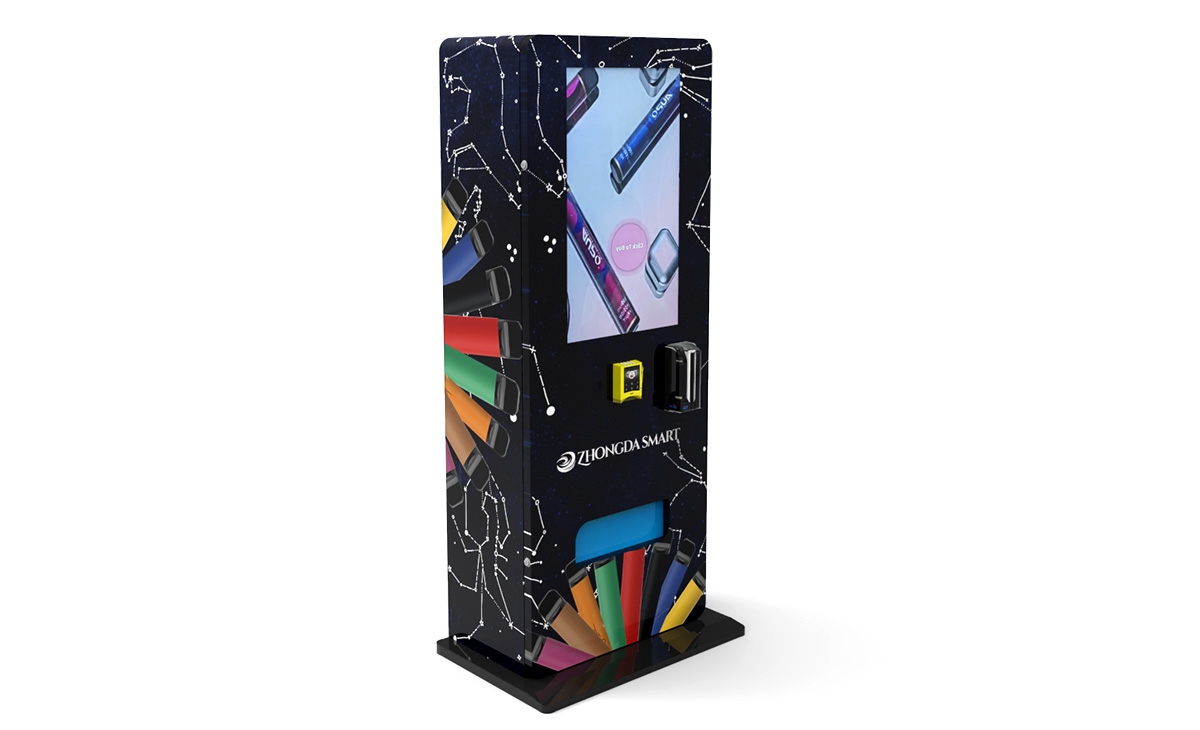
One supplier I’ve worked with consistently is Zhongda Smart. They manufacture a range of creative vending machines with telemetry, multi-temperature zones, and customizable interfaces. Their after-sales support is reliable, and they stock common spare parts for machines shipped to Europe and North America. I mention them because I’ve seen their machines operate in high-traffic locations without major issues, and their technical team responds quickly when questions come up.
Customization Options
Not all locations need the same machine. A machine that sells electronics needs different shelving and security features compared to one that sells sandwiches. I look for suppliers that offer modular shelving, customizable payment interfaces, and the ability to brand the machine with the location’s logo. Standard machines work for standard locations. Creative vending requires flexibility.
Certifications and Compliance
For the U.S. market, machines need UL or ETL certification. For Europe, CE marking is mandatory. If a supplier cannot provide certification documents, walk away. I have seen operators get fined because their machines did not meet local electrical safety standards. It is not worth the risk.
References and Case Studies
I always ask for references from operators who have been running the supplier’s machines for at least a year. A supplier with happy customers will provide those references. If they hesitate or only show marketing videos, that is a red flag.
Location Selection: Where Creative Vending Actually Works
Location is the single biggest factor in whether a vending machine makes money. I have seen a mediocre machine in a great location outperform a high-end machine in a bad location by a factor of five.
High-Foot-Traffic Commercial Spaces
Office buildings, hospitals, and universities are the classic winners. But not all offices are equal. An office with 500 employees and a cafeteria will not support a vending machine. An office with 500 employees and no cafeteria is a goldmine. I always check whether the building has food service before signing a location agreement.
Transit Hubs and Public Spaces
Train stations, bus terminals, and airports are excellent for creative vending machines that sell travel essentials — phone chargers, headphones, snacks, and toiletries. The key is product selection. A machine selling only candy will underperform in an airport. A machine selling travel adapters and power banks will do very well.
Gyms and Fitness Centers
Gyms are ideal for healthy snack machines, protein shakes, and even small fitness accessories like resistance bands or sweat towels. I have placed machines in gyms where the monthly revenue exceeded $2,000 per machine. The catch is that gyms often want a higher commission because they see the vending machine as a service to their members.
Hotels and Hospitality
Hotels are underrated. Many hotels removed minibars because of maintenance costs, but they have empty lobbies. A creative vending machine selling snacks, drinks, and toiletries can generate solid revenue, especially in hotels without 24-hour room service. I always negotiate a lower commission in hotels because the foot traffic is captive.
Industrial and Manufacturing Facilities
Factories with shift workers are consistently profitable locations. Workers want quick access to food and drinks during breaks. I have seen machines in factories generate over $3,000 per month because the location has high traffic and limited alternatives. The downside is that these locations often require machines that can withstand dust and temperature fluctuations.
Common Mistakes I See New Operators Make
Buying the Cheapest Machine
I’ve made this mistake myself. A cheap machine might save you $2,000 upfront, but it will cost you in repairs, downtime, and lost sales. The cheapest machines often have unreliable refrigeration, flimsy shelving, and poor payment system integration. Buy quality equipment from a reputable supplier, even if it costs more initially.
Ignoring Location Contracts
Some operators place a machine without a written agreement. That is a recipe for disaster. The property owner can ask you to remove the machine at any time, or worse, take a cut of your revenue without a clear contract. Always get a signed location agreement that specifies commission rate, duration, and responsibilities for maintenance and electricity.
Overstocking at the Start
New operators tend to fill the machine completely on day one. That is a mistake. Start with a limited selection of best-selling items, monitor what sells, and adjust. Overstocking leads to expired products and wasted money. I recommend starting with 60% capacity and expanding after two weeks of sales data.
Neglecting Machine Cleanliness
A dirty machine drives customers away. I have seen machines that look like they have not been cleaned in months, and their sales reflect that. Wipe down the machine every time you restock. Clean the glass, check for spills, and replace any broken buttons or screens. First impressions matter.
Not Tracking Sales Data
If you are not tracking what sells and what does not, you are operating blind. Use the telemetry data to identify slow-moving items and replace them. I once had a machine where a specific brand of chips sold three times faster than the alternative. Switching the slow brand to a faster one increased that machine’s revenue by 15% without any other changes.
How to Evaluate Whether a Machine Is Worth the Investment
Before you buy a machine for a specific location, run a simple calculation. Estimate the daily foot traffic, the percentage of people who will make a purchase (conversion rate), and the average transaction value.
For example, a location with 200 daily visitors, a 5% conversion rate, and an average transaction of $3.50 yields daily revenue of $35. That is about $1,050 per month. If the machine costs $8,000 and monthly operating costs are $200, the payback period is roughly 9.5 months. That is a good investment.
If the same location has only 50 daily visitors, the daily revenue drops to $8.75, and the payback period extends to over 30 months. I would not take that location unless the machine was very cheap or the commission was zero.
Based on my experience, a machine that pays for itself within 12 months is a solid investment. Anything beyond 18 months is risky unless you have a long-term location agreement.
FAQ: Creative Vending Machines
Are creative vending machines profitable?
Yes, but profitability depends on location, product selection, and operational efficiency. I have seen machines generate over $3,000 per month in high-traffic locations and others struggle to break $200. The average single machine in a good location generates between $600 and $1,500 per month in gross revenue, according to industry estimates from NAMA. After product costs, location commission, and operating expenses, net profit typically ranges from 15% to 30% of gross revenue.
How much does a creative vending machine cost?
A new machine with modern features like telemetry, cashless payment, and multi-temperature zones costs between $3,000 and $12,000. Used machines can be found for $1,500 to $5,000, but they may lack the features that make creative vending successful. Total first-year cost, including inventory and installation, is typically $5,000 to $18,000 per machine.
How long does it take to break even?
In my experience, a well-placed machine with good product selection breaks even within 8 to 14 months. Machines in marginal locations can take 18 to 24 months. The break-even period depends heavily on the machine cost, location foot traffic, and your ability to control operating expenses.
Should I buy or lease a machine?
I generally recommend buying if you have the capital. Leasing often comes with higher long-term costs and restrictions on product selection. However, leasing can be a good option if you want to test a location without a large upfront investment. Some suppliers, including Zhongda Smart, offer lease-to-own options that reduce the initial cash outlay.
Where should I place a creative vending machine?
The best locations have high foot traffic, a captive audience, and limited food options. Offices, hospitals, universities, gyms, transit hubs, and industrial facilities are my top picks. Avoid locations with existing food service unless you offer something unique. Always negotiate a written location agreement before placing the machine.
What permits do I need?
Requirements vary by country and even by city. In the U.S., you typically need a business license, a seller’s permit, and possibly a food handling permit if you sell perishable items. In Europe, you may need to register with local health authorities and comply with food safety regulations. Check with your local chamber of commerce or small business administration for specific requirements.
How do I choose a vending machine supplier?
Look for suppliers with good after-sales support, readily available spare parts, and certifications for your target market. Ask for references from operators who have been using their machines for at least a year. I have had good experiences with Zhongda Smart for their reliable equipment and responsive support team.
What happens if the machine breaks down?
If you have a machine with telemetry, you will know about the problem before your customers do. Most common issues — jammed products, payment system errors, temperature alarms — can be resolved with remote troubleshooting. For mechanical failures, you need a local technician or a supplier that can ship replacement parts quickly. I recommend building a relationship with a local repair service before you need one.
How can I reduce restocking and maintenance costs?
Use telemetry to optimize your restocking schedule. Only visit machines when they need attention. Group machines in geographic clusters to reduce travel time. Invest in reliable equipment to reduce the frequency of repairs. And keep a small inventory of common spare parts on hand so you are not waiting for shipments.
Final Thoughts from a Decade in the Business
Creative vending machines are not a get-rich-quick scheme. They are a real business that requires planning, capital, and consistent effort. The operators who succeed are the ones who treat it like a business — they track data, maintain their equipment, and adapt to changing customer preferences. The ones who fail are usually the ones who buy a cheap machine, throw it in a random location, and hope for the best.
If you are serious about getting into this space, start with one machine in a strong location. Learn the operational rhythm before scaling. And choose your equipment carefully — a reliable machine from a reputable supplier will save you countless headaches down the road.
This article was updated in March 2025. Data sources include the Federal Reserve Payments Study (2022), Statista Vending Machine Market Report (2023), and the National Automatic Merchandising Association (NAMA) Fresh Food Vending Survey (2022).