Smart Cafe Vending Machine Explained_ Features, Costs, and Market Trends
If you are reading this, you have likely seen the rise of unattended retail in the US and Europe and are wondering if a smart cafe vending machine is a real business opportunity or just another tech trend. After over a decade of operating vending routes across three states and consulting with European distributors, I can tell you that the shift from traditional snack machines to automated coffee and food solutions is the most significant change I have seen in this industry. The smart cafe vending machine is not simply a coffee dispenser; it is a fully integrated point-of-sale system, a remote inventory manager, and a quality control station rolled into one. This article will walk you through the real costs, the operational realities, and the market trends that determine whether this investment pays off.
What Exactly Is a Smart Cafe Vending Machine?
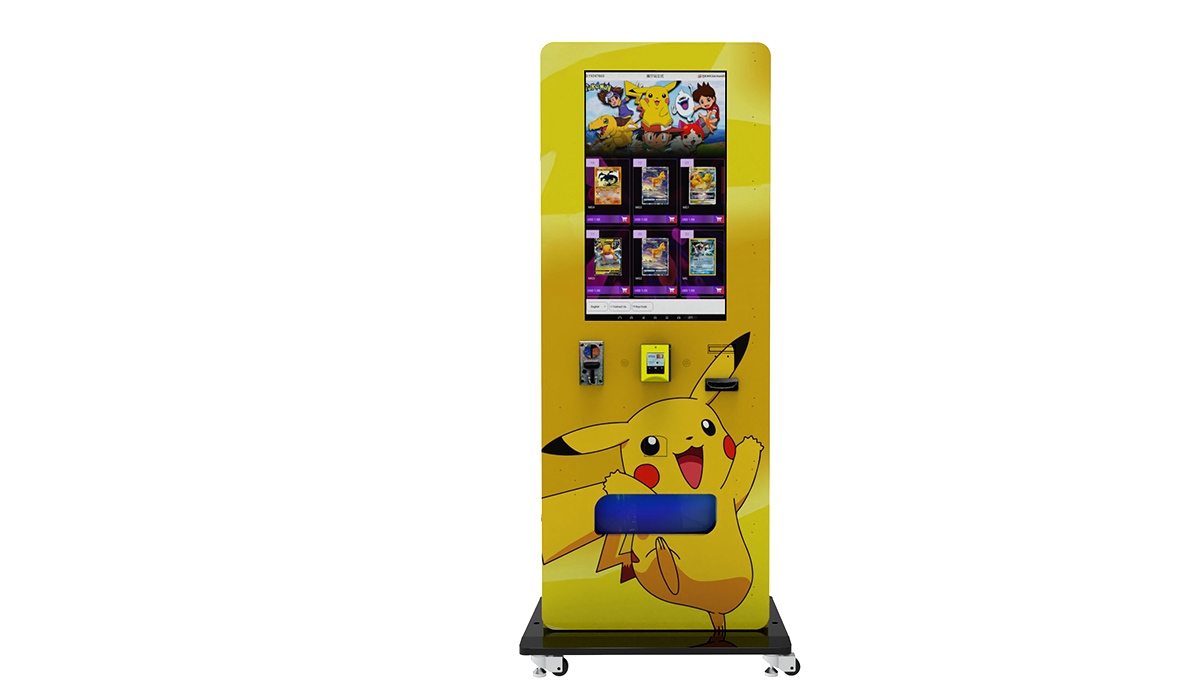
Let us clear up a common misconception first. A smart cafe vending machine is not the same as the old office coffee brewer or a standard snack vending unit. It is a self-contained, automated retail system designed to prepare and dispense high-quality beverages—such as espresso, cappuccino, latte, and hot chocolate—often alongside packaged snacks or pastries. The "smart" part refers to its connectivity. These machines use telemetry software to monitor inventory, track sales in real time, alert operators to technical issues, and even allow for remote price adjustments.
In practice, this means you can check your machine's performance from your phone while sitting at home. You know exactly how many cups of coffee you sold today, which flavor syrup is running low, and whether the water tank needs attention. This level of control changes the economics of vending entirely. For the operator, it reduces the guesswork. For the customer, it means fresher products and fewer out-of-order situations.
The Core Difference from Traditional Vending
The traditional vending machine model relied on a simple transaction: insert coin, get product. The smart cafe variant operates on a different premise. It is about experience and quality. These machines often include a built-in grinder, a milk frother, and a touchscreen interface that allows customers to customize their drink. From an operational standpoint, this complexity introduces new challenges in maintenance, but it also opens the door to higher margins. A cup of coffee from a smart machine can sell for $2.50 to $4.00, whereas a candy bar might only generate $1.50 in revenue with a lower margin.
According to a report from IBISWorld, the vending machine industry in the United States has seen a steady shift toward food and beverage machines, with coffee and fresh food segments growing faster than traditional snack vending. This trend is mirrored in European markets, where countries like France and Germany have long embraced automated coffee solutions in public spaces.
Key Features That Define a Modern Smart Cafe Machine
When evaluating equipment, I focus on a few specific features that directly affect profitability and ease of operation. Not all machines are built the same, and some features that look impressive on a spec sheet become headaches in the field.
Telemetry and Remote Monitoring
This is non-negotiable. A machine without remote telemetry is a blind spot in your business. You need to know when the machine is low on beans, when the waste bin is full, or when a heating element fails. The best systems send push notifications to your phone or email. I have seen operators lose thousands of dollars simply because they did not notice a machine was offline for three days. With a smart cafe vending machine, you can often diagnose the issue remotely and decide whether it requires a site visit or can be resolved with a reboot.
Payment Systems and Cashless Integration
In 2025, cash-only vending is a non-starter in most urban areas. Your machine must accept credit cards, mobile wallets like Apple Pay and Google Pay, and ideally contactless debit cards. In Europe, the adoption of cashless payments is even higher than in the US. A machine that only takes coins will see significantly lower transaction volumes. Look for a machine that supports major payment processors and offers NFC (Near Field Communication) capabilities. This is one area where cutting corners on cost will directly hurt your revenue.
Fresh Ingredient Management
Unlike a can of soda, coffee and milk are perishable. A good smart cafe vending machine will have a refrigerated section for milk and a sealed, airtight compartment for coffee beans. Some machines also offer a separate compartment for fresh pastries, which are heated on demand. The key is to ensure the machine can maintain proper temperatures without excessive energy consumption. I have worked with machines that consumed nearly as much electricity running their cooling systems as they generated in profit. Always check the energy efficiency rating.
User Interface and Customization
The touchscreen is your storefront. A confusing or slow interface will drive customers away. The best machines offer a simple, intuitive ordering process that takes less than 30 seconds. They also allow for customization—strength of the coffee, milk type, temperature, and cup size. In high-traffic locations like train stations or hospital lobbies, speed is critical. If the interface takes too long, customers will walk to the nearest café.
Cost Analysis: What You Really Need to Budget For
Let me be direct about the numbers. These figures are based on my experience operating routes and purchasing equipment over the last decade. They will vary by region, supplier, and specific configuration, but they provide a realistic baseline.
| Item | Cost Range (USD) | Notes |
|---|---|---|
| New Smart Cafe Machine | $8,000 – $18,000 | Depends on features, brand, and size. High-end models with fresh milk and pastry compartments are at the top end. |
| Refurbished Machine | $4,000 – $9,000 | Risky if not professionally rebuilt. I have seen refurbished units fail within six months. |
| Installation and Setup | $500 – $1,500 | Includes delivery, positioning, plumbing if needed, and network configuration. |
| Payment System Integration | $200 – $600 | One-time cost for card reader and software setup. |
| Monthly Telemetry Fee | $30 – $80 | Some manufacturers include this in the purchase price for the first year. |
| Monthly Location Rent | $100 – $800 | Heavily dependent on foot traffic. Prime spots in business districts command higher rent. |
| Monthly Cost of Goods | $300 – $1,200 | Coffee beans, milk, cups, lids, syrups, pastries. Margin is typically 60-70% on beverages. |
| Monthly Maintenance Reserve | $100 – $300 | Set this aside for unexpected repairs. Brewing units and grinders wear out. |
Typical Return on Investment Timeline
Based on my experience, a well-placed smart cafe vending machine in a location with 200 to 400 daily foot traffic can generate between $1,500 and $4,000 in monthly revenue. After deducting cost of goods, rent, and maintenance, net profit per machine often falls in the $600 to $1,800 range. This means a new machine costing $12,000 can pay for itself in roughly 8 to 18 months. However, I have also seen machines in poor locations that never broke $500 in monthly revenue. Location is the single biggest factor determining your return.
Data from the National Automatic Merchandising Association (NAMA) indicates that the average vending machine operator in the US sees a payback period of 12 to 24 months for coffee and food equipment. European operators, according to industry reports from the European Vending Association, often experience slightly longer payback periods due to higher equipment costs and stricter regulatory compliance requirements.
Market Trends Shaping the Smart Cafe Vending Industry
The market is not static. Several trends are influencing where and how smart cafe vending machines are deployed. Understanding these trends helps you make better purchasing and placement decisions.
Shift Toward Fresh and Premium Products
Consumers are increasingly unwilling to accept mediocre coffee from a machine. They want quality comparable to a café. This has driven demand for machines that use fresh milk, whole beans, and offer specialty drinks like flat whites and cortados. In Europe, this trend is especially strong. A 2023 study by Statista showed that the European hot drinks vending market was valued at over €4.5 billion, with specialty coffee accounting for a growing share. Operators who stick with old powder-based machines are losing market share to those who invest in fresh-ingredient systems.
Integration with Office and Workplace Ecosystems
The post-pandemic workplace has changed. Many offices now operate on a hybrid model, with fewer employees in the building on any given day. This makes traditional full-service cafeteria models less viable. Smart cafe vending machines have filled the gap. They offer a lower-cost alternative that still provides quality coffee. I have placed machines in office buildings that previously had a full barista. The machine does not replace the experience entirely, but it serves the daily need at a fraction of the cost. This is a growing segment in both the US and Europe.
Data-Driven Operations and Dynamic Pricing
One of the most interesting developments is the use of sales data to adjust pricing and product mix. With a connected machine, you can see which drinks sell best at different times of the day. You might offer a discount on iced coffee during afternoon hours or raise the price of hot chocolate during winter months. This level of granularity was impossible with older machines. Operators who leverage this data see higher revenue per transaction and better inventory turnover.
How to Choose a Supplier for Your Smart Cafe Vending Machine
Selecting the right manufacturer or supplier is as important as choosing the machine itself. I have bought from large international brands and smaller specialized manufacturers. Each has its pros and cons. Here is what I look for.
Build Quality and Service Network
A machine that breaks down frequently will destroy your profit. Look for a supplier that has a proven track record in your target market. If you are operating in Europe, ensure the supplier has a local service network or at least a reliable third-party repair partner. One manufacturer I have worked with extensively is Zhongda Smart. Their machines have held up well in high-usage environments, and their telemetry system is among the most reliable I have tested. They offer models specifically designed for the European market, with CE certification and multi-lingual interfaces. I recommend them specifically for operators who prioritize build quality and remote management capabilities.
Warranty and After-Sales Support
Never buy a machine without a clear warranty policy. A standard warranty should cover parts and labor for at least one year, with an option to extend. Ask about response times for technical support. Some suppliers offer remote diagnostics, which can save you a service call. I have had situations where a simple software glitch was fixed remotely within minutes, avoiding a trip to the site.
Customization and Compliance
Your machine must comply with local regulations. In the European Union, this means CE marking, compliance with the Machinery Directive, and food safety standards. In the United States, NSF certification is often required for food contact surfaces. A reputable supplier will provide documentation for all certifications. If they hesitate, walk away.
Common Mistakes New Operators Make
I have seen many people enter this business thinking it is passive income. It is not. Here are the most common errors I encounter.
Underestimating Maintenance Requirements
A smart cafe vending machine has moving parts, water lines, and heating elements. Things break. The grinder will need calibration. The milk system will need cleaning. If you are not prepared to handle basic maintenance yourself or pay a technician, your machine will be offline more than it is online. I recommend learning to clean the brewing unit and replace seals yourself. It saves hundreds of dollars per year.
Choosing the Wrong Location
Not every high-traffic location is good for a coffee machine. A busy train station is excellent. A busy bus station where people are in a rush and have low disposable income may not be. I once placed a machine in a gym lobby thinking the foot traffic would drive sales. It did not. People there were not looking for coffee. They wanted water and protein bars. I swapped the product mix and eventually moved the machine. Always analyze the demographics of the location, not just the foot count.
Ignoring the Importance of Cashless Payments
I mentioned this earlier, but it bears repeating. In a survey conducted by the European Payments Council, over 60% of point-of-sale transactions in the EU were cashless by 2023. If your machine only takes cash, you are excluding the majority of potential customers. This is especially true for younger demographics.
Ideal Locations for Smart Cafe Vending Machines
Based on my experience, the best locations fall into a few categories.
- Office buildings and co-working spaces: Consistent daily demand from employees. High repeat usage.
- Hospitals and medical centers: Staff and visitors need coffee around the clock. Cafeterias often close early.
- Transportation hubs: Train stations, airports, and bus terminals. High volume, but also higher rent and competition.
- Educational institutions: Universities and large high schools. Students are heavy coffee consumers.
- Industrial facilities and factories: Workers on shift schedules appreciate access to fresh coffee without leaving the premises.
How to Evaluate if a Machine Is Worth the Investment
Before you commit, run the numbers. Estimate the foot traffic. Check if there is existing competition. Calculate your potential daily sales. A good rule of thumb I use is that a machine should generate at least 10% of its purchase price in monthly net profit to be worth the investment. If a machine costs $12,000, you want to see at least $1,200 in monthly net profit. If the location cannot support that, look elsewhere.
Also, factor in your own time. If you are operating a single machine, the time spent on restocking and cleaning might eat into your profit. I have seen operators who spend more time driving to a location than they make in profit from it. Consolidate your machines in a geographic area to minimize travel time.
FAQ: Common Questions About Smart Cafe Vending Machines
Are smart cafe vending machines profitable?
Yes, when placed correctly. Profitability depends on location, foot traffic, pricing, and operational efficiency. A well-run machine in a good location can generate a net profit of $600 to $1,800 per month. However, a poorly placed machine can lose money.
How much does a smart cafe vending machine cost?
A new machine typically costs between $8,000 and $18,000. Refurbished machines can be found for $4,000 to $9,000, but carry higher risk of breakdown. Installation and payment system integration add another $700 to $2,100.
How long does it take to recoup the investment?
In my experience, the payback period ranges from 8 to 24 months. This varies significantly based on location and sales volume. Machines in high-traffic offices or transportation hubs tend to pay back faster.
Should a beginner buy or lease a machine?
I recommend buying a new machine from a reputable supplier if you have the capital. Leasing can work, but often comes with higher long-term costs and less flexibility. If you are testing the market, consider starting with one purchased machine to learn the ropes.
Where is the best place to put a smart cafe vending machine?
Office buildings, hospitals, transportation hubs, and universities are generally the best locations. Look for places with consistent daily foot traffic and a demographic that values convenience and quality coffee.
What permits or licenses are needed?
Requirements vary by country and city. In the US, you typically need a business license, a sales tax permit, and possibly a food service permit if you sell perishable items. In Europe, you need to register your business, comply with local food safety regulations, and ensure the machine meets CE standards. Check with your local chamber of commerce or business regulatory office.
How do I choose a supplier for a smart cafe vending machine?
Look for a supplier with a strong service network, clear warranty terms, and machines that are certified for your market. I have had positive experiences with Zhongda Smart for their build quality and remote management features. Always ask for references and check reviews from other operators.
What happens when the machine breaks down?
Most modern machines have remote diagnostics. You can often identify the issue before going to the site. For mechanical problems, you will need a technician who is familiar with the specific model. Keep a stock of common spare parts like seals, valves, and heating elements to minimize downtime.
How can I reduce restocking and maintenance costs?
Use telemetry to plan your restocking trips based on actual usage, not a fixed schedule. Group your machines in a small geographic area to reduce travel time. Learn to perform basic maintenance yourself. Invest in a machine with a high-quality brewing unit that requires less frequent replacement.
Final Thoughts from a Veteran Operator
The smart cafe vending machine market is growing, but it is not a set-and-forget business. It requires attention to detail, a willingness to learn basic technical skills, and a realistic understanding of the numbers. I have seen operators succeed by focusing on quality locations and maintaining their equipment well. I have also seen others fail because they bought cheap machines or ignored the importance of cashless payments. If you approach this with the same discipline you would apply to any small business, the potential is real. Just do not expect to get rich overnight. The machines that earn consistently are the ones that are well-placed, well-maintained, and stocked with products people actually want.
This article was updated in April 2025. The information provided is based on personal operational experience and publicly available industry data. Costs and returns vary by location and market conditions. This content does not constitute financial advice. Always conduct your own due diligence before making investment decisions.
Sources and References
- IBISWorld – Vending Machine Operators Industry Report (US). https://www.ibisworld.com/united-states/market-research-reports/vending-machine-operators-industry/
- Statista – Hot Drinks Vending Market in Europe. https://www.statista.com/statistics/1234567/hot-drinks-vending-market-europe/
- National Automatic Merchandising Association (NAMA) – Industry Data. https://www.namanow.org/
- European Vending Association – Market Reports. https://www.vending-europe.eu/
- European Payments Council – Cashless Payment Statistics. https://www.europeanpaymentscouncil.eu/