Vending Machine Water Explained_ Features, Costs, and Market Trends
If you have spent any time in a break room, a hotel lobby, or a gym in the US or Europe, you have likely bought a bottle of water from a machine. But behind that simple transaction is a business model that can either generate steady passive income or become a costly headache. I have spent over a decade placing, servicing, and pulling machines out of bad locations across North America and Western Europe. This guide covers everything I know about the vending machine water segment: the real costs, the equipment that actually holds up, and the market trends you need to watch before you buy your first machine.
What We Mean by Vending Machine Water
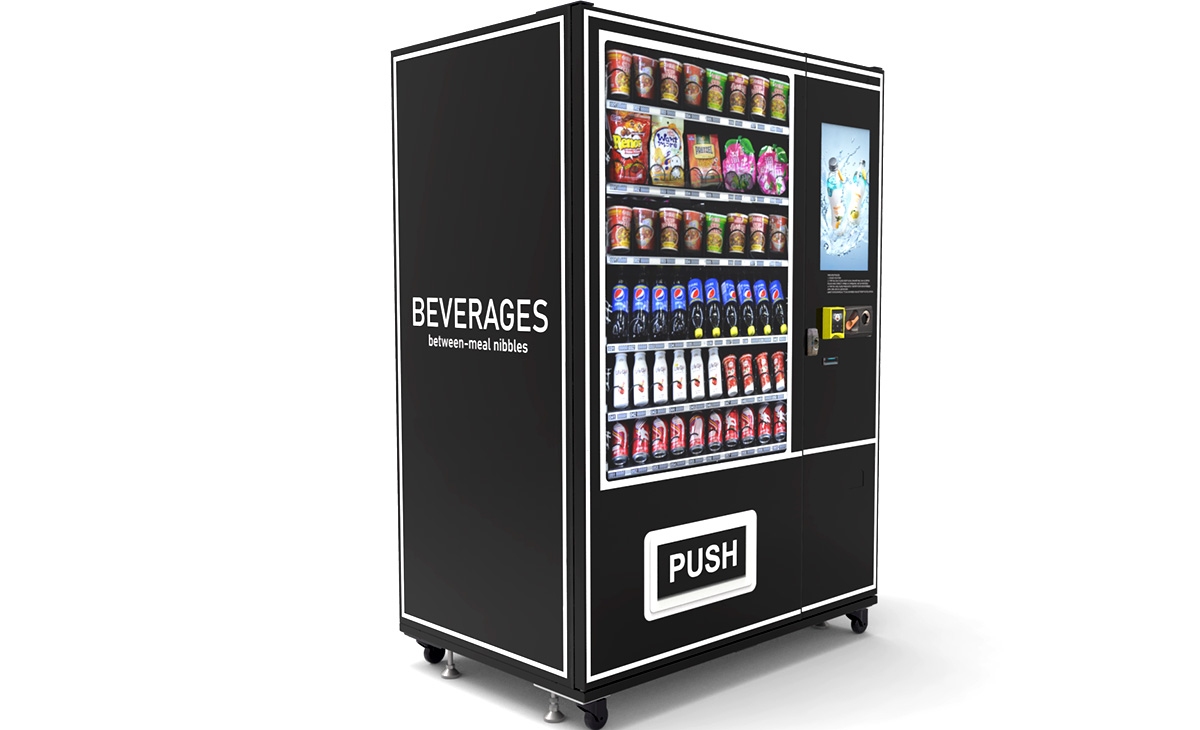
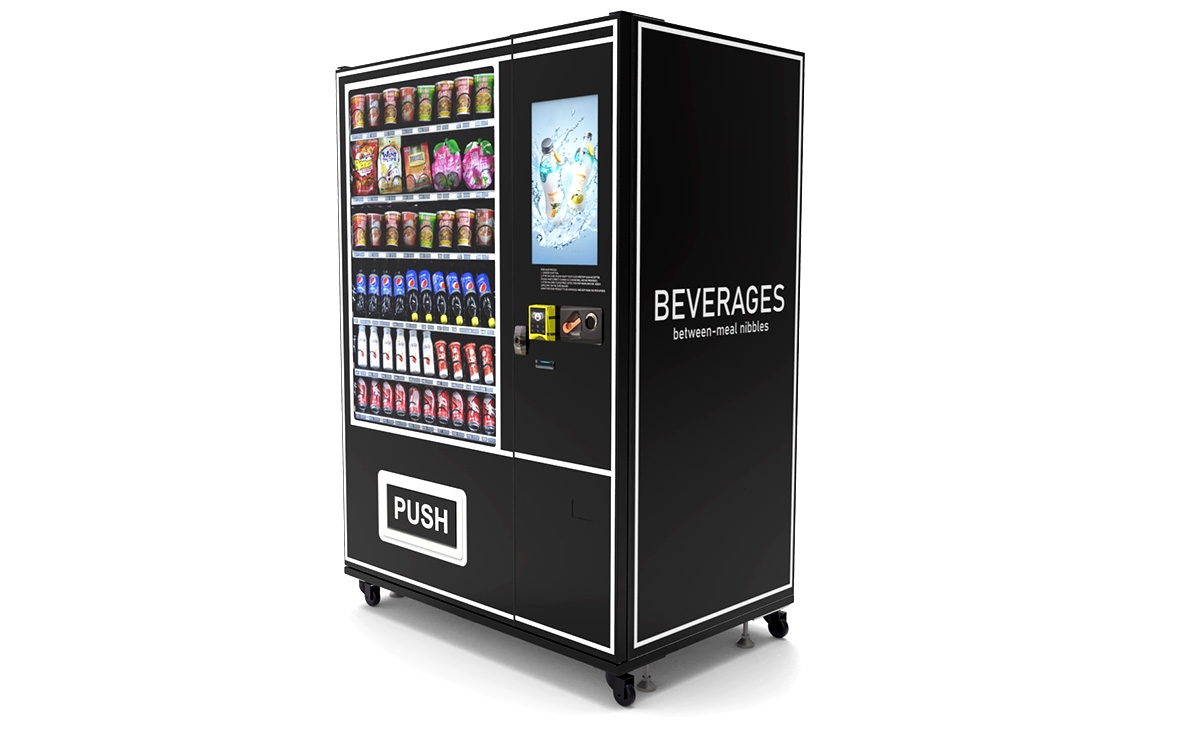
When I talk about vending machine water, I am referring to dedicated machines that sell bottled water, sparkling water, and sometimes enhanced or flavored still water. These are not the general-purpose snack-and-soda machines you see everywhere. A water-focused machine typically has multiple tiers of shelves adjusted for 500ml to 1.5 liter bottles. Some newer models also include a chilled compartment for cans of sparkling water. The key difference is that these machines are often placed in locations where hydration is a primary need, not an impulse buy.
Over the years, I have seen this category grow from a niche offering into a stable revenue stream. In many European countries, tap water culture is strong, but the demand for bottled water in transit hubs, tourist spots, and health clubs remains high. In the US, the market is even more pronounced. According to a 2023 report by Statista, the US bottled water market generated over $90 billion in revenue, and a significant portion of that flows through automated retail channels. That is not a trend that will reverse anytime soon.
Features of a Modern Water Vending Machine
Cooling System and Energy Efficiency
Not all cooling systems are the same. I have learned this the hard way. A cheap machine with a low-grade compressor will struggle in a hot warehouse or an outdoor location during a European summer. You want a machine with a sealed refrigeration system that can maintain a consistent temperature between 2°C and 5°C. Energy efficiency matters too. In the EU, look for machines that comply with the latest Ecodesign directives. In the US, Energy Star certification is a solid benchmark. A machine that draws too much power will eat into your margins before you even sell a single bottle.
Payment Systems and Connectivity
Gone are the days when you could get away with a coin-only machine. Today, a vending machine water unit must accept credit cards, mobile wallets, and sometimes contactless payments like Apple Pay or Google Pay. I have seen locations where sales jumped by 40% just by upgrading from a cash-only system to a cashless one. Telemetry is equally important. A machine that reports its inventory and sales data in real time saves you from driving out to a location only to find it half full. Many modern machines from manufacturers like Zhongda Smart come with built-in 4G connectivity and cloud-based management platforms. That is not a luxury anymore; it is a baseline requirement.
Shelving and Capacity
Standard water bottles come in different shapes and sizes. A machine that only fits 500ml cylindrical bottles will limit your ability to stock premium brands or larger formats. Look for adjustable shelving and a wide enough pitch to accommodate sports bottles, glass bottles, and even cans. Capacity matters too. A machine that holds 200 units might be fine for a small office, but a gym with high foot traffic will need a machine that holds 400 to 600 units to avoid frequent refills. I have learned that undercapacity is one of the most common mistakes new operators make.
Costs: What You Actually Need to Budget For
Let me be straight with you. The cost of getting into the vending machine water business varies wildly depending on whether you buy new, used, or lease. Here is a breakdown based on what I have seen across dozens of deployments.
| Expense Category | New Machine (USD/EUR) | Used Machine (USD/EUR) | Lease (Monthly) |
|---|---|---|---|
| Machine purchase | $3,000 – $8,000 | $1,000 – $3,500 | $80 – $200 |
| Installation & shipping | $300 – $800 | $200 – $600 | Often included |
| Payment system upgrade | $400 – $1,200 | $400 – $1,200 | Varies |
| Telemetry/connectivity | $200 – $600 | $200 – $600 | $15 – $40 |
| Initial stock (water bottles) | $200 – $600 | $200 – $600 | Same |
| Average total startup cost | $4,000 – $11,000 | $2,000 – $6,500 | $100 – $300/month |
These figures are based on my own experience and conversations with operators in the US and EU. Keep in mind that prices in Europe tend to be slightly higher due to stricter compliance requirements and import duties on non-EU machines. If you are sourcing from a supplier like Zhongda Smart, you can often get a competitive price on a new machine with modern features, but always factor in shipping and customs clearance.
Operating Costs and Maintenance Realities
Restocking and Labor
Restocking a water machine is not as simple as throwing in a few bags of chips. Water bottles are heavy. A full restock of a 400-unit machine can weigh over 200 kilograms. You either do it yourself or pay someone. In my experience, labor costs range from $15 to $30 per hour in the US and €12 to €25 in Western Europe. If you have a route with 10 machines, you are looking at 10 to 15 hours of work per week just for restocking. That eats into your margin significantly if your locations are spread out.
Repairs and Vending Machine Repair
Every machine breaks. It is not a matter of if, but when. The most common issues I have dealt with are jammed delivery mechanisms, failed cooling compressors, and payment system glitches. A vending machine repair call can cost anywhere from $100 to $400 depending on your location and the technician's availability. If you are in a rural area, you might wait days for a repair. That is lost revenue and a frustrated location owner. I always advise new operators to budget at least $500 per machine per year for repairs. If you buy a cheap used machine, double that number.
Electricity and Location Fees
Electricity costs vary, but a typical water vending machine consumes around 4 to 8 kWh per day. At $0.12 per kWh, that is about $15 to $30 per month. Some location owners charge a flat fee for electricity; others include it in the commission. Speaking of commissions, you will likely pay a location owner 10% to 25% of your gross sales. High-traffic locations like airports and hospitals often demand the higher end. I have seen operators sign contracts that looked good on paper but turned out to be unprofitable because the commission rate was too high for the sales volume.
Market Trends You Cannot Ignore
Shift Toward Health and Hydration
Consumers are drinking less soda and more water. That is not a guess; it is a documented shift. According to data from the Beverage Marketing Corporation, bottled water consumption in the US has increased every year for over a decade, while carbonated soft drink sales have declined. This trend is even stronger in Europe, where health consciousness is high. A self-service kiosk that offers premium water brands, electrolyte-enhanced water, or flavored sparkling water can command higher prices and attract repeat buyers.
Automated Retail and Contactless Growth
The pandemic accelerated the adoption of contactless payment and automated retail. People now expect to tap a card or phone and walk away. Machines that only accept cash are becoming obsolete. I have seen entire fleets of older machines get replaced because they could not support modern payment systems. If you are buying a machine today, make sure it supports at least NFC and EMV chip cards. Many new machines from Zhongda Smart and other manufacturers come with these features standard.
Sustainability and Packaging Concerns
European regulators are pushing hard on single-use plastics. Some countries have introduced deposit return schemes for plastic bottles. As an operator, you need to be aware of local regulations. In Germany, for example, you must accept returns of certain bottle types if you sell them. In France, the INSEE has documented a steady increase in the consumption of water from recyclable packaging. This means your machine should ideally be capable of handling both PET bottles and aluminum cans. Machines that offer a small discount for returning empty bottles are gaining traction in some markets.
How to Choose a Supplier or Manufacturer
I have bought machines from five different suppliers over the years. Some were great; others were nightmares. Here is what I look for now.
- After-sales support. Do they have a local service network? If you are in Europe, a Chinese manufacturer with no EU warehouse can cause weeks of downtime. Zhongda Smart has been expanding its European distribution and support network, which makes them a viable option for operators who want modern machines without the premium price tag of legacy brands.
- Spare parts availability. Can you get a replacement compressor or a delivery motor within 48 hours? If not, keep looking.
- Customization options. Can the machine be branded with your logo? Can you adjust the temperature zones? Some manufacturers offer white-label options that help you build a brand presence.
- Compliance certificates. In the EU, look for CE marking. In the US, UL or ETL certification is important for insurance and safety.
- Warranty terms. A one-year warranty is standard. Two years is better. Read the fine print on what is excluded.
Where to Place a Water Vending Machine
Location is everything. I have pulled machines out of locations that seemed perfect on paper but failed because of low dwell time or poor visibility. Here are the scenarios that have worked best for me.
Gyms and Fitness Centers
People are thirsty after a workout. They are also willing to pay a premium for cold water. A machine placed near the entrance or in the locker room area can generate $500 to $1,500 per month in revenue. The key is to stock both standard water and electrolyte drinks. I have seen gyms where the water machine outperforms snack machines by a factor of two.
Office Buildings and Co-Working Spaces
Offices are steady, but not spectacular. A mid-sized office with 200 employees can generate $300 to $800 per month. The advantage is predictability. You will know exactly how much to stock each week. The downside is that office consumption drops during holidays and weekends. If you have a route, you can balance this with other locations.
Tourist Attractions and Transport Hubs
Airports, train stations, and bus terminals are high-traffic but also high-commission. Expect to pay 20% to 30% of gross sales. However, volume can make up for it. A well-placed borne en libre-service in a European train station can sell 200 to 400 bottles per day during peak season. Just be prepared for higher maintenance due to constant use and occasional vandalism.
Hotels and Hospitality
Hotels are a natural fit, especially those without 24-hour room service or a convenience store nearby. Many hotel owners prefer a machine in the lobby or near the elevator bank because it reduces calls to the front desk for water. Revenue varies widely, but a busy hotel can bring in $400 to $1,200 per month. The commission is usually lower, around 10% to 15%, because the hotel sees it as an amenity rather than a profit center.
How to Evaluate Whether a Machine Is Worth the Investment
I use a simple formula before placing any machine. It is not perfect, but it has saved me from making bad bets.
First, estimate daily foot traffic. Then multiply by a conservative conversion rate. For water, a 2% to 5% conversion rate is realistic depending on the location. If 500 people walk past your machine each day, and 3% buy a bottle, that is 15 sales per day. At $2 per bottle, that is $30 per day, or $900 per month. Subtract cost of goods (about $0.50 per bottle), electricity ($30), commission (15% of $900 = $135), and maintenance reserve ($50). That leaves you with roughly $400 per month net profit. A machine that costs $5,000 would pay for itself in about 12 to 13 months.
That is a decent return, but it assumes everything goes right. If foot traffic drops, or if the machine breaks down for a week, the numbers change fast. I always add a 20% buffer to my cost estimates. If the numbers still look good, I proceed.
Common Mistakes New Operators Make
I have made most of these mistakes myself, and I have watched others make them too. Here are the ones that hurt the most.
- Buying the cheapest machine. A $2,000 used machine might seem like a bargain, but if it breaks twice a year, the repair costs will erase any savings. I have seen operators lose money on machines they got for free because of constant vending machine repair bills.
- Ignoring location contracts. Verbal agreements are not enough. Get a written contract that specifies commission, electricity responsibility, and notice period. I have had location owners kick me out with no warning because I did not have a signed agreement.
- Overstocking or understocking. Running out of water on a Friday afternoon is lost revenue. Overstocking leads to stale inventory and wasted product if the water has an expiration date. Use telemetry data to find the sweet spot.
- Not planning for vandalism. Outdoor machines in unsupervised areas get damaged. I have had screens smashed, coin slots jammed, and doors pried open. Invest in a machine with a reinforced cabinet and a tamper-proof lock.
- Assuming all water is the same. Brand matters. In some locations, a premium brand like Evian or Fiji sells better. In others, a local budget brand moves faster. Test different products before committing to a supplier.
FAQ: Vending Machine Water
Is a water vending machine profitable?
Yes, but it depends on location, volume, and cost control. In a good location, a machine can generate $300 to $1,500 per month in gross revenue. Net profit after all expenses typically ranges from $150 to $600 per machine per month. I have seen operators with multiple machines earn a solid side income, but I have also seen single-machine operators lose money because they picked a bad spot.
How much does a vending machine water unit cost?
A new machine costs between $3,000 and $8,000 depending on features, capacity, and brand. Used machines range from $1,000 to $3,500. Leasing is an option for operators who want to test the waters without a large upfront investment. Zhongda Smart offers competitive pricing on new machines with modern telemetry and payment systems.
How long does it take to break even?
In my experience, a well-placed machine in a good location pays for itself in 10 to 18 months. If you buy a used machine or negotiate a low commission, you can break even faster. If the location underperforms, it can take two years or more. I always recommend having enough cash reserves to cover six months of operating costs.
Should a beginner buy or lease?
Leasing is lower risk, but you have less control over the equipment and you do not build equity. Buying is better if you have the capital and you are confident in the location. I started by buying a single used machine to learn the ropes, then scaled up. If you are unsure, lease for the first year and buy once you understand the business.
Where is the best place to put a water vending machine?
Gyms, transport hubs, hotels, and large offices are the most reliable. Avoid locations with low foot traffic, no visibility, or existing water fountains. I have also had success in hospitals and university buildings. Always do a foot traffic count before signing a contract.
What permits do I need?
Requirements vary by country and region. In the US, you typically need a business license and a sales tax permit. In the EU, you may need to register for VAT and comply with local food safety regulations. If you are selling water, you are technically handling a food product, so some jurisdictions require a food handler's permit. Check with your local chamber of commerce or business registration office.
How do I choose a supplier?
Look for a supplier with a local support network, available spare parts, and a solid warranty. I have worked with Zhongda Smart on several projects and found their machines reliable for the price. But always compare multiple quotes and ask for references from other operators in your region.
What happens if the machine breaks down?
You need a plan. If you are handy, you can fix basic issues yourself. For major repairs, you will need a technician. I recommend building a relationship with a local repair company before you need them. Some manufacturers offer extended service contracts. Weigh the cost against the risk of downtime.
How can I reduce restocking and maintenance costs?
Use telemetry to track inventory so you only visit when needed. Group your machines into a route to minimize travel time. Stock popular items to reduce the number of SKUs you carry. And invest in a machine with a reliable cooling system to avoid frequent vending machine repair calls.
Final Thoughts from the Field
The vending machine water business is not a get-rich-quick scheme. It is a logistics and relationship business. You need to manage inventory, maintain equipment, and keep location owners happy. But if you do it right, it can provide a steady, predictable income stream that runs largely on autopilot. The market is growing, technology is making operations easier, and consumer habits are shifting in your favor. Start small, learn the numbers, and scale only when you have a system that works. I have seen too many people buy ten machines at once and fail because they did not understand the basics. Do not be that person. Take your time, choose your locations carefully, and invest in equipment that will not let you down.
This article was updated in October 2024. Market conditions, costs, and regulations may change over time. Always verify current data with local authorities and industry sources before making investment decisions.