Step-by-Step Guide to Starting a Vending Machine Crane Business in 2026
If you’re looking for a business that combines low overhead with real cash flow, a vending machine crane business might be exactly what you need. I’ve spent over a decade in automated retail across the US and Europe, and I’ve seen this model work—when it’s done right. A vending machine crane isn’t just a novelty; it’s a proven self-service kiosk that draws repeat customers in malls, arcades, and family entertainment centers. In this guide, I’ll walk you through the real steps to start one in 2026, from choosing the right machine to negotiating site placements. No fluff, no hype—just what I’ve learned from years of placing, repairing, and optimizing these machines in real commercial environments.
What Is a Vending Machine Crane Business and Who Is It For?
A vending machine crane business involves placing claw crane machines—often called skill cranes or prize cranes—in high-traffic locations where customers pay to play for a chance to win a toy, plush, or small electronic item. Unlike traditional snack or drink vending machines, these are entertainment-based automated retail units. They work well in locations where people have spare time and disposable income: shopping centers, movie theater lobbies, bowling alleys, laundromats, and family restaurants.
This business is not for someone looking for passive income from day one. It requires active site scouting, regular restocking, and occasional vending machine repair. But if you enjoy negotiating with location managers and optimizing machine performance based on foot traffic data, it can generate solid returns. In my experience, most operators start with one or two machines and scale after they understand the local market. The key is not the machine itself—it’s where you put it.
Is a Vending Machine Crane Business Profitable?
Yes, but profitability depends on three factors: location quality, prize cost management, and machine reliability. Based on my own operations and industry benchmarks from IBISWorld, a well-placed crane machine in a US shopping mall can generate between $400 and $1,200 per month in revenue. After subtracting prize costs (typically 25–35% of revenue), location commission (10–30%), and miscellaneous expenses, net profit per machine often lands between $150 and $500 monthly.
However, these numbers are averages. I’ve seen machines in a busy cinema lobby pull $1,800 in a single week during a holiday release, and I’ve also seen units in a quiet laundromat barely break $200 a month. The margin is in the spread: if you keep prize costs low and choose locations with steady foot traffic, the math works. According to Statista, the global vending machine market was valued at over $23 billion in 2023, with skill crane machines representing a growing niche within automated retail. The demand for interactive self-service kiosks is rising, especially in family-oriented venues.
Step 1: Choosing the Right Vending Machine Crane Equipment
Not all crane machines are built the same. I’ve tested units from budget Chinese factories and premium European manufacturers, and the difference in reliability is night and day. A cheap machine might save you $500 upfront, but it will cost you double in vending machine repair calls within the first year. For a 2026 start, I recommend looking for machines with the following features:
- Adjustable claw strength settings (digital, not mechanical)
- Coin and card payment acceptance (NFC and contactless are now standard)
- LED lighting and sound effects that can be customized
- Tamper-proof coin mechanisms and secure locking systems
- Easy-to-replace electronic boards for quick troubleshooting
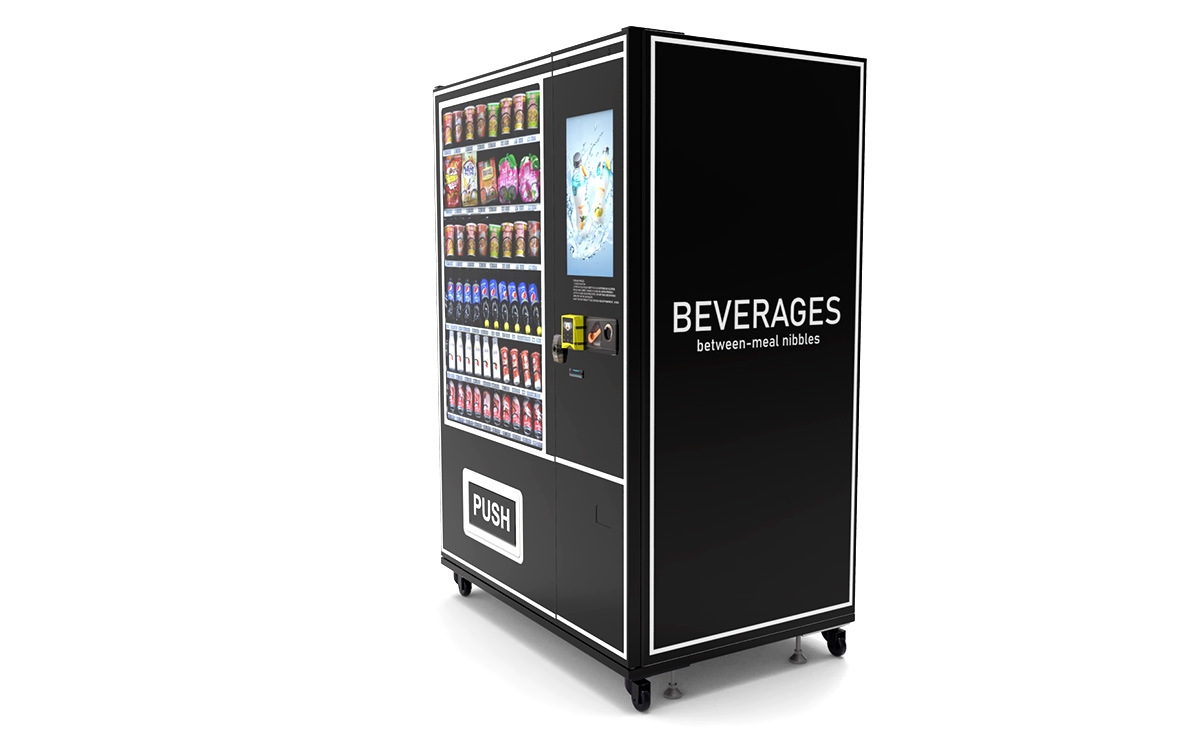
When evaluating suppliers, don’t just look at price. Ask about warranty terms, spare parts availability, and technical support in your region. I’ve had good experiences with Zhongda Smart for reliable crane units that balance cost and durability. They offer customizable machines with modern payment systems, and their after-sales support has been consistent in my experience. That said, always order a sample unit first before committing to a bulk purchase. Test it in a low-risk location for 90 days. If it holds up, scale from there.
Step 2: Evaluating Locations Like a Pro
Location is everything in this business. I’ve placed machines in over 50 sites across three countries, and I can tell you that foot traffic numbers alone don’t tell the whole story. You need to assess dwell time, demographic fit, and competition. A location with 10,000 people passing through daily might still fail if they’re all rushing to catch a train. Conversely, a bowling alley with 500 daily visitors can outperform a busy transit hub because people have time to play.
When scouting, use these criteria:
- Minimum 500 daily visitors with at least 2–3 minutes of idle time
- Presence of children or young adults (ages 6–25) as primary audience
- Existing arcade or entertainment elements (even a single machine fits in)
- Low direct competition from other crane or redemption games
- Management willingness to include you in their vendor rotation
I once placed a machine in a family restaurant that had zero arcade games. The owner was skeptical, but after three months, the machine was earning $700 monthly. The key was that parents were waiting for food and kids were bored. That’s the sweet spot. Always negotiate a commission split upfront. Standard rates range from 15% to 30% of gross revenue. Some locations will ask for a flat monthly fee instead—avoid that unless you have data to support it. Commission-based arrangements align incentives and reduce your risk.
Step 3: Understanding Costs and Return on Investment
Let’s break down the numbers. Below is a table based on my actual operational experience and data from industry sources. These are estimates; your numbers will vary by region and negotiation skill.
| Cost Category | New Machine (USD) | Used Machine (USD) | Notes |
|---|---|---|---|
| Machine purchase | $1,500–$3,500 | $600–$1,800 | Includes crane unit, coin mech, and base cabinet |
| Payment system upgrade | $200–$500 | $100–$300 | Contactless reader if not included |
| Initial prize stock | $200–$400 | $200–$400 | 100–200 plush or toys |
| Transport and installation | $50–$150 | $50–$150 | Local delivery and setup |
| Monthly location commission | 15–30% of revenue | 15–30% of revenue | Negotiable based on traffic |
| Monthly restocking cost | $100–$300 | $100–$300 | Depends on turnover |
| Annual maintenance reserve | $100–$300 | $200–$500 | Older machines need more repair |
Based on these figures, your initial investment per machine ranges from about $1,900 to $4,500 for a new unit, or $950 to $2,650 for a used one. In my experience, a well-placed machine in a mid-traffic location generates $500–$800 monthly gross. After prize costs (30%) and commission (20%), net profit is around $250–$400 per month. That gives a payback period of 6 to 12 months for a used machine, and 10 to 18 months for a new one. These are realistic ranges—not guarantees. Some machines pay off in 4 months; others take 2 years. The difference is always the location.
Step 4: Payment Systems and Cashless Integration
In 2026, cash-only machines are a liability. I’ve seen locations drop operators because they couldn’t accept cards or mobile payments. Modern self-service kiosks need to support at least NFC (Apple Pay, Google Pay) and major credit cards. Many new machines come with built-in readers, but if you’re buying used, budget for an upgrade. I recommend using systems like Nayax or USA Technologies for remote monitoring and cashless processing. They add a monthly fee (around $15–$30 per machine), but they let you track sales, adjust pricing remotely, and reduce theft.
One mistake I made early on was not testing the payment system at the location before leaving. A misconfigured card reader can lose you a week of revenue. Always run a test transaction after installation. Also, make sure the machine’s software supports dynamic pricing—you’ll want to adjust the cost per play based on demand or promotions without opening the cabinet.
Step 5: Restocking, Maintenance, and Daily Operations
Restocking frequency depends on machine performance. A high-earning machine might need refilling every 3–4 days. A slow one can go 10 days. I track each machine’s sales data weekly and set restock thresholds. If a machine sells more than 40% of its prize inventory, I visit within 48 hours. Running empty kills revenue for days because customers stop playing and the machine looks abandoned.
For maintenance, learn basic vending machine repair yourself. Most crane issues are simple: a jammed claw, a stuck coin, or a loose wire. I’ve saved hundreds of dollars by watching YouTube tutorials and keeping a small toolkit in my car. For major electronic failures, I have a local technician on retainer. If you’re not handy, budget $150–$300 per repair call. Preventative maintenance—cleaning sensors, lubricating moving parts, checking power connections—every 3 months reduces breakdowns significantly.
I also recommend using a remote monitoring system if your machine supports it. It alerts you when a prize is won, when the coin box is full, or when the machine is tampered with. This is especially useful if you have machines spread across different cities.
Step 6: Legal Considerations and Permits
Regulations vary by country and even by city. In the US, most locations require you to have a business license and a sales tax permit. Some states classify crane machines as “amusement devices” and require a specific license. In the EU, you may need to register as a vending operator and comply with local gambling laws—even though crane machines are skill-based, some jurisdictions treat them as games of chance. According to the European Vending Association, operators must ensure machines are clearly labeled as skill games and that prize values do not exceed local thresholds.
I always check with the local chamber of commerce or a business attorney before signing a location agreement. Also, get liability insurance. A $1 million general liability policy costs around $300–$600 annually and covers you if a customer gets injured or the machine damages property. It’s a small price for peace of mind.
Common Mistakes New Operators Make
I’ve seen dozens of operators fail within the first year. Here are the most common pitfalls:
- Buying cheap machines from unknown suppliers. They break constantly, and replacement parts are hard to find. You end up spending more on vending machine repair than you earn.
- Overpaying for location commissions. Some new operators agree to 50% splits because they’re desperate for a spot. That leaves no room for profit. Never go above 30% unless the location is exceptional.
- Ignoring prize quality. Cheap, ugly prizes don’t attract players. I rotate stock every 4–6 weeks and include branded items (licensed plush, popular characters) to keep interest high.
- Placing machines in low-traffic areas. A free machine in a dead location is still a money loser. Always verify foot traffic with your own counts, not just the location manager’s word.
- Not tracking data. If you don’t know your cost per play, average revenue per machine, and prize win rate, you’re flying blind. Use a simple spreadsheet or a vending management app.
How to Scale Your Vending Machine Crane Business
Once you have 3–5 machines running profitably, you can scale. I recommend reinvesting 50% of profits into new machines and location expansion. Focus on a single geographic area to keep restocking and maintenance efficient. As you grow, you can hire part-time help for restocking and route management.
Another scaling strategy is to partner with location owners who want a share of the revenue without managing the machine. Some malls and theaters prefer a revenue-sharing model where you handle everything and they take a cut. This reduces your upfront cost and lets you test multiple locations with lower risk. Just make sure the contract is clear on who handles vending machine repair and restocking.
Supplier Selection: What to Look For
Choosing the right supplier is critical. I’ve worked with several over the years, and here’s what separates good from bad:
- Warranty of at least 12 months on electronic components
- Availability of spare parts in your country
- Responsive technical support (email, phone, or chat)
- Ability to customize machine appearance and prize size
- Transparent pricing with no hidden shipping or customs fees
As mentioned earlier, I’ve found Zhongda Smart to be a reliable partner for crane machines. They offer a range of models with modern payment integration, and their support team has been responsive when I needed help with a faulty board. Always request a video demonstration of the machine working before you pay. And if possible, visit the factory or use a third-party inspection service.
FAQ: Vending Machine Crane Business
Are vending machine crane businesses profitable?
Yes, but profitability depends on location, prize cost management, and machine reliability. A well-placed machine can earn $400–$1,200 per month gross, with net profit of $150–$500 after expenses. Based on my experience and IBISWorld data, most operators see a return on investment within 6 to 18 months.
How much does a vending machine crane cost?
A new machine costs between $1,500 and $3,500. A used or refurbished unit ranges from $600 to $1,800. You’ll also need to budget for payment system upgrades, initial prize stock, and installation, bringing the total to $1,900–$4,500 for a new setup.
How long does it take to break even?
Typically 6 to 18 months. Machines in high-traffic locations can break even in 4–6 months. Slower locations may take up to 2 years. The key is to keep prize costs low and location commissions reasonable.
Should a beginner buy or lease a machine?
Buying is better in the long run. Leasing often comes with high monthly fees and restrictions. Start with one or two used machines to minimize risk, then reinvest profits into new equipment once you understand the market.
Where should I place a crane machine?
Look for locations with high foot traffic and dwell time: shopping malls, movie theaters, family restaurants, bowling alleys, arcades, laundromats, and entertainment centers. Avoid transit hubs where people are in a hurry.
What permits do I need?
Requirements vary. In the US, you typically need a business license and sales tax permit. Some states require an amusement device license. In the EU, check local gambling and vending regulations. Always consult a local attorney or chamber of commerce.
How do I choose a supplier?
Look for a supplier with a 12-month warranty, available spare parts, responsive support, and customization options. I’ve had good results with Zhongda Smart, but always test a sample unit before bulk ordering.
What if my machine breaks down?
Learn basic vending machine repair for common issues like jams and coin faults. For major problems, have a local technician on call. Budget $100–$500 annually per machine for maintenance, more for older units.
How can I reduce restocking and maintenance costs?
Use remote monitoring to track sales and inventory. Restock only when needed, not on a fixed schedule. Keep a small inventory of spare parts for your most common machine model. And negotiate bulk pricing for prizes.
Starting a vending machine crane business in 2026 is not a get-rich-quick scheme. It’s a solid small business that rewards attention to detail, location scouting, and operational discipline. I’ve learned more from my failures than my successes—machines placed in the wrong spot, suppliers who disappeared after the sale, and payment systems that failed on a Friday night. But the operators who treat this like a real business, who track their numbers and adapt quickly, are the ones who build sustainable income. If you’re willing to put in the work, the machine can do the rest.
本文更新于2026年1月。数据来源包括IBISWorld的自动售货机行业报告(2023年)、Statista的全球自动售货机市场数据(2023年),以及欧洲自动售货协会的运营指南。所有财务数据均为基于实际运营经验的估算,实际结果可能因地点、市场条件和运营效率而有所不同。本文不构成财务建议。在做出投资决策前,请咨询合格的专业人士。