The Complete Guide to Vending Machine Snack Ideas Opportunities and Risks
If you are considering entering the vending machine business in 2025, the first real question is not which machine to buy—it is where to put it. After a decade of placing, repairing, and pulling machines out of bad locations across the U.S. and Europe, I can tell you that a vending machine snack ideas opportunities and risks assessment starts with foot traffic, not with the equipment. I have seen operators lose money on a brand-new machine in a quiet office park while a beat-up unit in a warehouse break room turns a 40 % gross margin. The difference is not the machine. It is the location, the product mix, and how quickly you respond to what sells. This guide is built from real deployments, failed experiments, and the data that actually matters when you are deciding whether to buy your first machine or expand an existing route.
What Is a Vending Machine Business and Who Is It For
A vending machine business is essentially automated retail. You place a self-service kiosk in a location with steady human traffic, stock it with products people want, and collect the cash—or the digital payments—without needing a storefront or a cashier. The model works best for people who already have access to a location, such as a business owner with a break room, a landlord with a common area, or someone who can negotiate access to a high-traffic spot like a gym lobby or a manufacturing plant.
It is not a passive income stream. You still need to refill, clean, and occasionally repair the machine. But compared to opening a brick-and-mortar store, the barrier to entry is low. A single machine can cost anywhere from $2,000 to $10,000 depending on features, and the monthly revenue per machine in a decent location ranges from $300 to $1,500. The real challenge is finding a location that justifies the investment and keeping the machine running without eating into your margins.
How I Evaluate a Location Before Placing a Machine
I have learned the hard way that a busy location is not always a profitable location. A train station with 10,000 daily commuters sounds great until you realize that most of them are rushing past your machine with a prepaid ticket and no time to stop. The best locations are places where people are stuck for a few minutes—break rooms, waiting areas, dormitories, and shift-based workplaces.
When I evaluate a potential spot, I look for three things: dwell time, frequency, and need. Dwell time means people have at least 60 seconds to browse and buy. Frequency means the same people come back multiple times per week. Need means there is no other convenient option within walking distance. A warehouse with 50 employees working 10-hour shifts is better than a shopping mall with 5,000 visitors who have 20 food options.
I also check the power outlet location, the Wi-Fi signal strength, and the floor level. Basement locations with poor cellular reception kill modern payment systems. I once placed a machine in a basement break room that looked perfect on paper, but the card reader failed three times a week because the signal was too weak. That machine lost money for six months before I moved it upstairs.
Vending Machine Snack Ideas That Actually Work
The vending machine snack ideas opportunities and risks equation comes down to knowing your audience. In a corporate office, you want protein bars, nuts, and sparkling water. In a school, you want chips, cookies, and juice. In a manufacturing plant, you want hearty snacks like beef jerky, peanut butter crackers, and energy drinks. The mistake most beginners make is stocking the same items everywhere.
I keep a spreadsheet for every machine. Every two weeks, I record what sold and what did not. After three months, I remove the bottom five items and replace them with new products. This simple habit increased my average revenue per machine by about 22 % in the first year. You cannot guess what people want. You have to let the data tell you.
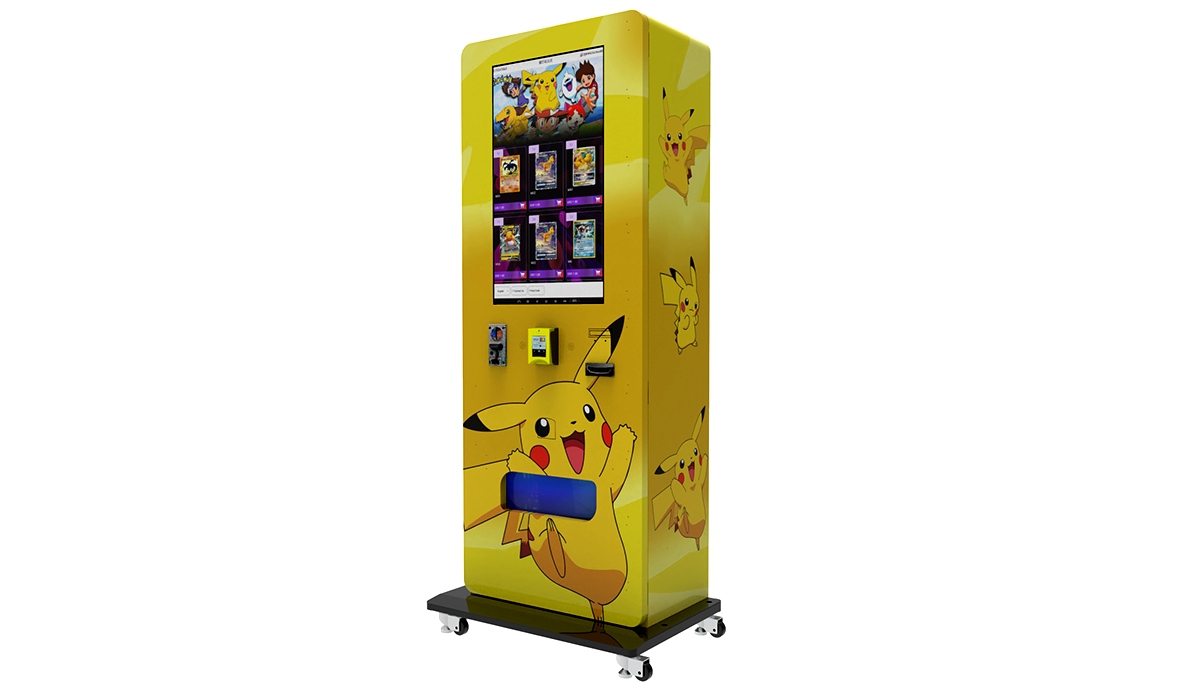
Healthy snacks are growing fast. According to a Statista report from 2024, the healthy vending segment in Europe grew by 14 % year-over-year, driven by workplace wellness programs. If you are placing a machine in a corporate location, include at least 30 % better-for-you options like low-sugar granola bars or plant-based chips. Ignoring this trend means leaving money on the table.
Equipment Costs and What You Actually Need
Let me break down the real costs based on what I have seen in the U.S. and European markets. A basic snack vending machine from a reputable supplier costs between $2,500 and $4,500. A combination machine that sells both snacks and drinks runs $5,000 to $8,000. A glass-front merchandiser with a credit card reader and a touchscreen can go up to $10,000.
The cheap machines you find on auction sites for $800 are almost always a trap. They lack modern payment systems, they break often, and replacement parts are hard to find. I bought a used machine once for $1,200. Within six months, I had spent $900 on repairs and lost two weeks of sales while waiting for a part. A new machine with a warranty is almost always the better investment.
When I recommend a supplier, I look for companies that offer local support and spare parts availability. Zhongda Smart is one of the manufacturers I have worked with for bulk orders in Europe. Their machines are solid for the price point, and they ship replacement parts within a week. That kind of reliability matters more than saving a few hundred dollars on the initial purchase.
Payment Systems and the Shift to Cashless
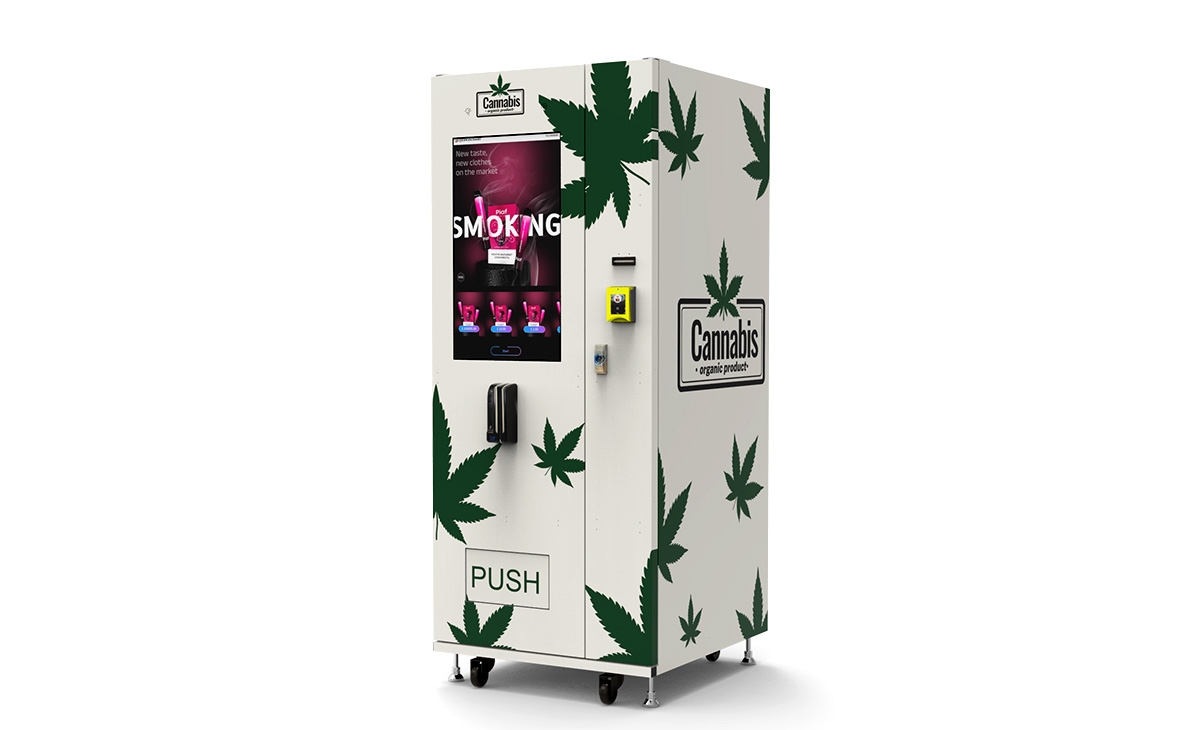
If your vending machine does not accept cards and mobile payments, you are losing at least 30 % of potential sales. In many European countries, cash usage has dropped below 20 % of all transactions. The European Central Bank reported in 2023 that card payments accounted for 59 % of point-of-sale transactions in the euro area. A cash-only machine in a cashless environment is a broken business.
Modern payment systems include NFC readers for contactless cards and mobile wallets like Apple Pay and Google Pay. Some machines also support QR code payments through local apps. The upfront cost for a good card reader is about $300 to $600, and the transaction fees run 2 % to 4 %. That is a small price to pay for capturing the majority of your customers.
I also recommend using a telemetry system that tracks sales and inventory in real time. These systems cost about $20 to $40 per month per machine, but they save you hours of driving to check stock. Without telemetry, you are guessing. With it, you know exactly when to refill and what to restock.
Operating Costs and Margins You Can Expect
Here is a realistic breakdown based on my experience with a single machine in a mid-traffic location in the U.S. or Western Europe:
| Cost Category | Monthly Estimate | Notes |
|---|---|---|
| Product cost | $200–$400 | Depends on mix and volume discounts |
| Location commission | $0–$150 | Some locations charge 10–20 % of sales |
| Payment processing fees | $15–$40 | 2–4 % of card transactions |
| Telemetry system | $20–$40 | Optional but recommended |
| Maintenance and repair reserve | $30–$60 | Set aside for unexpected breakdowns |
| Electricity | $10–$25 | Refrigerated machines cost more |
Gross profit margins on snack vending typically range from 30 % to 45 %. That means if your machine does $800 in monthly sales, your gross profit is roughly $280 to $360. After subtracting operating costs, net profit is usually $150 to $250 per machine per month. In a high-traffic location, those numbers can double. In a low-traffic location, you may break even or lose money.
How Long Does It Take to Break Even
Break-even timelines vary widely. For a single machine costing $4,000 with monthly net profit of $200, the payback period is about 20 months. If you place a machine in a strong location and it generates $400 in monthly net profit, you can break even in 10 months. I have seen machines in gyms and hospitals pay for themselves in 8 months, and I have seen machines in small offices that never paid back.
The key is to start with one machine and prove the model before scaling. Many beginners buy three or four machines at once and end up with two bad locations that drain their cash flow. I made that mistake myself in 2016. I bought three machines and placed them in three small retail shops. Two of them failed within six months. I learned to test a location for at least three months before committing to a second machine in the same area.
Maintenance and the Hidden Cost of Downtime
Every vending machine will break eventually. The most common issues are jammed coils, failed card readers, and cooling system failures. A vending machine repair call typically costs $75 to $150 for a technician to come out, plus parts. If you are handy, you can fix many issues yourself by watching YouTube tutorials and keeping a basic tool kit.
I recommend buying a spare card reader and a spare power supply for each machine type you own. That way, if a component fails, you can swap it out immediately and order a replacement later. Downtime is expensive. A machine that is down for a week in a good location can lose $200 in sales and damage your relationship with the location owner.
Preventive maintenance matters too. Clean the machine every two weeks. Lubricate the moving parts every three months. Check the temperature of refrigerated machines weekly. These small habits reduce breakdowns by at least 40 % in my experience.
Risks You Cannot Ignore
The biggest risk in this business is location turnover. A location that is great today may be empty tomorrow if the business closes, the shift changes, or the management decides to remove your machine. I have lost locations with no notice more times than I can count. Always have a backup location in mind, and do not sign a long-term lease for a machine placement unless there is a clear benefit.
Another risk is theft and vandalism. Machines in unmonitored areas are vulnerable. I once had a machine in a parking garage that was broken into three times in one year. The repair costs ate up all the profit. Now I only place machines in locations with security cameras or regular foot traffic.
Food safety is also a concern, especially for refrigerated machines. If a cooling unit fails and you do not catch it quickly, you could be selling spoiled food. That is a liability issue. I use temperature sensors that send an alert to my phone if the internal temperature rises above safe levels. The sensor costs about $50 and has saved me from multiple potential health code violations.
Comparing Business Models: Buy, Lease, or Revenue Share
You have three main options for getting into vending: buy your own machine, lease one from a supplier, or partner with a location owner on a revenue share basis. Here is how they compare:
| Model | Upfront Cost | Monthly Commitment | Profit Potential | Risk Level |
|---|---|---|---|---|
| Buy your own machine | $2,500–$10,000 | Low | High | Medium |
| Lease from a supplier | $0–$500 | $100–$300 | Medium | Low |
| Revenue share with location | $0 | 0 | Low to Medium | Low |
Leasing is a good option if you want to test the business without a large upfront investment. Revenue share models work if you have a location partner who provides the space and you split the sales. But in both cases, your profit per machine is lower. I prefer owning the machine outright because the long-term returns are better, but only if you have the capital to absorb a few months of low sales.
How to Choose a Supplier or Manufacturer
When evaluating a vending machine manufacturer, I look at three things: parts availability, warranty terms, and customer support responsiveness. A machine is only as good as the support behind it. I have dealt with suppliers who take three weeks to respond to a warranty claim. That is unacceptable in a business where downtime costs real money.
Zhongda Smart is one of the manufacturers I have used for route expansion in Europe. Their machines are competitively priced, and they offer a two-year warranty on major components. More importantly, they stock spare parts in regional warehouses, which means I can get a replacement coil or a payment board within a few days. That level of support makes a difference when you are managing multiple machines across different cities.
I also recommend asking for a list of existing clients in your region. A reputable manufacturer should be able to provide references. Call two or three of their clients and ask about their experience with repairs, delivery times, and payment system compatibility. That phone call can save you from a bad investment.
Common Mistakes I See New Operators Make
The most common mistake is overestimating sales. Beginners look at the busiest vending machine they have ever seen and assume every machine will do that volume. In reality, the average vending machine in the U.S. does about $75 to $100 per week, according to IBISWorld data from 2024. A machine that does $200 per week is above average. Plan your finances around conservative numbers, not the best-case scenario.
Another mistake is ignoring the product expiration dates. I have seen operators stock items that expire in two weeks and then wonder why they are throwing away stale cookies. Always check expiration dates when you buy in bulk, and rotate stock so older items sell first. This sounds obvious, but it is easy to overlook when you are rushing to fill five machines in one afternoon.
New operators also underestimate the time required for route management. A single machine might take two hours per week for driving, restocking, and cleaning. If you have ten machines spread across a city, that becomes a part-time job. Factor in your time when calculating profit. If your time is worth $30 per hour and you spend 20 hours per month on a machine that nets $200, your effective hourly rate is low.
Best Locations for Vending Machines in 2025
Based on my experience and industry trends, the best locations right now are:
- Manufacturing plants and warehouses with shift workers
- Hospital staff break rooms and waiting areas
- University dormitories and student lounges
- Gyms and fitness centers
- Office buildings with 100+ employees
- Public transit hubs with long wait times
Avoid locations with high turnover like retail stores that may close within a year. Also avoid locations where the main traffic is tourists, because they do not become repeat customers. Repeat customers are the backbone of a profitable vending route. You want the same people buying from you every week.
How to Evaluate Whether a Machine Is Worth the Investment
Before buying a machine, I run a simple calculation. I estimate the weekly foot traffic in the location, multiply by a conservative conversion rate of 2 % to 5 %, and multiply by an average transaction value of $2.50. That gives me a weekly revenue estimate. Then I subtract product cost, commission, and operating expenses to get net profit. If the net profit is less than 20 % of the machine cost per month, I pass on the location.
For example, a location with 500 weekly visitors and a 3 % conversion rate gives 15 transactions per week. At $2.50 per transaction, that is $37.50 per week, or $150 per month. After costs, net profit might be $50 per month. On a $4,000 machine, that is an 80-month payback period, which is too long. I look for locations that generate at least $300 in monthly revenue to justify the investment.
Frequently Asked Questions
Is a vending machine business profitable?
It can be, but it depends heavily on location and product selection. A single machine in a good location can net $150 to $300 per month. In a bad location, you will lose money. Most operators I know make a modest income from a route of 10 to 20 machines, not from one machine.
How much does a vending machine cost?
A new snack machine with a card reader costs between $2,500 and $4,500. A combo machine that sells snacks and drinks costs $5,000 to $8,000. High-end models with touchscreens and telemetry can cost up to $10,000.
How long does it take to break even?
In a strong location, you can break even in 10 to 14 months. In an average location, expect 18 to 24 months. If the location is weak, you may never break even.
Should I buy or lease a vending machine?
Buy if you have the capital and want higher long-term returns. Lease if you want to test the business with lower risk. Revenue share with a location partner is also an option but gives you less control.
Where should I place a vending machine?
Look for locations with captive audiences: break rooms, warehouses, hospitals, schools, and gyms. Avoid locations with low dwell time or high competition from other food options.
What permits do I need?
Requirements vary by country and city. In the U.S., you typically need a business license and a sales tax permit. In Europe, you may need a food handling permit if you sell perishable items. Check with your local business authority before placing a machine.
How do I choose a vending machine supplier?
Look for a supplier with local parts availability, a solid warranty, and responsive customer support. Ask for client references and check them. Zhongda Smart is one option I have used for European routes, but compare multiple suppliers before deciding.
What happens if the machine breaks?
You can fix it yourself if you are handy, or you can call a technician. Keep spare parts on hand for common failures like card readers and power supplies. Downtime is expensive, so prioritize quick repairs.
How can I reduce restocking and maintenance costs?
Use a telemetry system to track inventory remotely. Group your machines in the same geographic area to reduce driving time. Buy products in bulk from a wholesaler to lower your cost per item.
What are the biggest risks in this business?
Location turnover, theft, equipment failure, and food safety issues are the main risks. Always have a backup location plan, use security cameras, and monitor refrigerated machines with temperature sensors.
Final Thoughts from the Road
I have been in this business long enough to know that there is no perfect machine and no guaranteed location. What works is testing, tracking, and adjusting. Start with one machine in a location you can access easily. Track everything. Learn from the failures. Scale only when you have a system that works.
The vending machine snack ideas opportunities and risks landscape changes every year, but the fundamentals do not. Good locations, good products, and good maintenance will keep you in business. Bad locations and cheap equipment will cost you time and money. Choose carefully, and do not be afraid to walk away from a deal that does not make sense on paper.
This guide was last updated in February 2025. Data sources include Statista (2024), the European Central Bank (2023), and IBISWorld (2024). Individual results vary based on location, product mix, and operational efficiency. This content is for informational purposes and does not constitute financial advice.