The Complete Guide to Vending Machine Credit Card Processor Opportunities and Risks
If you are serious about getting into the vending machine business, the first real decision you will face is not what machine to buy or where to place it—it is how you will take payments. Over the past decade, I have watched cash-only machines disappear from high-traffic locations across the U.S. and Europe, replaced by units equipped with a reliable vending machine credit card processor. The simple truth is that customers now expect to tap a card or phone, and if your machine cannot do that, you are leaving money on the table. In this guide, I will walk you through the opportunities and risks of integrating credit card processing into your vending operation, drawing on real experience from hundreds of placements and thousands of transactions.
Why Credit Card Processing is No Longer Optional
I started my first route in 2013 with ten traditional snack machines, all cash-only. Within two years, I had retrofitted every single one with a card reader. The reason was simple: I was losing sales. According to a 2022 report by Statista, over 60% of vending machine transactions in the United States are now cashless. In Europe, the trend is similar. Customers under 35 rarely carry cash, and even older demographics have shifted to contactless payments. If your machine only accepts coins and bills, you are effectively excluding a majority of potential buyers.
Beyond customer preference, there is a revenue argument. I have seen locations where adding a vending machine credit card processor increased monthly sales by 30% to 50%. The uplift is most dramatic in workplaces, gyms, and hotels, where people are less likely to have loose change. The opportunity is real, but so are the risks—processing fees, equipment compatibility, connectivity issues, and security concerns all need careful consideration.
How a Vending Machine Credit Card Processor Works
At its simplest, a credit card processor for a vending machine is a small device that connects to the machine's control board. When a customer taps or inserts a card, the processor sends the transaction data to a payment gateway, which communicates with the card network and the customer's bank. The money is then settled into your merchant account, usually within one to three business days.
There are two main types of processors: integrated and retrofit. Integrated processors come built into newer machines, often from manufacturers like Zhongda Smart, who now ship many models with NFC and EMV readers as standard. Retrofit processors are add-on units that you install on an existing machine. Both have their pros and cons, which I will break down later.
Connectivity Options
Most vending machines are not in places with reliable Wi-Fi. That is why the majority of vending machine credit card processors use cellular (4G or LTE) connectivity. Some newer units also support Bluetooth for local data syncing, but cellular is the industry standard for remote locations. You will need a data plan for each machine, which adds a monthly cost typically between $5 and $15 per device, depending on your provider and data usage.
The Financial Side: Costs and Margins
Let me give you a realistic picture of what you are looking at financially. These numbers come from my own routes and from discussions with other operators at industry events like the NAMA Show in the U.S. and the AVEX in the UK.
| Cost Item | Typical Range (USD) | Notes |
|---|---|---|
| Retrofit card reader (hardware) | $250 – $600 per unit | Includes antenna, reader, and mounting kit |
| Integrated machine with card reader | $3,000 – $8,000 per machine | New machine from Zhongda Smart or similar |
| Monthly cellular data plan | $5 – $15 per machine | Depends on data volume and carrier |
| Transaction processing fee | 2.5% – 4.5% per transaction | Varies by processor and volume |
| Monthly minimum fee | $5 – $20 per account | Some processors charge if volume is low |
| Installation labor | $50 – $150 per machine | If you hire a technician |
Based on my experience, the total upfront cost to add a vending machine credit card processor to an existing machine is between $300 and $750 per unit. If you buy a new machine with integrated processing, the cost is built into the purchase price. The ongoing costs—data plans and transaction fees—are manageable, but they eat into your margin. For a typical snack machine with a 30% gross margin, a 3% processing fee reduces your net profit by about 10%. That is not a dealbreaker, but it is something you must account for in your pricing.
Opportunities: Where the Money Is
I have placed machines in over 50 different types of locations, from car dealerships to college dorms. The ones that consistently perform best with cashless payments share a few characteristics: high foot traffic, a captive audience, and a demographic that prefers cards over cash.
Top Performing Locations for Cashless Vending
- Corporate offices and break rooms: Employees have steady income and rarely carry cash. I have seen machines in office buildings generate $800 to $1,500 per month in revenue, with 80% of transactions being cashless.
- Health clubs and gyms: People bring phones and smartwatches, not wallets. A well-placed machine selling protein bars and water can do $600 to $1,200 monthly.
- Hotels and motels: Guests appreciate the convenience of tapping a card for a late-night snack. I have machines in hotel lobbies that do $400 to $900 per month, mostly after 9 PM.
- Hospitals and medical offices: Visitors and staff are often in a hurry. Cashless is essential here. Revenue typically ranges from $500 to $1,000 per month.
- Schools and universities: Students live on their phones. Many campuses now require card-only machines. Revenue can be $300 to $700 per month, but volume makes up for lower margins.
One of my best-performing locations is a 24-hour gym in a mid-sized German city. The machine, a Zhongda Smart model with an integrated vending machine credit card processor, does about €1,200 per month. The processing fee is 3.2%, and the data plan costs €10 per month. After product cost, the machine nets around €400 per month. The payback period on the machine was about 14 months.
The Risks You Cannot Ignore
I have made mistakes in this business, and I have seen others make them too. Here are the risks that are often overlooked when adding a vending machine credit card processor.
Connectivity Failure
If your machine relies on cellular data and the signal is weak, transactions will fail. I once placed a machine in the basement of a large office building. The card reader worked for two days, then stopped. The problem was a dead zone. I had to move the machine to a different spot. Before you commit to a location, test the cellular signal with a phone from the same carrier you plan to use.
Processing Fees Eating Into Low-Margin Products
If you sell low-cost items like candy bars for $1.00, a 3.5% processing fee is only $0.035. That is fine. But if you sell a bottle of water for $1.50, the fee is still small. The real danger is when you have high-ticket items. I have seen operators sell electronics or personal care items through vending machines, and the processing fee becomes a significant cost. Be mindful of your product mix.
Chargebacks and Disputes
Vending machines are prone to chargebacks. A customer might claim they were charged but did not receive the product. If you do not have a robust system for logging transactions and machine diagnostics, you can lose those disputes. Some processors require you to have a camera or audit trail for high-value machines. This is a risk that is rarely discussed in beginner guides.
Hardware Compatibility
Not all vending machine credit card processors work with all machines. Older machines from the 1990s or early 2000s may have proprietary control boards that are not compatible with modern readers. You might need to replace the entire control board, which can cost $200 to $400. Always check compatibility before buying a retrofit kit.
How to Choose a Vending Machine Credit Card Processor
I have tested six different processors over the years. Here is what I look for:
- Reliable connectivity: The processor should support 4G LTE and have a backup option like Bluetooth or Wi-Fi.
- Transparent fees: Avoid processors that hide monthly minimums or charge extra for customer support.
- Easy integration: If you are not technically inclined, look for a plug-and-play solution. Some processors require wiring into the machine's logic board, which can be tricky.
- Customer support: You need a provider that answers the phone when your machine goes down on a Friday night. I have learned this the hard way.
- Compatibility with your machine brand: If you buy from a manufacturer like Zhongda Smart, ask them which processors they recommend. Many manufacturers now offer pre-configured solutions.
Equipment Selection: New vs. Retrofit
Should you buy a new machine with an integrated vending machine credit card processor, or retrofit an existing machine? Both approaches work, but they suit different situations.
New Machines with Integrated Processing
If you are starting from scratch, buying a new machine with a built-in card reader is simpler. The machine arrives ready to go. You do not have to worry about compatibility or installation. Manufacturers like Zhongda Smart offer models with touchscreens, telemetry, and remote monitoring. These machines cost more upfront, but they save you time and reduce the risk of technical issues. I have found that the remote monitoring feature alone pays for itself by reducing service calls.
Retrofit Kits for Existing Machines
If you already own machines, retrofitting is the cheaper option. A good retrofit kit costs $300 to $500 and can be installed in about an hour if you are handy. The downside is that you are adding a device to an older machine, which may have other issues like a failing compressor or a worn-out selection panel. I have seen operators spend $500 on a card reader for a machine that dies six months later. Be realistic about the remaining life of your existing equipment.
Maintenance and Repair Considerations
Adding a vending machine credit card processor introduces a new failure point. The most common issues I have encountered are:
- Reader head failure: The physical card reader wears out after about 50,000 insertions. Replacements cost $50 to $100.
- Antenna damage: If the antenna is exposed, it can be knocked loose during cleaning or vandalism.
- Firmware updates: Processors require occasional updates to comply with payment network rules. If the update fails, the machine can go offline.
- Battery backup: Some processors have a small battery that keeps the clock running. When it dies, the machine may stop processing cards. I recommend replacing these batteries every two years.
For vending machine repair, I recommend building a relationship with a local technician who understands cashless systems. If you are in a remote area, you may need to learn basic troubleshooting yourself. I carry a spare reader and antenna in my truck at all times.
Regulatory and Compliance Issues
In the European Union, you must comply with the Payment Services Directive (PSD2) and the General Data Protection Regulation (GDPR). This means your vending machine credit card processor must support Strong Customer Authentication (SCA) for transactions over €50. Most modern processors handle this automatically, but older systems may not. In the U.S., you need to be PCI-DSS compliant. Your processor should provide a certificate of compliance. Do not ignore this—non-compliance can result in fines or loss of your ability to accept cards.
According to European Central Bank payment statistics, card payments in the euro area have grown by over 10% annually since 2015. The trend is clear. If your vending business is not cashless-ready, you are operating with one hand tied behind your back.
How to Avoid Common Newbie Mistakes
Over the years, I have seen the same mistakes repeated by new operators. Here are the ones to watch for:
- Buying the cheapest card reader: A $150 reader from an unknown brand might save you money upfront, but it will likely fail within a year. Stick with established brands like Nayax, Cantaloupe, or processors recommended by your machine manufacturer.
- Ignoring data plans: Some operators forget that the card reader needs a cellular plan. They set up the machine, test it in their garage with Wi-Fi, and then wonder why it does not work at the location.
- Not testing the location: I once placed a machine in a beautiful spot—a new office building with 500 employees. The problem was that the building had a concrete structure that blocked cellular signals. The card reader worked only 60% of the time. Test the signal before you commit.
- Overlooking security: Vending machines are targets for theft. If your card reader is not securely mounted, someone can rip it off. I use tamper-proof screws and, in high-risk areas, a steel enclosure.
- Forgetting about customer support: When your machine goes offline at 2 PM on a Saturday, you need help. Choose a processor with weekend support. I have called support at 11 PM on a Sunday and gotten a live person. That is worth paying a little extra for.
Evaluating a Machine Investment
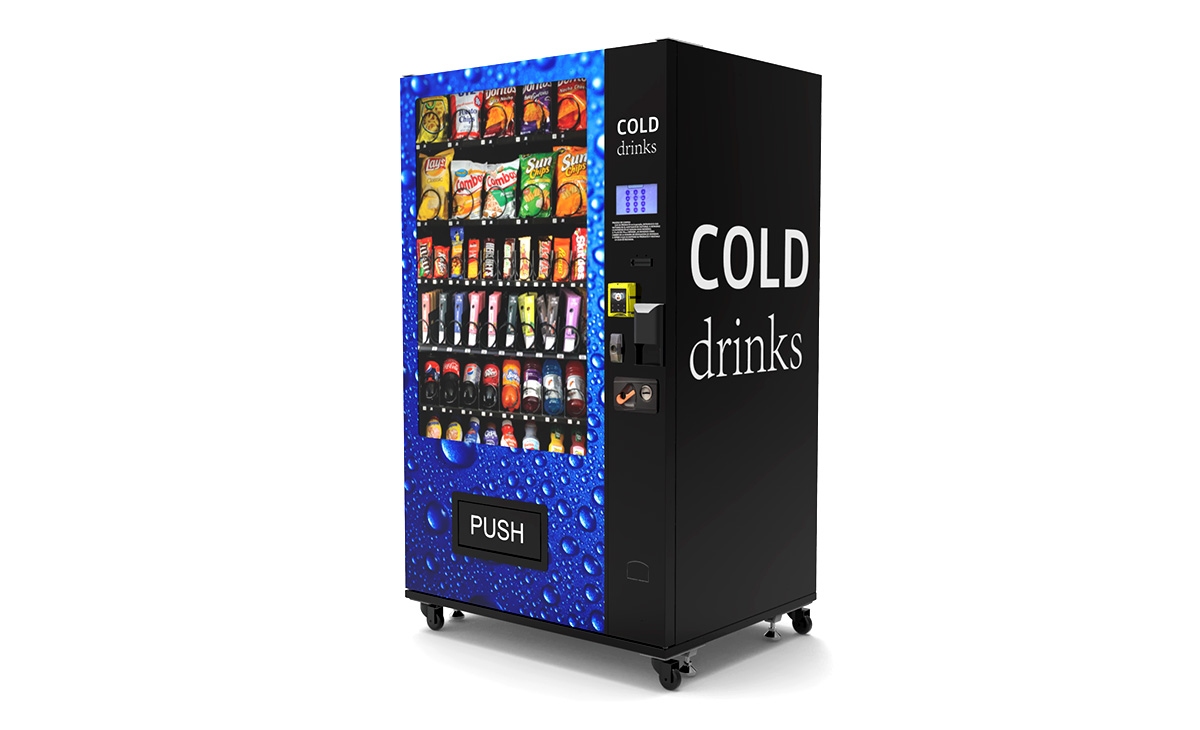
Before you buy any machine, ask yourself these questions:
- What is the estimated monthly revenue based on foot traffic and similar locations in the area?
- What is the total cost of the machine, including the vending machine credit card processor, installation, and first year of data fees?
- What is the gross margin on the products you plan to sell?
- How often will you need to restock and service the machine?
- What is the expected lifespan of the machine and the card reader?
- Do you have a backup plan if the machine fails?
I use a simple rule of thumb: if the machine cannot pay for itself within 18 months, I do not buy it. That is based on my experience with snack and drink machines in medium-to-high traffic locations. For specialized machines like coffee or frozen food, the payback period may be longer—24 to 36 months—but the margins are often higher.
Real Data from the Field
To give you a sense of what is realistic, here are numbers from three of my actual machines, all equipped with a vending machine credit card processor:
- Location A: Office break room, 200 employees. Monthly revenue: $1,100. Product cost: $700. Processing fees: $33. Data plan: $10. Net profit: $357 per month. Machine cost: $4,500. Payback: 12.6 months.
- Location B: Gym, high traffic. Monthly revenue: $850. Product cost: $550. Processing fees: $26. Data plan: $10. Net profit: $264 per month. Machine cost: $3,800. Payback: 14.4 months.
- Location C: Hotel lobby, low traffic. Monthly revenue: $400. Product cost: $260. Processing fees: $12. Data plan: $10. Net profit: $118 per month. Machine cost: $4,200. Payback: 35.6 months.
As you can see, location is everything. The same machine in a different spot can have a dramatically different payback period. Do not assume that a machine will perform well just because it looks good on paper.
FAQ: Vending Machine Credit Card Processor
How much does a vending machine credit card processor cost?
The hardware costs between $250 and $600 for a retrofit kit. Integrated machines include the processor in the purchase price. You will also pay monthly data fees of $5 to $15 and transaction fees of 2.5% to 4.5%.
Is it worth adding a card reader to an old machine?
Only if the machine is in good condition and the location has strong potential. If the machine is more than 10 years old or has mechanical issues, it may be better to replace it with a new unit that has integrated processing.
Do I need a merchant account for vending machines?
Yes. You will need a merchant account to receive payments from card transactions. Many vending-specific processors offer bundled accounts that include the hardware, software, and settlement.
How long does it take to install a card reader?
For a standard snack or drink machine, installation takes 30 to 60 minutes if you are familiar with the process. First-time installers should budget two hours.
What happens if the card reader breaks?
Most processors offer a warranty of one to two years. After that, replacement readers cost $100 to $200. I recommend keeping a spare reader in your vehicle.
Can I use a vending machine credit card processor in Europe?
Yes, but you must ensure the processor supports EMV chip and contactless payments, and complies with SCA and GDPR. Many global processors like Nayax and Worldline offer European-compliant solutions.
How do I choose between different processors?
Look for reliability, transparent pricing, good customer support, and compatibility with your machine brand. If you buy from Zhongda Smart, ask for their list of recommended processors.
What is the best location for a cashless vending machine?
Corporate offices, gyms, hotels, hospitals, and universities consistently perform well. Avoid locations with poor cellular signal or very low foot traffic.
Final Thoughts from the Road
Adding a vending machine credit card processor to your operation is not a luxury anymore—it is a necessity. The opportunity is clear: higher sales, happier customers, and access to locations that cash-only machines cannot serve. But the risks are real, and they are often underestimated by new entrants. Connectivity issues, processing fees, hardware compatibility, and regulatory compliance all need to be managed carefully.
I have been in this business long enough to know that the difference between a profitable route and a money pit often comes down to small decisions: choosing the right processor, testing the location, and maintaining your equipment. If you take the time to understand the technology and the market, you can build a solid, cash-flow-positive business. If you rush in without doing your homework, you will learn the hard way.
Start small. Test one machine in a good location. Learn the ins and outs of the vending machine credit card processor before scaling. That is the approach that has worked for me, and it is the advice I give to anyone serious about automated retail.
本文更新于2025年4月。基于作者在欧美市场超过10年的自动售货机运营经验。数据来源包括个人运营记录、Statista(2022年现金交易报告)、欧洲央行支付统计(2023年),以及行业展会NAMA和AVEX的公开讨论。所有投资和收益数据均为经验估算,实际结果会因地点、品类、运营效率和市场条件而有所不同。本文不构成财务建议。在做出投资决策前,请进行独立的尽职调查。