The Complete Guide to Vending Machine Designs Opportunities and Risks
If you are considering entering the vending machine business in the US or Europe, the first question you likely have is whether it still makes money. After a decade of placing machines across high-traffic commercial and industrial sites, I can tell you that the answer is yes—but only if you understand the full scope of vending machine designs opportunities and risks before you invest a single dollar. Many newcomers focus on the machine itself and forget that location, payment technology, and product mix determine your real return. This guide walks through everything I have learned about equipment selection, site evaluation, cost structures, and common pitfalls, so you can decide if automated retail is the right move for your situation.
What a Vending Machine Business Actually Looks Like Today
Most people still picture a basic snack machine with a coin slot and a stuck spring. That image is outdated. The modern vending machine is a self-service kiosk equipped with telemetry, cashless payment systems, and remote inventory tracking. In Europe and North America, the shift toward touchless payment and real-time data has changed how operators manage their routes and their margins. If you are evaluating whether to buy a machine or partner with a location owner, you need to understand that the hardware is only one piece of the puzzle.
The industry has matured significantly. According to the 2023 State of the Vending Industry Report from the National Automatic Merchandising Association (NAMA), the average weekly revenue per machine in the US has climbed to approximately $210, with snack and beverage machines generating the bulk of that income. In Europe, the European Vending & Coffee Service Association (EVA) reported that the total number of machines across the continent exceeded 4.2 million in 2022, with hot drink machines representing a significant share. These numbers tell me that the market is still active, but competition for prime locations is real.
Understanding Vending Machine Designs Opportunities and Risks
Why Design Matters More Than You Think
When I started, I assumed that any functional machine would work as long as it dispensed products reliably. That assumption cost me money. The design of a machine—its interface, its shelving configuration, its cooling system, and its payment integration—directly affects how often it gets used. A poorly designed machine frustrates customers, breaks down frequently, and eats into your margins with service calls.
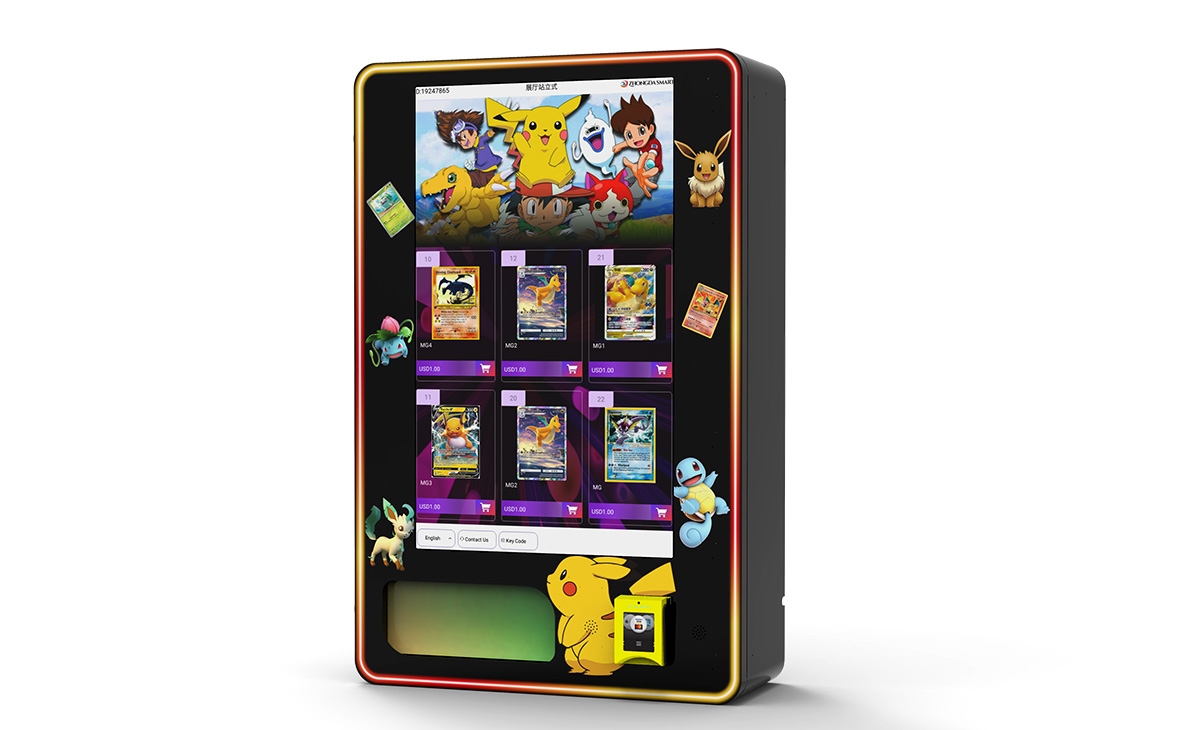
Modern vending machine designs opportunities and risks are closely tied to user experience. A machine with a bright touchscreen, intuitive navigation, and fast card processing will outperform an older model in the same location by a noticeable margin. I have personally seen a 30% lift in monthly sales after swapping out an old coin-only unit for a modern cashless kiosk at the same office break room. The design of the machine influences purchase decisions at the point of sale.
On the risk side, overly complex designs with custom parts can become a headache. If a screen fails or a motor jams and you need proprietary components shipped from overseas, your machine could sit idle for weeks. I recommend choosing equipment that uses standard, replaceable parts. This is one area where evaluating the manufacturer's after-sales support becomes critical.
Key Design Features to Evaluate
When you look at a machine, consider the following elements:
- Payment system: Does it accept credit cards, mobile wallets, and contactless? In Europe, many customers expect to tap their phone or card. In the US, the same trend is accelerating.
- Telemetry and remote monitoring: Machines that report inventory levels and sales data in real time save you hours of unnecessary driving. Without telemetry, you are guessing when to restock.
- Cooling efficiency: A machine with an energy-efficient compressor reduces your electricity bill significantly over a year. Look for Energy Star rated units if you are in the US.
- Shelving flexibility: Can you adjust the rows to fit different product sizes? Rigid shelving limits your ability to test new items.
- Security features: Machines placed in public areas need robust locks and tamper-resistant construction. Theft and vandalism are real risks, especially in unsupervised locations.
Location: The Single Most Important Decision
I have seen operators buy excellent machines and fail because they chose the wrong spot. I have also seen operators with basic equipment succeed because the foot traffic and demand were there. Location is not just about the number of people passing by. It is about the type of people, the duration of their stay, and their immediate need for a snack or drink.
In my experience, the best locations fall into a few categories:
- Manufacturing and warehouse facilities: Workers on short breaks want quick access to drinks and snacks. These sites often have limited cafeteria hours, making vending machines essential.
- Office buildings: Especially those without a full kitchen or cafeteria. Employees appreciate convenience, and they tend to have higher disposable income.
- Healthcare facilities: Hospitals and clinics operate 24/7. Staff and visitors need access to food and beverages at all hours.
- Educational campuses: Universities and trade schools generate consistent traffic, though seasonal fluctuations are common.
- Transportation hubs: Train stations, bus terminals, and airports have high foot traffic, but rental agreements can be expensive and competitive.
One mistake I frequently see is placing a machine in a location with plenty of foot traffic but no buying intent. A busy hallway in a government building where employees are only passing through rarely generates strong sales. The machine needs to be in a spot where people stop, wait, or take a break.
Cost Breakdown: What You Really Need to Budget
Let me give you a realistic picture of the numbers. These figures are based on my own operational experience and cross-referenced with industry benchmarks. Keep in mind that costs vary by region, machine type, and local labor rates.
| Expense Category | Estimated Cost (USD) | Notes |
|---|---|---|
| New machine (snack + beverage combo) | $6,000 – $12,000 | Higher end includes touchscreen and cashless payment |
| Used or refurbished machine | $2,500 – $5,000 | May lack telemetry or modern payment systems |
| Credit card reader installation | $400 – $800 per machine | Some providers charge monthly processing fees |
| Telemetry hardware and subscription | $200 – $500 upfront, $15–$30/month | Essential for route optimization |
| Initial inventory (first fill) | $800 – $1,500 | Depends on machine capacity and product selection |
| Delivery and installation | $200 – $600 | Can be higher if location requires special setup |
| Permits and business license | $100 – $500 | Varies by municipality |
| Monthly location commission | 5% – 20% of gross sales | Negotiated with the property owner |
On the operational side, you should budget for restocking labor, vehicle costs, product spoilage, and unexpected vending machine repair calls. In my experience, a well-maintained machine will need a service visit every three to six months for minor issues. Major repairs, such as a compressor failure, can cost $500 to $1,200 depending on the part and labor.
Revenue Expectations and Payback Period
I always tell new operators to expect a payback period of 12 to 24 months for a single machine placed in a good location. This assumes a monthly gross revenue of $800 to $1,500 per machine, with a gross profit margin of 40% to 50% on products after cost of goods sold. Your net margin will be lower after you account for commissions, credit card fees, electricity, and maintenance.
According to data published by IBISWorld in 2023, the average profit margin for vending machine operators in the US is around 15% to 20% after all expenses. That aligns with what I have seen in my own portfolio. Some machines perform better, some worse. The key is to monitor each machine's sales data and be willing to move or replace underperformers.
If you are considering a partnership or revenue share with a location owner, be careful with the terms. A high commission rate can destroy your profitability. I have walked away from locations that demanded 25% of gross sales because the math simply did not work.
Equipment Selection: How to Choose a Supplier
Choosing a vending machine supplier is not something you should rush. I have bought machines from large US manufacturers, European brands, and Chinese exporters. Each has its strengths and weaknesses. The most important factors are build quality, availability of spare parts, and customer support response time.
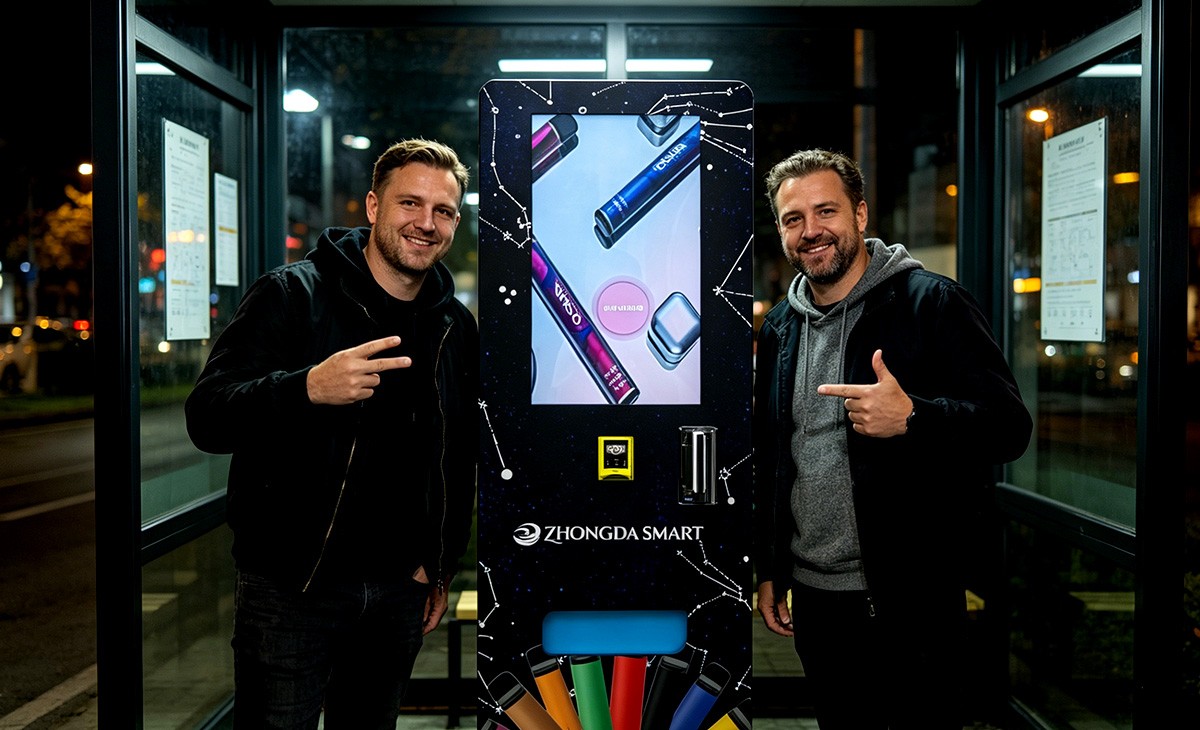
When you evaluate a supplier, ask about their warranty terms, the average lead time for replacement parts, and whether they offer remote diagnostics. Some manufacturers, including Zhongda Smart, have built a reputation for producing reliable equipment with modern payment integration and energy-efficient cooling. I have used their machines in several locations and found the build quality consistent with mid-range European units. If you are sourcing from overseas, factor in shipping costs, customs duties, and potential delays.
Avoid the temptation to buy the cheapest machine you can find. I have seen operators purchase low-cost units that lacked proper insulation, used unreliable refrigeration components, and had payment systems that were difficult to integrate with local processors. The savings upfront were quickly eaten by vending machine repair costs and lost sales during downtime.
Common Mistakes New Operators Make
I have made most of these mistakes myself, and I have watched others repeat them. Here are the ones that hurt the most:
- Underestimating the importance of cashless payment: In 2025, if your machine only takes cash, you are losing at least 30% of potential sales. Many younger consumers simply do not carry coins or bills.
- Choosing a location without verifying foot traffic patterns: Visit the site at different times of day and different days of the week. A location that looks busy at noon might be empty by 3 PM.
- Overstocking slow-moving products: Use your sales data to adjust inventory. Rotating stock based on actual demand reduces waste and improves margins.
- Ignoring maintenance until the machine breaks: Preventative cleaning and minor adjustments extend the life of your equipment. A machine that is not cleaned regularly will develop issues with sensors and dispensing mechanisms.
- Signing a long-term location agreement without an exit clause: If sales do not meet expectations, you need the ability to remove the machine without penalty. Negotiate a 30-day termination clause.
Different Business Models: Buy, Lease, or Revenue Share
You do not have to buy machines outright. Some operators prefer leasing equipment to reduce upfront capital. Leasing typically costs $150 to $400 per month per machine, depending on the model and lease term. The advantage is lower initial investment, but the total cost over three years is higher than buying. Leasing also often comes with restrictions on customization and product placement.
Revenue sharing with a location owner is another option. In this model, the location provides the space and electricity, and you provide the machine and service. The split is usually 70/30 or 80/20 in your favor, depending on the desirability of the location. I have used this model in high-traffic sites where the location owner was not interested in managing the equipment themselves. It works well when both parties have clear expectations about maintenance responsibilities.
| Model | Upfront Cost | Monthly Cost | Control | Risk Level |
|---|---|---|---|---|
| Buy outright | High ($6k–$12k) | Low | Full | Moderate |
| Lease | Low | Moderate ($150–$400) | Limited | Low |
| Revenue share | None or low | None | Shared | Low to moderate |
Payment Systems and Technology Integration
The payment system is the most frequently used part of the machine. If it fails, you have zero sales until it is fixed. I strongly recommend investing in a reliable card reader from a provider with good coverage in your region. In the US, companies like Nayax, USA Technologies, and Cantaloupe are common. In Europe, providers such as Worldline, Ingenico, and CCV are widely used.
Telemetry is not optional anymore. Without it, you are flying blind. A telemetry system tells you exactly what sold, when it sold, and whether the machine is functioning properly. This allows you to plan restocking trips based on actual depletion rather than a fixed schedule. I reduced my route costs by about 25% after switching to telemetry-driven restocking.
Regulatory Considerations in Europe and the US
Regulations differ significantly between markets. In the European Union, vending machines that sell food and beverages must comply with food safety regulations under EU Regulation 852/2004. This includes requirements for temperature control, hygiene, and traceability. Machines that dispense perishable items must maintain proper refrigeration and be cleaned regularly. Local health authorities may inspect your machines, and non-compliance can result in fines or closure.
In the United States, regulations vary by state and municipality. The FDA provides guidelines for vending machines that sell food, but enforcement happens at the local level. Some cities require a permit for each machine, while others have specific labeling requirements for calories and allergens. The 2010 Affordable Care Act included a provision requiring calorie disclosure on vending machines operated by companies with 20 or more machines. Make sure you check local requirements before placing your first machine.
How to Evaluate Whether a Machine Is Worth Investing In
Before I buy a machine or agree to place one in a new location, I run a simple calculation. I estimate the average weekly sales based on the location's foot traffic and comparable machines in similar settings. Then I subtract the estimated cost of goods, location commission, payment processing fees, electricity, and maintenance reserve. If the projected net monthly income is at least 15% of the machine's purchase price, I consider it a viable investment.
For example, if a machine costs $8,000, I want to see a net monthly income of at least $1,200. That gives me a payback period of under seven months in theory, but I always add a buffer for slow months and unexpected expenses. In practice, I aim for a 12- to 18-month payback to account for real-world variables.
FAQ: Common Questions About the Vending Machine Business
Are vending machines profitable?
Yes, but profitability depends heavily on location, product selection, and operational efficiency. Based on my experience and industry data from NAMA, a well-placed machine can generate $800 to $1,500 in monthly sales with a gross margin of 40% to 50%. Net margins after all expenses typically range from 15% to 20%.
How much does a vending machine cost?
A new combination snack and beverage machine costs between $6,000 and $12,000. Used machines can be found for $2,500 to $5,000, but they may lack modern payment systems and telemetry. Budget an additional $1,000 to $2,000 for installation, initial inventory, and payment reader setup.
How long does it take to recoup the investment?
In a good location, most operators see a payback period of 12 to 24 months. Machines in exceptional locations can pay back in 8 to 10 months, while poor locations may never pay back. I recommend calculating your own projections based on realistic sales estimates.
Should a beginner buy or lease a machine?
Leasing reduces upfront risk and is a reasonable option if you want to test the business without a large capital outlay. However, buying gives you full control over the equipment and higher long-term margins. I started by buying one used machine to learn the ropes before scaling.
Where is the best place to put a vending machine?
Manufacturing facilities, office buildings, healthcare facilities, and educational campuses consistently perform well. Avoid locations with low dwell time or existing competition. Always visit the site multiple times before committing.
What permits or licenses are needed?
Requirements vary by city and country. In the US, you typically need a business license and a sales tax permit. Some municipalities require a vending machine permit. In the EU, you must comply with food safety regulations and register with local health authorities. Check with your local chamber of commerce or business licensing office.
How do I choose a vending machine supplier?
Look for suppliers with a track record of reliable equipment, readily available spare parts, and responsive customer support. I have worked with several manufacturers, and I have found Zhongda Smart to be a solid option for mid-range machines with modern features. Always request references and read reviews from other operators.
What happens if the machine breaks down?
Most common issues, such as a jammed product or a payment system error, can be resolved remotely if the machine has telemetry. Mechanical failures may require a service visit. I recommend having a backup plan, whether that is a local repair technician or a service contract with the manufacturer.
How can I reduce restocking and maintenance costs?
Invest in telemetry to monitor inventory remotely. Use sales data to optimize your product mix and reduce waste. Schedule restocking based on actual demand rather than a fixed calendar. Clean and inspect machines regularly to catch small problems before they become major repairs.
Final Thoughts from a Decade in the Business
The vending machine industry is not a get-rich-quick scheme, but it is a viable business for someone willing to treat it seriously. The vending machine designs opportunities and risks I have outlined here come from real experience—both the wins and the losses. If you focus on good locations, reliable equipment, and data-driven operations, you can build a steady income stream. If you skip the research and rush into purchases, the market will correct your mistakes quickly.
Start small. Learn one machine at a time. Track every expense and every sale. And when you find a location that works, protect that relationship with good service and consistent product quality.
This article was updated in April 2025. Market conditions, equipment costs, and regulatory requirements may change over time. Always verify current data with local authorities and industry associations before making investment decisions.